
Oscars 2026: Sincerity in a Season of Spectacle
The Oscars are exhausting. When the nominations were revealed yesterday morning, I had no desire to write about it - assuming I had little to add having tuned out of the ceremony‘s self-mythologising years ago. However, I promise you, this is not a cynical piece.
Upon stepping back to reflect, something about the widely released slate of 2025 began to feel different? Something that was more personal, almost radical. This sense of mine only snapped into focus a few hours later, when a video appeared on my social feed: the cast and crew behind Joachim Trier’s Sentimental Value watching along as their nominations were rolling in, each one being met with pure, unfiltered, and collective joy. A marketing move, certainly, but an honest one. In that honesty sat a moment that helped to articulate what I believe has emerged as Hollywood’s ultimate thesis - and perhaps even a rebuke of its priorities - for this past year.
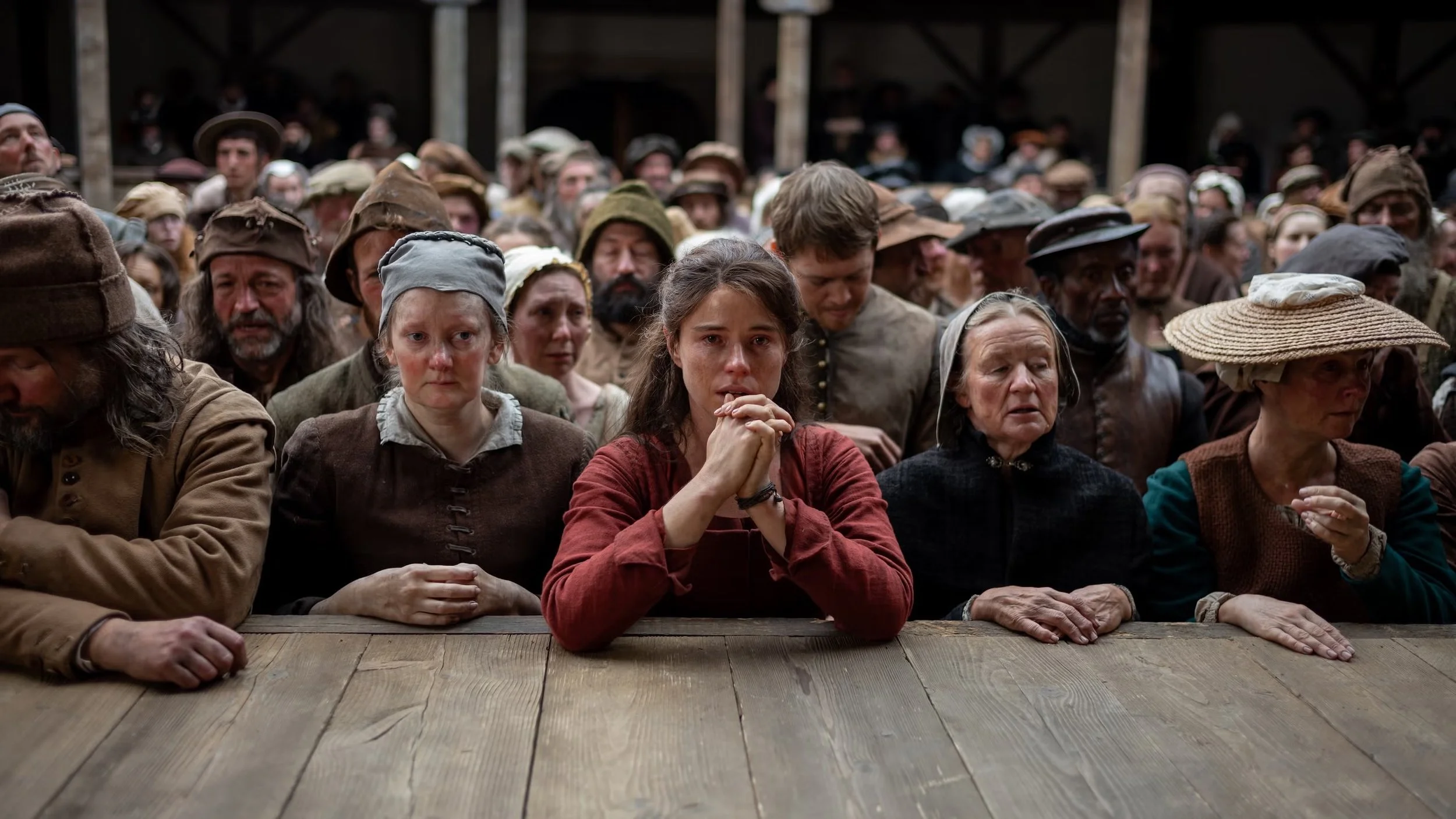
In the weeks following the release of Chloé Zhao’s Hamnet, a specific strain of discourse emerged on social media about the film’s portrayal of grief. Much of the conversation reduced the film’s emotional vulnerability into the pejorative shorthand of “trauma porn”, a charge that equates emotional candor with a level of dishonesty - almost being described as manipulation rather than expression. This instinct, this writer feels, says less about Zhao’s work than about an industry and a critical culture that has grown reflexively hostile. One that frames sincerity as excess, and has grown deeply uncomfortable with unguarded feelings.
In many ways, this discomfort mirrors the trajectory of the Oscars themselves. In recent years, the institution has increasingly leaned toward prioritizing a direct risk-averse approach. Treating emotional restraint as a virtue, with irony becoming a marker for intelligence, and even distance bizarrely being framed as depth. Thus, in an industry increasingly governed by brand management and reputational risk, sincerity often becomes labelled as suspect or even indulgent by default, a shift that cannot be separated from the broader political climate in which it has taken root. Under the current United States administration, the freedom of many has come under threat. Our public life is being shaped by spectacle, absolutism, and an authoritarian flattening of nuance. Power has become perverse, asserted through dominance over persuasion, with vulnerability routinely being framed as a weakness.
And yet, the films of 2025 feel almost insurgent as a result. Not because they are particularly more provocative in conventional terms, but because the filmmakers behind them have been willing to risk earnestness in a culture that actively punishes it. These contemporaries trust their audiences again. They are misdirecting, withholding, challenging and inviting discovery again— less so as a stylistic stance, but a clear political choice. A deliberate refusal to sand themselves down for comfort, or to back down from those in power. These have been films that try, even slightly, to resist the prevailing political logic that equates emotional safety with artistic value, and vulnerability as a weakness. In their insistence on interiority and empathy, these films serve as a crucial reminder in uncertain times like today: our voices and our sincerity are forms of power in their own right, and we must embrace our vulnerability shamelessly.
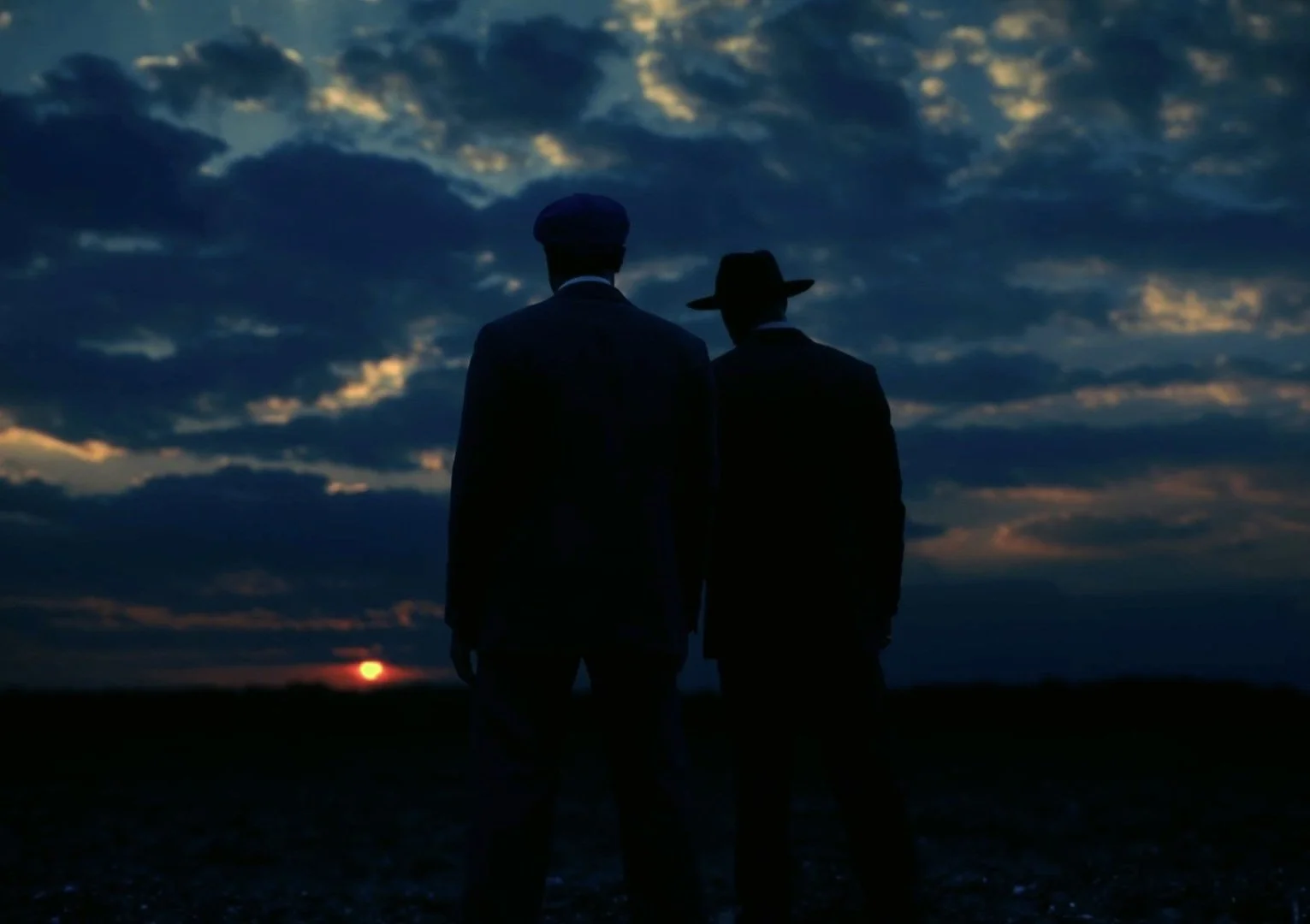
Adding to this undercurrent, as many anticipated, Ryan Coogler’s genre-bending thriller, Sinners has surged to the very front of this year's nominations. A fiercely personal passion project, the film has become the single most-nominated title in Academy Awards history, amassing a staggering and unprecedented sixteen nominations and marking a defining moment in a culture and industry mid-realignment. Indeed, this Oscar season seems to be one filled with milestones with Timothée Chalamet becoming the youngest actor since Brando to be recognised with three Best Actor nominations following his electrifying performance in Marty Supreme. Wagner Moura also makes history, becoming the first Brazilian nominee in the Best Actor category for The Secret Agent; Ruth E. Carter for her Costuming becomes the most-nominated Black woman since the Academy’s inception, and Chloé Zhao secured her second nod for Best Director, taking the title of only second female filmmaker to do so.
However, the industrial subtext is just as impossible to ignore. The record-setting sixteen nominations of ‘Sinners’ arrive alongside thirteen for Paul Thomas Anderson’s One Battle After Another, plus a single surprising nod for Amy Madigan as Best Supporting Actress in Zach Cregger’s Weapons. Yet all three films share a common denominator: having been produced by Warner Bros. — a studio whose future has recently become a matter of intense scrutiny.
Despite topping the studio tally with thirty total nominations, Warner Bros. sits at the center of one of the most consequential media consolidations in decades, following its recent acquisition by Netflix. The streamer, for its part, has also garnered an impressive showing, earning nine from Guillermo del Toro’s Frankenstein and four for Clint Bentley’s Train Dreams. Taken together, the results underscore both companies’ continued investment in independent-leaning, filmmaker-driven cinema, and the Academy's commitment to rewarding ambition wherever it appears. But their convergence inevitably raises the uneasy question, is it ever enough? When so much of the industry’s most celebrated work starts flowing through the same corporate pipelines, the question becomes not about who will win, but whether winning is even the point at all.
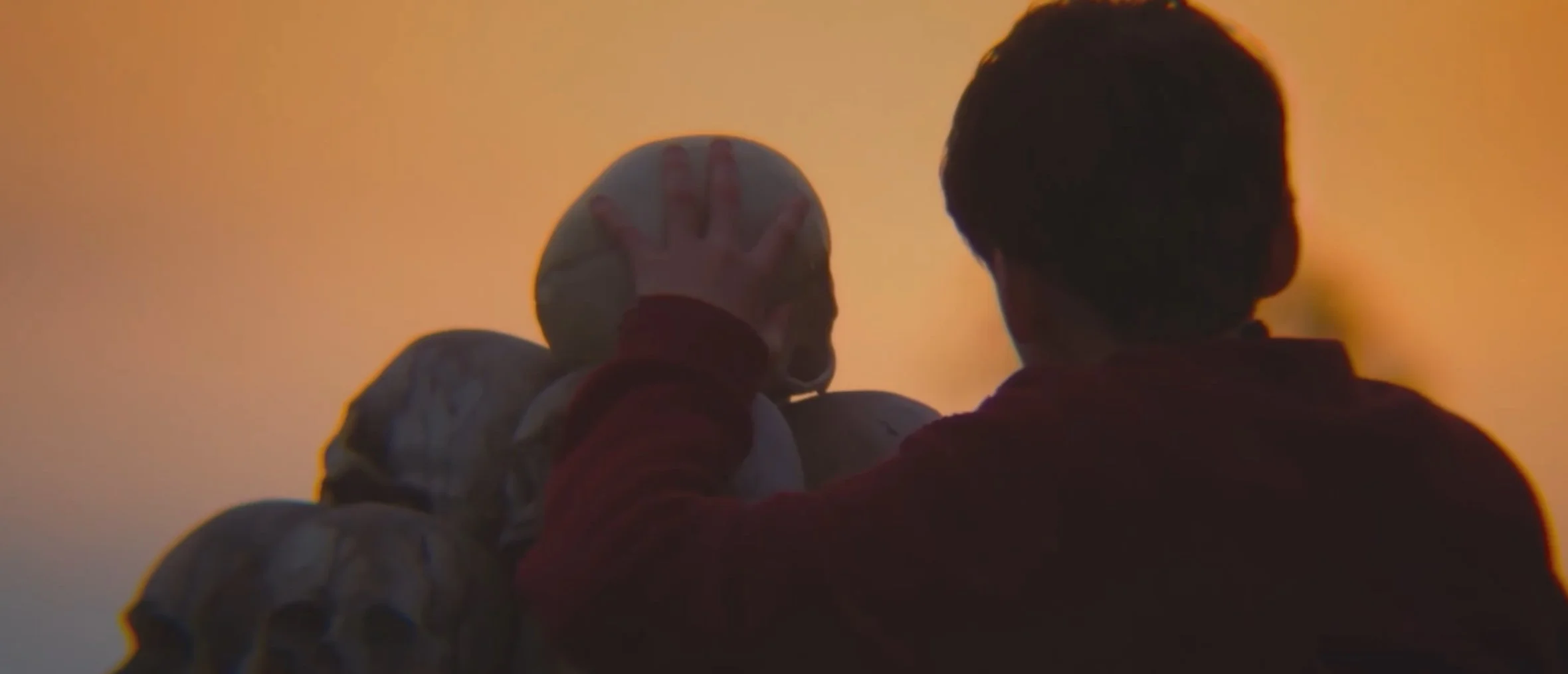
Finally, to this writer, for all the talk of progress, this year’s most glaring omissions reveal how adept the Academy has become at absorbing the new without ever truly unsettling from the conventions of old (seriously, F1 for Best Picture?) 28 Years Later from Danny Boyle, Eva Victor’s astonishing directorial debut Sorry, Baby, and Park Chan-wook’s No Other Choice, are just a few of the year’s most vital works that are nowhere to be seen this season — the latter bafflingly ignored even in Best International Feature.
On the surface, these films could not be more different. In execution, however, they share a deceptive simplicity, unfolding with an intimate emotional precision that lingers long after the credits roll. Each, in their own way, epitomizes the same essential truth that echoes across many of this year’s defining works: that we must love far more than we lose. That our survival, whether personal or collective, is measured not by what we endure, but by what we choose to hold onto. In the end, for better or for worse, love is all we have.