‘Scary Movie’ (2000) And The Roots Of The Modern Parody Film
With the release of its franchise’s latest installment, let’s examine where it all began.
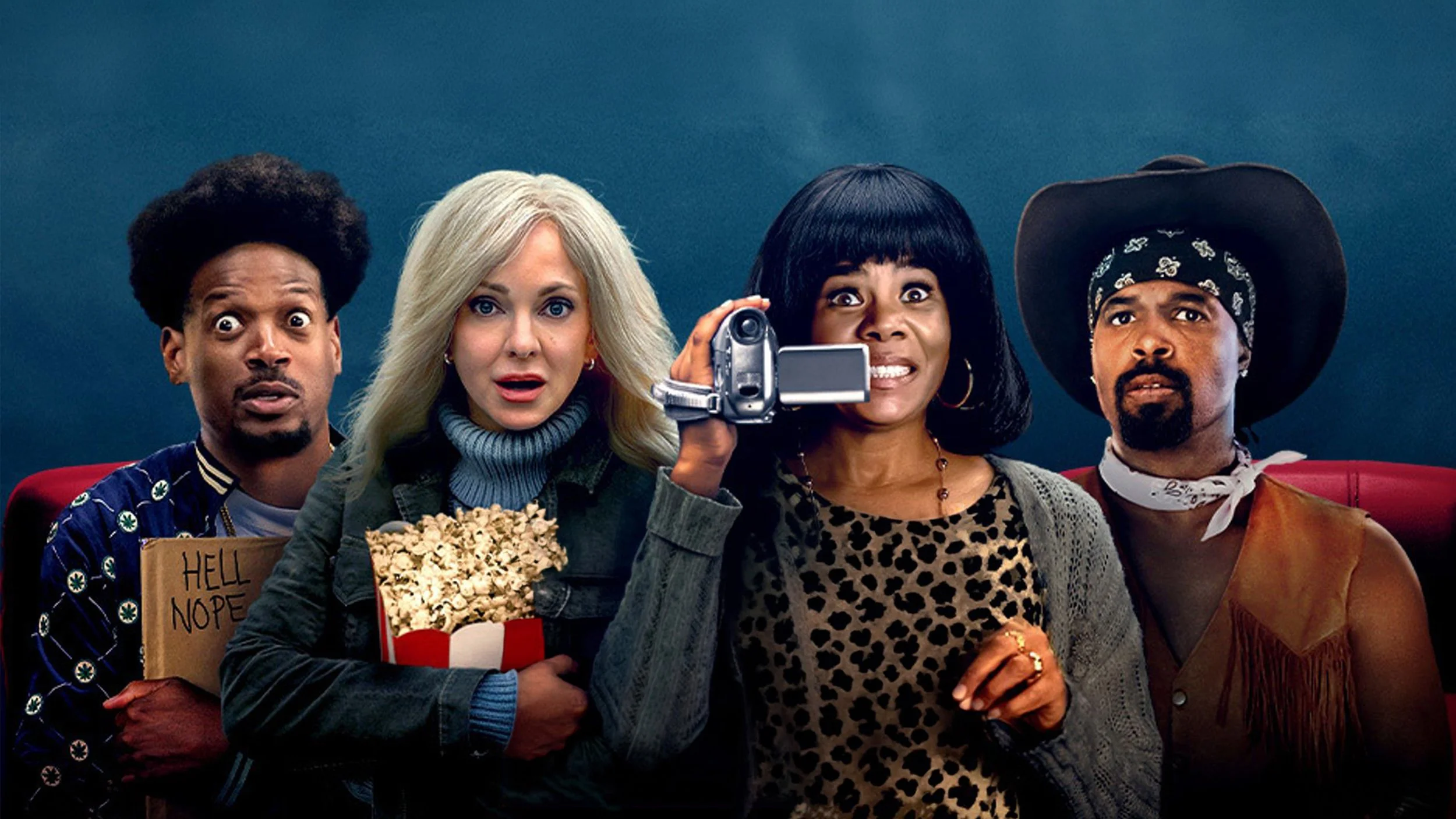
As we’ve ventured through the 21st century, many cultural titans from the beginning of the millennium have fallen to the wayside. Whether it be industry boy bands, flip phones, or the ill-fated Napster, we’ve lost a lot to the progression of time. Parody films were among that list. Experiencing a massive boom in the early 2000s, the direct lampooning of genres and popular films of the time had a noticeably steep drop-off in the theatrical battlefield towards the tail end of the decade. With the recent release of ‘Scary Movie’ (2026), a new attempt to bring back a once-dead genre has hit local multiplexes. Its early box office run has shown incredible promise, reaching $105.5 million worldwide in its opening weekend, a franchise high. In examining this recent success, I wanted to take a look back on the franchise’s initial instalment, and how they were able to shape the parody and horror genres over time.
Let’s go back to the year 2000. The first ‘Scary Movie’, helmed by the Wayans Brothers, was a truly unique effort in the cultural landscape of its era. Formed by the merger of two scripts acquired by Paramount Pictures, the film primarily lampoons ‘Scream’ and ‘I Know What You Did Last Summer’ (both films written by Kevin Williamson) while providing commentary and off-kilter references to culture of the time. Its initial title, ‘Scream If You Know What I Did Last Halloween’, was scrapped in favor of using the original working title for ‘Scream’. Shawn and Marlon Wayans, who had just come off the success of several comedy shows and films, wrote 10 drafts of their initial script before landing on a final version, with their brother Kenan Ivory serving as director. Their version, written alongside Phil Beauman and Buddy Johnson, primarily served to inform the final product, while Jason Friedberg and Aaron Seltzer’s credit was solely included due to WGA regulation due to its acquisition. The film was granted a $19 million budget and drew over $157 million domestically, prompting the release of a sequel less than a year later and the spawning of a franchise.
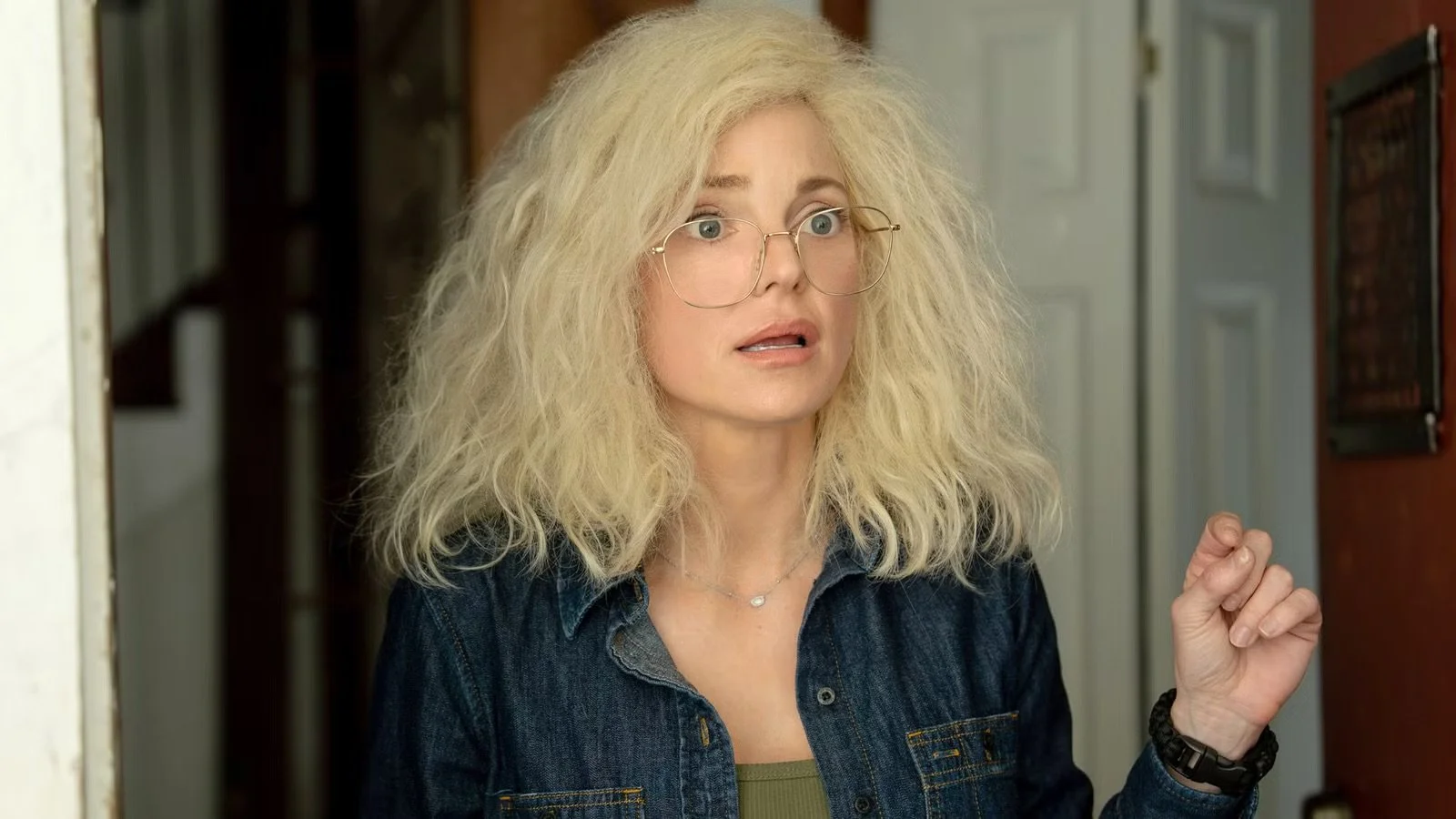
Although the Wayans Brothers already had prolific careers come 2000, the same cannot be said about the rest of the cast. Anna Faris, who plays Cindy Campbell, was cast following her first audition in Los Angeles as a new actress. Her performance blends a unique level of absurdity with remarkable physical comedy, perfectly matching the breakneck pace of the film’s screenplay. Cindy, a parody of Neve Campbell’s Sydney Prescott, is subjected to constant physical harassment, verbal degradation, and narrative torment, which only works because of Faris’ level of commitment. Her role is also not mean-spirited in any way, with most of the parody aspects coming at the expense of the original ‘Scream’ rather than Neve herself. Other characters, such as Special Officer Doofy (Dave Sheridan), leaned into a more mean-spirited nature. The spoof of Deputy Dewey portrays him as mentally challenged, an act which actor and former WCW World Heavyweight Champion David Arquette took in good spirits. Many of the film’s additional cast impeccably-caricatured popular archetypes of the time. Shannon Elizabeth plays a fantastic ditsy friend with Buffy Gilmore, while Regina Hall’s Brenda Meeks acts as the film’s standout alongside her brother Shorty (Marlon Wayans).
With its nature as a satire, much of the film’s runtime is effectively shot-for-shot. The level of care put into an irreverent film at the surface-level is truly unsung in many conversations about its development. Blending elements from ‘Scream’ and ‘I Know What You Did Last Summer’ , the final product matches shot types, color, lighting, and even line deliveries. Many of the film’s scenic locations also match their original counterparts quite closely, a testament to their impeccable production design team helmed by Robb Wilson King. The stand-ins for Stu’s house, the ‘Last Summer’ pageant, and the roadside murder from the same film are particularly remarkable in their efforts to recreate a familiar spot. Additionally, the story itself does a commendable job at balancing multiple different films to craft a seamless narrative. While easy to look at as a carefree effort, it would not work to its level without a team of creatives working tirelessly in a meticulous fashion.
As far as spoof humor goes, ‘Scary Movie’ has a passable hit rate. Not a lot has aged well, but several segments and boundary-pushing jokes still stand the test of time. From Gale Halestorm (Sheri Ohteri) shooting a student to a full-length ‘Matrix’ parody of an ending, I find myself thinking about the film quite often. I’m also far from alone, with the now-infamous “WAZZUP” scene even surpassing the initial Budweiser ad it mirrored in the public consciousness of today. Although it went on to inspire many copycat spoof films of much lesser quality, and a franchise of diminishing returns, the original effort stands alone as a definitive product of its time, cementing itself in the greater horror mythos. With the recent success of the “rebootaquel” ‘Scary Movie’ (2026), will it do what its predecessor did and bring the parody genre back from the grave? Or will it likely go the way of Napster?