
'The Secret Agent' Cinematographer Evgenia Alexandrova Talks Bringing Kleber Mendonça Filho's Vision to Life
FilmSpeak sits down for an exclusive chat with cinematographer Evgenia Alexandrova to talk about working with Kleber Mendonça Filho on ‘The Secret Agent’.
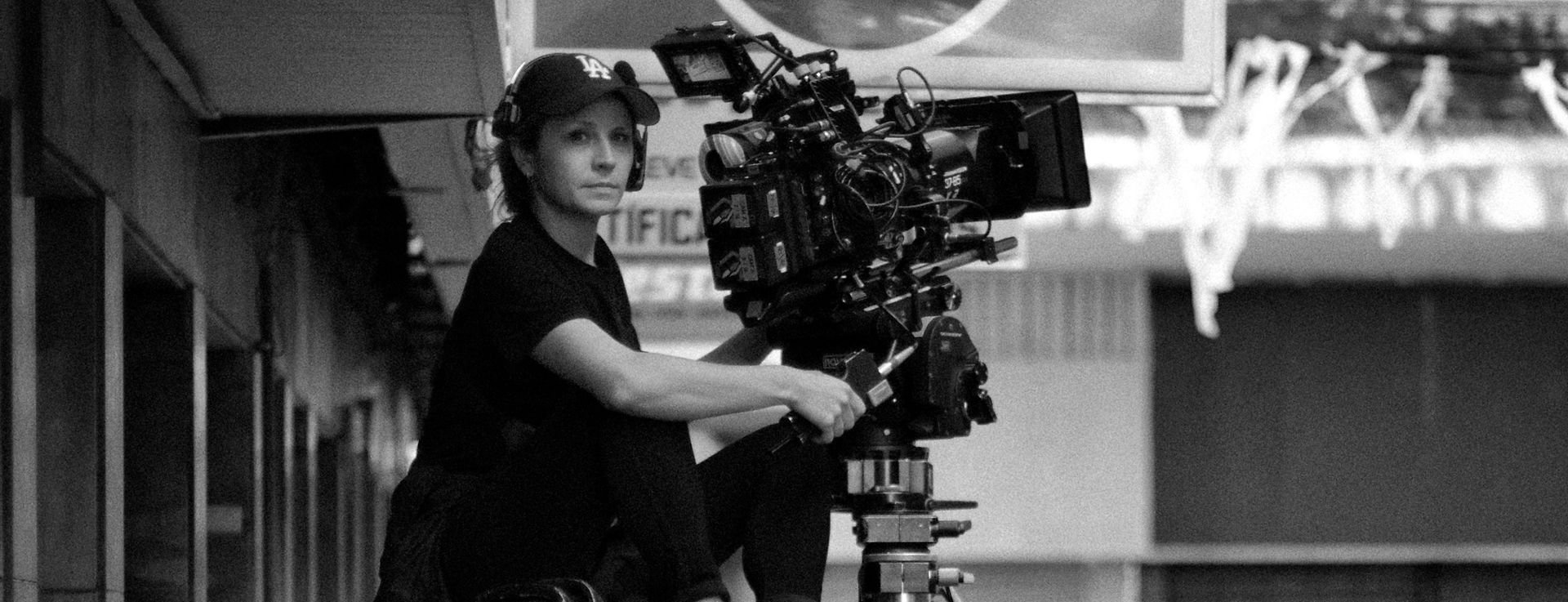
Before joining The Secret Agent, which was recently nominated for three Golden Globe awards, including Best Motion Picture – Drama and Best Actor for Wagner Moura, cinematographer Evgenia Alexandrova explains to FilmSpeak during a Zoom press day for the film that her discovery of Kleber Mendonça Filho’s work started with viewing Bacurau. However, she met the filmmaker after working on another Brazilian film, Heartless, produced by the same production company owned by Kleber and his wife, Emilie Lesclaux.
“Kleber got to discover my work on the film. Apparently, he really liked it. He enjoyed most of the colors and how they were treated. I wanted to preserve the bright, juicy Brazilian colors in that film without making it look too exotic. He liked my cinematography, and then, through Emilie, sent me the script, and that's how we connected.”
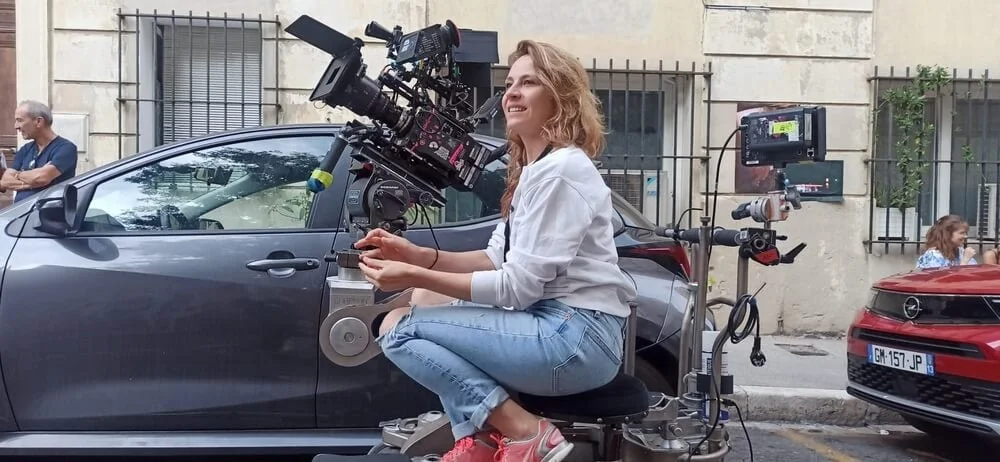
During her first conversation with Kleber, Alexandrova states that the Brazilian writer/director “wanted the film to look organic, with no forced cinematography and no forced coloring. He really wanted the film not to be dimmed or dark. Just because it's a political thriller doesn't mean it has to be all dramatic. Kleber has a very ironic sense of humor and personality in general. When he talks about dramatic things, he doesn't want it to look dramatic. He wants to play with juxtapositions.
Our first discussions focused on how to make the film colorful, but without cinematography taking over the story. It needed to be natural, but powerful. I liked the image's high dynamic range; I wanted it to be present and explode on the screen. The same can be said for the shadows. If we have shadows, there are parts of the image I'm not afraid to show, and be brave with what we are filming.”
Regarding the film’s color palette, “a lot of it was done through discussions with the production and costume designers. We exchanged references a lot from still photography of that period and precisely worked on it in post-production, applying film emulsion, but we didn't want to simulate film. We didn’t want to lie and make people believe it was shot on film, because we shot it on digital. We wanted to have this texture and this organic feel that that film used to have. It still has, but it's less seen now. The colors were developed during shooting, and we enhanced them during post.”
In shooting the present-day scenes of the film, where two history students are listening to archival recordings that recount what occurred to Marcelo (Wagner Moura) in the past, Alexandrova states that the two periods in the film “were completely different. The world changed in between those times. The image is intentionally a bit colder in modern times. Kleber lived through the ‘70s. I didn’t. I was born a little bit later. And he told me that colors had disappeared from our world. People used to have colorful cars and colorful clothes. Now, what is called fashionable and classy is having no color – beige, black, white – this is somehow upscale and luxury, a sign of good taste. A lot of that joy and brightness was lost since the 1970s. This is something that appeared naturally when we tried to reproduce the time, because there were more colors in the world.”
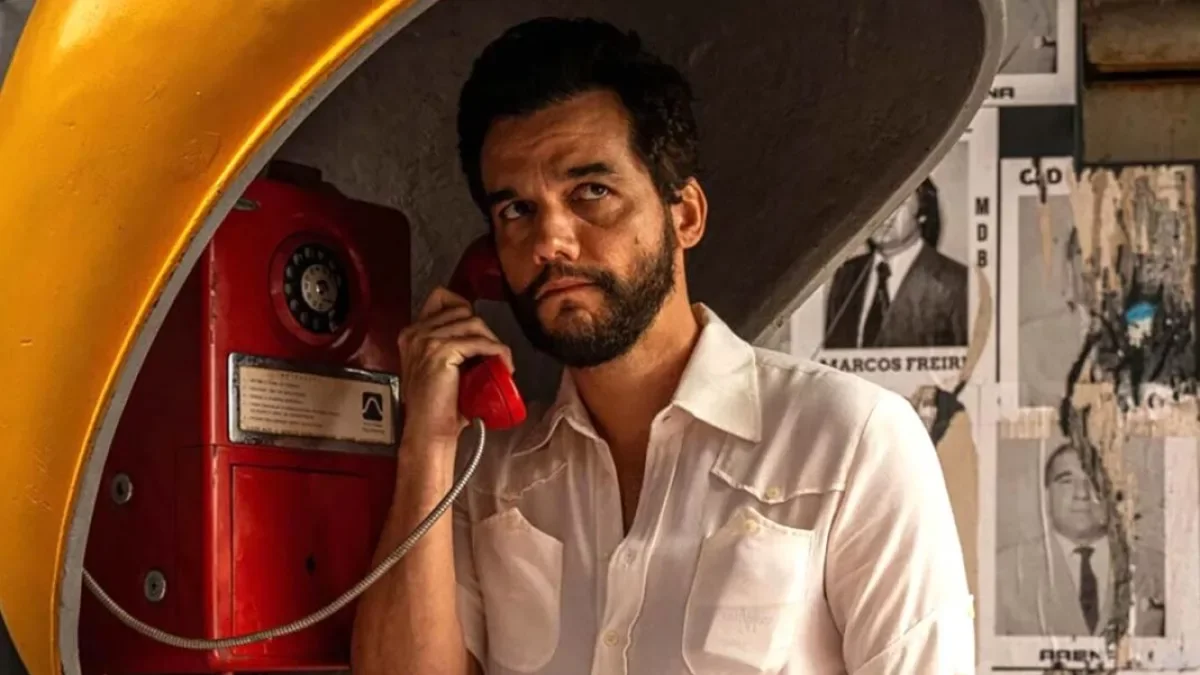
Regarding some of the techniques employed to achieve a more vintage look, Kleber Mendonça Filho and Evgenia Alexandrova weren’t looking for “perfection in terms of image. It reflects in everything, starting with the Panavision lenses that we used. They have aberrations, and they flare a lot, especially when I have the windows in my frame. They were kind of blown out and spread with a halo around the image. The camera movements were also mostly done in an artisanal way. For example, we didn’t stabilize. The dolly shots in the film are sometimes shaky or a little bit imperfect, but this is Kleber. As a cinephile, he really likes it when cinematography techniques are present on screen, which we completely embraced during shooting.”
One of the most important techniques employed in the movie is its striking use of split diopters during two specific occurrences, which Alexandrova calls “essential,” stating that “the focus is absolutely on the mise-en-scène and the directing, and not just an image technique. In the two scenes where we used it, the characters are equally important. The first time we see Wagner's character's son and him, the boy will be played by Wagner. It’s kind of like a mirror, where they're both put in this position, and they're both equally important, because it's one generation and the next generation. The film is primarily about transmission and the preservation of memory, and we wanted to represent that in this specific scene. Of course, the second scene is with the bounty hunter, who finally finds Marcelo. It’s one of the last dramatic knots of the film, and a moment where the tension is very high, because the story will accelerate after it and lead into a chase scene. When he finds Marcelo, it becomes important to have both characters in focus at this moment.”
The movie also goes through different genres and stylistic permutations, as the runtime progresses, which was all planned from the start, according to the cinematographer, who is “very happy that I got to make a film that is so diversified and so rich in different atmospheres, worlds, and different types of shooting. That’s how you keep the audience for two hours and forty minutes. It’s a rich film, but not only through the cinematography. There are plenty of scenes in the movie that don't advance the pure narration. They create the whole world that exists around it, making this world plausible, and why the audience believes in it. There are a lot of characters, a lot of small details, and that's probably why some people are going to watch it again, because there’s always something to discover.”
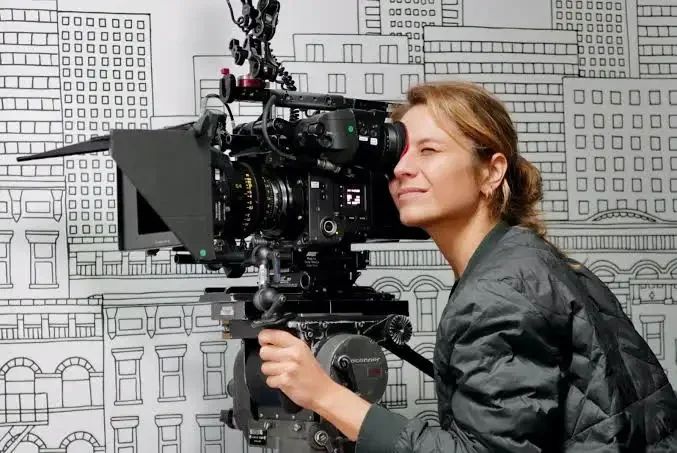
Film history is an intrinsic part of Kleber Mendonça Filho’s DNA, and, according to Alexandrova, he exchanged many references with her, from “New Hollywood up to the ‘90s, or Three Days of Condor up to Steven Spielberg films. We also spent a lot of time together looking at some photos of the period, and had an evening between Kleber, Emilie, and me where we watched Barry Lyndon. Even though it wasn't directly connected to the film, spending time together and discussing cinema put us on the same pedestal between us.”
Reflecting on the movie, Alexandrova states that one of her favorite sequences she worked on was “when Marcelo has just learned that he has killers looking after him. At that moment, he is in the cinema, and, as he walks out, the carnival is happening. He can’t help but join them. I think this sequence sums up the movie for me, because it’s not only about the strength of the human spirit, but also about life. It’s about a Brazilian character who lives with a permanent, dangerous threat, but at the same time, keeps his joy of living intact, while also being fatalistic about what's going on. The presence of this moment is very spirit-lifting for me, and I’m personally very touched by it.”