
Rachel Morrison Discusses Creating The Atmosphere of 'Love of Your Life'
the oscar nominee discusses bringing her second directorial outing to life.
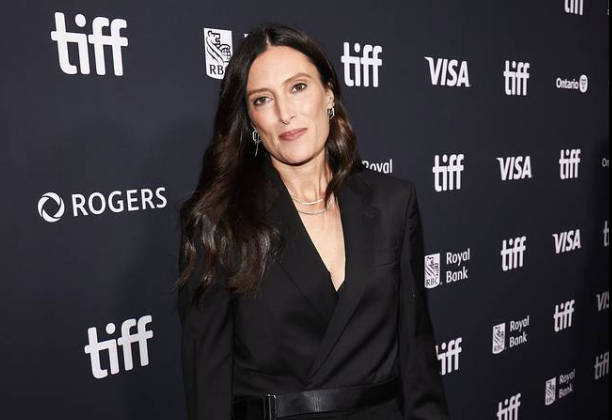
The directorial career of Rachel Morrison continues to be a great story for cinephiles and the industry at large. Morrison, an acclaimed cinematographer with an extensive body of work, ranging from indie films, documentaries, and perhaps most notably, her work with auteur directors such as Ryan Coogler on Fruitvale Station and Black Panther, and Dee Rees on Mudbound, for which she garnered an Oscar nomination, making her the first woman to be nominated in the cinematography category. Morrison’s directorial efforts began in TV, helming episodes of marquee shows like The Morning Show, American Crime Story, and The Mandalorian. Morrison made her feature debut with 2024’s The Fire Inside, a dramatized true-story sports film that followed eventual boxing champion Claressa Shields enduring a series of trials and tribulations on her way to eventual Olympic glory. The Fire Inside emerged as particularly memorable, prioritizing the nitty gritty of its characters’ lives over sanitized, trite sports montages and rousing victory moments.
This is a testament to Morrison’s sensibilities as a director, delving into the deep essences of her characters, something that was evidently clear in The Fire Inside, and continues into her latest film, Love of Your Life. The film follows a decade in the life of a young woman named Maya, (Margaret Qualley) as she navigates love, loss, and finding a true selfhood amidst the changing modern world. There’s a major novelistic sensibility to the way Love of Your Life operates, following Maya through three separate chapters of her life, made distinct by unique and majorly scenic settings. Morrison spoke to FilmSpeak about shaping the atmosphere of the film, both on and off-set.
FilmSpeak: I'd love to talk to you about how you approached each new location and era of the film from a directorial standpoint, and what it was like to try and keep the tone grounded amidst like the changing elements of the story.
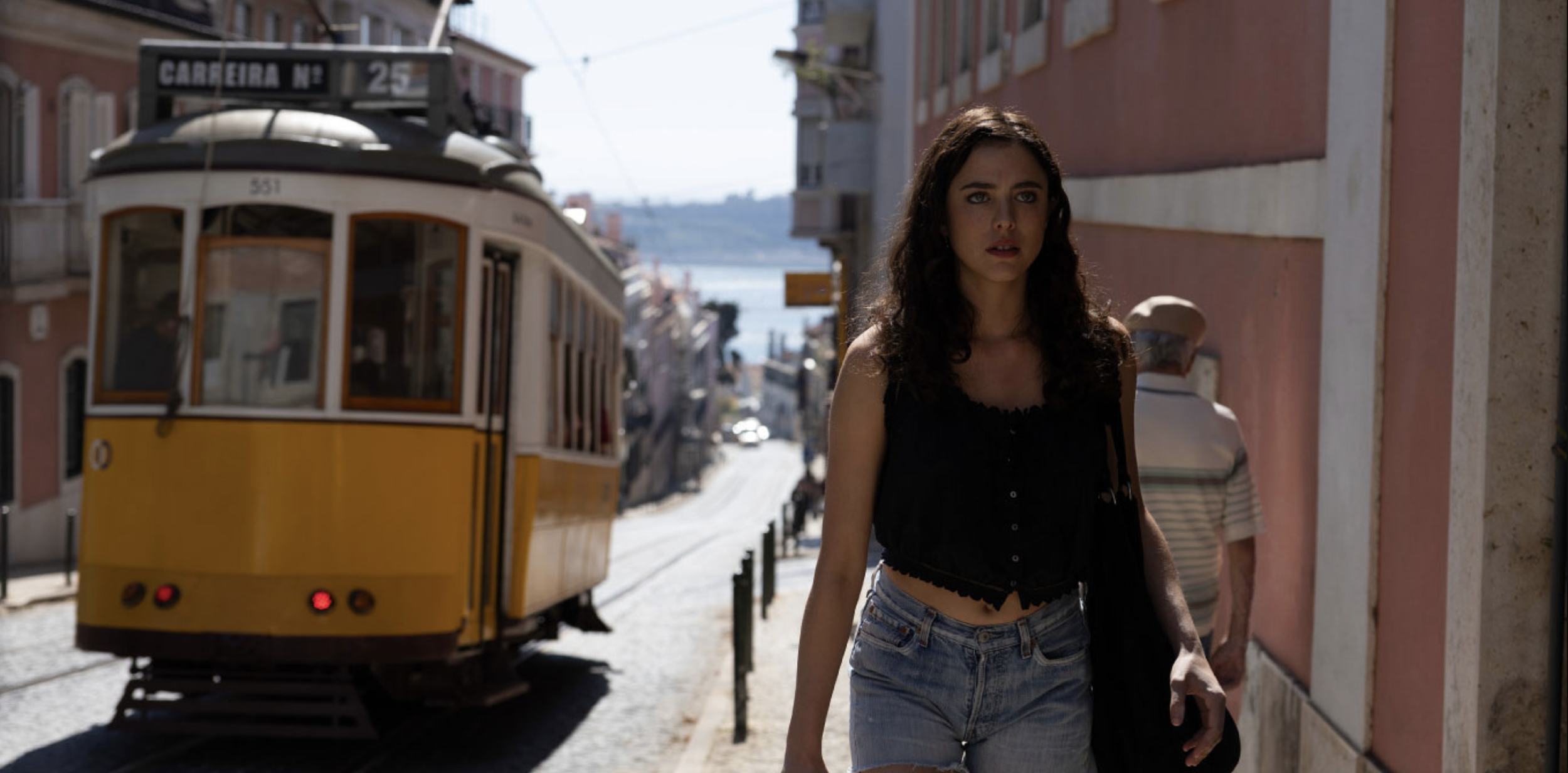
Rachel Morrison: We were looking for the locations to feel like characters unto themselves, and also feel reflective of Maya, where she was in her journey, and in her age. She's in her mid to late 20’s when we start this story in Boston. The question we asked was, what does it feel like to be young, and sort of have a life that's full of possibility in a city that's actually a college town. The median age in that area of Boston is a bunch of twenty-somethings, full of hope and promise. So, looking for Boston to reflect that and, you know, with the weather, the autumn, there was a lot of really natural warmth, which I think, you know, also is indicative of where she was and sort of met her where she was at.
Portugal is incredible, but the whole idea behind it was that, that [Maya] was, submerged in beauty and couldn't enjoy any of it. What does it look like to be in the Algarve, and some of the most beautiful places in the world, and be almost dissociative? When food doesn't taste as it should, and music isn't as pronounced, and where everything's sort of dull, despite being so beautiful.
With New Orleans, we meet her a little later in life, and there's a real sort of timeless quality in New Orleans. There’s that dewy quality, and patina of the walls, which Portugal also had, where it's as if every wall could tell a story. Overall, the goal was wanting to really understand [Maya] as we drop into each of these cities, and showing that time has passed and that she's almost a different person in each of the spaces.
Morrison then discussed what major lessons she took from her first feature into her second, and in doing so, reflected on how her experience in cinematography informs her directing style, collaborative relationships with department heads on her films, and her experience operating the camera at times during production.
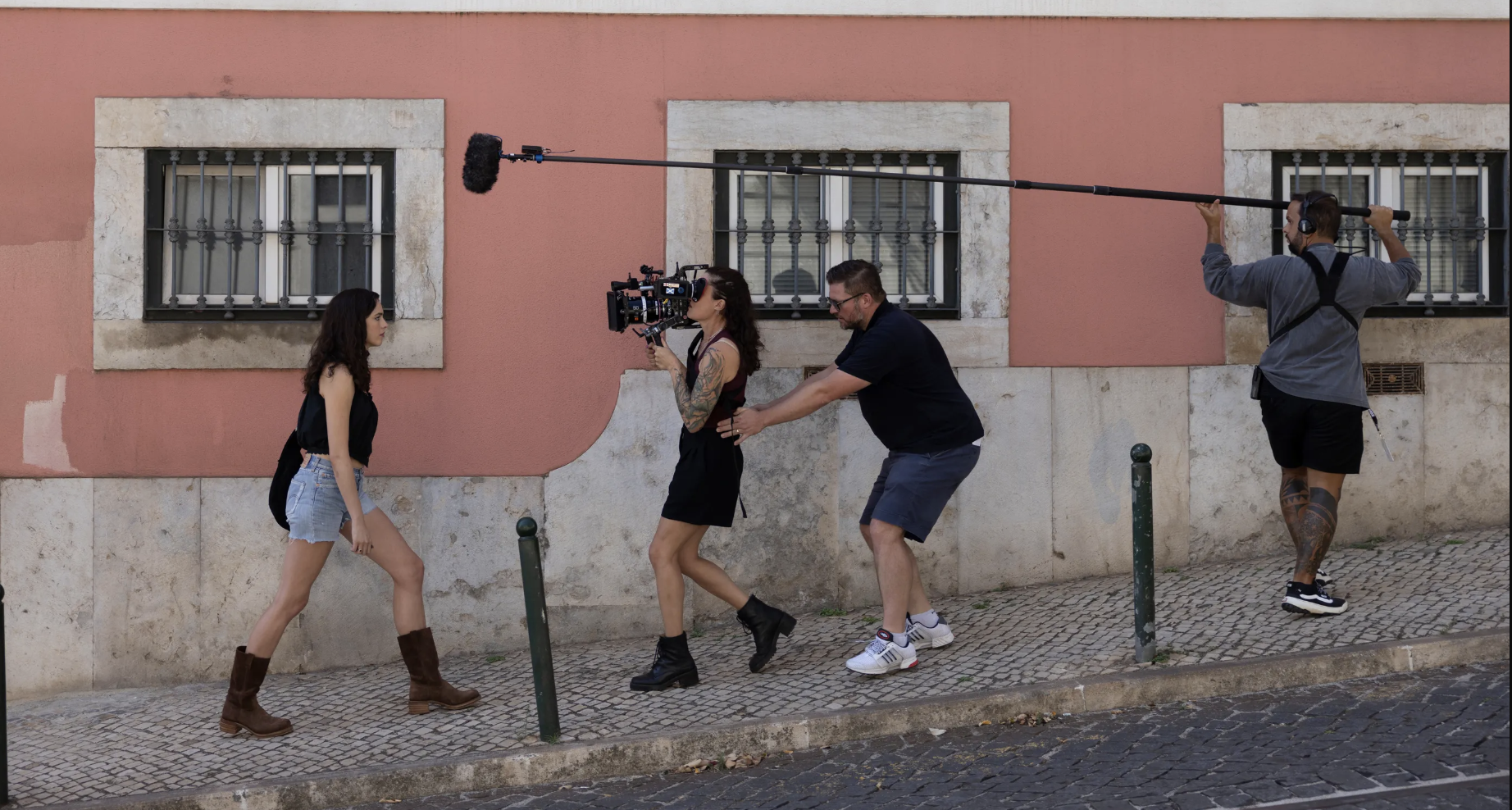
RM: I learned the value of operating. As somebody who comes from cinematography, I have given up the reins, and will give almost full control to my cinematographer when it comes to the lighting, but [with] the more emotional scenes, I really need to be behind the camera. What that allows me to do as a director, is actually keep my actors in the moment.
In this case, nobody's calling cut, and as soon as you call cut on a set, there are so many people running in to touch up the makeup, to check on the wardrobes, etcetera, and the actor gets taken out of it. I think this is one of the last things I have from as being a DP as well, and I’m paying all my dues to Local 600 (The International Cinematographers Guild), so that I can stay behind the camera, and keep the actor in it, giving them notes, while attenuating it with my cameras. I'm always on comms to my DP (Todd Banzahl), who's actually telling me, ‘You know, you wanted to be at a handheld level six, but that felt a little more like a seven,’ and I'm like, 'Okay, great, noted’. I think I'm just sort of starting to understand what I need to do my best work, and that was a lesson from The Fire Inside, which I also did a good amount of operating on, but I think I was able to really approach Love of Your Life with that shorthand going into it.