The Spectacular Evolution of Tom Holland's Spider-Man
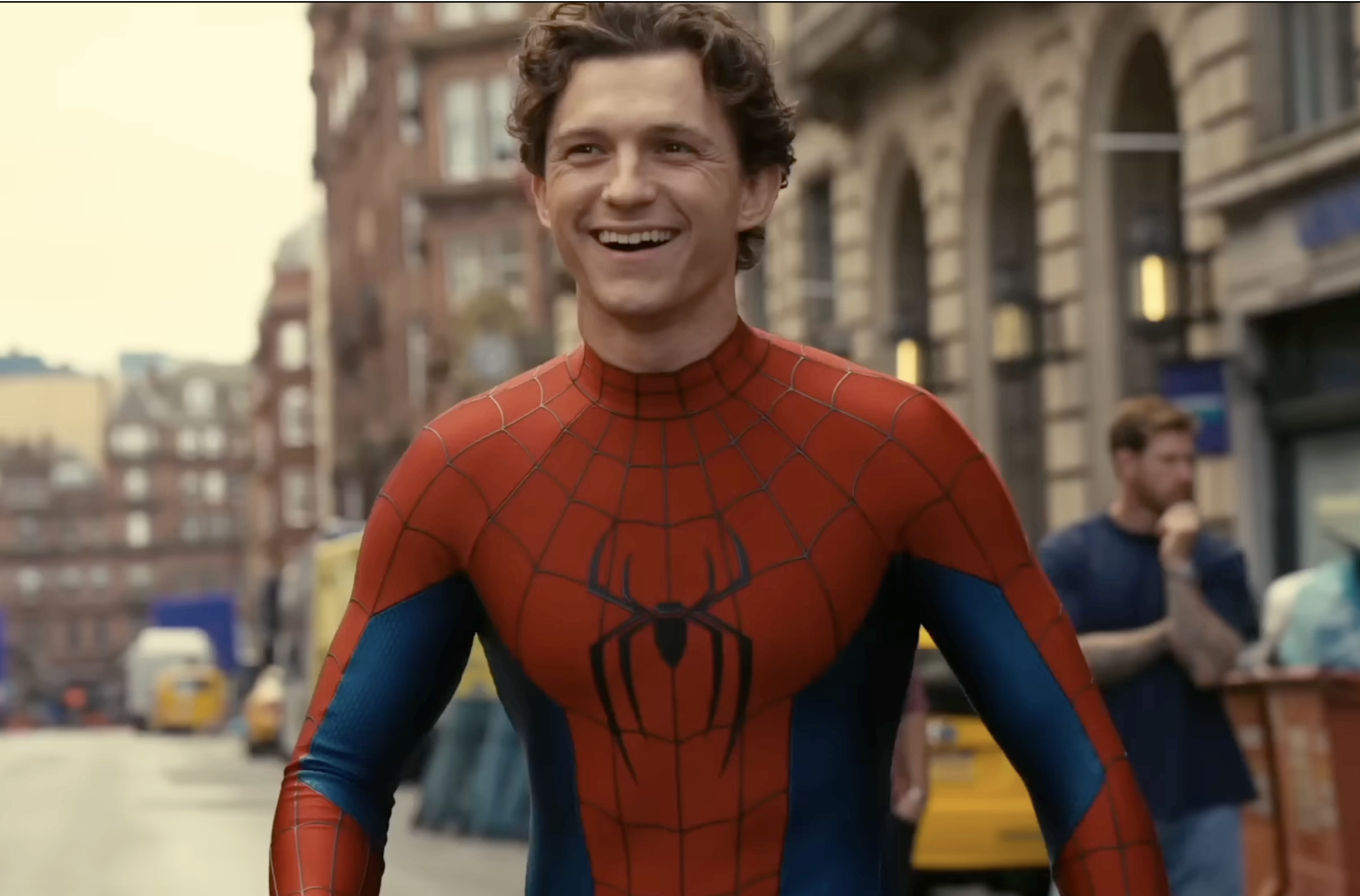
For as dominant a presence as the Spider-Man films have been in pop culture, it becomes easy to forget just how tumultuous a journey the beloved web-head has had behind the scenes. This year’s Spider-Man: Brand New Day indeed represents a new era for Marvel Comics’ most storied character, but also a new step in Tom Holland’s now decade-long tenure in the red and blue spandex, a tenure that is nothing short of remarkable, and one that is continually unique and fascinating, by both comic and cinematic standards.
Holland’s debut as Peter Parker / Spider-Man in 2016’s Captain America: Civil War was easily one of the most anticipated hero debuts in the MCU, if not the most, a claim that both my recess experiences and internet metrics firmly back up. Though, with hindsight, it’s fascinating to see how this now-iconic debut to one of the Marvel Cinematic Universe’s most pivotal characters happened so triumphantly, given such a short turnaround time between the character’s last on-screen appearance in The Amazing Spider-Man 2, with a whole other actor and story. The demise of Sony’s Amazing Spider-Man series with Andrew Garfield (which was once built up by Sony execs to be a competitor to the MCU itself, with multiple spin-offs developed for villains and supporting characters) has filled several lengthy and comprehensive articles already, but again, the mere year and a half between the announcement of Andrew Garfield’s exit now feels like a blip, and one that has become increasingly easy to forget about given how synonymous Holland has become with the role.

After winning over fans and critics alike, Holland received his first solo movie in 2017, the very cheekily titled Spider-Man Homecoming. Helmed by Jon Watts, the film’s tonal identity has aptly been likened to a modern take on a John Hughes-esque high school movie, chronicling the quintessential work-life balancing act that defines Spider-Man, and reorienting it in the contexts of a refreshingly smaller scale story, compared to Holland’s later outings, at least. Homecoming garnered praise for its immensely wonderful comedic atmosphere and portrayal of a more authentically modern high-school experience, but also for its compelling dynamics between the sublime Michael Keaton as The Vulture, whose origin was retrofit to the MCU in a very clever way. At its core, Homecoming was a strong new start for Holland’s Spider-Man, whose initial eagerness for the Avengers-level heroics was curbed once he learned that he was right where he needed to be, as the friendly-neighbourhood hero we all know and love.
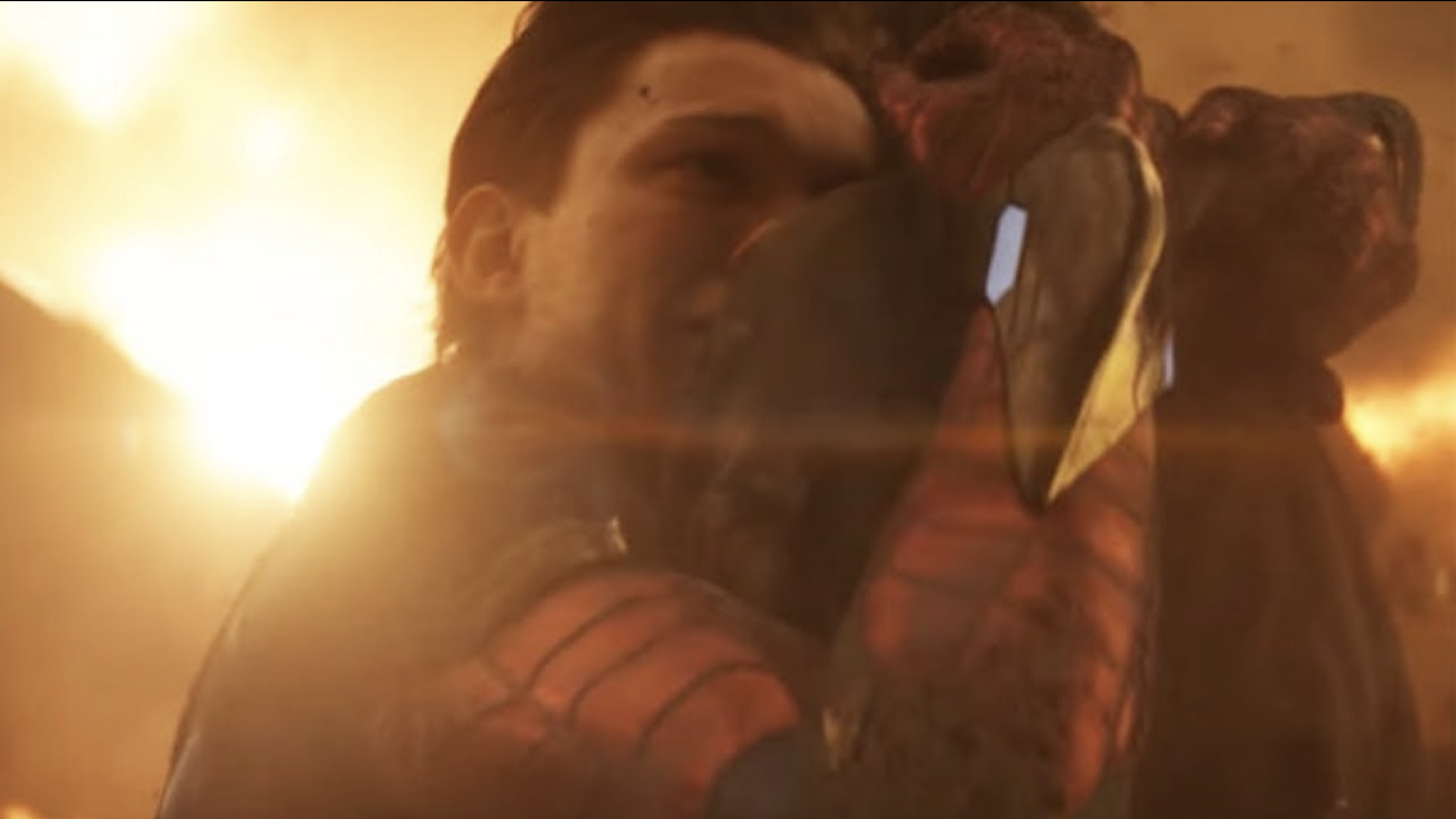
However, Holland’s Spidey would very soon after go on to feature in the two gargantuan Avengers films, Infinity War, and Endgame, as a supporting member of the ensembles, used mostly to further the emotional arc of his mentor figure Tony Stark / Iron Man, with his shocking ‘death’ at the end of Infinity War gut punching audiences worldwide, and Parker’s last words, “I don’t want to go,” becoming some of the MCU’s most quoted and memed dialogue. Within these two films, our young hero went through a hell of a lot, and again held his own in the company of his older and more seasoned superhero peers. Later films make note of this Peter Parker’s impressive resume during his teenage years alone, thwarting both street-level and world-ending threats before high school graduation was even a thought.
Peter’s close relationship with Tony Stark has remained one of the more contentious parts of the Holland era. Detractors expressed their frustration with several villain motivations relating to Tony Stark and not Peter himself, with some nicknaming this Peter Parker ‘Iron Boy Junior,’ a admittedly online sentiment that you’d be hard pressed to see the character called in a real life situation, but one that persisted around the character for years, in large part due to how central the loss of Tony Stark is to the plot of Holland’s second solo film, Far From Home. The film has remained controversial, in large part for being the least traditional Spider-Man film to date, with a globe-trotting action plot mixed with bits of a European vacation comedy, another large emphasis on Tony Stark’s legacy and technologies, a budding romance subplot with Zendaya’s MJ, all happening while Spider-Man works with spy agency SWORD to ward off a series of mysterious inter-dimensional threats, later revealed to be decoys from Jake Gyllenhaal’s Mysterio. Despite all of the aforementioned criticisms, Far From Home was another big hit, and the first Spider-Man film to cross the billion-dollar mark, with generally positive reviews in tandem.
A month after the smashing success of Far From Home, Sony producers moved to end their creative partnership with Disney and Marvel Studios, effectively tearing Spider-Man away from the MCU, a bombshell announcement that angered fans everywhere, especially after Far From Home’s cliffhanger ending of Spider-Man’s secret identity being leaked to the public. Fans endured a period worth of rampant anger and speculation, in which many pondered if Holland would even return as Spider-Man, and if he would be moved into Sony’s then-active Venom franchise and subsequent villain spin-offs. A month later, Sony and Marvel Studios/Disney reached new co-production agreement to finish the Tom Holland/Jon Watts trilogy, an agreement in which Sony would retain an expanded share of box-office profits, and it was speculated that they would have more creative control as well, something that was never legally confirmed, but the next solo film would certainly support such assumptions.
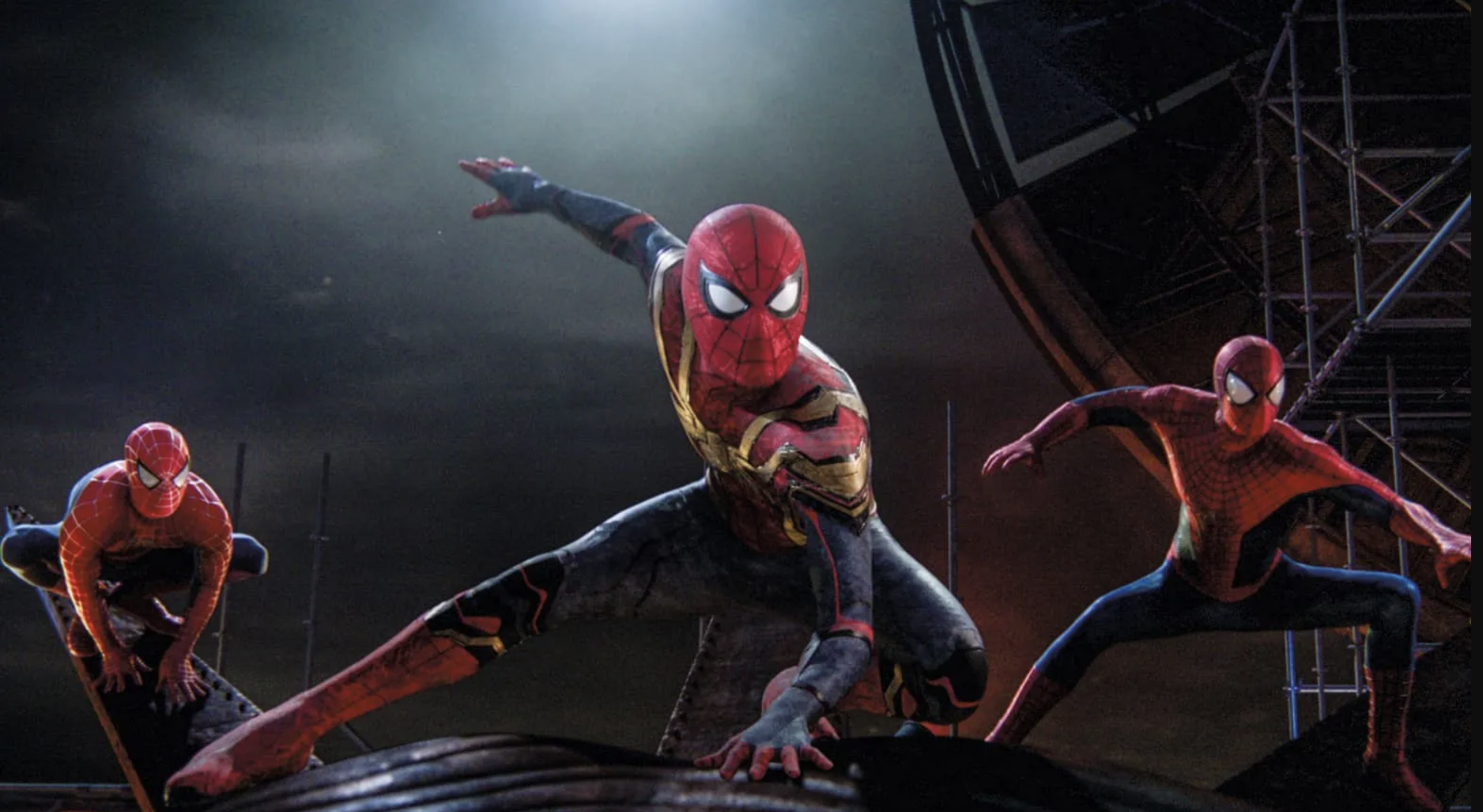
The third of Holland’s first trilogy, No Way Home, plays almost like a polar opposite to its predecessor, set almost entirely in New York City, with an added emphasis on Peter Parker’s identity, and a slew of villains native to Spider-Man’s own storied rogues gallery. Internet chaos is as much a characteristic of the Holland era as anything, and the lead-up to No Way Home was no different. When leading entertainment trade outlets randomly announced that past villain actors such as Jamie Foxx and Alfred Molina were set to join the film, fans came to a logical conclusion, that the film would be dealing with some kind of multiversal shenanigans, in the vein of the animated Spider-Verse films, and that the Spider-Men that these villains belonged to would make some kind of appearances. What followed were a series of vigilant trailer dissections, set/trailer leaks, and poor Andrew Garfield spending his Tick Tick Boom press tour vehemently denying any involvement in the film, but it was an unspoken truth that the film was ultimately going to be a large crossover film between the three main eras of live-action Spider-Man, with fans reveling in seeing Holland learn from his predecessors Maguire and Garfield on-screen. Strong feelings of nostalgia and fan ecstasy prevailed, echoed by the box office results (No Way Home is the eighth highest grossing film ever), but the film still maintained a potent emotional core to drive the story forward, one that saw the death of Marisa Tomei’s Aunt May, and Peter’s closest friends, Ned (Jacob Batalon) and MJ, alongside the rest of the world, having to forget who Peter Parker/Spider-Man are, via a irreversible magic spell. Despite this, the film still ended on a triumphant note, with it finally seeming like Holland’s iteration of Spider-Man was finally ready to be his own man, so to speak, shining bright in a light aside from anything related to Stark or other Spider-Men.
Enter Brand New Day, the fourth and most recent of the Holland films, a film that truly makes good on its namesake. Picking up four years after the events of No Way Home, the film follows Peter, now fully leaned into being Spider-Man full time, up against a mysterious new threat that forces him to reckon with his isolation and identity as a hero. It’s hard to talk about the film in depth due to spoiler concerns around a certain character, but it feels hard not to imagine audiences latching onto Brand New Day in full force. To call it a truly thoughtful and meaningful reinterpretation of the character would somehow be a bit of a understatement. At once a return to the street-level Spidey film and to a grounded character-driven film, harkening back to the age old dillemas of being Spider-Man, but in a way that’s unique to the circumstances of this specific interation. Tom Holland has long been a superb Spider-Man, and Brand New Day is ostensibly his best turn yet. Holland, vocal about having more creative control and emphasizing use of practical filmmaking, teamed up with Destin Daniel Cretton, a renowned pro in both the indie drama and Marvel Studios spaces in equal measure.
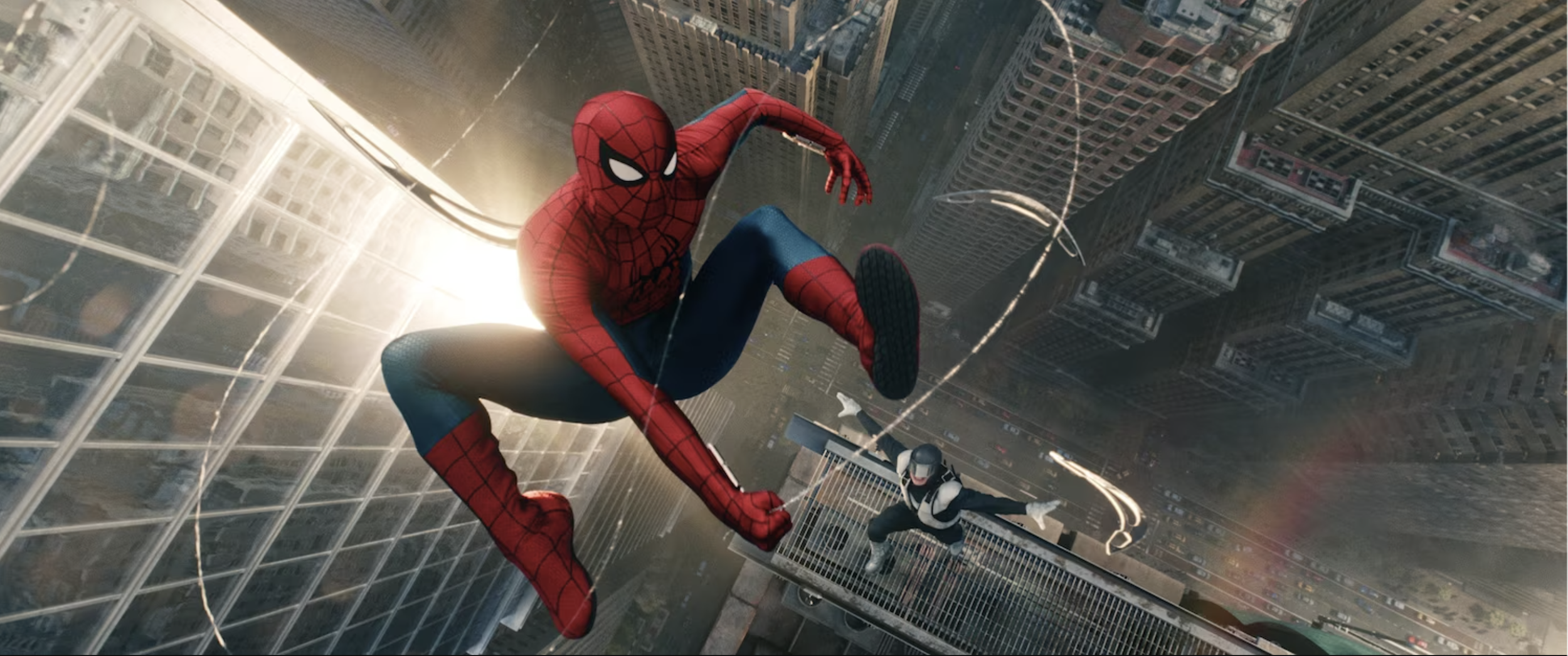
With Brand New Day, the two reach such massive collaborative highs that are also highs for this iteration of the character, with dazzlingly choreographed and imaginative fight sequences, a more lived-in depiction of New York City, and again, a willingness to really dive deep into the psyche and depressive states of Peter Parker, so much so that the traditional comic book movie structural bits are now oriented around Peter’s arc in such a meaningful way that rivals even the best of Sam Raimi’s Spider-Man films. Brand New Day also represents the most natural synthesis between the existing MCU and the cinematic Spider-Man mythos. Legacy Marvel characters such as Mark Ruffalo’s Hulk, and more predominantly, Jon Bernthal’s Frank Castle/Punisher play key parts in the story, but are always in service of Peter Parker’s arc of heroic rediscovery amidst a literal physical change spiked by his emotional imbalances. One of the key draws of this Spider-Man taking place in the MCU is the ability to make the character feel like a proper part of the larger Marvel universe, and it is immensely gratifying to see such natural relationships between Spider-Man and other street level characters at long last. This is all without even mentioning the Sadie Sink of it all, playing a mysterious new character who makes for such a tremendous foil/mirror to Peter’s emotional arc in the film, one that brings out the best in Holland’s Spidey, and the film at large. Brand New Day also brings a added sense of tactility to the series once again. Small things like seeing wrinkles and the standard pull-off mask with the Spider-Man costume go such a long way with immersion into this more grounded and mature take on the character.
Above all else, the Tom Holland era of Spider-Man has been one for the ages, and it simultaneously feels like it’s only just beginning. This is, in large part, a claim made because of how rejuvenating Brand New Day feels. Make no mistake, it’s not as if Spider-Man has ever been a dull enough brand to need such, but even after such a accomplished and expansive journey for Holland’s iteration of the webhead, there’s nothing like seeing Spider-Man do simple, quintessential Spider-Man things, whether it be saving the citizens of NYC, the age old struggle between the personal and heroic identities, so on and so forth. Again, this claim isn’t to undercut just how progressive Brand New Day is for Holland’s Spider-Man in particular, as the film is a big-hearted one which does a ton of right by its characters and continually challenges them in exciting ways.
We can only hope to see even further evolution come about during Tom Holland’s already legendary time as Spider-Man.