Rewriting the Book of the Dead: What Future 'Evil Dead' Sequels Need To Get Right
As ‘Evil Dead Burn’ ends its theatrical run, and as we await ‘Evil Dead Wrath’, we have some thoughts as to what the franchise needs in order to return to its once ‘groovy’ state.
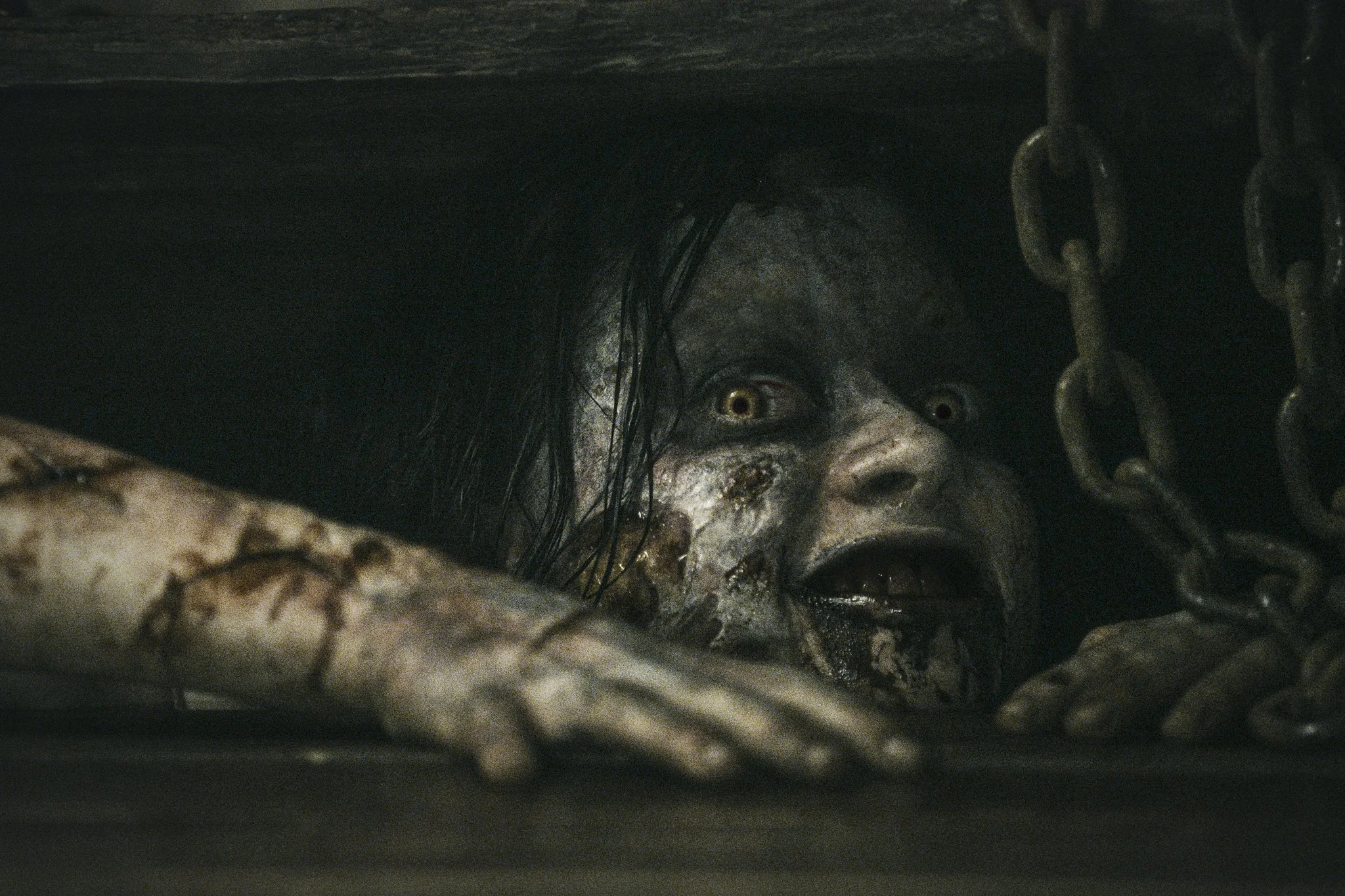
What exactly makes an Evil Dead film an Evil Dead film? Six theatrical releases and three seasons of television later, many different answers to this question exist. Is it the blood, gore, and slapstick? Or, alternatively, is it the Deadites, cabin, Necronomicon, and Kandarian Dagger? The franchise’s 45-year span has certainly made way for varied approaches to its execution, most recently seen in Sébastien Vaniček’s Evil Dead Burn. The latest in Warner Bros. and Ghosthouse Pictures’ attempt to anthologize the series, Burn has proven to be a largely divisive effort. Its fans have praised its gritty, heavily thematic approach, while critics have pointed to its generic feel and lack of many Evil Dead hallmarks. This division, alongside recent comments by series veteran Bruce Campbell in which he expressed a desire to see more humor and color in future installments, prompted me to examine the core of what truly constitutes an Evil Dead film. To me, the trifecta of humor, cruelty, and originality lies at the heart of what sets the franchise apart, and without one of those three pillars, you’re left with something else entirely.
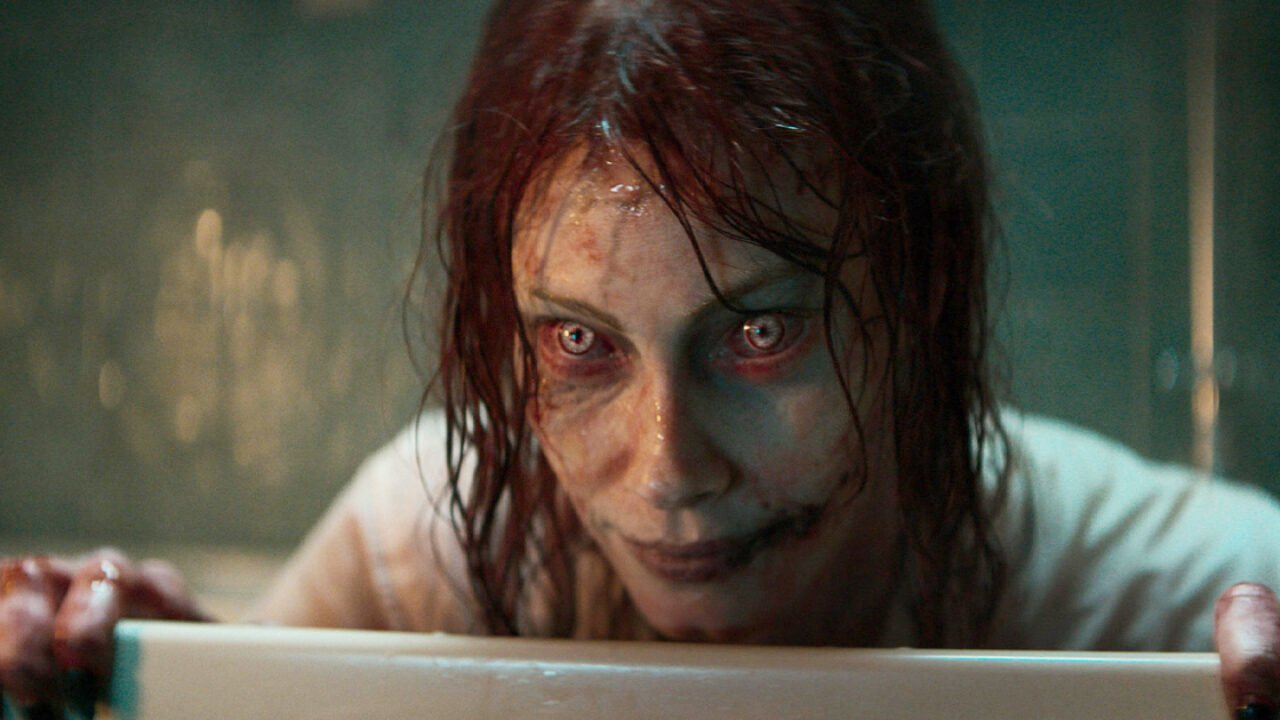
As Evil Dead Burn’s theatrical run wanes, all the reasons the film did not work for me have become much clearer. Upon my initial viewing, I was left with a feeling of emptiness. What I had just seen, to me, was not an Evil Dead film, but yet another dime-a-dozen studio horror film built around grief and family trauma. Its backdrop of an estranged family dealing with the loss of a loved one is one we’ve seen quite often in the modern horror landscape, in films like Hereditary and shows like The Haunting of Hill House. Tackling that type of story is one thing; doing so in ways we’ve already seen executed is another. What once began as a humorous, irreverent franchise about a goofy and loveable protagonist has increasingly become a dark, formulaic vehicle. Now, I loved Evil Dead Rise, and was hopeful this would be another fun and original story with a mean-spirited edge, but was ultimately disappointed by its execution. Although very much an Evil Dead story on paper, Burn’s final product was most certainly a failed attempt at modernizing the story once again. The punches didn’t land, the story didn’t stick, and ultimately, I left knowing what my definitive least favorite of the series is.
To understand what our initial baseline is, we must first go back to Sam Raimi’s debut effort. Gritty, raw, and made on the budget of a sack of potatoes, The Evil Dead was a defining trailblazer of its time. Made by driven Michigan natives living in the same Tennessee cabin they were filming in, the film is injected with a hunger unseen in many of its derivatives. The film is incredibly original and mean-spirited, as Ash (Bruce Campbell) must cope with the fact that his best friends (and ultimately girlfriend) have turned into blood-hungry creatures of the night. Its mix of both stop-motion and full-scale practical effects give the film a raw and deeply unsettling quality, resulting in its banning across multiple nations worldwide. That isn’t to say the film is without humor, though. Many franchise fans will point to its sequel, Evil Dead II, as its comedic counterpart, but many moments of comedy are present, with a main focus on slapstick. The film also serves as the basis of the canon, introducing the deadites, items like the Necronomicon Ex-Mortis, and characters like Dr. Knowby, all of whom will prove to be important in subsequent installments. These simple, yet effective devices, make The Evil Dead a truly singular effort in its approach, laying a strong foundation for follow-up efforts to look back on while establishing the basis of my argument’s three pillars.
With the release of its sequel, Evil Dead II, comedy sees a stark increase in its presence. The sequel is bigger, funnier, and holds fewer punches. The effects are much more elaborate, with deadites becoming full-scale animatronic puppets in some instances. The sequel is also very colorful, with bright reds, deep blues, and remarkable image contrast captured on 35mm film. Army of Darkness follows this pattern to an exceptional degree, delivering a straight horror comedy by way of medieval fantasy. These aspects play up both originality and humor to their utmost potential, while simultaneously leaning into a more effective mean-spirited nature with the increased cast and elaborate effects. All three initial films are remarkable efforts, occupying their own unique spaces and blurring genre lines through humor. When the franchise turned to serialized TV, however, is when the limits were truly tested.
The franchise’s one and only series, Ash vs. Evil Dead, is the ultimate example for where this series excels in all three aspects. A wholly irreverent comedy with a franchise best performance from Bruce Campbell as Ash that isn’t afraid to be truly evil in its narrative approach. Ash is put through the ringer, both in his personal relationships and encounters with the deadites, but always seems to come out on top given his charming attitude. Ash is also sent to places we’ve never seen him, like the legitimate apocalypse, making its 3 seasons wildly original. It exists as the definitive best of all worlds, proving that original stories can be both mean-spirited and funny at the same time. Now, this isn’t to say that every Evil Dead project needs to be a straight-comedy. Fede Álvarez’s Evil Dead, the 2013 remake, shares most of its DNA with the original effort. While mean spirited at its core, Álvarez took the simple cabin premise and dialed it up to 11, sprinkling elements of humor while offering a fresh perspective on the story. These examples prove that these three elements exist on a sliding scale, and if balanced, can make for one hell of an installment.
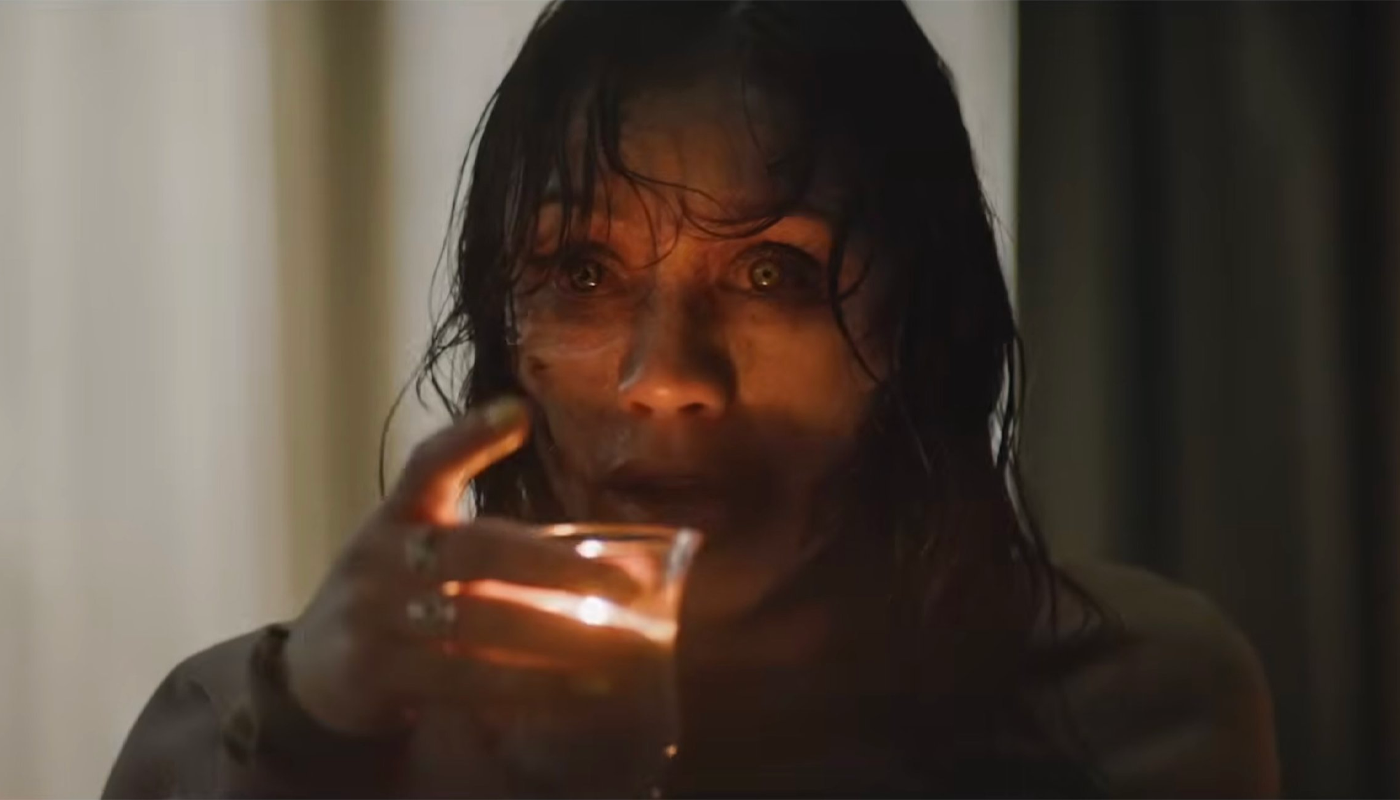
Simply put, an Evil Dead film’s essence being split into three categories, humor, cruelty, and originality, can lay a groundwork for what future creatives can work from. Lacking one of those elements can stray you away from the franchise formula and into a different territory altogether. What Evil Dead Burn lacked in humor and originality should set an example going into 2028’s Evil Dead Wrath, a period piece set in 1972. Many different examples for stellar franchise performances exist, with Evil Dead Rise serving as the most recent example of balancing this trifecta. What future installments need to understand is that without all components, the foundation cracks.