'Pluribus' Cinematographer Marshall Adams on Defining the Perspectives and Visual Identity of The Unique Dystopian Series
the ace cinematographer opens up about his latest collaboration with showrunner extraordinaire, vince gilligan
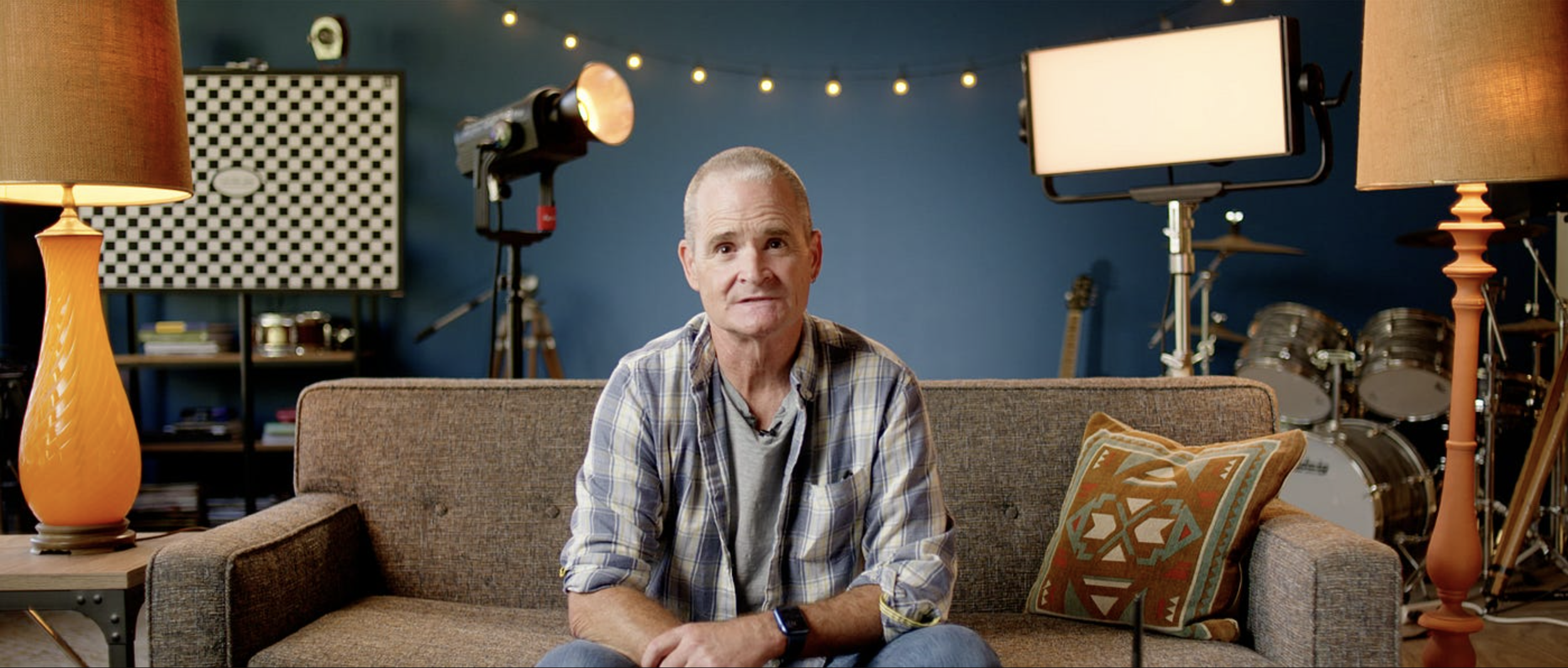
Cinematographer Marshall Adams is behind some of modern television’s most iconic and celebrated images, having worked with fellow greats like Vince Gilligan and M. Night Shyamalan to create jaw-dropping images that not only look great in isolation, but tell lots of important stories on their own, bolstering the more visual mode of storytelling. Adams reteamed with Gilligan with the new series Pluribus, a new kind of grounded sci-fi story. The Albuquerque-set series follows science-fiction author Carol Sturka (Rhea Seehorn) as she navigates a frustrating life as one of a few unaffected humans after an alien hive mind takes over Earth’s population, and boasts striking imagery of this strange new world that unfolds in familiar territory. Marshall spoke with FilmSpeak about creating the visual identity of Pluribus, and how he went about using new locations and character perspectives to anchor the series visually.
FS: I’d love to start by talking about your initial exposure to Pluribus. What were the first conversations like with Vince, and did you have any sort of instinctual ideas of what the show would look like visually? I say this because it’s such an audacious show, it’s something we really haven’t seen before.
MA: You know, Vince is very involved in the look of the show, and those preconceived ideas are kind of like the look we went with, but a lot of it had to do with the colour timing. Obviously, Vince’s style is very planted in feature-style, in the ways that it’s much wider than most TV shows. Yeah, we definitely had some preconceived ideas, but we shot a lot of tests, and it’s kind of hard to remember what the original ideas were, other than the fact that we wanted to stay a little bit within our existing visual style, but also introduce something new. That was able to happen because of the independence of having the cul-de-sac built, etcetera.
FS: I’d love for you to walk through creating the pilot of this series. There’s such an onus on any TV pilot, but especially this one, because you’re introducing a whole cataclysmic event, but shooting it through a very personal perspective with Carol, with everything that happens in the bar, or the truck. What was it like conceptualizing these set pieces and then shooting them for the final product?
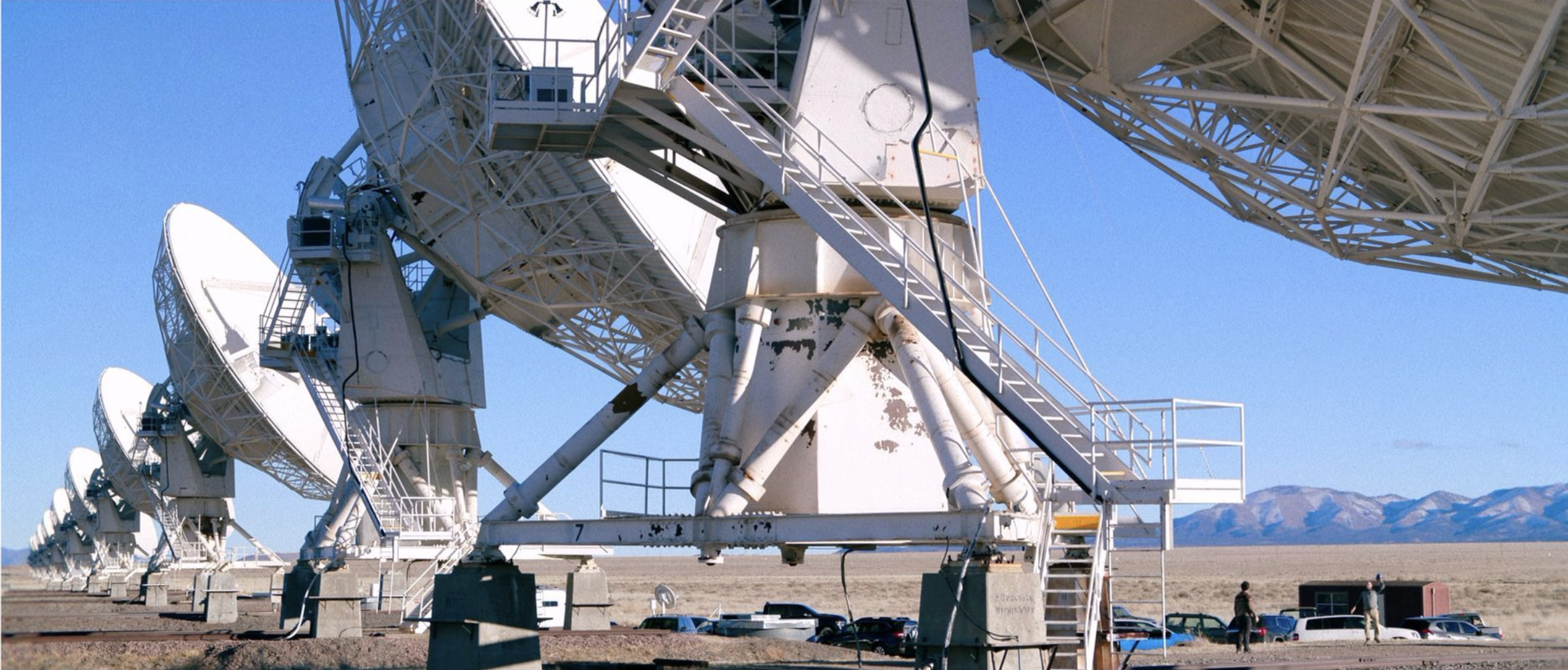
MA: One of the [set pieces] I think we started with was the VLA, very large array, and that was just an enormous undertaking, because originally we weren’t supposed to have any radio or radio frequency, we weren’t supposed to be anywhere near them. That was, until eventually, it got to the point where we bought them out so we could shut them down, and the shack that they’re in. We had to avoid the VLA building, so that we didn’t expose the fact that they had a building like that, (laughs) that shack. I went out there a number of times with Vince on the exact spot that we wanted, so that we had views out of both windows of the array, so, it was just the enormity of it all, how to light it at night, it was pretty involved. Luckily, we had a lot of prep, we looked at locations literally every day, the cul-de-sac was under construction, going up there and finding what angles we were going to have inside the house, how to stage, etcetera. Just pulling everything together, it was very large, and the other one was the famous ‘Scene 46,’ the big oner where [Carol] drives the truck, that was an idea Vince had early on, and once we had the location, there was a lot involved…we ended up using practical lighting with the street lights that were there, we wanted the camera both close and wide on her, and to avoid having camera shadows constantly. So, I built a whole LED projection system that rode on top of that truck, so that she was lit from a live video image coming from that screen, and then I blocked off the top and basically got all of the light without getting any camera shadows or difficulties.
FS: I was just about to ask about that oner specifically, because it’s just so impressive. Segueing from that, you mentioned the cul-de-sac earlier, and it can become so ominous, at first, because with the ‘We’ hivemind, we at first kind of see them from an insular perspective, in Carol’s neighbourhood, forming up, shot widely from a distance. I’m wondering how you went about atmospherically representing this ominous nature of the entity beyond the amount of people in frame that it controls, because it’s not just there in terms of the extras, but also the camera.
MA: The big thing is we were really anchored with [Carol] throughout that journey. It’s very ominous at first, and it gets even more ominous as it goes on and progresses, until you realize, maybe I should be looking at this from somebody else’s point of view. She is really angry and upset. That was the big one visually, we were anchored with her, it was about her story, seeing it from her perspective. When the kids show up, being wide on them, not getting intimate so we didn’t start to feel like these people were ok yet.
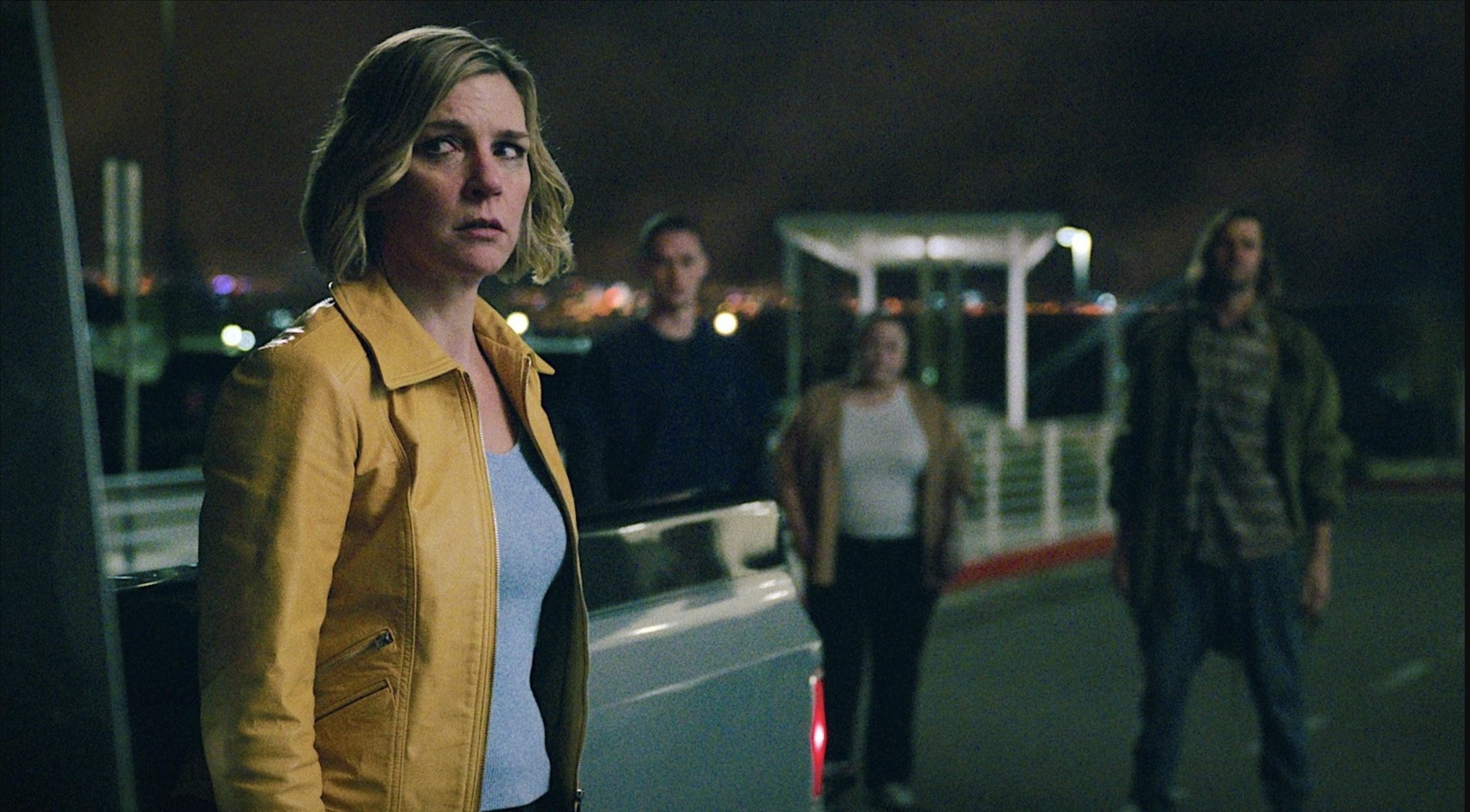
FS: On a similar note, there’s a scene constructed at the end of episode four, where the hivemind is not as welcoming, and is more apprehensive of Carol as they surround her and Zosia (Karolina Wydra) outside the hospital. What was it like to create that scene?
MA: Again, we were just anchored with [Carol]. All of those people approaching, and the drone shots from above, seeing the people kind of come in. In episode 4, the idea was that they were ominous, definitely protecting themselves. Then, as you look back at it, you see they were asking permission, and all of the things that you realize later on, made them viable, and in a sense, at her mercy. To the point where they feel that for their safety, they have to retreat. Again, it was all anchored with Carol, and Zosia to an extent… I actually built the whole scene in 3D, so we could figure out how many people we needed, because without a large group of people gathering around, figuring out how many people you need, it’s very hard to guestimate that. I literally scanned my first assistant director, and put him all the way around in these circles, just to count the number of people we were going to need.
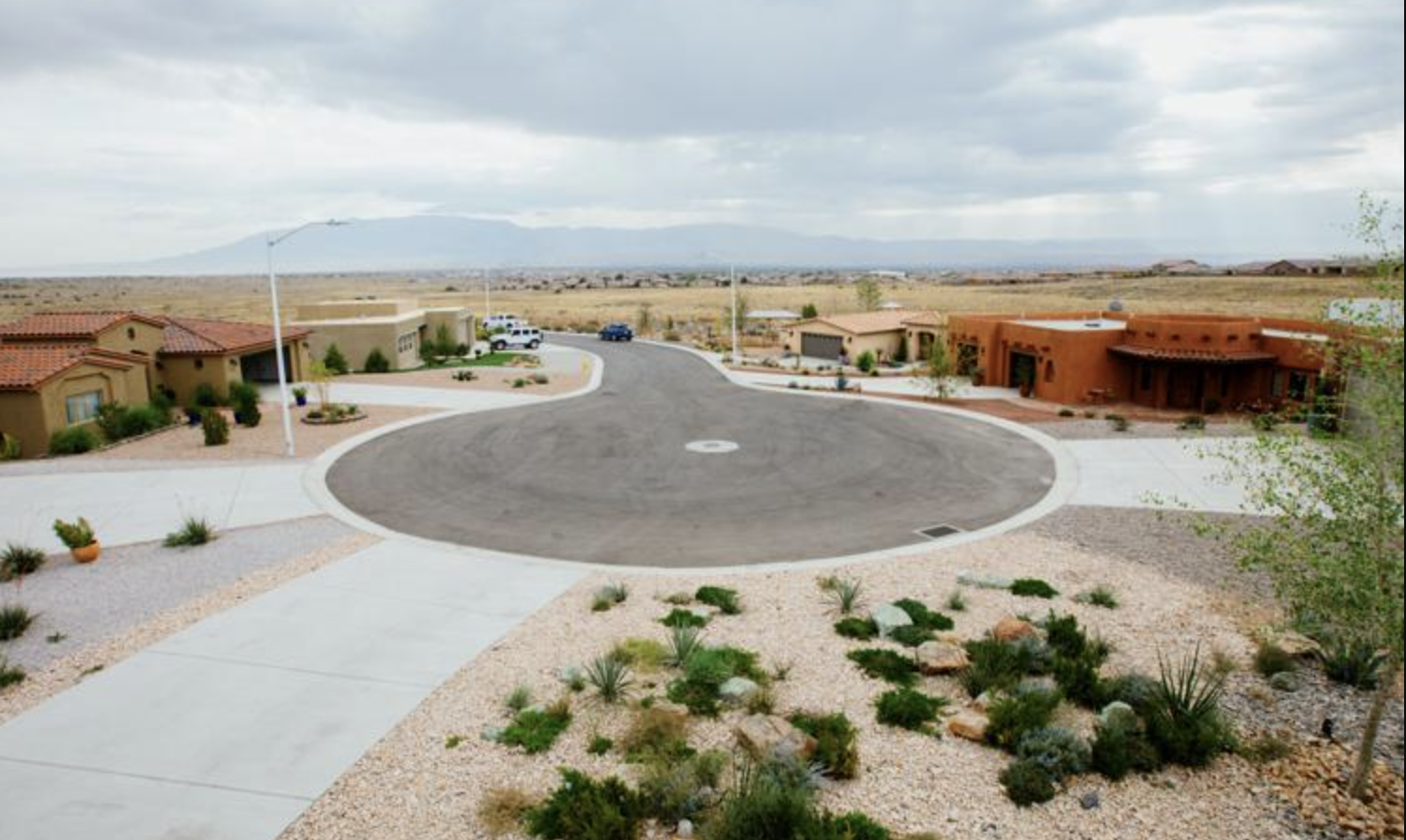
FS: Pluribus represents a return to Albuquerque for both yourself and Vince, but the location is shot in a much more different way. You still get these wide angles, some of the natural lighting and location stuff, but we also get a lot more indoors, and different locations. What was it like to shoot this familiar location in a different way?
MA: That’s the thing about Albuquerque, you never seem to run out of it. Every time we think we’ve shot it all, there’s a million new locations that the location department finds, and you know, it’s a very different story. It’s more scientific, especially at the beginning, and the place where the airplane was hanging off the roof, all different locations. Very different parts of Albuquerque, as a matter of fact, they were new-ish, so lots of new places to explore. I think it was a very intentional move on Vince’s part to kind of open it up, and give it a breath. One of the things that both Vince and I are believers in is that you shouldn’t be trying to create tension with the camera, camera moves, camera sizes. I mean, the shots can absolutely kind of tell a story, but to create tension through moves, or handheld photography, it’s just not something that’s in us. So, it leads us to looking for new ways to create tension, and one of the things of the wide aspect ratio, 2:39:1, allows you to fit a lot of things in the frame, because there’s a lot more room.
FS: Episode two starts off in Morocco, and it’s visually unlike anything we’ve seen in your prior work. The atmosphere is very weird, it’s very big, and you’re aksing these questions, ‘Who is this woman, why is she in this plane?’. Though it’s a desert environment, it’s unlike anything we’ve seen in one of these shows before.
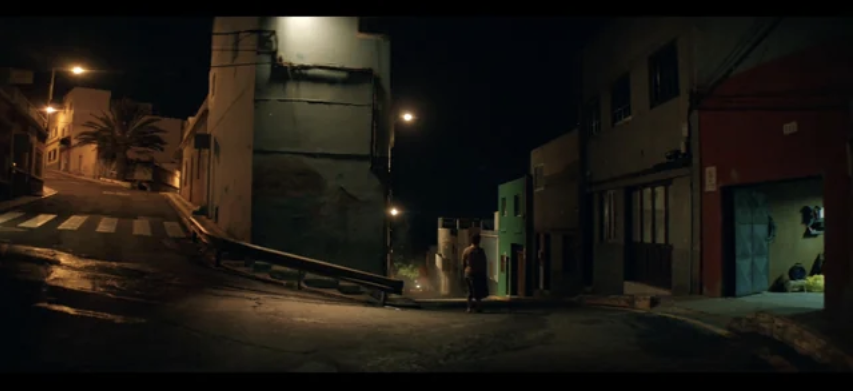
MA: It was [Zosia’s] introduction scene, and you’re really trying to figure out who this woman was, and what she was up to, pulling a body out of a car, driving a scooter down the road, people are ducking in and out, what is happening? It’s informing us what the hive mind is truly about. That was a location that was intentionally chosen to look like Morocco, it was actually in Gran Canaria, in the Canary Islands, at the very very tip top of a hill, above the banana fields there. It was a beautiful, beautiful location. There’s an old fort, a 400 year-old fort, on the island, that was right near and we had to try to avoid it, but it was such a cool location and experience. There was a big building that was demolished nearby, and the foundation was there, so it was four stories into the ground, we had to keep everybody away and from getting too close to it (laughs). It just had to much to give, visually. It was really an interesting space.
FS: I’ll end a more fun question. Let’s imagine, you, Marshall, were in the world of Pluribus, unaffected by the hive mind. If you had the offer from the hive, to get infinite resources, is there a shot or scene in this show, or your career that you would redo, with something like an IMAX camera or more prep time for instance?
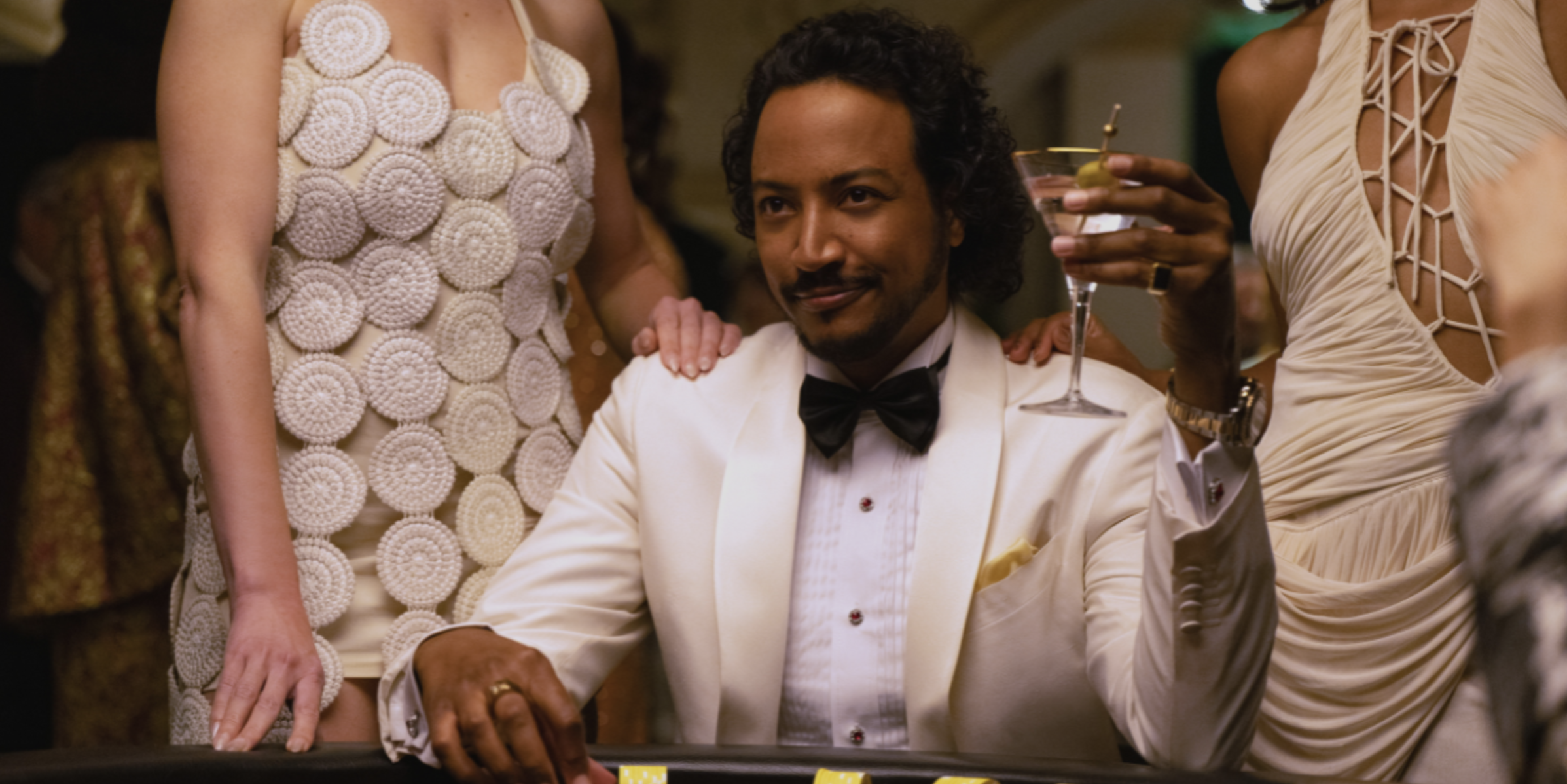
MA: Maybe. We shoot in large format, with a lot of control of the depth of field, it’s a good sized image. Very proud of it, definitely. Maybe the scene in episode six, where we re-introduce Samba, (actor Samba Schutte, playing the character of Koumba Diabaté in the series). That opening oner, I would love to try to do that again. I’m very proud of it, and I think it turned out great, but there are little things about that I’d like to tweak and change, but it was so much fun. We spent a day rehearsing while we were shooting in the other suite next door, getting that scene together. It turned our great, and [Samba] is such a pleasure to watch.