
Generation Azeez: How ‘The Pitt’s Shabana Azeez is Speaking Up For Healthcare Workers and Generation Z
Playing the mega-hit’s wunderkind has also given actor Shabana Azeez and her character Victoria Javadi the added responsibility of representing the social gen z earthquake taking place in the world today.
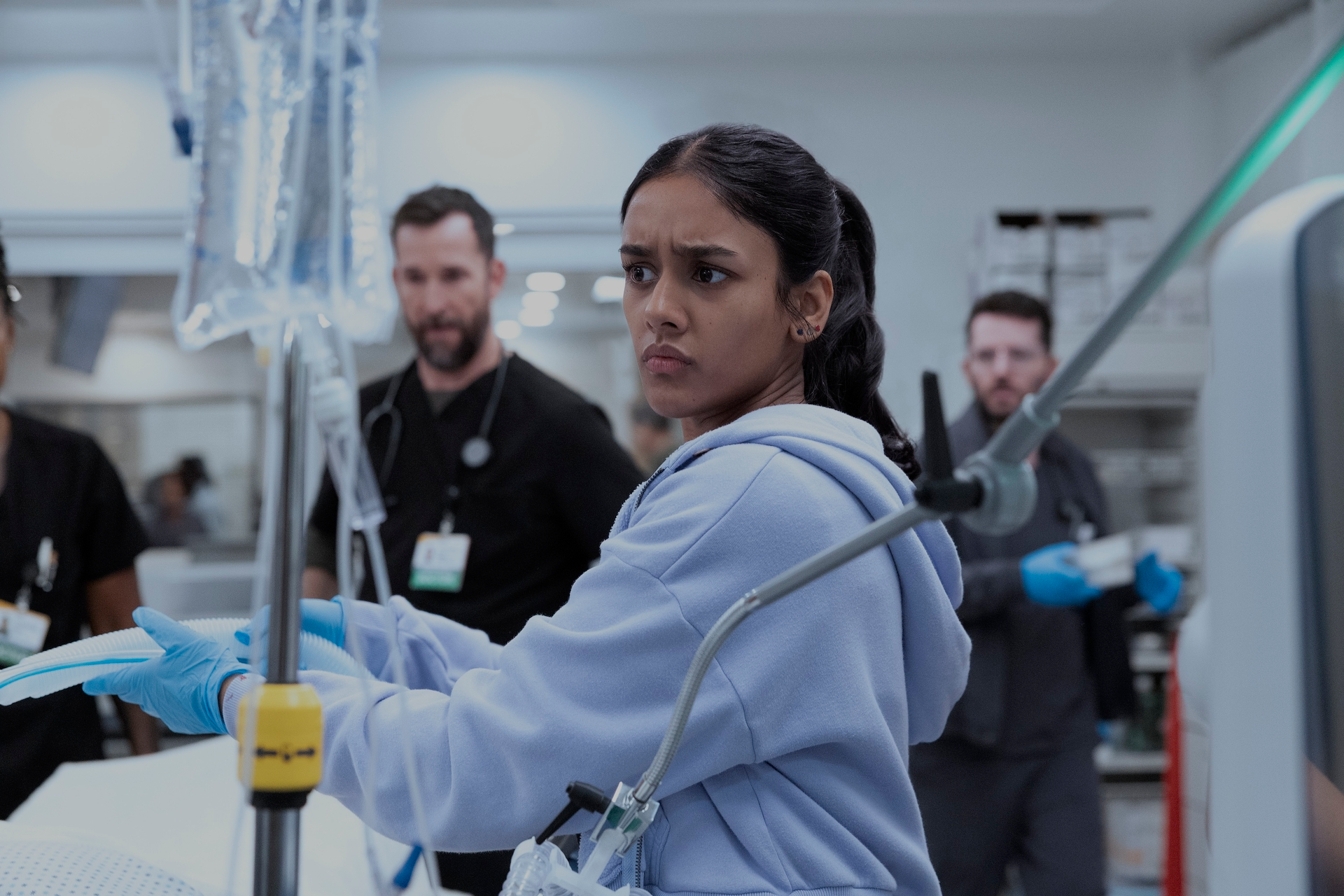
It’s not enough for an actor to be a perfectly crafted cog in a well-oiled machine such as HBO Max’s ‘The Pitt’. That would be difficult enough. It’s not enough for that actor to play a character almost 10 years younger than she is with believability and credibility. It’s not enough to play a brilliant youth with such empathy that she’s become a fan-favorite in what is arguably the hottest show on television today. No, Shabana Azeez has to add ‘advocate’ to her list of accomplishments when it comes to what she’s been able to achieve due to her role as Victoria Javadi.
It may not have been something that she, or the showrunners set out to accomplish just a couple of short years ago when the show hit airwaves of the streaming giant. Not Azeez, specifically anyway. But the writing of the show has always contained extremely powerful messages. In a short time, they’ve dealt with depression, loss, family, representation, social and gender inequality and what mental health stressors in someone’s life can lead to, all in the guise of a wonderfully crafted show with characters one can easily connect with.
Yet lost in the constant accolades and the gender, racial and social representation that the show touts, is how it has been successful across generations, and specifically how it has shown Generation Z, or those typically born between 1995 and 2012. They are the first truly ‘digital’ generation who have grown up with the internet as an established presence, and who use it perhaps more responsibly than any other previous generation to focus on mental health and awareness of important social issues. In fact in the season finale, Javadi specifically has a diatribe on the critical nature of mental health.
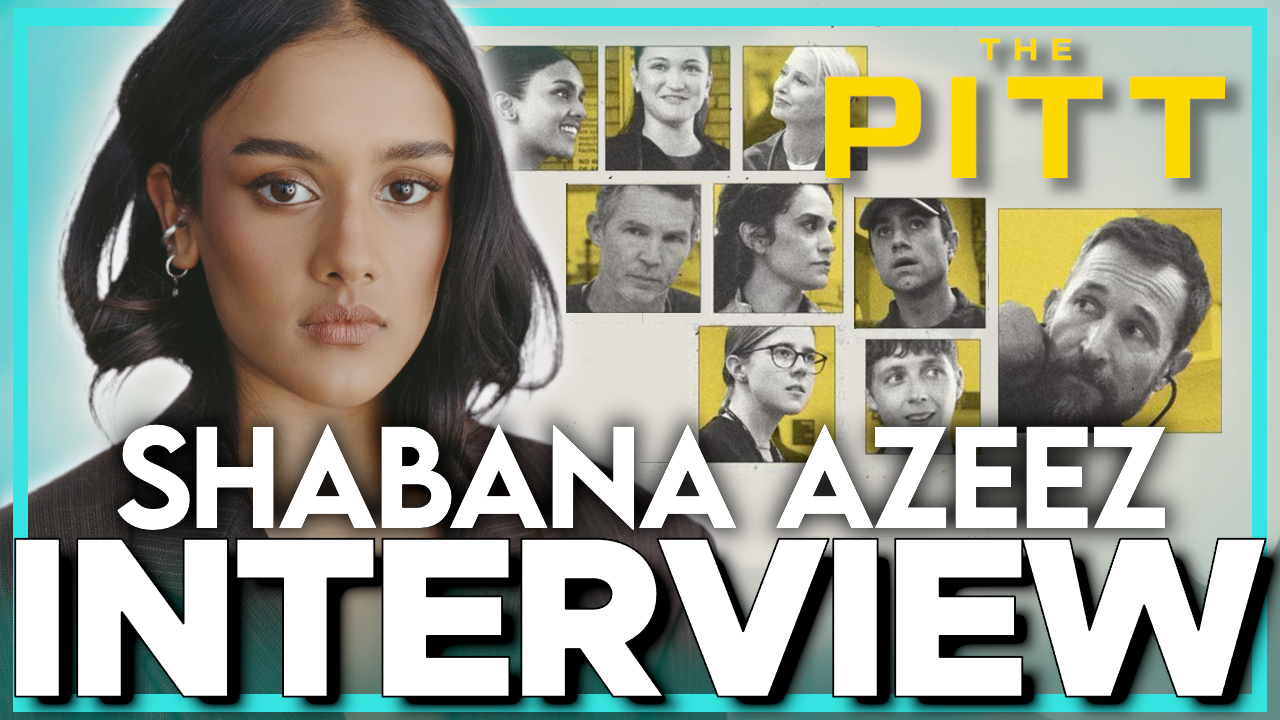
Check out the full video interview, below, or continue scrolling for the remainder of the article.
Javadi has been a major proponent of that, and the development of her online ‘Dr J’ persona this season has been a testament to that pragmatic approach to using digital tools such as TikTok. After the mass casualty event of season 1, Javadi created her platform and the character became even more of a role model to those younger viewers, especially when it comes to the internet being more than simple socialization as it is for older generations, it becomes a true community.
“For me, I'd like to think of it as The Pitt raising awareness of what it's like to be a first-responder, or a frontline worker in a mass casualty event,” tells Azeez. “It's post-mass casualty, so she's saying to herself, ‘This was horrifying. What have I experienced?’ So she goes to the internet. She's a very lonely person who doesn't have a massive community in real life, and this helps her find her community. She spent so much of her life trying to fit in, and online, I think she finds or cultivates a space in which she belongs, without needing to fit in and change herself. She just can show up, broken from the mass casualty, traumatized and find people who truly see her.”
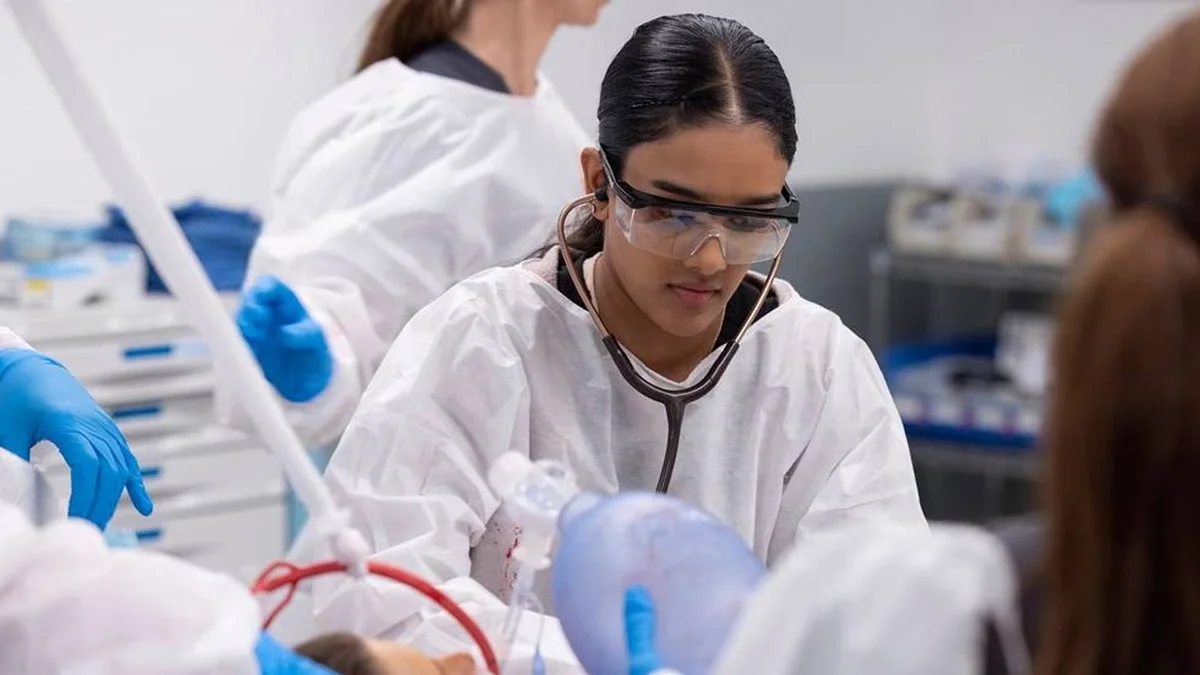
If you’re of a previous generation, like this writer is, and truly only understand mostly the negative aspects of the internet, take solace that you’re not alone. As mentioned, that sense of community is something the younger generations can create effortlessly. “I think it becomes a situation where we ask ‘how do we all help each other through things like this?’ Azeez questions. “…and Javadi has a really complex relationship with her mental health, so I think that it becomes a space to disclose this collective trauma from her side.
Digital platforms such as TikTok have certainly changed since the early days of MySpace - yes, they’re still created under the guise of finding kinship, but Azeez wants those of us with a 19 in our birth year to know that Gen Z’s relationship to the internet is very different.
“I can be quite doom and gloom about the internet,” Azeez admits. “I sometimes want to tell people ‘get off your phones and see the world and read a book and hug a tree’. But I think that there's a lot of good we can do with technology. I think if we become sort of doom and gloom about it, and we think ‘it's all bad’, we defer our power to tech giants, and allow them to decide what we do with technology as opposed to us using this resource to help people to be genuine.”
The storyline that was created this season surrounding Javadi and her ‘Doctor J’ online persona came to a head recently when she was caught creating a TikTok message for her followers. Her attending, Dr. Robby (Noah Wyle), notably a Gen Xer automatically assumed the worst, that this was simply for clout or attention. ‘Influencer’ was even tossed around in a derogatory fashion by Javadi’s ED rival Ogilvie (Lucas Iverson) at one point but influencer does not need to be used mockingly or in a negative fashion. There are those on social media that can make real change.
“I think that [Javadi’s] TikToks are really unfiltered. They're not curated. When I was younger, the internet was more curated. Instagram was more about looking good, but I think there's something about Victoria and how she uses her TikToks very - It's not glamorizing anything.” In fact, those who have been paying attention closely, Javadi’s been using her platform to help people. It’s about self care, and was even a key plot point when ICE infiltrated The Pitt this season, caused nothing but disruption and ended up arresting Nurse Jesse (Ned Brower). Robby at one point calls Victoria back into the ED as she was following the ICE agents trying to get more information, but again, Robby simply thought it was for traffic.
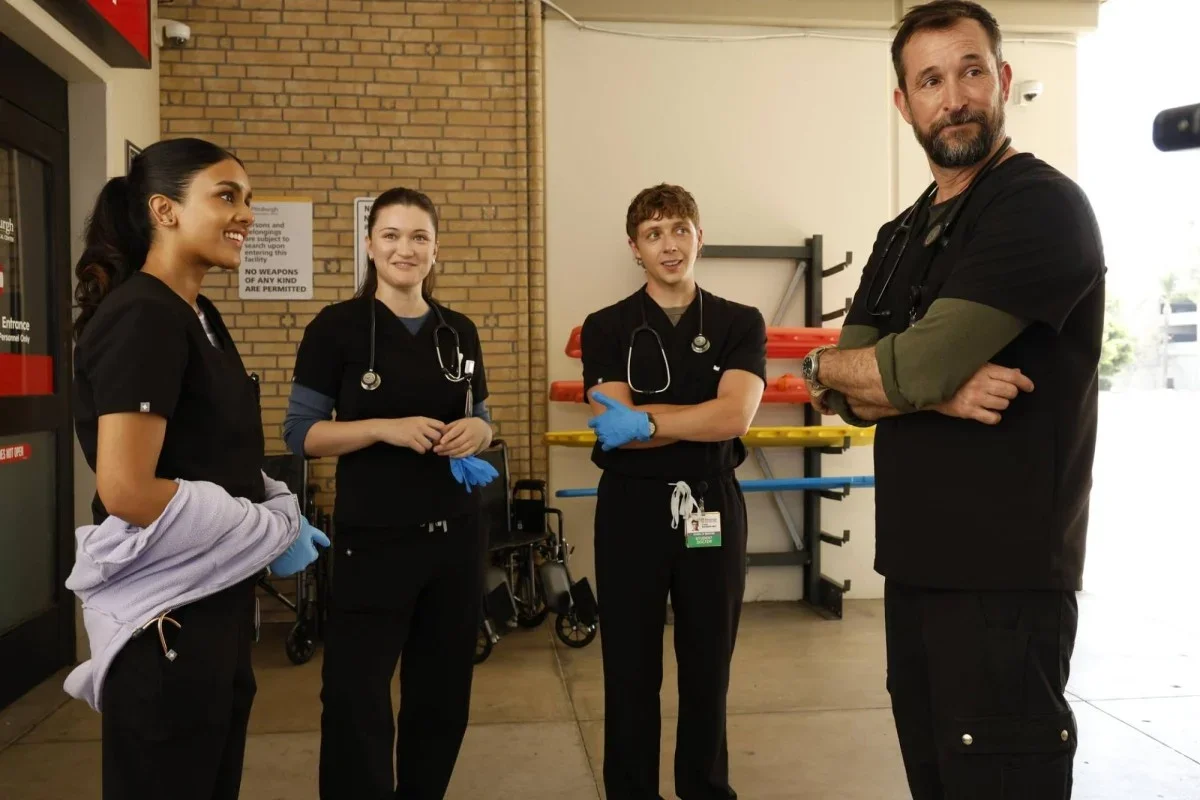
For many within this generation, it’s more than simply finding kinship, more than helping others, or more than clout, it’s at times the only time they feel heard. Javadi has for two seasons now been fighting to be heard with all the parental figures she’s been collecting over the life of the show. Her mother, Dr. Eileen Shamsi (Deepti Gupta) has been pressuring her ever since we met her in the first episode, and even after Victoria stood up for herself, her parents seem to be pressuring her into going down a path that perhaps she doesn’t want to go down.
“I feel like with her mum, she will say something and her mum will respond as if she said something else.” Azeez’s expressive eyes become a little more sullen, as she contemplates what many kids must be going through. Even when her father, the senior Dr. Javadi (played by Usman Ally) approaches her with a much more supportive tone, it’s still an awkward place for Victoria. “Even with her dad, there's a scene where he comes down and says, ‘I know you'll do the right thing, you always do.’ But that was a painful moment because of course I know what you mean dad and of course I want to make you proud, but also I haven't done what's best for me all the time, which is why I'm here. I don't know what's best for me. So I think the internet is a place where nobody has a stake in what she should do, what is the right thing for her to do. The internet is agentic for her. I think this is like somebody taking power into their own hands and thinking, maybe I can't change the system at large, but at least I can help myself.”
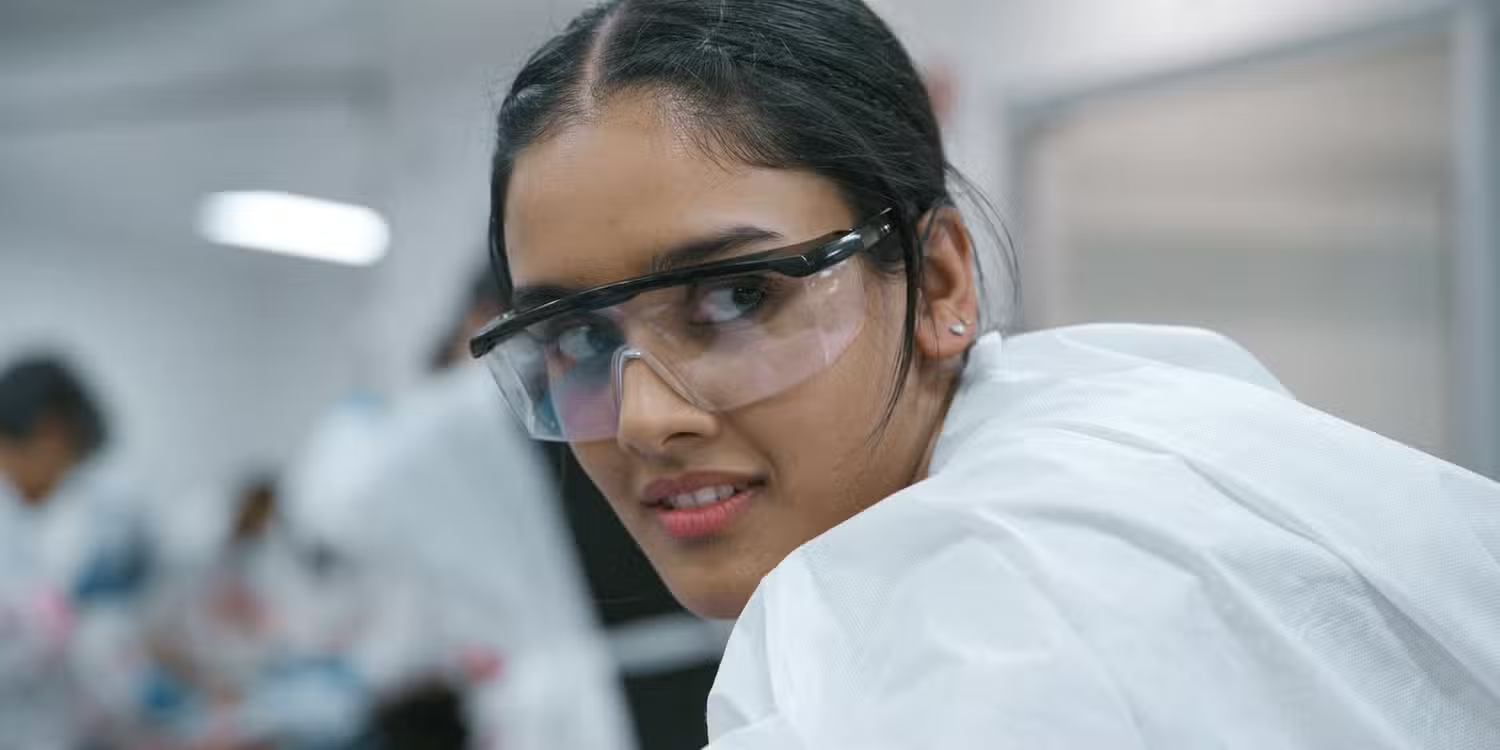
That agency is perhaps one of the most effective consequences of the entire second season. Victoria grows quite a bit. We can see her as a positive influence on this world, which is ultimately how we should view all those who are frontline workers in the healthcare industry. Worldwide, they deserve our respect and they deserve recognition. The truth is, as much as Azeez may see it that Victoria believes she can’t necessarily change the system, when it comes to the show, they are making a change.
When it’s all said and done, what does Azeez want to be her legacy from her time on the show? How does she know she’s accomplished something that will really make a difference?
“I just want med students to be able to like tune in on their worst day of med school and watch Victoria and feel better about themselves.” Azeez admits. “It means so much for the healthcare workers to feel seen by the show, or to feel like they can communicate with their friends and family better about their experiences because of the show.”
Azeez at this point has to wipe tears from those very expressive eyes of her. She discloses that she often thinks of the pressure these people are under, and knows from researching the show, and experience just how stressful the profession can be, especially for her fellow Gen Z members.
“I just really want med students to feel like they don't have to be so perfect. That there's representation where Victoria falls down, and falls down, and falls down and just gets back up and gets back up and gets back up. Even if her failures are real, like crying in front of patients - that those aren't little failures. That’s a big day and it’s difficult to deal with. I hope that they feel seen and understood.”