The Cast and Director Behind 'Mile End Kicks' Discuss Their New Montreal Music Comedy
the film’s director Chandler Levack and Actors Barbie Ferreira and Devon Bostick talk translating personal experiences, inhabiting 2011 montreal, and more.
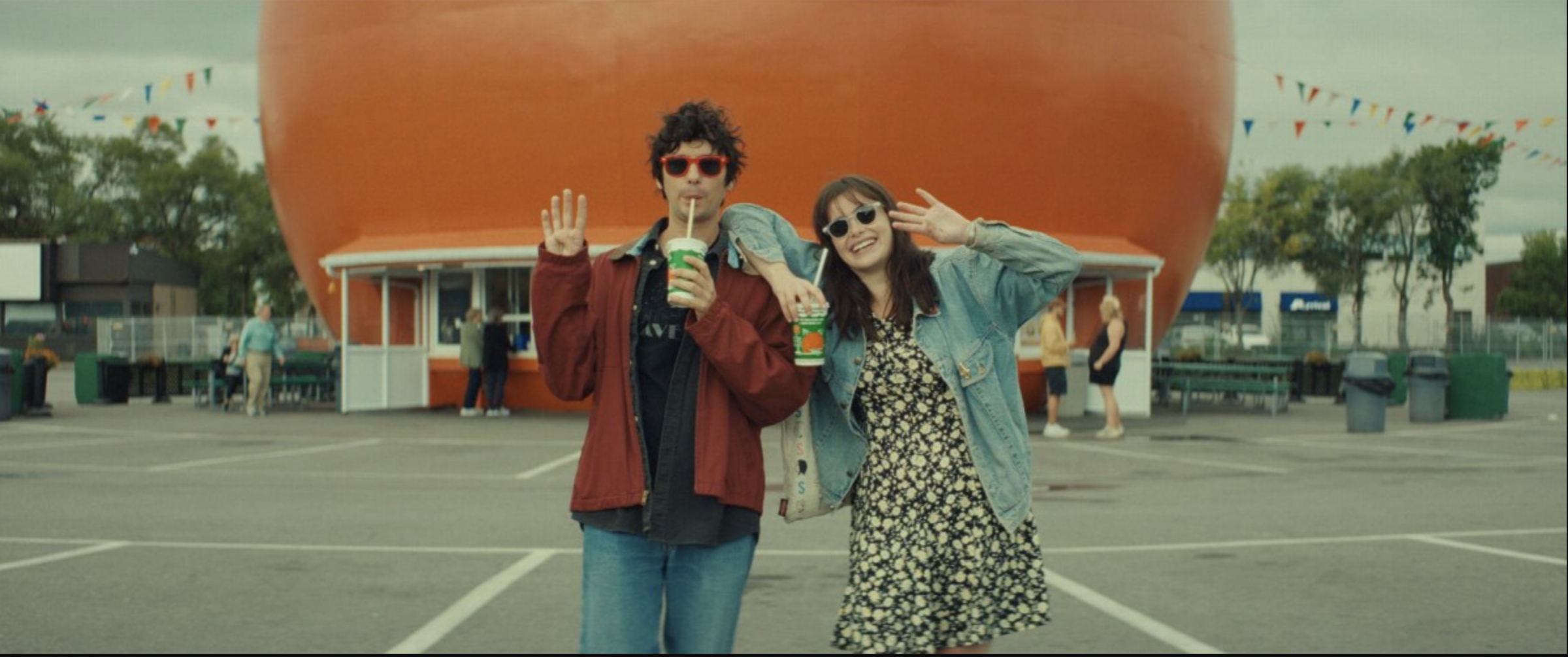
Mile End Kicks heralds a very exciting moment for Canadian cinema. The sophomore feature outing of multi-hyphenate Chandler Levack, Mile End Kicks is a not so distant period piece that inhabits the Montreal music scene circa 2011, and follows Grace Pine (Barbie Ferreira), a Ontario music critic who moves to Montreal with a set of goals, to immerse herself in the music scene, and most importantly, to write about the great Alanis Morissette’s album ‘Jagged Little Pill’. During her time, she finds herself overextended; caught in a ‘love triangle’ with two members of the same band, struggling to make rent each month, and even grow as a person. The film is a deeply personal one for Levack, who poured her own experiences into the film, and got to reflect on that process alongside cast members Ferreira and Devon Bostick, (who plays drummer and love interest Archie) in their respective interviews with FilmSpeak.
Coincidentally enough, Mile End Kicks, a very personal film for Chandler, is set to release on April 17th 2026, the same day as her third feature film, Roommates, a Netflix-backed college comedy with a much more splashy cast of rising stars including the likes of the Sadie Sandler, Chloe East, and Storm Reid amongst many others, which she did not have a hand in writing. Levack discussed her headspace with the rare privilege of releasing two very different films on the same day.
Be sure to check out the full interview below, or continue scrolling for the remainder of the article:
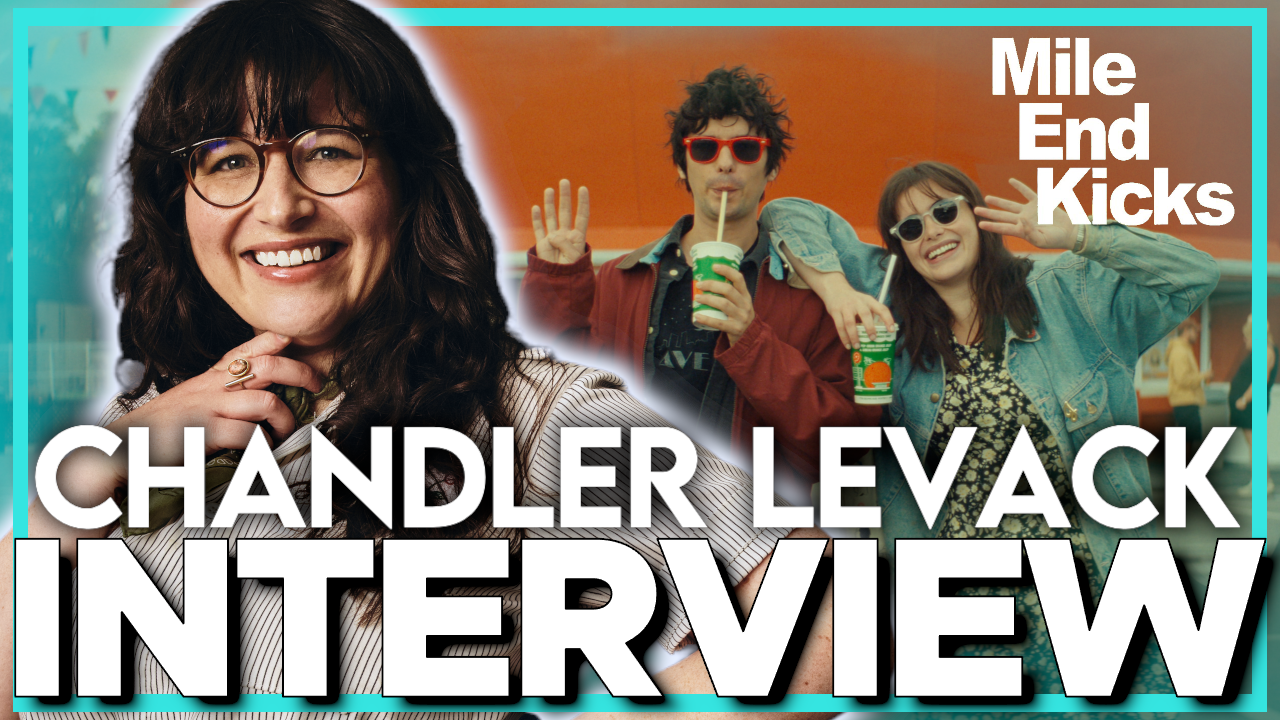
Chandler Levack: “One could not be more of a personal 12 year labour of love, and then the other one is like this crazy studio movie that I made in, like, less than, like, in, like, 10 months, we finished the film from beginning to end. So, yeah, I mean, both have been really incredibly fascinating, you know, deeply formative experiences for me, but it kind of makes sense. I got the job to direct Roommates while I was in the edit for Mile End Kicks, and I was scouting frat houses in New Jersey, and then on my lunch break, I would have to do the color correct, and kind of zoom in from an iPad in, like, the middle of suburban New Jersey. Then, we were shooting [Roommates], and I would have to fly back to Toronto for the sound mix [for Mile End]. It was really crazy, and I feel like both films kind of did happen at the same time in some ways. So it makes sense in a weird way, that they're coming out on the same day.”
As mentioned, Mile End Kicks has been permeating in Levack’s life for some time, and she reflected on what the biggest changes were from the project’s initial iterations to the final cut.
CL: “I mean, a lot of stuff is very similar. There's definitely, like, lines and jokes and moments in the film that have been there since, like, the very beginning of the first draft. But, I mean, I wrote the film over a decade, and, god, I've probably done, like 60 drafts of the screenplay or more, and I think it just got, like, deeper, like, I think the character of Grace became more nuanced, she became less of a victim, she had a lot more agency. Her actions, and what was kind of going on underneath the surface became more of a reclamation at the end, the power of her telling her own story and actually acknowledging what happened to her and how it affected her. So it was kind of exciting to see, like, the character kind of come more into their own as it progressed.”
Much of the movie pertains to personal creation and Grace trying to find her own identity. The creative team reflected on the conversations they had with one another when it came to inhabiting a fictionalized version of Levack’s story, and how Ferreira and Bostick’s own experience in arts spaces in the 2010’s informed their characters in the film.
CL: “I mean, it's exciting, and it's scary. I mean, I think it's funny, because I feel like as filmmakers, sometimes, you just want to hide behind the movie and be like, the movie did it all, like, I don't have to say anything, I made this film for you, and you can just watch it. But, you know, in collaboration, you have to talk to every person, and every aspect of the script and story is going to be analyzed from a multitude of perspectives, whether it's what kind of vibrator to get as a prop, or, how to block a sex scene, or, you know, emotional kind of arc of someone's story. So, I think for me, because I've been wanting to make this film for 10 years, it felt a lot lonelier and also a lot more exciting when I got to have, like, all of these great collaborators on board that also were infusing their own perspectives and ideas into the film. Like, my really brilliant cinematographer, Jeremy Cox, who's from Vancouver, and he'd never lived in Montreal before, and so to have his gaze and his eye on the city was just completely invaluable. Or, you know, my production designer, Jess Hart, who's half Quebecois and half Anglophone, and so really understood nuances in the story that I hadn't known before, and was like, ‘Oh yeah, like, my bedroom looks like this, and I'm gonna get this thing from this thrift shop, and put it in there,’ and it would change everything. Then also just the actors. Having Barbie, and Devon and Stanley Simons, Juliette Gariépy, Isaiah Lehtinen and Jay Baruchel like, all kind of, bringing all of these different new layers and ideas to these characters. It was just really extraordinary to kind of see their takes on everything, and especially the actors becoming a band, Bone Patrol, and, seeing them practice and perform the songs live, it was just… it was really exciting.”
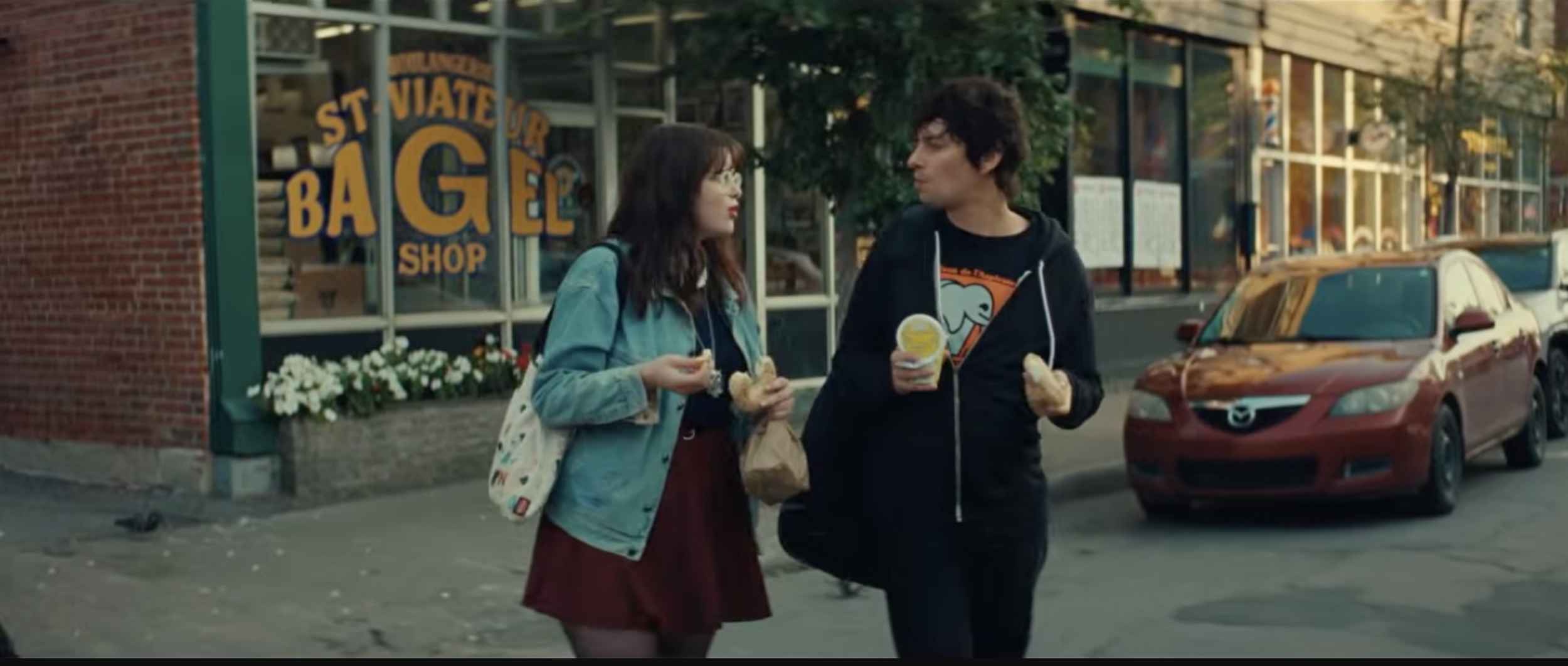
Barbie Ferreira: “I was playing a version of Chandler, so I was also alive in 2011… for me it was really about bringing this character to life and I’ve had the pleasure of [essentially] playing the director in the last few indies that I’ve done, in a way that I’m telling their story in some way, even if it’s not exactly them. I really got to bounce ideas off of Chandler, really talk to her about it. We were really in the period. We had the clothes on. Honestly, Montreal [still] kind of gives 2011 in that kind of fun way, where it’s that hipster paradise, creative paradise, and so it was just really fun. I think having all of these relics of technology too, walkie-talkie vapes, old laptops, it all just fell into place with that. I think with Mile End Kicks, what I really liked about the movie was that it was from a time when social media wasn’t so ubiquitous in the culture. It was messy. You didn’t have to have your phone out, you didn’t have to take the perfect picture. In fact, it was cool to have the grungy, nasty party pictures, and to be sweaty, having makeup all messy, your hair messy. I think what’s really good about is it’s a nostalgic time that’s also not too far away, where people were really able to express themselves without having to be put on social media.”
Devon Bostick: “The text is always so informative, it’s like your guide for everything, and obviously, talking with Chandler, or whomever the director is, is another big piece of it. Personally, I had the experience of existing in this time period… and I was the age of these characters when that was happening, so, it was kind of like doing the hard part first, which is trying to remember my life, and that was an easy kind of bounce point.”
As mentioned, Grace is a music critic/journalist, and a recurring motif through the film is Grace making notes, whether they are observational in the music sense, or personal notes which reflect her own goals and their proverbial goalposts shifting in tandem with the film’s narrative developments. Ferreira and Bostick reflected on their relationship to creating notes as actors, and how the very lived-in aesthetic of Mile End Kicks and its production made for a more ‘go with the flow’ vibe on set and with the performances.
DB: “I think this was really about keeping it as natural as possible, and letting everyone else be a fun character. If I can find the quietness of this guy who wants to blend into the background, that was kind of the key goal, while keeping it as sarcastic as possible. For me usually, it’s thinking about how [the character] sits, stands, walks, what their voice sounds like, these are usually where I come from, thinking about their essence before moving into the minute details.”
BF: “We did a lot of rehearsal for this… I [usually] write notes down, but once you’re in it, it completely changes. I do write little notes in my scripts, little things here and there… but at the end of the day, when you’re on location, with the actors and in the space, it just ends up changing. I try not to keep too rigid of notes in the performance space unless they’re really important, like what kind of ticks she might have… most of the time, things that just happen organically kind of take over.”
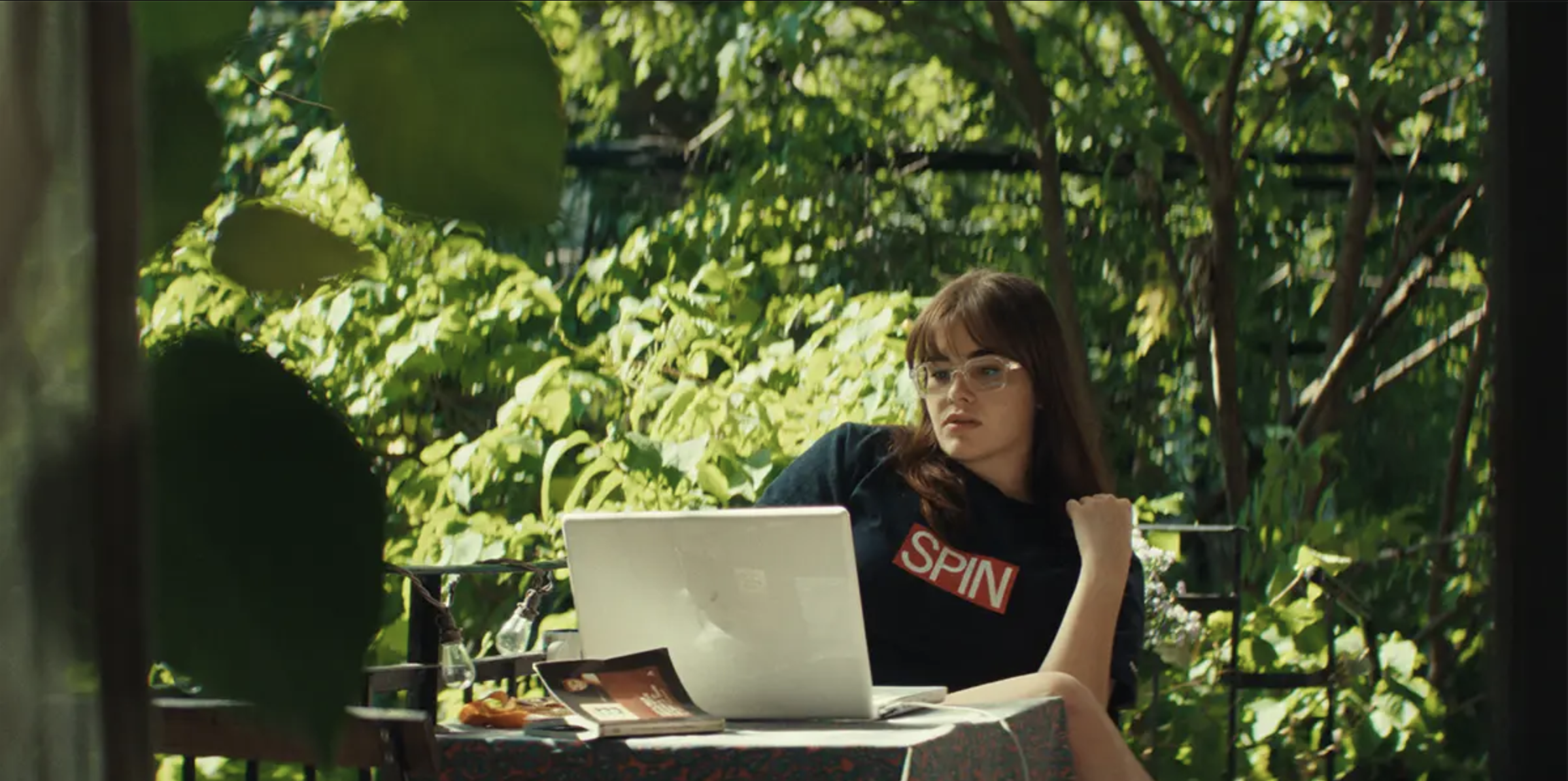
For a film with music at the centre, the film does not disappoint, featuring original songs from the in-movie bands, a plethora of ‘needle-drops,’ and moments of original score as well. Chandler Levack spoke about her approach to the role of both diegetic and non-diegetic music within the film, and how they work to bolster the film’s identity.
CL: Oh, God. I mean, I guess partially it was financial, because even though we have, like, 30 songs in the movie, it was hard… I just knew it was gonna be a movie that was just gonna be stuffed with music, right? Because you have the fictional band Bone Patrol performing real songs. You have Chevy's solo project and all the music that he performs by himself. You have two live performances from real bands of the Montreal era, Islands, who begin the film, and Dishwasher, who performs at the loft party. Then you have, like, 30 needle drops, and then you have score. A lot of the songs were written into the movie, like, the songs that I really wanted for the film. I love that scene where she's writing to Joanna Newsom, because I really wanted to reflect on what it was like for me when I was reviewing a record as the only person left in the office at 2 in the morning, you know, trying to meet a deadline, and just, like, how powerful and exciting it felt when you got, like, a record that you really loved in the mail that you knew that you were gonna be the person who was gonna get to write about it and hear it for the first time before anybody else. It was very, very exciting. Yeah, and then I think the score, which is by Cecile Believe, who's, like, a wonderful Montreal musician from that time, it really just, like, helps punctuate moments. It's kind of like the character's heartbeat or something… it gives, like, a sense of, like, tenderness to things, a poignancy that… and we wanted it to kind of stride this balance between, like, a kind of, like, Mac DiMarco-ish hangout sort of vibe, and then also maybe something like what Jon Brion does in his composing work.
A major theme in Mile End Kicks is the kind of urbanist utopia represented by 2011 Montreal, a place where young people could afford to live in art-centric neighbourhoods and foster cultures of their own within these kind of ‘third spaces,’ a far cry from the both past and present of Levack’s life in Ontario, and most of the world in general at the moment. Levack elaborated on how she feels that Generation Z has adopted moviegoing as a kind of ‘third space’ and social experience.
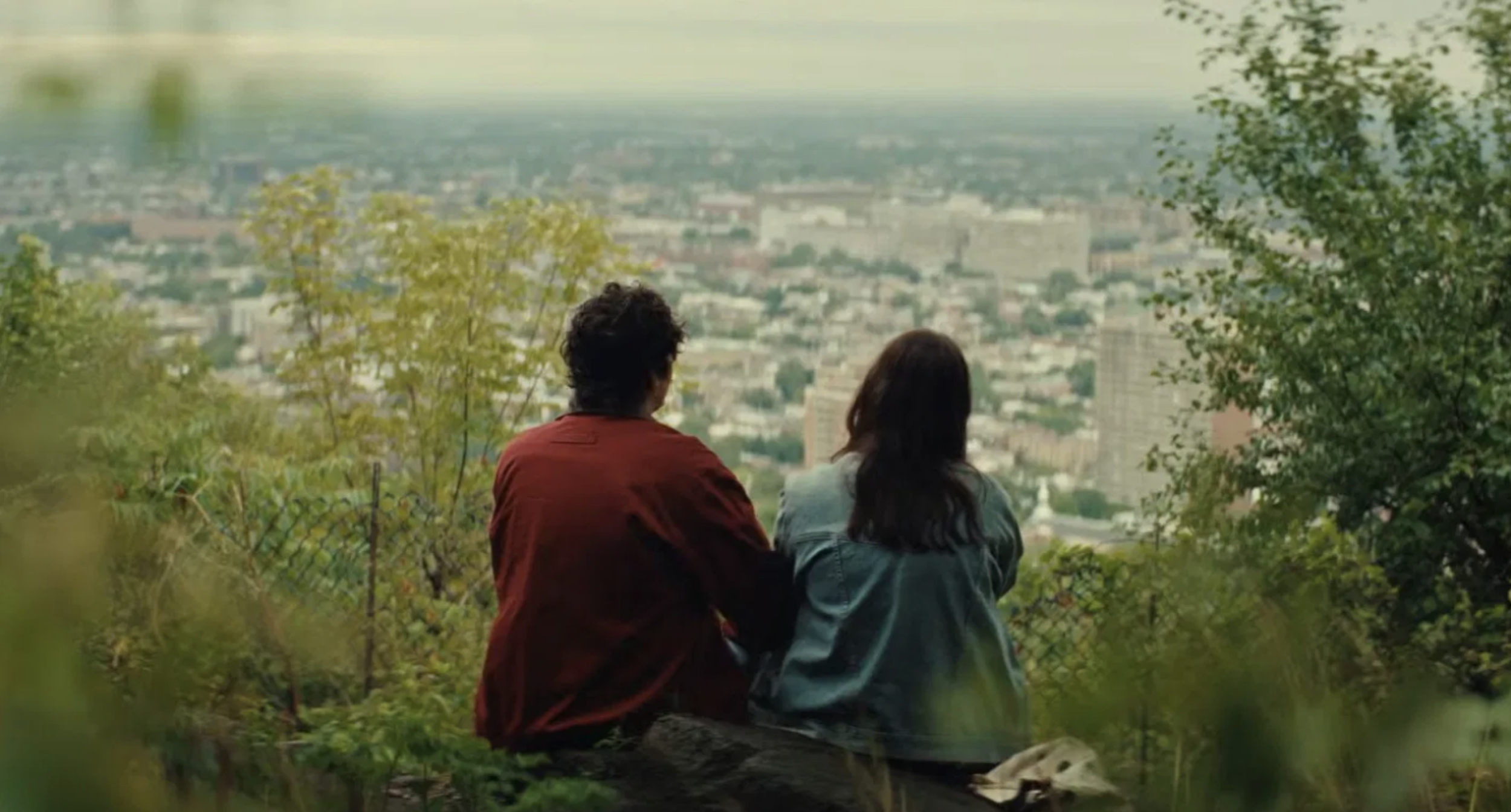
FilmSpeak: I appreciate for as character focused as this movie is, it also speaks to a specific moment and region and shows us a kind of bygone urban dream of younger people with more defined “third spaces” and neighbourhoods for young people, with reports showing that Gen Z has become the major moviegoing demographic, with cinemas as these kind of “third spaces”. I know it’s a pretty big topic, but I’m wondering what your thoughts on this kind of movement are as someone who’s been involved in so many arts spaces as a journalist, writer, director, so on and so forth, and how you think something like Mile End Kicks can further scratch that certain itch for people?
CL: “I mean, first of all, I always feel so excited when I go to revival screenings, you know, whether it's at the TIFF Lightbox or The Revue in Toronto… and I look around in the audience, and it’s like, everyone is under 25. It feels so exciting to me, I feel like Gen Z are the ones who are really gonna save cinema, and are excited about, seeing movies on 70mm and 35mm, and are really engaged with film, and so that makes me deeply excited. I taught a screenwriting class at the University of Toronto, last year. My students there were so brilliant, insightful, and passionate about cinema, and they've watched everything, and their references are so exciting, because they'll love One Piece, but also, like Robert Bresson's Pickpocket, or something [laughs]. So I think it's really, really exciting to me that that's, like, how Gen Z is thinking about cinema. But, yeah, I mean, I think that this film portrays, like, a more analog time in culture, where, you know, we didn't really have cell phones yet. There was no Instagram, nobody was documenting things. We were just kind of at the party. I miss, like, just being able to go to an event in, like, a warehouse and not living half of your life on your phone. You really need those third spaces to find each other, and make friends, and be messy, and, you know, that's how artistic communities thrive, is in, these real-world, independent art spaces.So I just hope that that continues. I hope Gen Z still wants to keep meeting in real life.”