'Omaha' Star John Magaro Discusses Preparation And Connection With His New Gut-Wrenching Family Drama
the accomplished character actor steps into a leading role in the indie drama ‘omaha’.
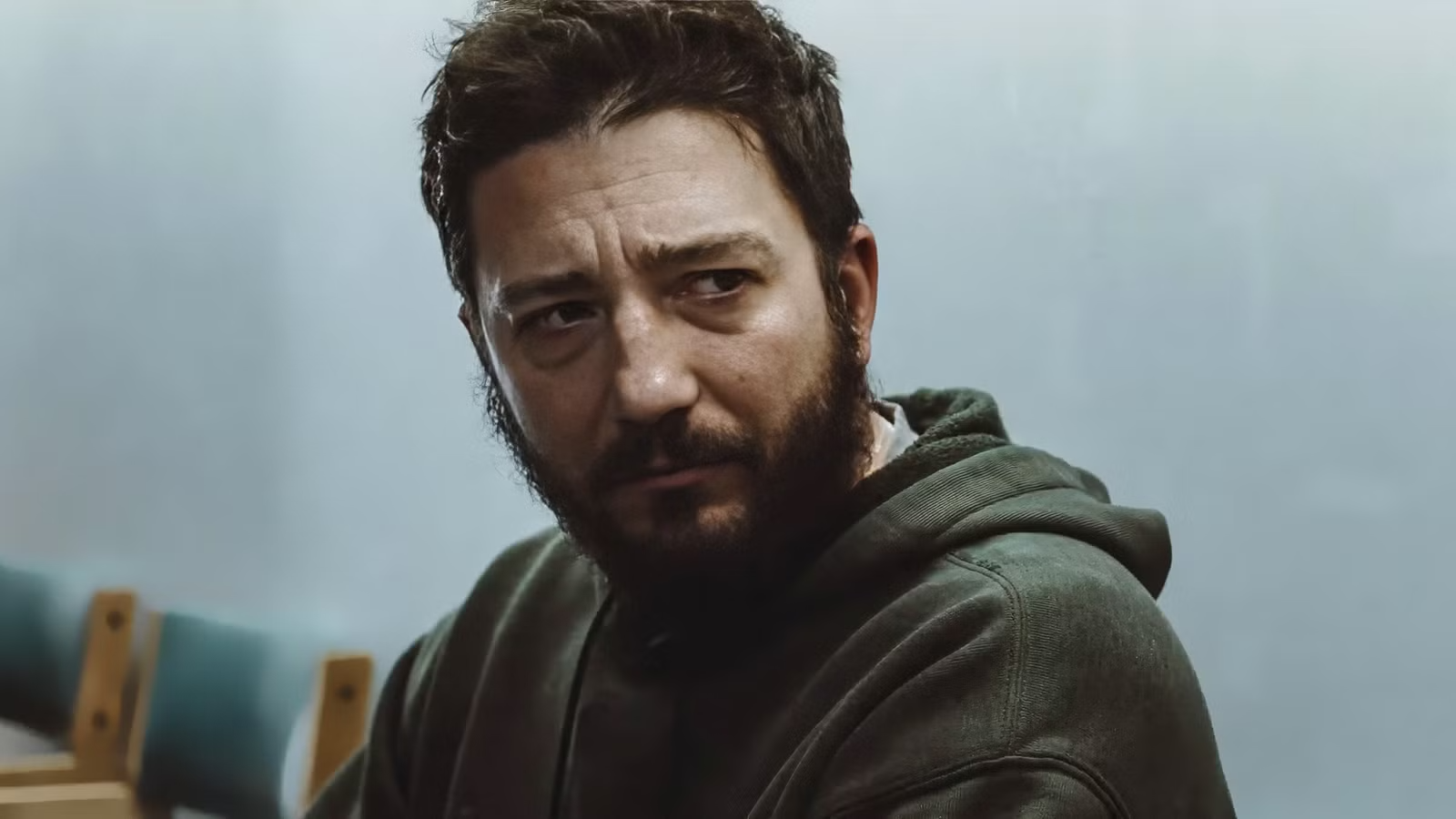
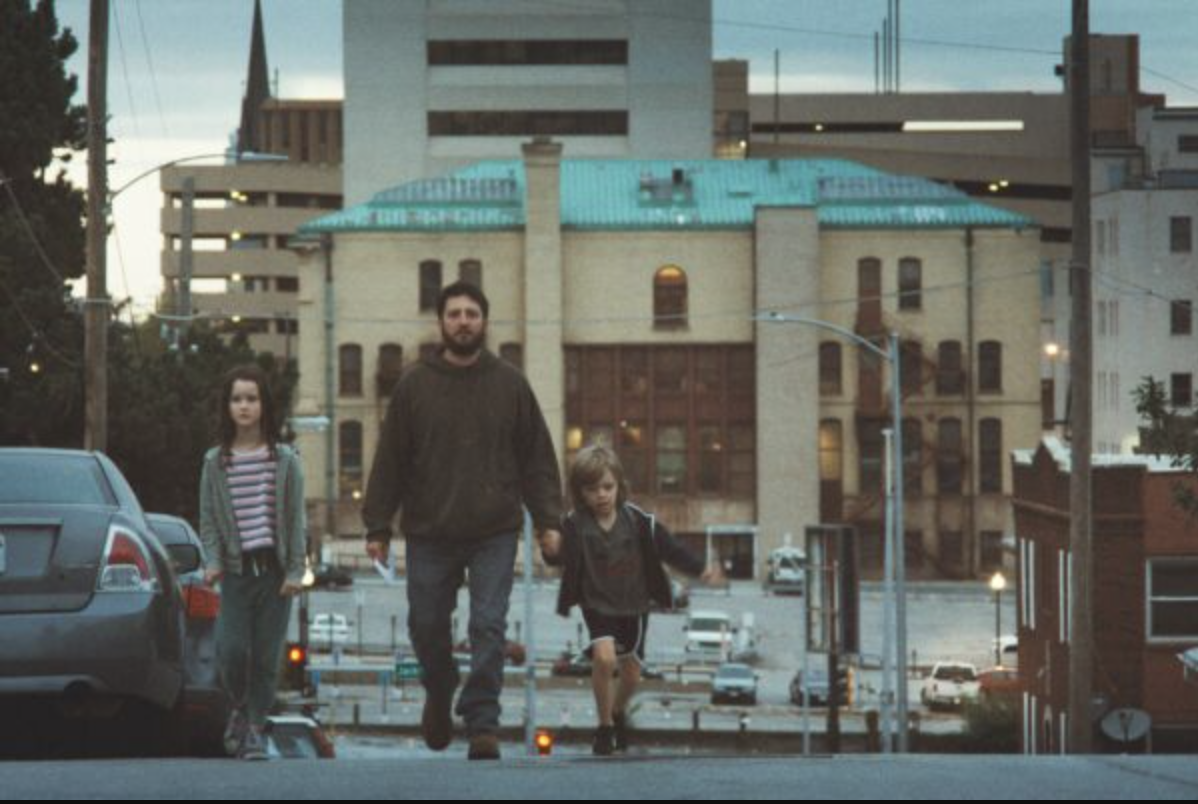
John Magaro has remained one of Hollywood’s most reliable character actors, delivering strong turns in dozens of notable films and television series over the years. In recent years, it feels like a bit of a Magaro renaissance has been happening, with his continual appearances in the films of Kelly Reichardt, and key roles in awards players such as Past Lives and September 5. Enter ‘Omaha’, a family drama following a father (Magaro) and his two kids (Molly Belle Wright and Wyatt Solis) on a sudden road trip across the American West, with the two kids slowly realizing that there is more happening with their road trip than they know, and Magaro conveying a sense of emotional secrecy throughout most of the film. The film, directed by Cole Webley, had its world premiere at the Sundance Film Festival in January 2025, and garnered strong reviews. Ahead of the film’s rollout this spring, Magaro spoke with FilmSpeak about his experiences filming Omaha and getting back into the headspace of the project as the film rolls out its release.
FilmSpeak: The film premiered at Sundance over a year ago so what has it been like getting back into the headspace of this project, the character, and the overall theme of the film?
John Magaro: “That's a good question. I don't know. It seems like it's right here, but it feels like it might be somewhere else. No, it's weird. It's always weird doing these things because you shoot something, whatever, and usually at least a year ahead of time, and most of us would go on and do other jobs. I mean, I've done a lot, several things since then. Uh, so, you come back and you start to impress, and it's almost like, you know, it's funny. You guys ask these questions, and it brings back a lot of memories, and if my memory was better, I would probably be a better interview, but, uh, it's really like that [laughs]. It's hard to prep for it. It's really you guys, the interviewers, asking the questions, and it takes you back to those spaces, and you kind of relive it in that way, and then try to and articulate it as best you can.”
FS: From what I've read, it seems that this was a very short production, and even though it may have been a short production, I feel like the film really encompasses a lot with both emotional and narrative mileage. I'm wondering what it was like to work within a compressed period of time and also like trying to maintain that natural aesthetic within such a constrained time.
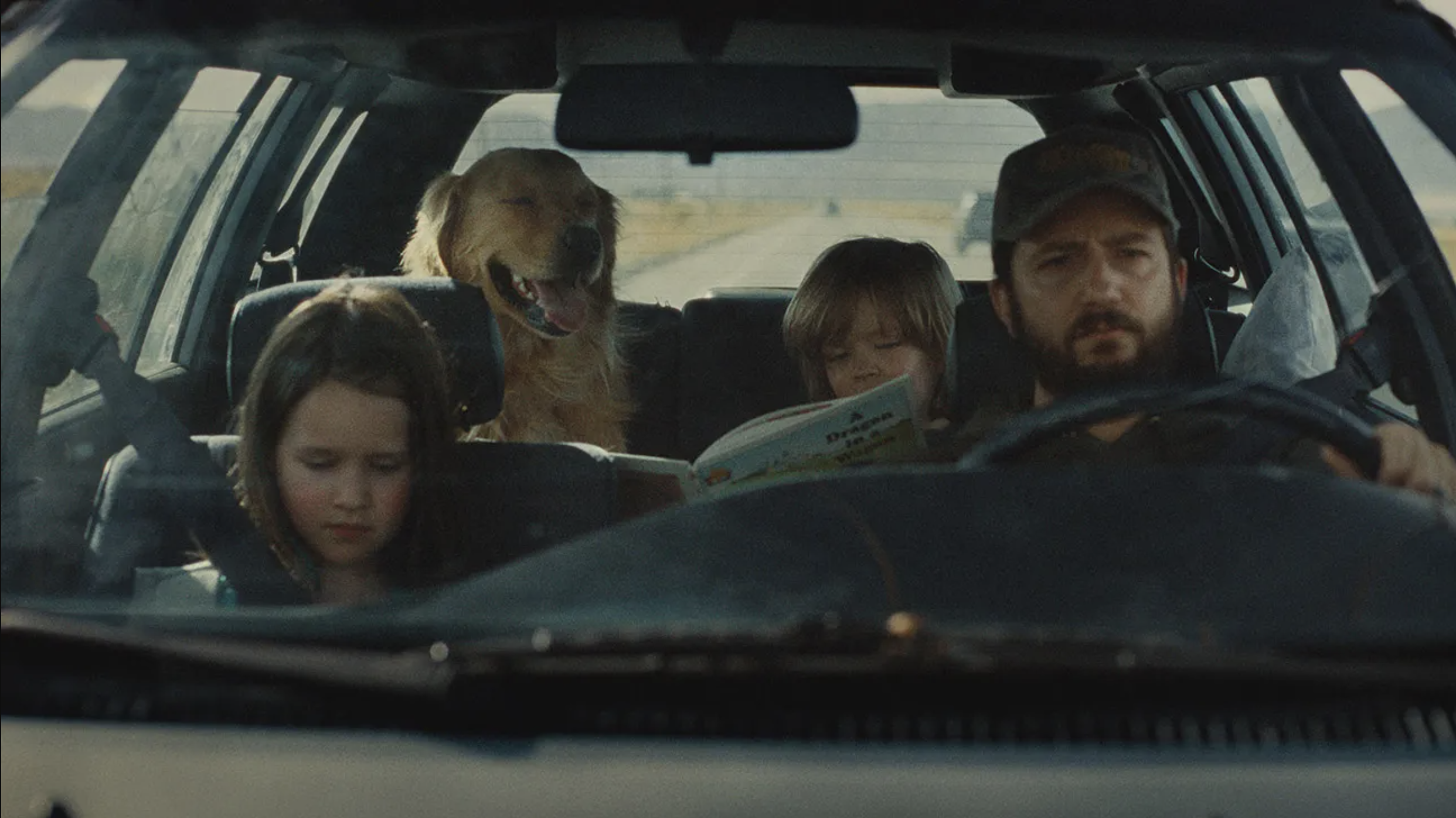
JM: “Oh, I don't know, I think the constraint time almost helped the natural aesthetic, like the naturalism of it, because every day we were going to a new place. We were on this journey, we were learning about each other. There was no real downtime, and also because it was kids, we couldn't shoot [fully], we actually had less time to shoot. We'd only had six hours a day to shoot. So, we really had to fill that time and continue to make the movie every day. So I think that probably helped, especially probably for the kids too, because it kept the ball rolling. I think if there was downtime, I don't know. I don't know if it would have worked as well. We just did it. It was interesting, because I had just come up with a job, and then I was gonna go on to another job. I went on to another job pretty much right after it. So I started, like, filming this gap, which I actually intended to take off, but when I got the script, I wanted to really be a part of it. So, we showed up there, and we just sort of jumped in. I shoot it in four weeks, but because we had less time, like only six hours a day, we ended up doing it in six weeks. It was probably about the same amount most indie films are nowadays. There wasn't any time to think. We just dove in.”
FS: I feel like there's a tremendous amount of empathy in this film, even amid some like really dire and saddening circumstances. What were the conversations like with yourself and Cole, in creating that fine line between portraying these sensitive topics and real topics, but also making sure that there's a real empathy there, and especially for, without giving too much away, certain decisions that your character Martin makes.
JM: “Yeah, I mean, I think that was a very conscious thing that we discussed and we knew we had to do. We knew there had to be some joy and tons of love, and you had to feel for these people, not just the kids, but also, you had to feel in a way for the dad, even though he was kind of making a terrible decision. Otherwise, there was no reason to go on this journey with them. So, we were really aware of that, and I really wanted to protect the dad in that way, and not having him just come off as a totally terrible parent, which I don't think he is. I think he has terrible circumstances, but I think, in his part, he's doing the best he knows how to. You see that in the journey. Yeah, we looked at the script, we looked for any moments where that might not be there. We looked for moments where we would highlight it more. You said, dramatic moments, and I think most of those occur in private for the dad. The kids witness some of those, but they are mostly private, until the end, where things have completely unravelled, obviously. It was always [about]trying to play against the heaviness of the film, instead of leaning into that, which is, for something like this, is I almost required.”
FS: You mentioned you're kind of working with what's ‘unsaid’. This [film] isn't reliant on dialogue to tell us a lot. I love that, and it's just quiet glances, you know, or even just like the moments where the camera is focused on your character, and you have to portray so much with so little. What was it like to prepare for those kinds of scenes, but also just making sure that you're not kind of like overdoing it in a sense.
JM: “I love that stuff. love it. My favourite moments with films are with things that are unsaid. Dialogue, I think a filmmaker can rely too heavily on it. At times, because they don't trust the audience, to piece together the puzzle. I think a film like this, especially, like, a small indie film, it's okay, A, because the people who are usually going to see it are pretty savvy. I like that… there's no preparation for it. What it is, is doing what you need to do as an actor and be present. If you're present on set, you're playing the certain situation, and you're not stifling anything, and you're not forcing anything, and you're just living in whatever the scene is, then you'll surprise yourself and the audience. Uh, that's really the trick of it.”
FS: I was also wondering, what was your research process like? I ask because this film takes place in a very specific moment, and even though it is a very specific moment, the circumstances kind of carry on beyond, and they're kind of not supposed to be evergreen, but they are, unfortunately, still around and ever prescient. So I'm wondering, like, what was it like going back to 2008 in that sense?
JM: “I mean, you know, there wasn't a lot of research for this, and there didn't have to be. I grew up around these guys. I grew up in the Rust Belt. People I grew up with were like this. I lived through 2008. It's not that distant of a memory for me. I remember it. I remember when everything collapsed. I remember film, especially indie film, basically collapsing, and financing being pulled, and actors, and all of us looking for work, like, work just wasn't around then. Still remember it. So, that wasn't it. And then I'm a dad, so I have a lot of these moments, for the most part, up until the end. These are daily conversations I have with my daughter. It was written well. Robert Machoian wrote a great script. So when you have that, it doesn't require a lot of book learning. It just requires a lot of trust to your gut.”
FS: You mentioned earlier that you had a bit of time to prepare with the young actors, and I think the dramatic dichotomy between the fleeting happy moments in this film, like the grocery store, or something like the zoo, I'm just shocked at how well they blended with like the kind of permeating sense of unease and sadness within the circumstances of the young actors within this film. So, I'm wondering what was the relationship like on set? I know you said that they had shorter days. Was there sort of like a more pressure to get that to get that right or would it just come naturally?
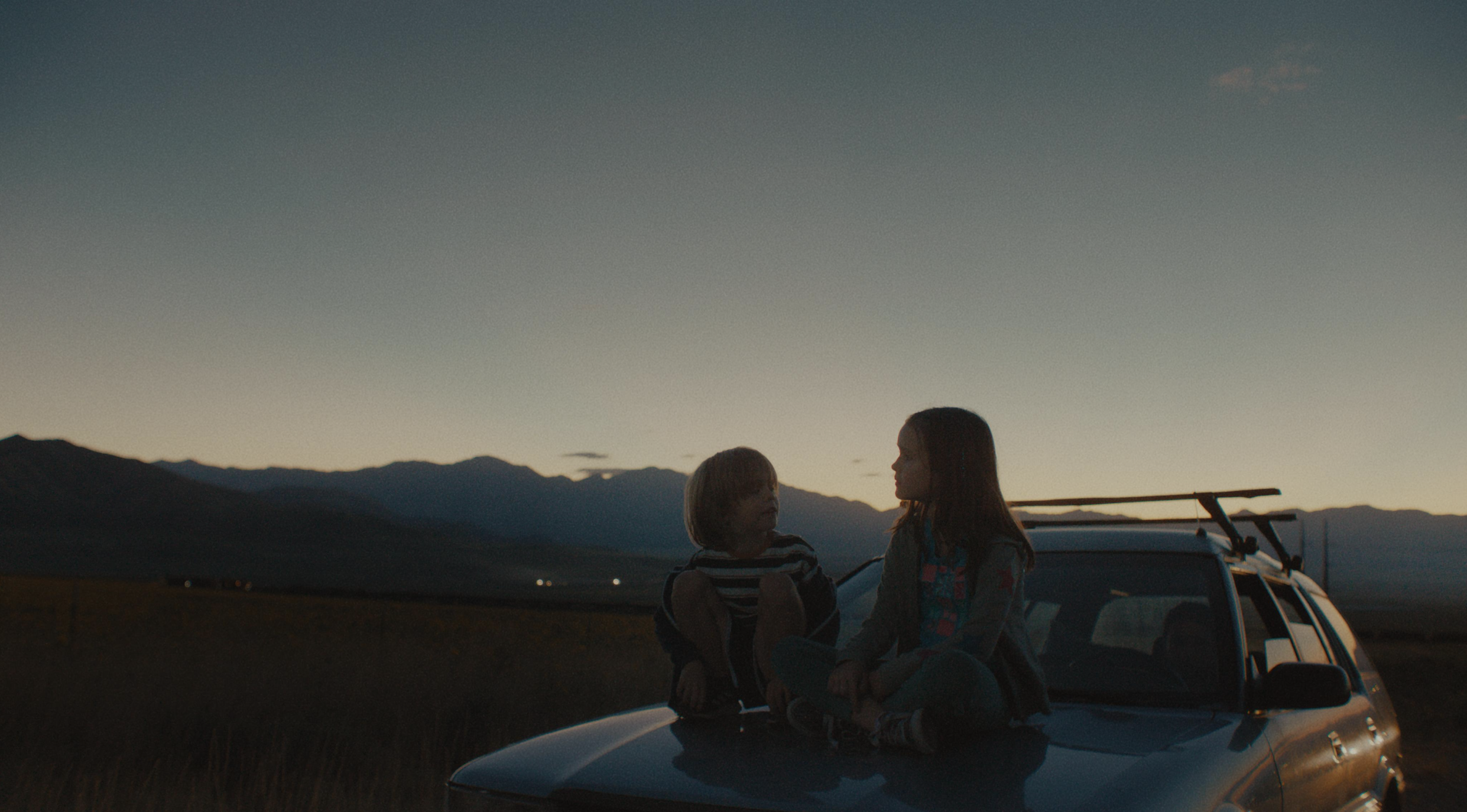
JM: “I mean, yeah, but the kids couldn't feel that pressure. I mean, like, Cole felt it, the crew felt it, but, you know, a 6 year old is gonna do as a 6 year old does. They're gonna do it. You can't make them feel anxious. So if anything, it was to make the kids feel good and like they're having a good time and a lot of joking around. I was with them, trying to keep the day as stress free for the kids as possible, while the producers were the ones sweating in the corner about time, you know, things like that. That's really what it was. It was me trying to be babysitter/co-actor/dad/this and that. [Those] were kind of the hats that I was wearing. We're in a place where they could trust me, where they respected me, but they also felt like I was a friend of theirs. So that's sort of the balance. That's how we were able to get them to deliver performances. when the camera was rolling. I had a little time with the kids before we went and started shooting. We spent a day at the aquarium with their families and started to build that trust.”
FS: Stylistically, this film, it's very rich and it's very subdued. It kind of reminds me of Kelly Reichardt’s films, someone that you've collaborated with many times, and is one of my favourite filmmakers. I'm wondering if working with filmmakers like that helped you, and gave you any sort of experiences that you pulled from when creating Omaha?
JM: “Yeah, those experiences working with Kelly, they influenced me as an actor, and definitely influenced [Omaha]. I think Cole respects Kelly as a filmmaker, and probably has some of her work as an influence on him… they're cut from a similar cloth of cinema, Omaha and Kelly's films. In fact, it was Christopher Blauvelt, who's Kelly Reichardt's cinematographer, who recommended Cole to me, and said, ‘you know, give him a shot’. I think they complement each other. That's a lovely connection to hear.”