
'Tony' Editors Curt Lobb and Robert Upchurch Discuss Finding The Rhythm Of The Sharp Bourdain Biopic
the dynamic editing duo discuss their second superbly edited film of the year
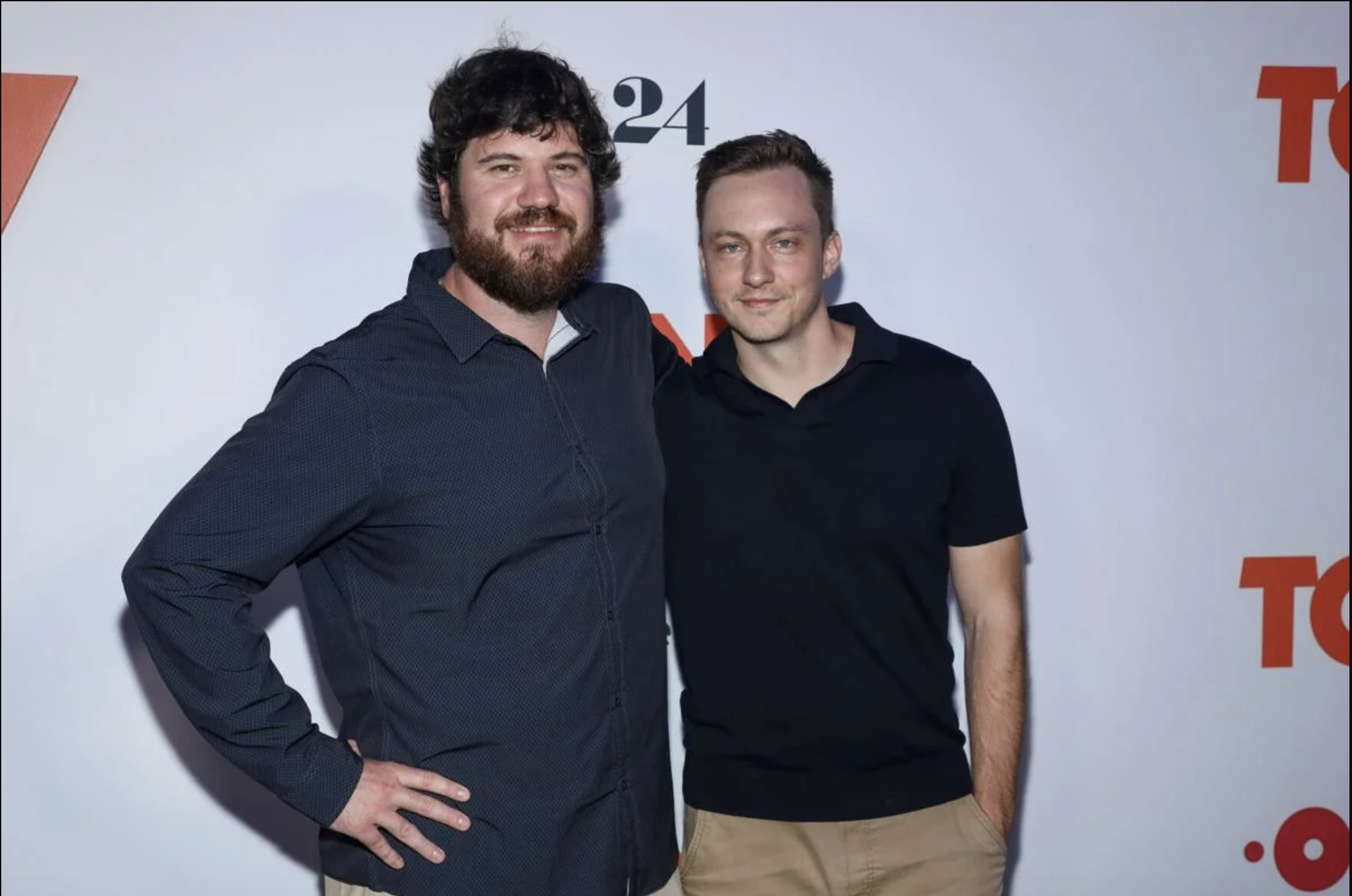
An eternally common phrase in conversations around the works of Matt Johnson is along the lines of “How did they do that?”. Johnson’s formally daring docu-fiction style as we know it on screen could not be possible without the heroic efforts of his longtime editors, Curt Lobb and Robert Upchurch. Earlier this year, the team made waves internationally with the release of Nirvanna the Band the Show the Movie, with several ‘impossible’ set pieces involving Toronto landmarks, with audiences debating whether or not the footage was ‘real’ or very carefully edited, a testament to the continual wizardry pulled off by Lobb and Upchurch in the editing rooms. Their latest collaboration with director Matt Johnson is Tony, a coming-of-age film following young Anthony Bourdain (Dominic Sessa) and a formative summer he spends in Provincetown, Massachusetts. Tony is ostensibly the most formally conventional film edited by Lobb and Upchurch, and yet, the film is just as invigorating as their more eclectic, reality-blurring work. The duo sat down with FilmSpeak to discuss capturing familiar vibes and rhythms in the edit, finding a synthesis between Bourdain’s legacy and the film’s structure, and a set of killer montages sprinkled throughout the film.
FilmSpeak: I love how the film announces itself as a “Hopeful Bildungsroman”. That’s what I wrote down in my notes after seeing the film, and it certainly feels like one. I'm wondering if you had any bildungsromans as influences, cinematic or literary, when you both started to edit this movie.
Robert Upchurch: “It's not a movie that I connect to this film, but as far as just as a good bildungsroman, I love Subamarine (2010). It's the one that comes to mind as my favourite, but I don't think it really connects to this film.”
Curt Lobb: “Here's a curveball. What about The Sandlot? I've been listening to The Sandlot 24/7. Well, or at least whenever I'm driving around, because it's playing on the DVD player in my van, for my children. That movie's so awesome. It's so great. I think Bobby and I grew up watching enough of these [movies], that they were just burned into us, and it’s certainly really exciting to get to work on one.”
RU: “Again, not in a super connective way, but Holes. I think we both love Holes.”
FS: Good one.
CL: “I maybe watched [Holes] more than any movie for like, a five-year window. I love Holes. It’s an ensemble thing too. Maybe that's similar to Tony, you know? That one person, you gotta watch from their perspective, and there's all these fun characters around them, helping form them into who they are, much like The Sandlot, also very fun.”
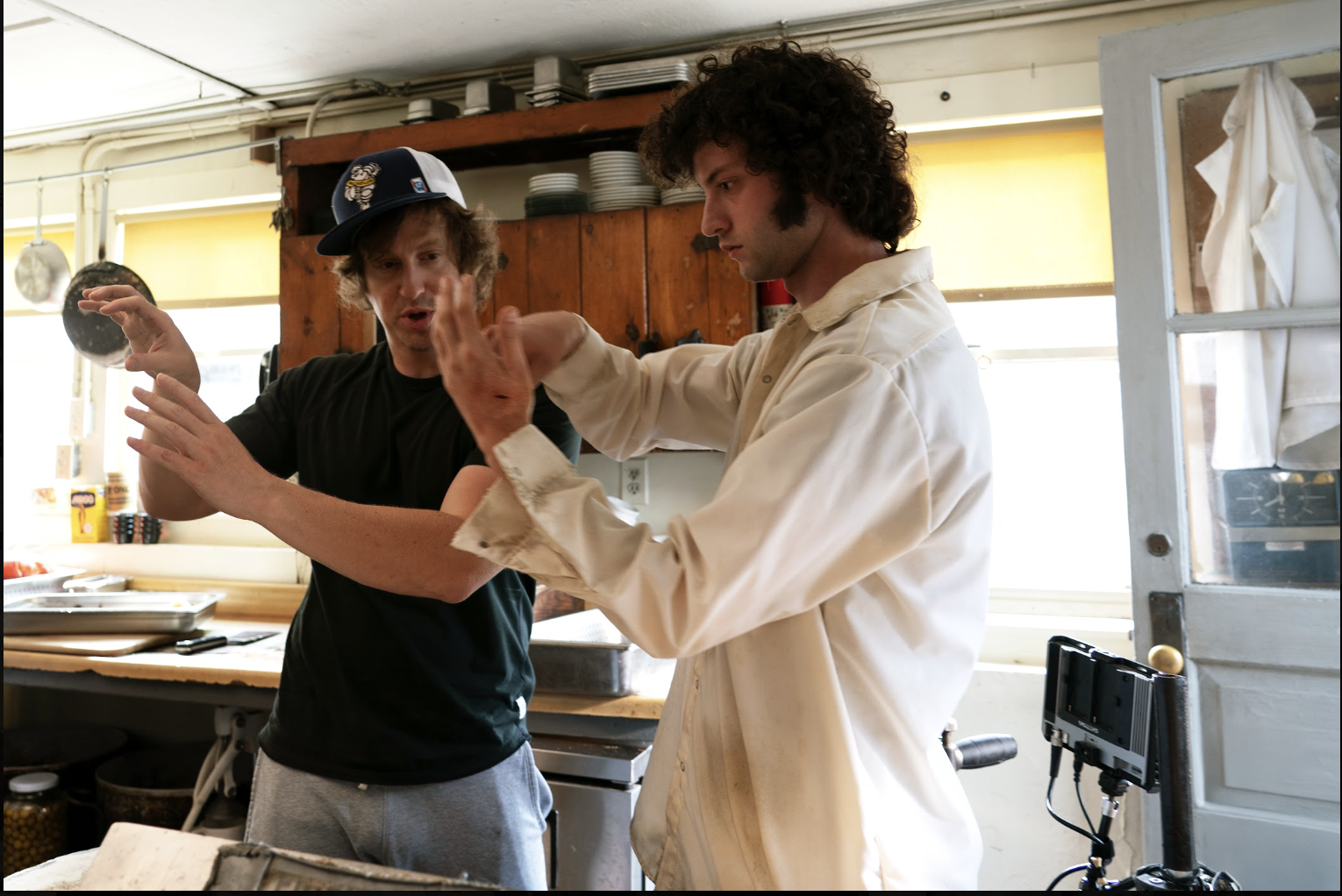
Tony very much comes off as a deeply personal movie, and not just in terms of personifying the legendary Bourdain. The project’s origin can be traced back to lead actor Dominic Sessa’s connection to Bourdain’s work, feeling so passionately about a project on Bourdain’s early life that he convinced Matt Johnson to join him in crafting the project. Curt and Robert spoke about finding an organic synthesis in the edit, between Johnson’s eclectic directorial voice and the very streamlined story of Bourdain’s summer in Provincetown.
CL: “Yeah, I think there's definitely that link between [Matt Johnson] and Tony in this movie, and it's super personal film for him. I think part of our job often is not going too goofy with some of this stuff, because in the past, we’ve work on a lot of movies with Matt Johnson where we can kind of go full comedy at all times, and lean into, like, mistakes or anything like that that happened. On this one, we had to pull that back a bit, just to keep it more grounded, and to honour this one person's legacy. The script and everything definitely helped us out with that, I would say.”
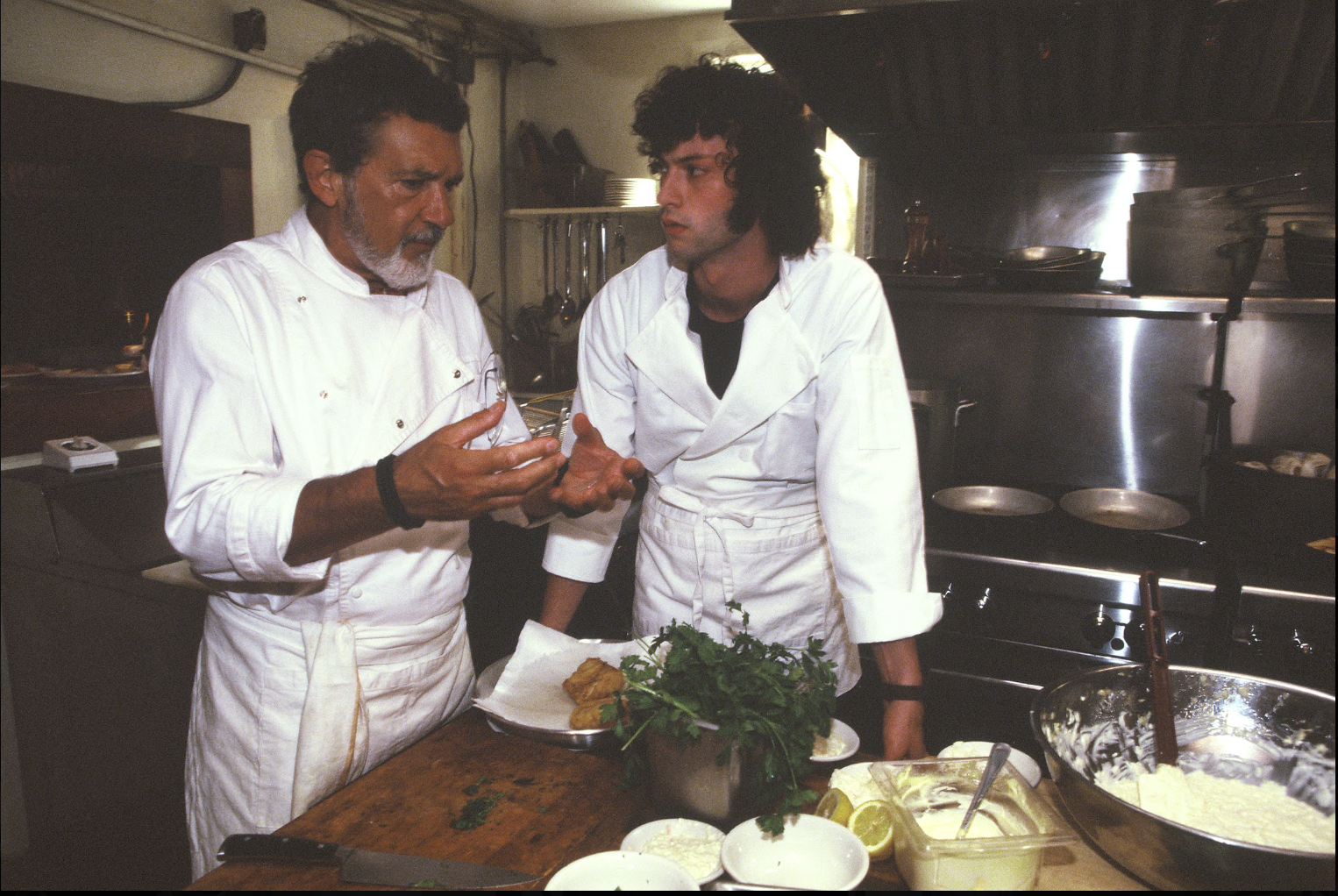
This article has previously touched on Tony’s classic coming-of-age feel, and this is absolutely amplified by the mentor figure in the story, a enigmatic and extremely passionate chef played by Antonio Banderas, whose relationship with Sessa’s Bourdain echoes the great mentor-mentee relationships of cinema past. Think Mr. Miyagi in a kitchen. This relationship is central to the film, and is tracked through a series of briskly edited (pun intended) ‘segue’ scenes.
FS: There’s a fun running motif of Antonio Banderas’ character pouring a bucket of sea water on Young Tony to wake him up out of his hammock each morning. I feel like there's an onus on those kind of scenes because they're transitory. They're trying to tell us something about the character, but they're also trying to make us laugh at the same time. I'm wondering, when you're editing one specific kind of scene, so many different ways, what's the biggest challenge to make it feel like something new each time, both story wise and comedy wise?
CL: “So, we did that in many different ways, with different wardrobes, kind of knowing roughly where these scenes might take place throughout the movie. Some things did really get shuffled around, and so, suddenly, sometimes it didn't work quite as well, but I think what we were always looking to do, every time you saw that moment, was to [have it] either shown in a bit of a different way, or paced differently. The first time we hold him no longer, you kind of see Chef (Banderas) in the background, and then it happens. Second time, maybe he's not in the frame at all to begin with, and then he kind of comes in and surprises you. They shot it in lots of different ways for us each time, and then it was fun for us to be able to kind of figure out the most impactful way to show it each time. Finally…it's just so fast out of nowhere, like a jump cut, so [Tony] would get splashed. It was really cool to be able to figure that out in the edit.”
FS: There are these amazing kitchen montages that are kind of like training montages in this movie. When we get to see kitchen scenes in movies and TV, they're [traditionally] very claustrophobic, and you guys get to work with some wider coverage. I am wondering if the wider camera coverage and angles helped you to have more options in creating these very free flowing, but also very meticulous montages.
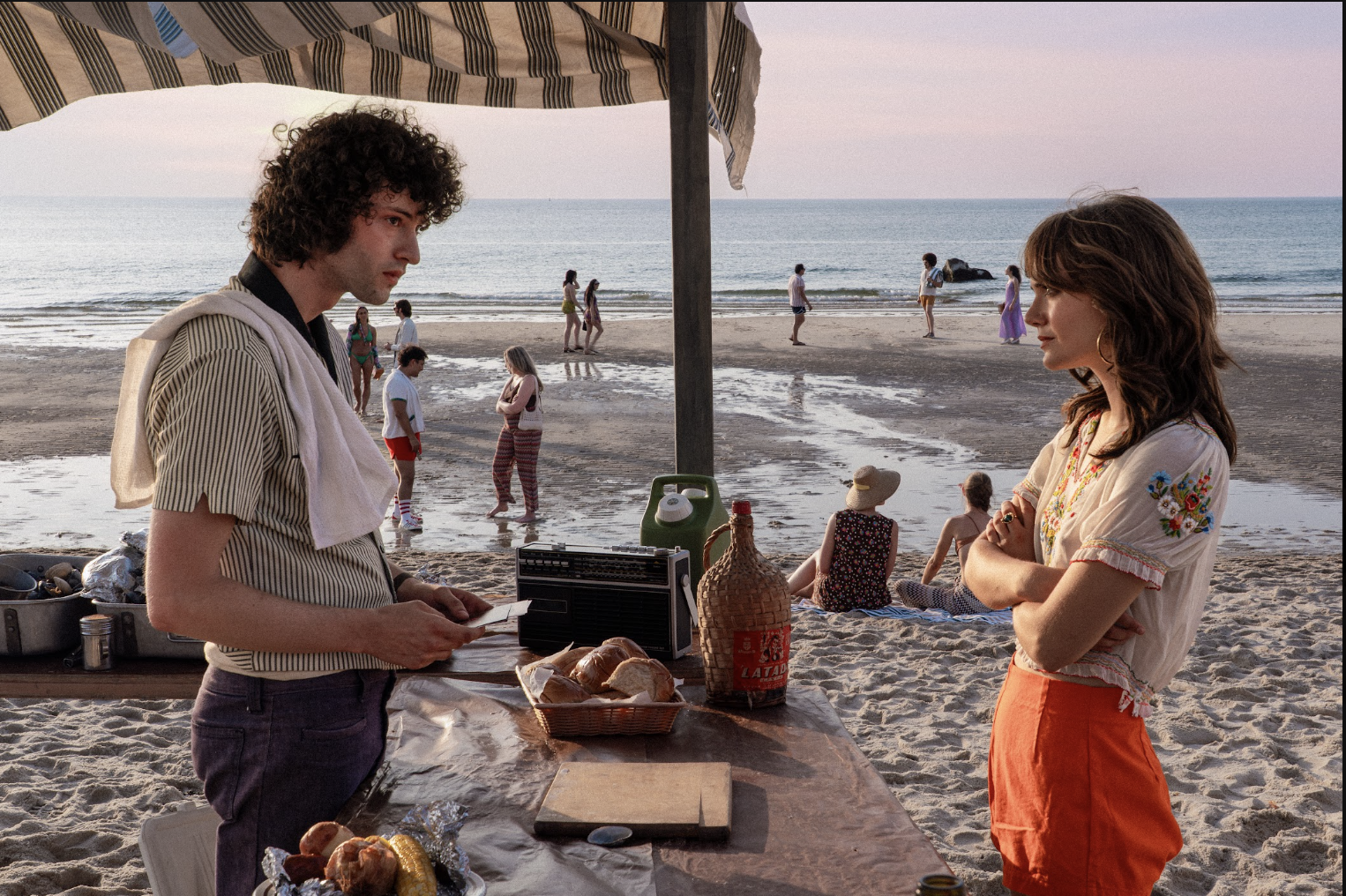
RU: “Curt edited that amazing Tony and Sal (Leo Woodall) montage. I'm sure he has a lot to say, but for the other one… [I did] the one where Tony's kind of lying about what he's been up to. I think it was a good opportunity for us to break out of the kitchen, as we do spend a little bit of time and of see the world that we don't ever get to see for the rest of the film, like the farm and some of the new beach locations. It was just a great opportunity, because we're really close to Tony the whole film. We're with him. These are the first times where we're a bit far away, observing [Tony] from a distance, and being able to use really beautiful wide shots… with the music, with his voice over, that brings a lot of emotional resonance for me.”
CL: “Yeah, and I think those moments are shot most similar to how we've shot stuff in the past on these Zapruder films, these Matt Johnson directed movies, where they're just kind of collecting a bunch of stuff. Obviously, there's a plan to it, but we really kind of have license to do whatever is best. Like you said, in the kitchen stuff, they're getting all sorts of different coverage that you might not normally see… really allowing us to then inform it however we think will work best, so we're lucky.”