
'The Magic Faraway Tree' Director Ben Gregor Discusses Adapting The Beloved Fairytale
the accomplished director discusses bringing the classic fantasy to modern audiences
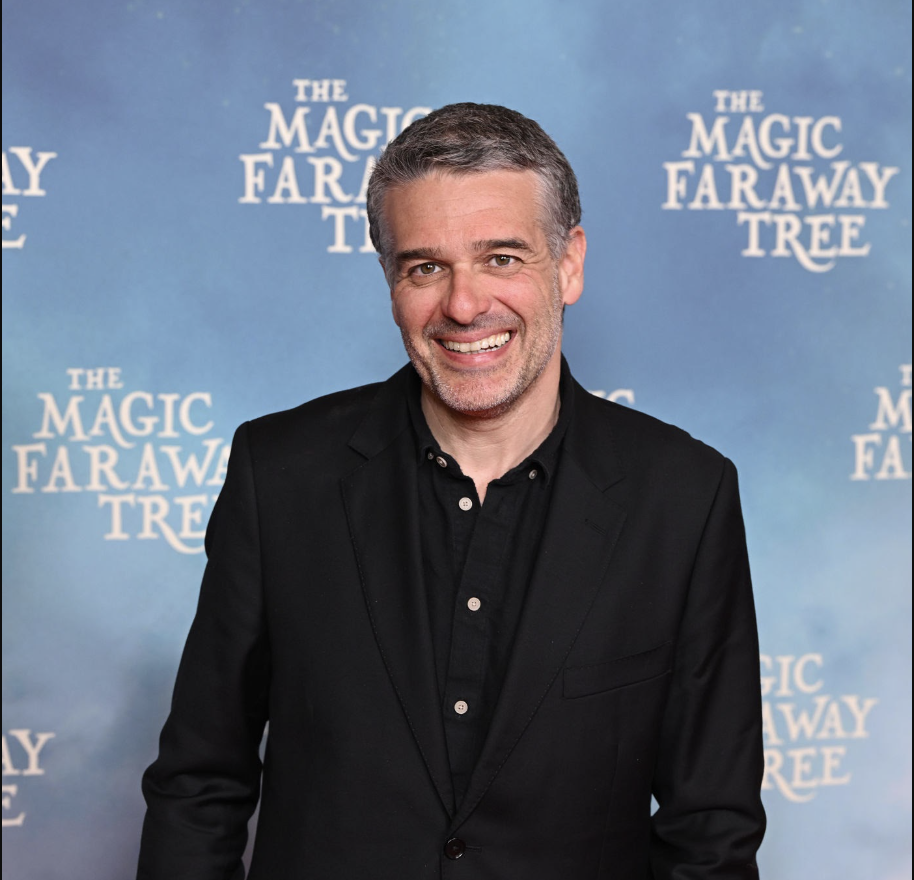
The children’s fantasy genre is thankfully one that has permeated throughout several decades of pop culture. These fantastical stories often use imaginative, dream-like settings and archetypal plots to tell good-natured yet entertaining stories to both educate and inspire, leaving audiences of all ages with a magical feeling. This storied magic is ever-present in director Ben Gregor’s The Magic Faraway Tree.
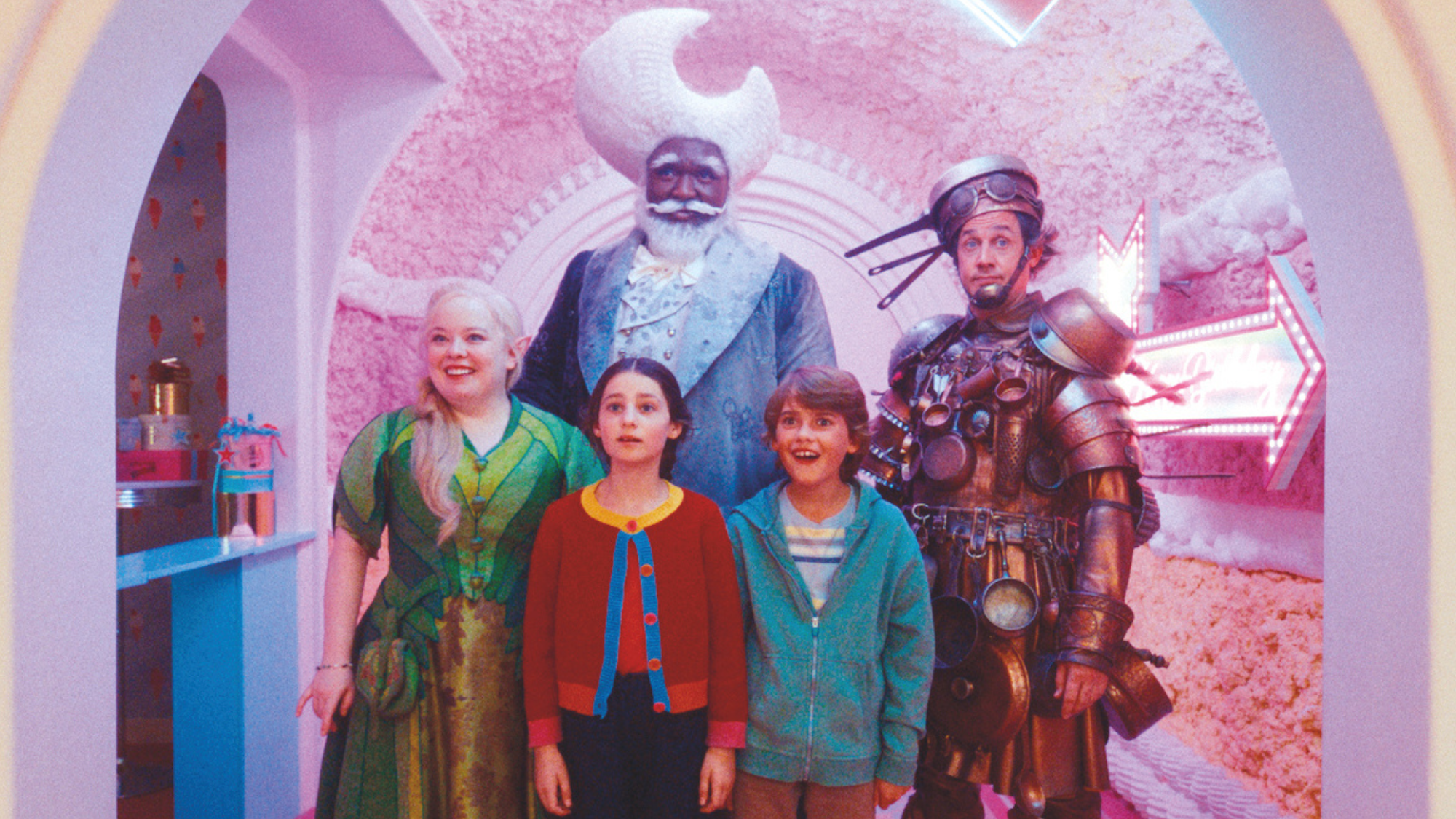
The film is an adaptation of Enid Blyton’s beloved novel of the same name, following children Joe, Beth and Frannie discovering the eponymous magic tree and the multiple colourful worlds of magic inside it, embarking on adventures of sensory and self-discovery. The Magic Faraway Tree is the second feature film of Gregor’s, and it is a very ambitious one, sprawling with its visual and tonal identities, with a whimsical throughline. Gregor spoke with FilmSpeak about adapting the beloved story in a modern environment, working with star actors, the enduring appeal of the genre, and so much more.
Edible sets, meticulous farts and deep thematic conversations all emerge in this interview, a testament to the eccentricity of both Gregor and his film.
Click below for the full, in-depth video interview, or continue scrolling for the remainder of the article:
So much of The Magic Faraway Tree’s story is made up of visits to eye-popping new worlds, with different environmental properties. Gregor discussed working with production designer Alexandra Walker and the process of creating on-set whimsy through practical and tangible environments for his actors, both established and novice.
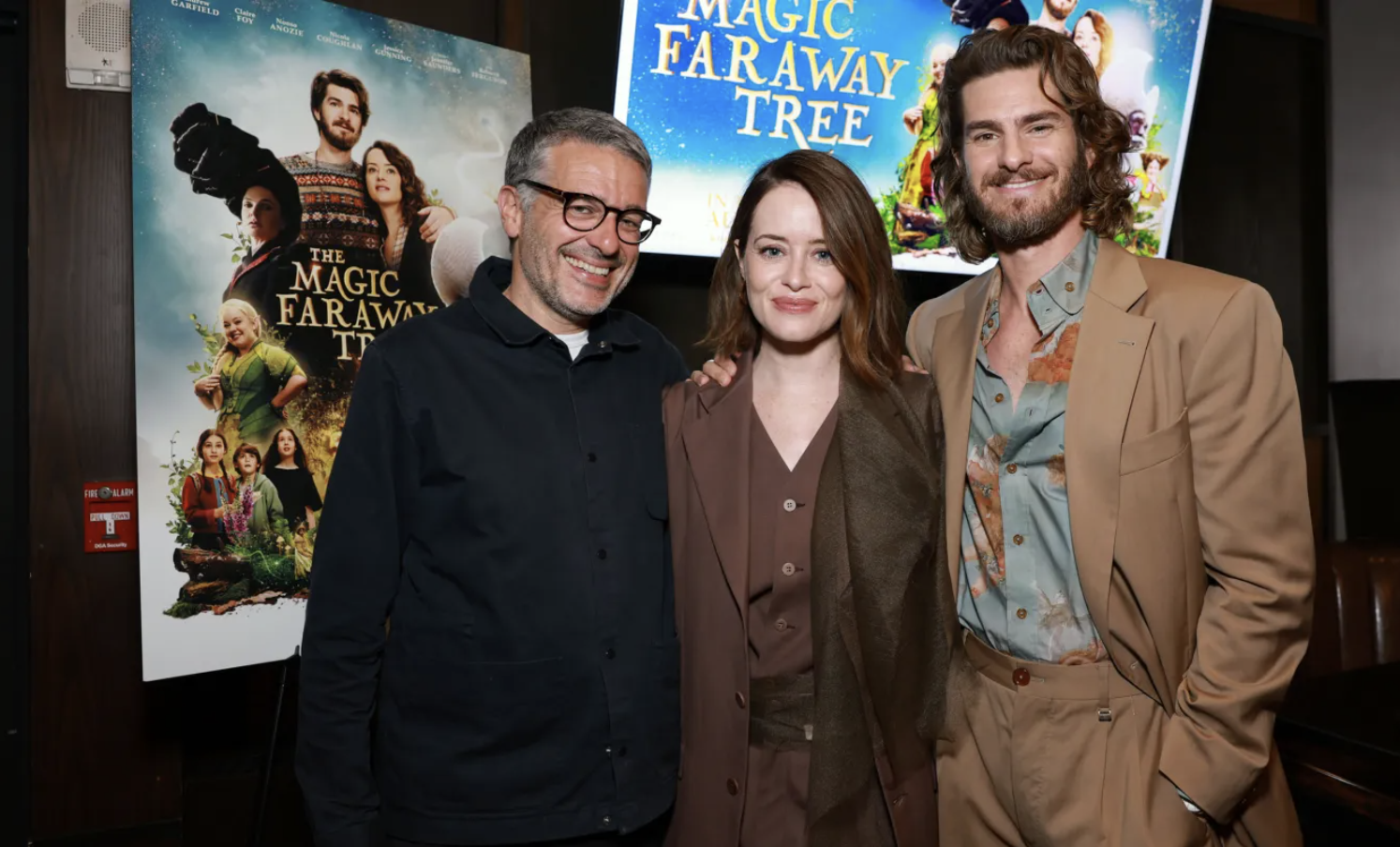
Ben Gregor: “We were blessed with the most amazing cast for this film, and they came really ready to play. Rebecca Ferguson, Nicola Coughlan. Of course, Andrew Garfield and Claire Foy. Dame Judi Dench plays a fridge. What more do you want, people? They're all playing, and we made an atmosphere with it. It was a really nice environment. Filmmaking is kind of boring, like the nuts and bolts of it, especially something big and visual, where you're shooting for visual effects. So I was really keen for the kids to not be bored, so we would goof around the whole time. We made the sets edible so they could eat them. We made the slippery slopes so that you could really jump down. We built a giant climbing tree, giant. It was, like, three stories high, with ropes that they were attached to, and they were really pulling their own body weight up. We didn't get them any assistance. We stopped them falling to their desk, which was very kind of us. [laughs]. We just made them really feel, in an embodied way, what it's like to be in nature, and you really can see that on the screen, I think. It's amazing. Alex Walker's a great designer. She did an amazing job, and marshalling all these concepts, because when you can do anything, it's almost the worst thing. I had this idea about ‘Blytopia,’ which is, like, Blyton and Utopia together… with a tone that's both humble and epic at once. These are worlds floating in space. I wanted to have the scale of the very biggest movies, because the actual experience has become so good now, with Dolby Atmos Sound, laser projection, and you can rumble in your seat when the earthquake goes, and I just wanted to make a big spectacular film, but that also had a lot of heart, and was really super relatable. So Alex, the design team and the VFX team, they all worked together from the very, very first instance to help create that tone.”
FilmSpeak: So much of our understanding of children's scares genre is rooted in the UK, whether it be, like, Harry Potter, Narnia Paddington, and, of course, Magic Faraway Tree. I know this is a big question, but what do you think the enduring appeal of these stories is, specifically in the UK, and our relationship to them around the world?
BG: “Right. With a lot of the big fancy movies, you have a kind of UK domesticity, and it isn't just Narnia. Look at Lord of the Rings. That's about the Shire. Most of it's about village life, the hobbits, much the people in the countryside in the UK, right? I think that there's a sort of loveliness of the kind of, like, ‘food based order’ of a traditional household, like having a cup of tea or having sandwiches, and then going into the woods. Then, also, the imaginative insanity that we have, I think it's something that's so timeless, and there's that combination of both comforting and totally adventurous, that makes for a really nice experience, for families to go and watch together. We've had loads of experiences of grandparents, parents, and kids all going together to see this movie, and coming out buzzing and having a great, great time, rather than, you know, suffering from a movie they didn't really enjoy themselves. So, it's about bringing people together, and it's giving people an amazing time.”