
‘Once Upon a Time in Harlem’ Review: A Living, Breathing Testament
David Greaves’ restoration of his father William’s reunion of the Harlem Renaissance in Once Upon a Time in Harlem might be one of the year’s most essential works of cinematic preservation.
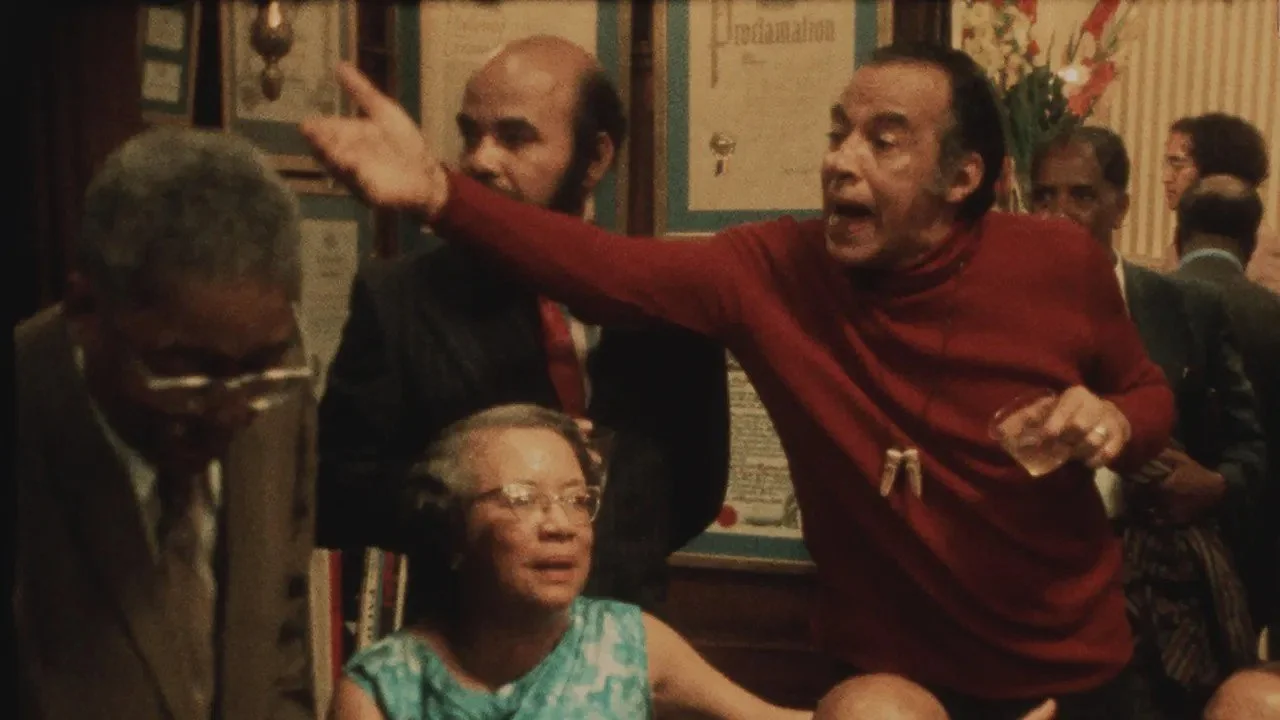
Filmmaker William Greaves died in 2014 and left behind a legacy of important documentaries that not only broke cinematic conventions of the time but also served as historical records preserving some of Black America's most important figures. No work of his might be more important in that regard than his metatextual essay Symbiopsychotaxiplasm, until his son, David Greaves, unearthed footage he shot in 1972 and finally presented it to the world in Once Upon a Time in Harlem. One wonders why it remained unfinished for so long, even if William himself believes it to be his greatest work.
After his father’s passing, David began revisiting what was shot for this film and finally brought it to the world. This act might be the most essential testament we’ve seen from a filmmaker, past or present, as he imparts the legacy of many important Black figures of the time so that we not only know who they are, but remember their legacies as an intrinsic part of American (and world) history. Anyone unfamiliar with Greaves’ cinéma vérité style might have a hard time getting into the flow, especially when he introduces many figures in rapid succession inside Duke Ellington’s home, where they convene for a day of historical remembrance.
Greaves tracked every single surviving member of the Harlem Renaissance he could find – among them, poet Arna Bontemps, actor Leigh Whipper, painter Aaron Douglas, photographer James Van Der Zee, musician Eubie Blake, activist Richard B. Moore, writer George Schuyler, and journalist Ted Poston – in the same room to document and preserve their cultural (and social) impact as some of the most important Black figures who were the first to create a singular artistic language that defied the racist stereotypes of the time. The filmmaking is akin to a fly-on-the-wall, as the camera acts only as an observer to great conversations with intellectual and artistic figures who cannot, by any means, fall by the wayside.
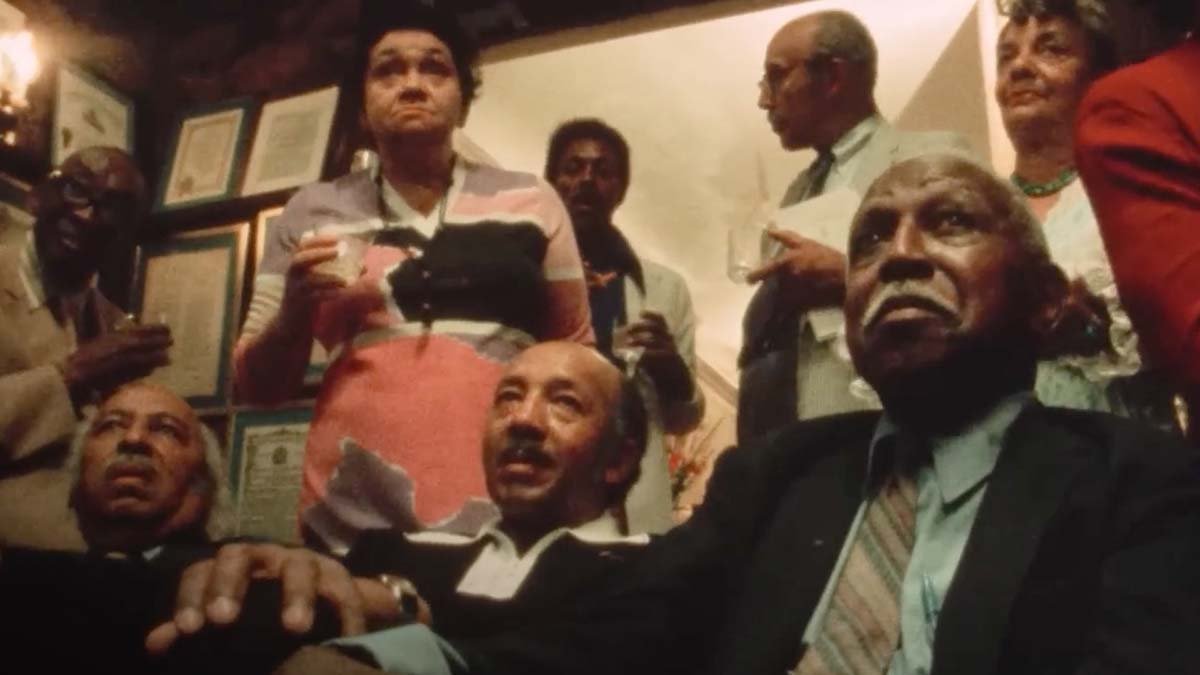
Unfortunately, audience members may not have heard of the Harlem Renaissance or any of the figures shown in the film. But that’s precisely why Once Upon a Time in Harlem is so essential: not only as a document of the past and a moment that will never happen again, but as a true “last will and testament” of people who would never reunite in this capacity again. Many of the figures that you’ll see in the movie died a few years after filming, and it took fifty-four years for their message to finally be heard. Greaves doesn’t ask much of the audience except to listen to what he captured and ensure what they’re saying reverberates far beyond the walls of Duke Ellington’s home.
The film serves as both a history and cultural lesson, making us aware of what the various members of the Renaissance did while also explaining why their work matters and why it’s vital for Black artists to carve out their own identity. In a racist society where their art was constantly devalued and even gawked at, ensuring that they had a voice was the biggest possible sign of resistance they could have. Many of them endured indelible traumas and have to relive these painful memories for the filmmaker, but Greaves’ approach is never exploitative. Rather, his interventions are always humanist and full of curiosity.
The way he asks his interlocutors to talk about various subjects isn’t intrusive; it shows how interested he is in learning from some of the greatest luminaries who ever walked this Earth. He almost guides the conversation, but it won’t take long before they talk over one another and engage in some of the most spirited debates that were ever captured for a vérité documentary. The only drawback that makes these exchanges feel less potent is David’s use of Ken Burns archival photographs to fill visual gaps away from his father’s footage. In a talking-heads documentary, that might have its place, but it creates clunky visual juxtapositions with what William captured; still, one can’t really fault him, given the challenge of restoring and piecing together such monumental recordings for a contemporary documentary audience.
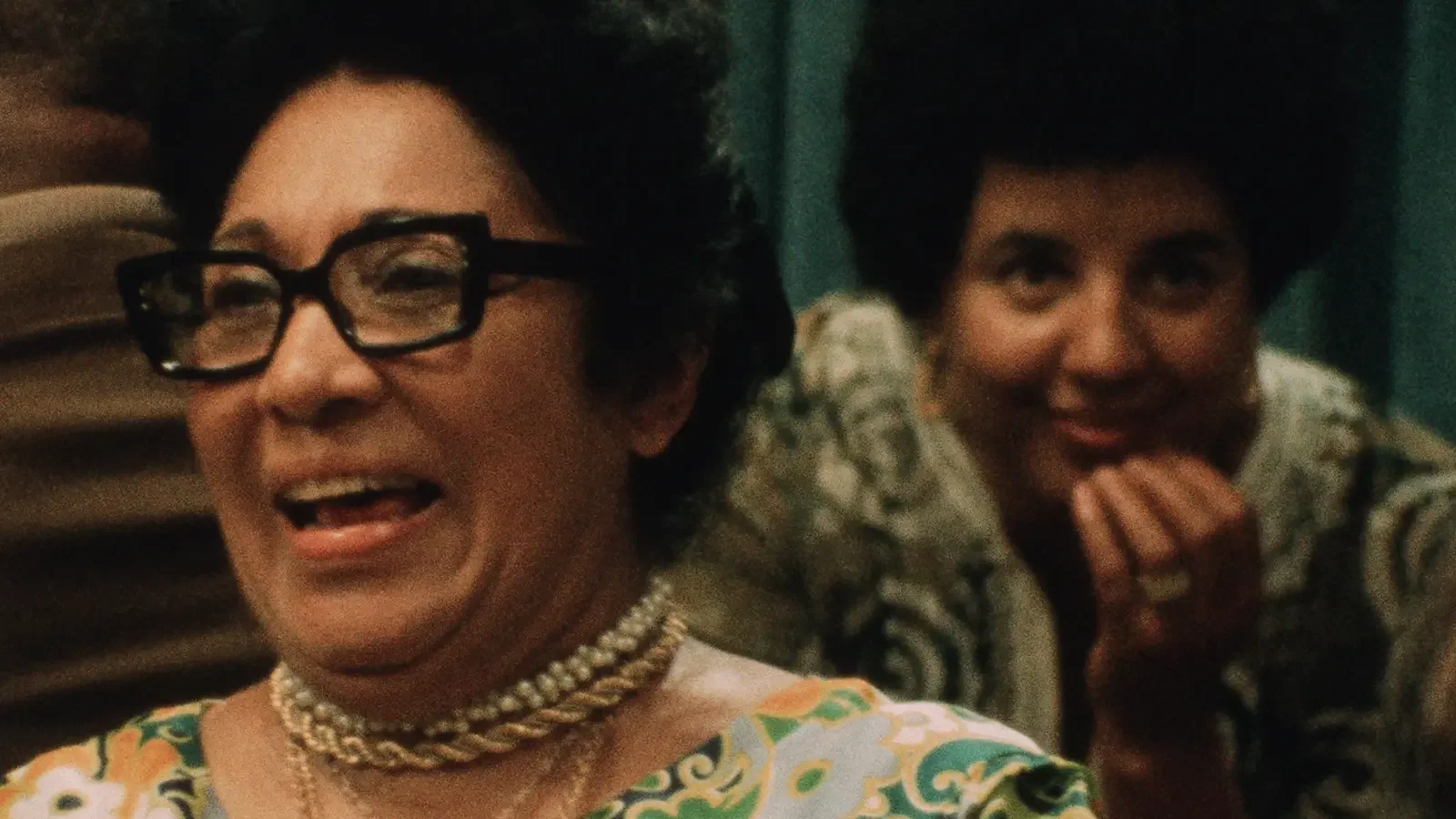
By the end of the movie, though, those “flaws” don’t necessarily matter. What’s on screen might be the single most important thing William Greaves has ever shot, and that alone speaks volumes considering how he’s made over 200 documentaries in his lifetime. One wonders why Once Upon a Time in Harlem sat on a shelf for so long, but we should be lucky that David decided to complete his father’s greatest work so the world could finally witness this testament for itself.