‘Lee Cronin’s The Mummy’ Review: Hell Yes
Lee Cronin may be slightly inspired by Sam Raimi's work in his take on ‘The Mummy’, but his film remains playful and appropriately disturbing.
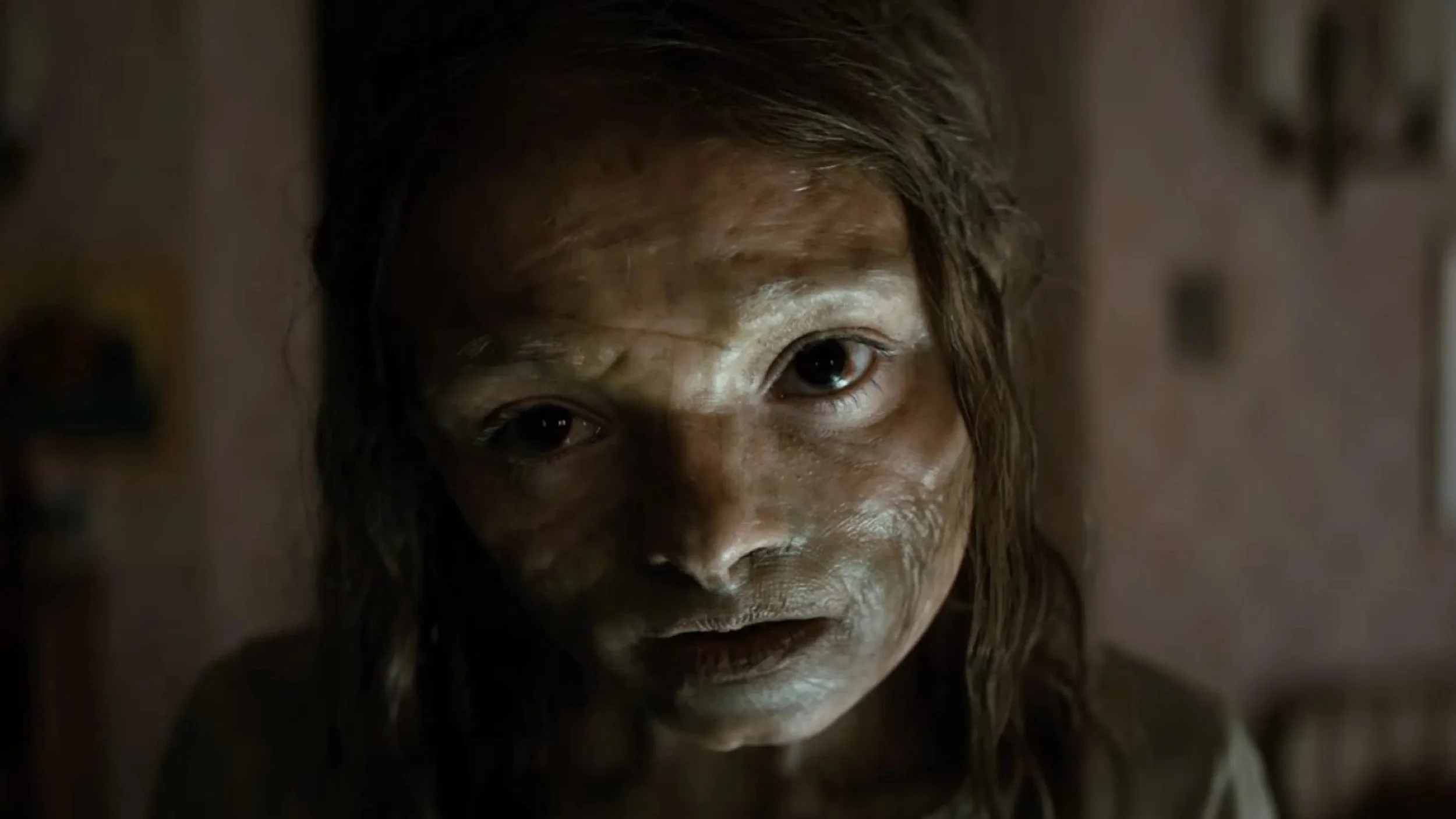
Reports of Lee Cronin’s ‘The Mummy’ being an unwatchable disaster are greatly exaggerated. In fact, it’s one of the most playful studio horror movies that’s been released in quite some time, and a natural evolution from the Irish genre artist, who has bathed in excessive gore with 2023’s Evil Dead Rise. While it may not reach the violent (and bloody) heights of that film, Cronin proposes a fresh new take on the myth of The Mummy, which was first introduced to audiences by Karl Freund in 1932, which spawned multiple terrible sequels, and reimagined by Hammer Film Productions, and in a series of adventure films starring Brendan Fraser and, finally, an attempted cinematic universe jumpstart with Tom Cruise.
With that movie having failed miserably (and killed the Dark Universe before we even witnessed its beginning), Cronin takes the bare bones of the traditional story of the Universal Monsters classics and essentially does “Evil Dead, but make it Mummy.” While some may vilify the movie as nothing but a cheap retread of his last one, what Cronin accomplishes is completely different, and the atmospheric thrills he establishes in his opening half are just as effective as when he begins to bathe in excessively cartoonish violence, scenes so disgusting they made a packed IMAX auditorium freak out.
The film only becomes interesting when Cronin cuts to eight years later, where Charlie and Larissa are still praying for news of Katie’s whereabouts. Not long after that time shift, they received a phone call from the U.S. Embassy in Cairo. Katie was found. She’s still alive and was trapped in a sarcophagus, found in the remnants of a plane crash. She looks and feels different, but a doctor states that it’s perfectly normal for someone who was isolated (and malnourished) to have lasting scars. The best remedy for her is to return home to Albuquerque, where she will be tended by her mother and grandmother (Verónica Falcón). Of course, things aren’t what they seem, and supernatural occurrences begin to happen on a regular basis.
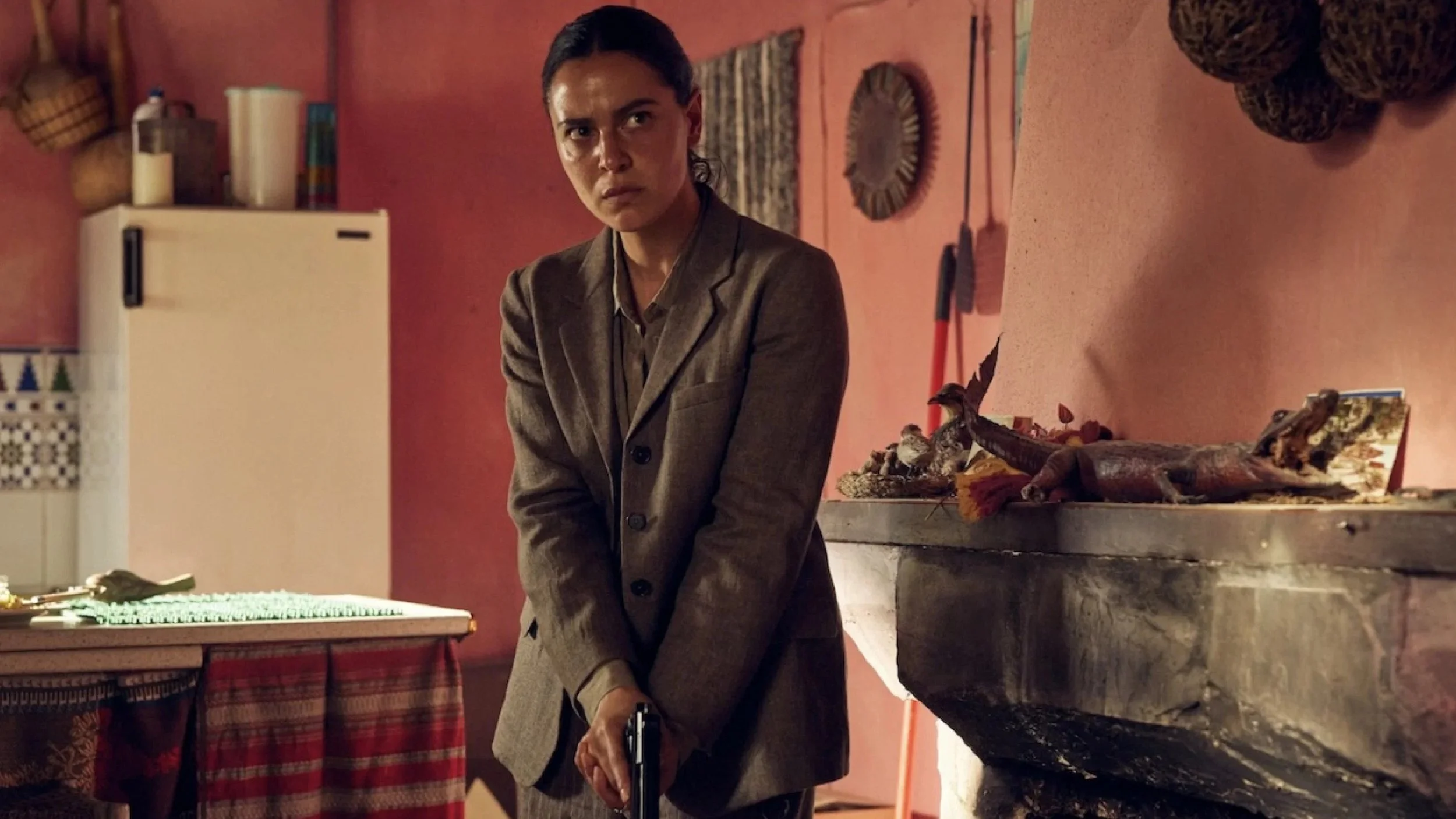
Meanwhile, in Cairo, detective Dalia Zaki (May Calamawy) investigates Katie’s disappearance and attempts to find the person who kidnapped her, but what she discovers is beyond what was initially thought possible. These threads will eventually interlink in one hell of a crazy, action-driven denouement, always thinking about how to give the audience visceral, often intense thrills through its staggering use of dynamic camerawork and precise sound design. The overuse of split diopters might tire people who aren’t fans of the work of Brian De Palma and cinematographer Stephen H. Burum, but Cronin uses them all effectively, even when he bathes in Sam Raimi-esque baroque compositions as the film gets more freaky and darkly comedic.
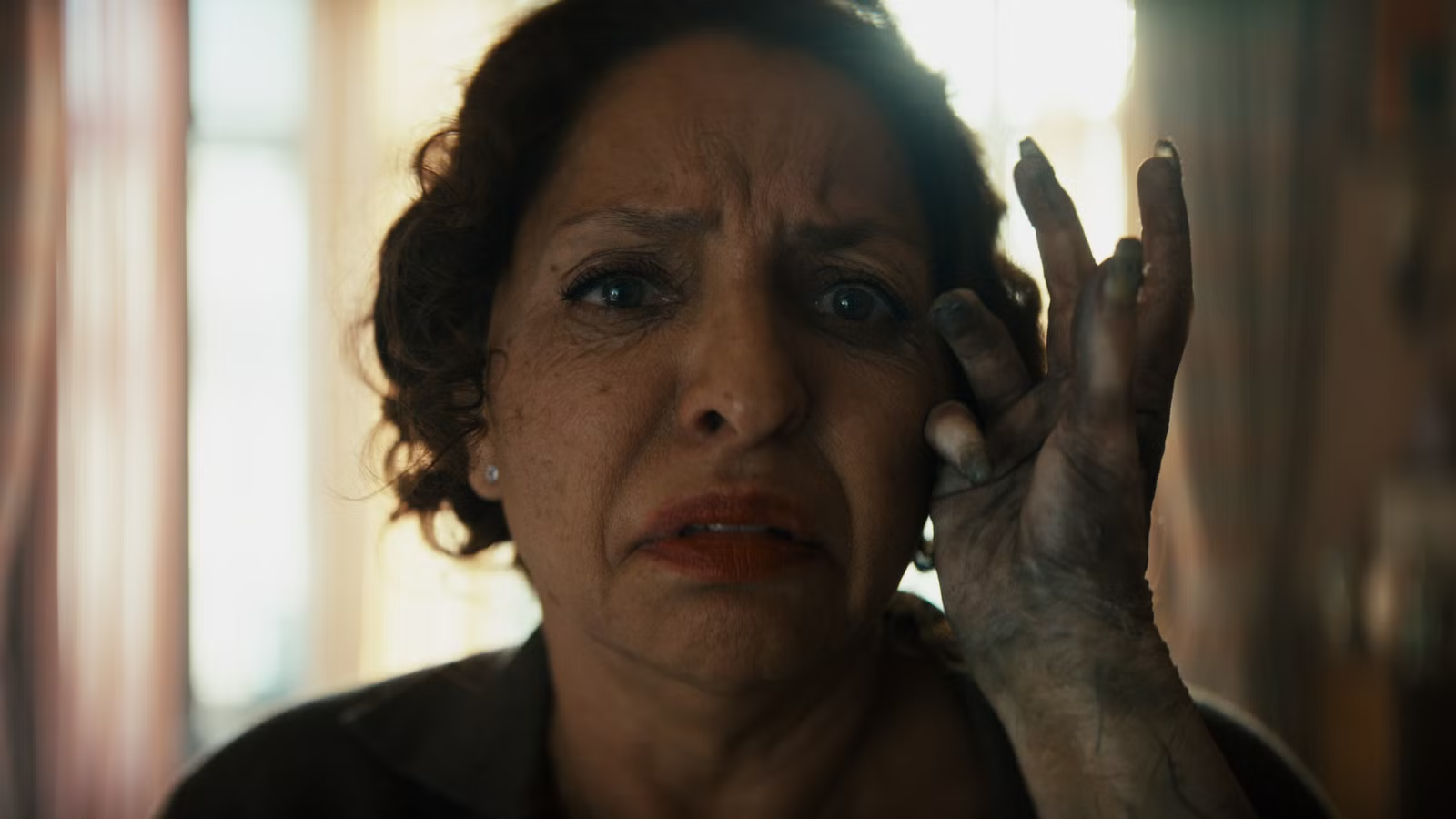
However, the most impressive aspect of Lee Cronin’s The Mummy is its intricate sound design, crafted with immense thought for the IMAX temples by Peter Albrechtsen. The Danish sound designer continues his collaborations with Cronin and lays everything out on the subwoofers and spatial speakers to make us feel every ounce of Katie’s possessed spirit taking hold of the Cannon family. Never will I hear nails clipped the same way ever again, even when I am clipping my own nails (perhaps I’ll never use a clipper again, but that’s a story for another time). Each sound is so specific and always arrives at the most effective moment. It creates an indelible atmosphere that one can’t shake away from, even during scenes where nothing “horrific” happens on screen, but the ambient noises paint something much darker than what’s being directly shown in front of us.
It feels like the most expensive of Blumhouse productions (the plane crash is genuinely jaw-dropping), but maybe that’s just because Cronin is such an adept filmmaker that he can make everything look grand in scope. The camerawork is always playful and continually adapts itself to the situations at hand. Some of the gore-driven setpieces might be a bit too much on the Grand Guignol side, but that’s exactly what differentiates Cronin’s take on The Mummy from all of the other prior readaptations of Freund’s ur-text. It’s a movie that is more concerned with giving audiences an experience instead of a narrative, which can often hamper some of the emotional beats of its human-driven story, but Cronin more than compensates with an array of profoundly nasty and downright creative sequences that it almost doesn’t matter.
You can tell the actors are having fun at the audience’s expense and enjoy participating in sequences of extreme gore, and it’s so damn cool to watch. Calamawy might have revealed what happened to her character’s neck by wearing SFX during the movie’s world premiere, but none of you are prepared for what’s actually in the scene. It’s so unexpected, but a perfect distillation of Cronin’s DNA: if it looks cool and if it will actually give actors room to play, we’re doing it. The Moon Knight actress more than understands the assignment of playing an obsessed detective who will stop at nothing before she finds Katie’s perpetrators, and shows a broad range of complex emotions throughout her time on screen. Similarly, Reynor gives an impactful – and emotive – performance as a father who knows what the right thing to do is to potentially save her daughter, but can’t bring himself to say it, or even accept his fate.
But the real star of the picture, in real Linda Blair fashion, is Natalie Grace, whose portrayal of Katie is, of course, inspired by the greatest possessed character in film history, yet she still completely steals the spotlight from everyone. The horror (and dark comedy) works, in parts, because of her and Cronin’s desire to push his actors in territories they likely wouldn’t have explored if it weren’t for his desire to explode the screen with blood, dead skin, embalming fluid, and lots (and lots) of vomit. Perhaps too much. Whatever. But he never holds back. That might be his strongest asset as a filmmaker. He commits to a bloody and incredibly nasty perversion of Freund’s The Mummy and runs with it for 134 relentless minutes, even adding new mythology to the legend through Zaki’s detective investigations that have a strong air of Se7en to them.
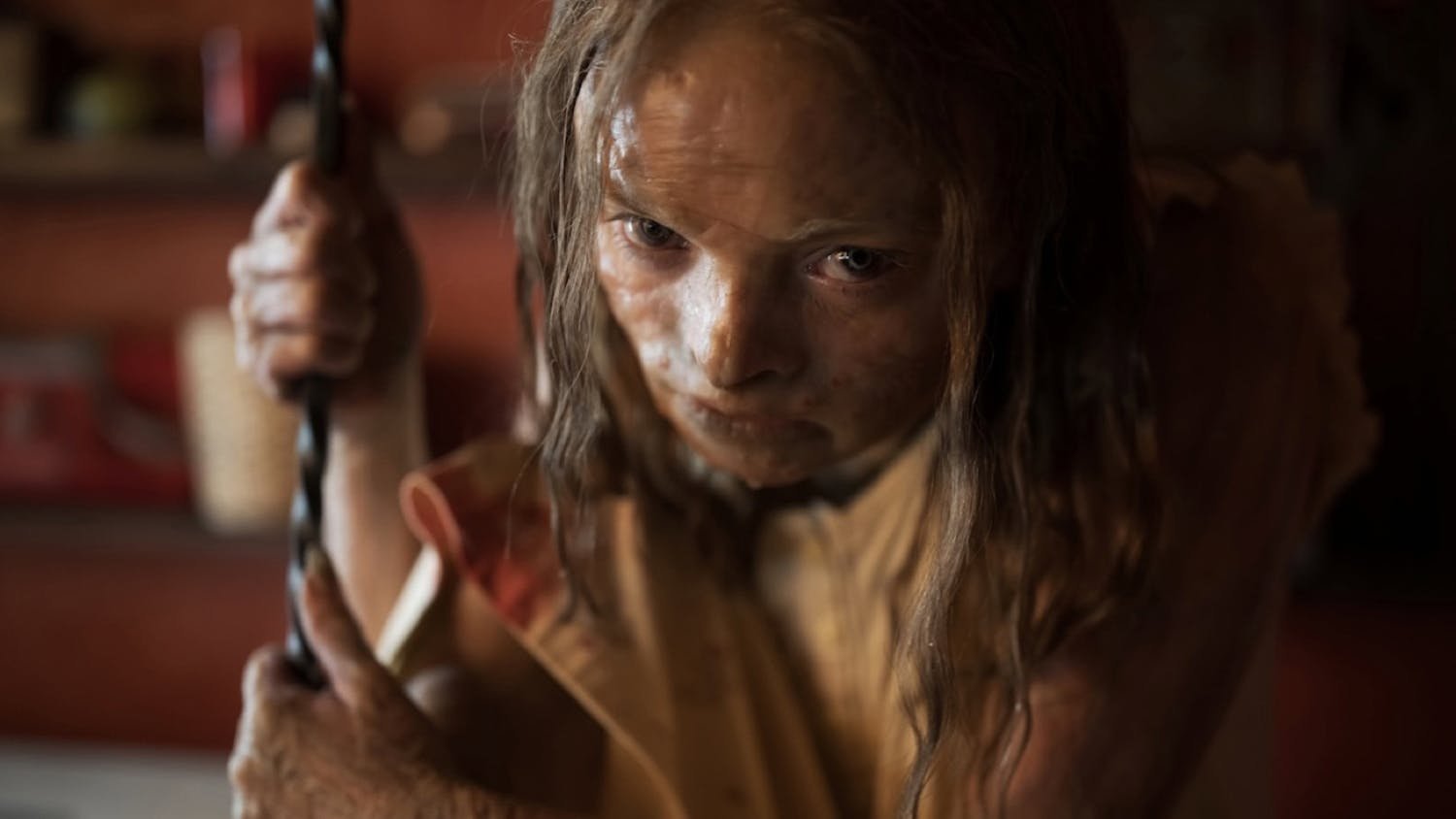
Even with its obvious inspirations, Lee Cronin’s The Mummy still satisfies as a gloriously violent piece of popcorn entertainment that might as well surpass the Brendan Fraser pictures (definitely all of the horrendous Scorpion King sequels and follow-ups to the original Universal Monster movies). It attempts something new with the Mummy myth and more than succeeds in giving us a textured, downright mean-spirited theatrical experience we won’t soon forget. In that regard, one is eager to see what Cronin will cook up next in the horror realm…