
'X-Men 97' Season 2: Episodes 7-9 Recap and Review: A Disappointing Second Season
with x-men 97’s second season wrapped, most superhero fans can’t help but be utterly disappointed with the end result.
When I wrote my first review for ‘X-Men ‘97’s second season, I said that there was potential for the show to improve in all aspects. Six weeks later, I worry that I should've held my tongue. Half-written by disgraced former showrunner Beau DeMayo before Marvel passed the torch to ‘What If…?’ writer Matthew Chauncey, X-Men ‘97 season two suffers from a weighty sense of unevenness. The first four episodes are good—if not great—though my interest waned as the season spun its wheels. Such meandering is excusable, but only if the season were eighteen episodes instead of nine. It’s more worldbuilding and lore expansion than a cohesive season of television, marking a noticeable dip in quality from season one.
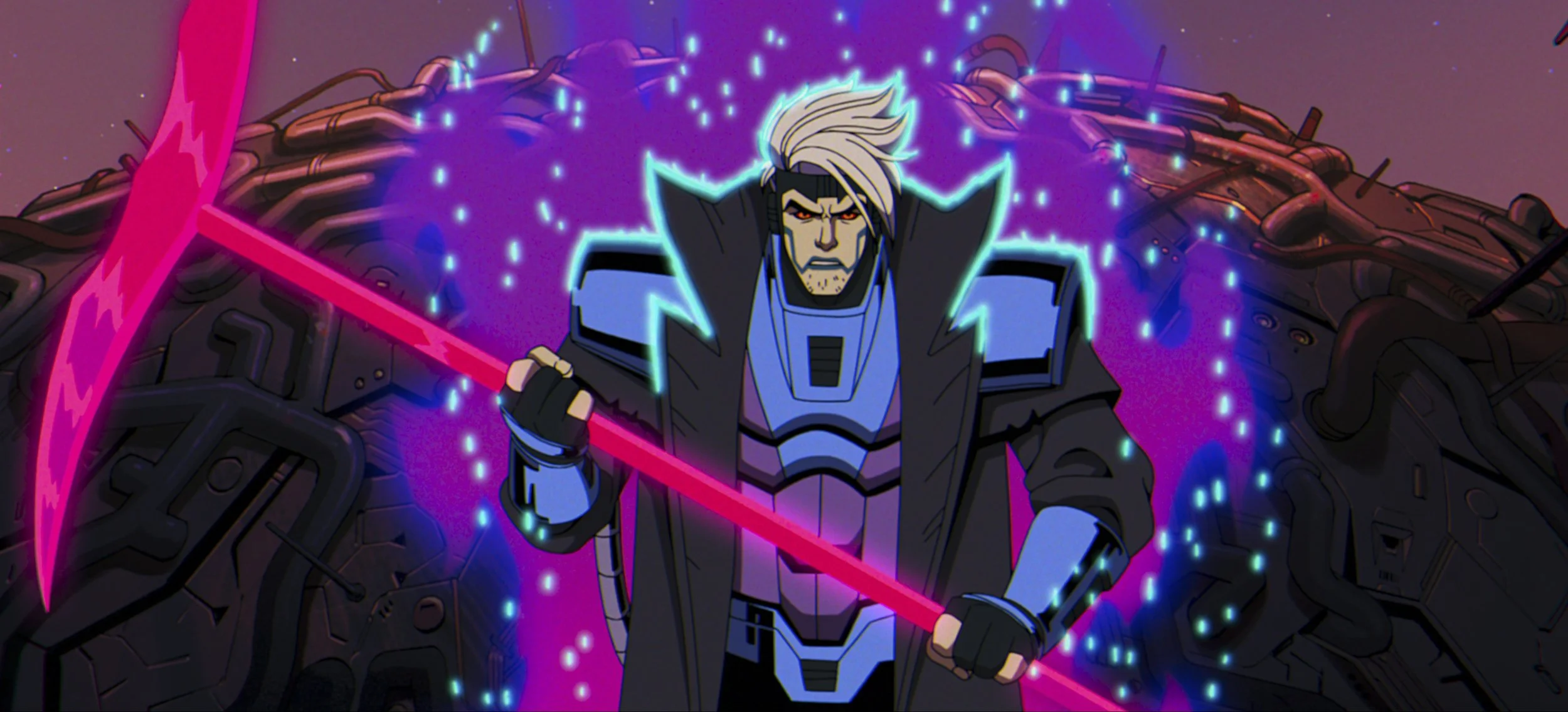
Season two’s sixth episode ended with supervillain Apocalypse resurrecting Gambit, teasing a potential heel turn for the Cajun card magician. Episodes five and six were both complete offshoots from the Apocalypse storyline, while the seventh, “Strange Land, Savage Heart,” also had no relevance to the overarching season. Paradoxically, it’s also one of the better episodes of the season. If we had enough episodes to justify further worldbuilding and setup, this wouldn’t be an issue. Instead, we’ve only gotten morsels of the overarching story via successive codas in this episode and the one before it. Potent as the episode’s musings on prejudice are, surely there’s a better way to integrate these themes within the central storyline.
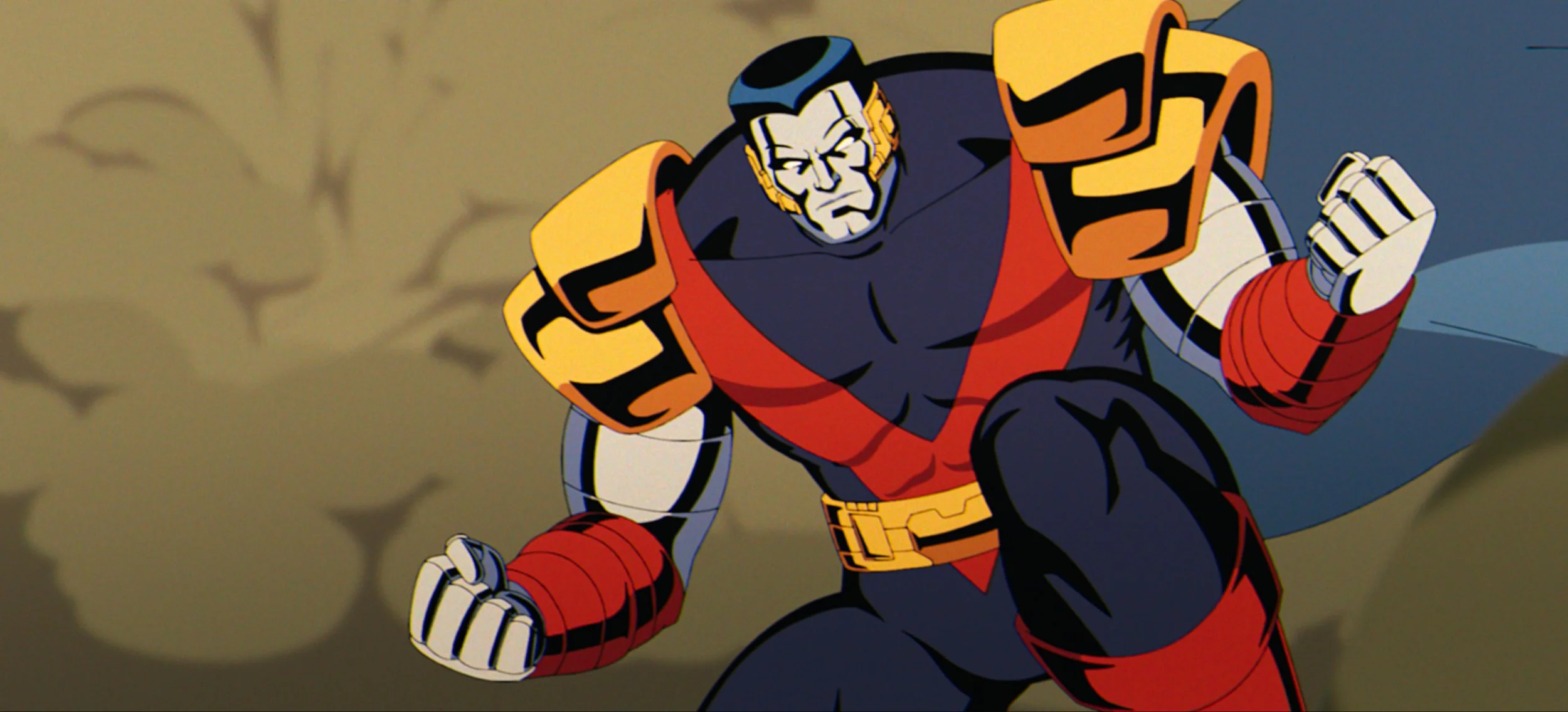
What’s particularly frustrating is that the first four episodes did integrate such themes within the central storyline. Magneto died trying to rehabilitate Apocalypse in hopes of preventing anti-mutant stigma, and that thread evaporated along with the metallic magician. Episode seven is essentially a courtroom drama in which Nightcrawler defends anti-mutant presidential candidate Graydon Creed from execution. Set in an Antarctic “Savage Land” where dinosaurs still roam, Beast, Polaris, Nightcrawler, and Rogue go to extract Creed from a paramilitary mutant group called “The Acolytes of Magneto”. Its examination of polar radicalization is thought-provoking and quite timely, articulated on the mutant end by the steel-strongman Colossus. I did like this episode, although we have now spent three episodes away from anything Apocalypse-related.
Episode seven’s coda reveals that Apocalypse is dead, and the murderer quite literally left a calling card. Surprise! It’s Gambit! We gain more insight into Rogue’s romantic feelings for Gambit and the regret she carries in episode eight, a thread that runs throughout X-Men 97’s two seasons. The gang learns that Gambit is alive and mucking about in New Orleans with his childhood friends, transforming them into minions of Apocalypse. Turns out, as with most Apocalypse appearances, he’s possessed Gambit (it was most famously Cyclops in the comics and Xavier in X-Men: Apocalypse) and is using him as a new body. Rogue—who can siphon a mutant’s powers—tries to exorcise Apocalypse from Gambit, but to no avail.

Coincidentally miming a plot beat from Spider-Man: Brand New Day and Thunderbolts* (is this the new cliché?), Rogue manages to save Gambit after psychically linking with Xavier. The Rogue and Gambit reunion feels sweet and earned, even if it took a lot of beating around the bush. All the while, the military-run X-Factor has been working with the X-Men to stop Gambit, later conspiring with Cable’s X-Force to try and kill him before the dormant Apocalypse rears his head and wreaks more havoc. The stakes are set for an all-out catastrophe in the finale, with the stakes as personal as they are cataclysmic. That said, it’s a noticeable step down in narrative grandiosity compared to Bastion’s plot in season one.
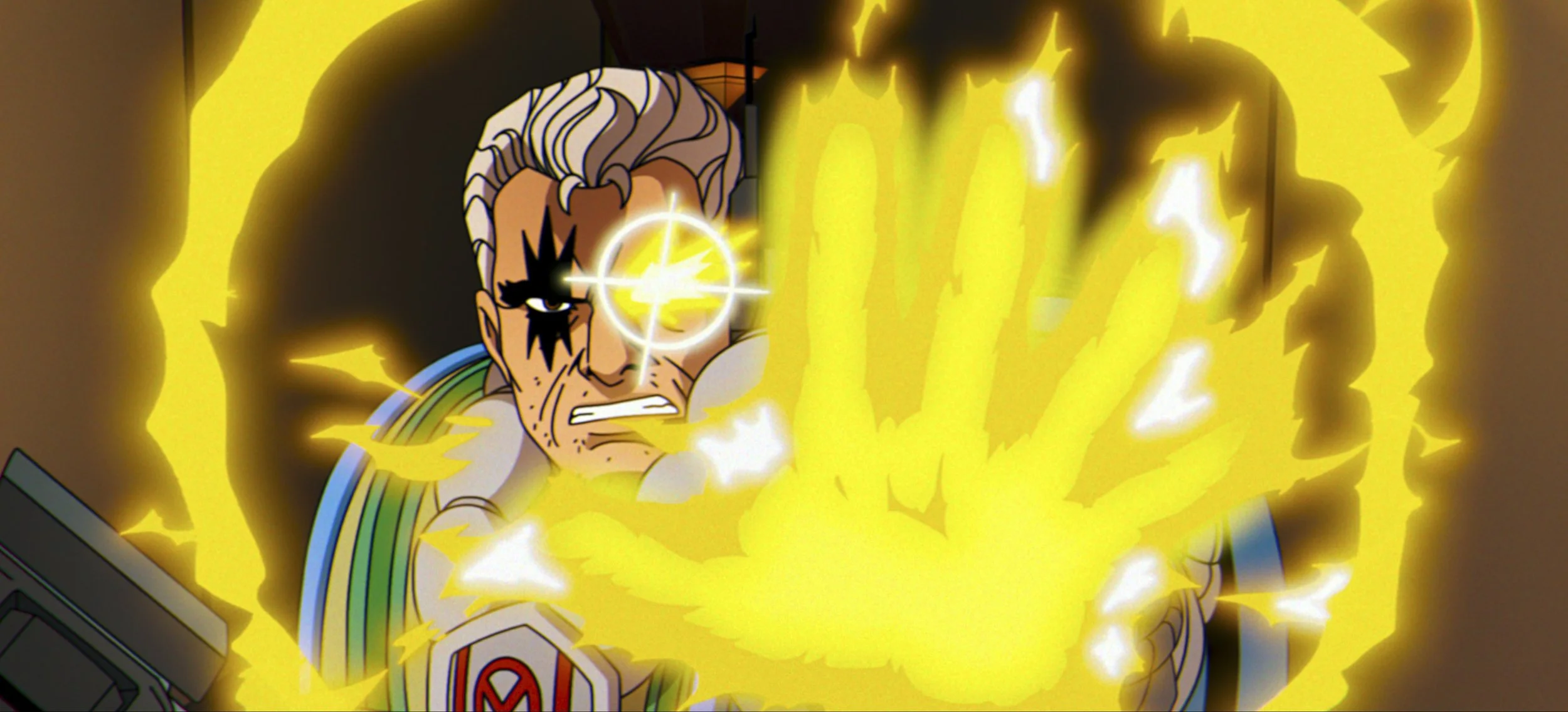
Collaborating on the joint operation to kill Gambit and, by extension, Apocalypse, X-Force and X-Factor attack the X-Corp tower (take a shot of whiskey for every X-group), prompting a total mutant battle in the skies of Genosha. Joined by humans piloting mutant-killing Sentinel suits, it’s a superpowered brawl realized in a bunch of very well-animated action sequences. I really love the way Cable’s powers are animated alongside his laser blasts, and the same goes for Bishop’s energy-absorbent abilities. Unfortunately, Cable breaks through the X-Men’s defenses and shoots Gambit, only for Apocalypse to unleash his full form. It’s an Apocalypse-Gambit hybrid design that looks absolutely awful; par for the course for a writer-showrunner involved with What If…?’s goofy costumes.
Meanwhile, Rogue, Beast, and Nightcrawler go to Apocalypse’s Ship in hopes of finding an answer to their problems, and Rogue makes a deal with the Celestial mind within it to save Gambit. She gains some dumb-looking armor in the process (because we can’t have nice things) and goes to rescue Gambit, while Nightcrawler makes a deal with the Celestial. The Celestial, Eson, asks for a sacrifice in place of a wish, a narrative convenience that doesn’t feel earned. Maybe if we had more episodes to bond with Nightcrawler other than episode seven, maybe it would’ve been effective, but who knows? It’s a disappointing finale, mostly because there wasn’t enough time spent building to that point.
Let this be a lesson to all showrunners and studios: we need more episodes per season! This extends beyond X-Men 97—a show like Shrinking would’ve had twenty-two episodes per season if it came out in 2015. Compared to season one’s consistency, season two is far more lopsided. The first four episodes promised something to rival the first season, only to squander all its potential. Capable as the animation and voice cast are, the positives don’t compensate for weak writing and dawdling. I can only hope season three will be better, and I hope even more that Jake Schrier’s upcoming X-Men reboot—slated for May 2028—is up to snuff. Otherwise, it’s looking rough for the children of the atom.