'28 Years Later: The Bone Temple' Review: A Tonally Daring Interlude
nia dacosta’s take on the 28 franchise brings bold tonal swings and dials up the madness
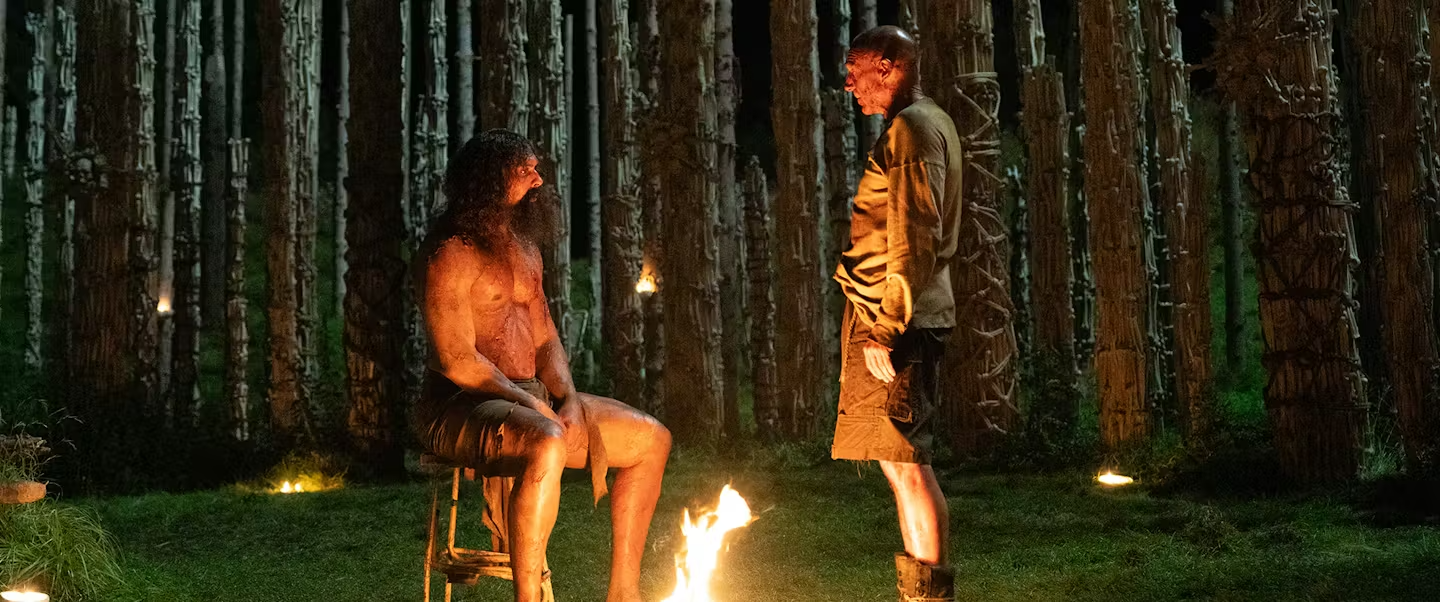
In large part, the ‘28’ franchise has stood out due to how each instalment in the series tonally varies from one another, and the zombie sub-genre at large. Both the original 2002 film, 28 Days Later and the recent legacy sequel, 28 Years Later stemmed from the creative duo of director Danny Boyle and writer Alex Garland, whose footprint on the saga at large is indelible, featuring lots of unexpectedly emotional storytelling coupled with frantic, innovative digital imagery. With such a remarkable return, 28 Years Later, it initially seemed like an odd choice to hand over the directing reigns midway into a hopeful trilogy, especially with Boyle set to return to helm the third instalment. Along comes Nia DaCosta, one of the more prolific young American filmmakers in the studio space. Much like Boyle, DaCosta has tackled a variety of genres, ranging from both indie and period thrillers in Little Woods and Hedda, as well as bigger studio films like The Marvels and Candyman, and slips into the zombie-ridden UK with 28 Years Later: The Bone Temple.
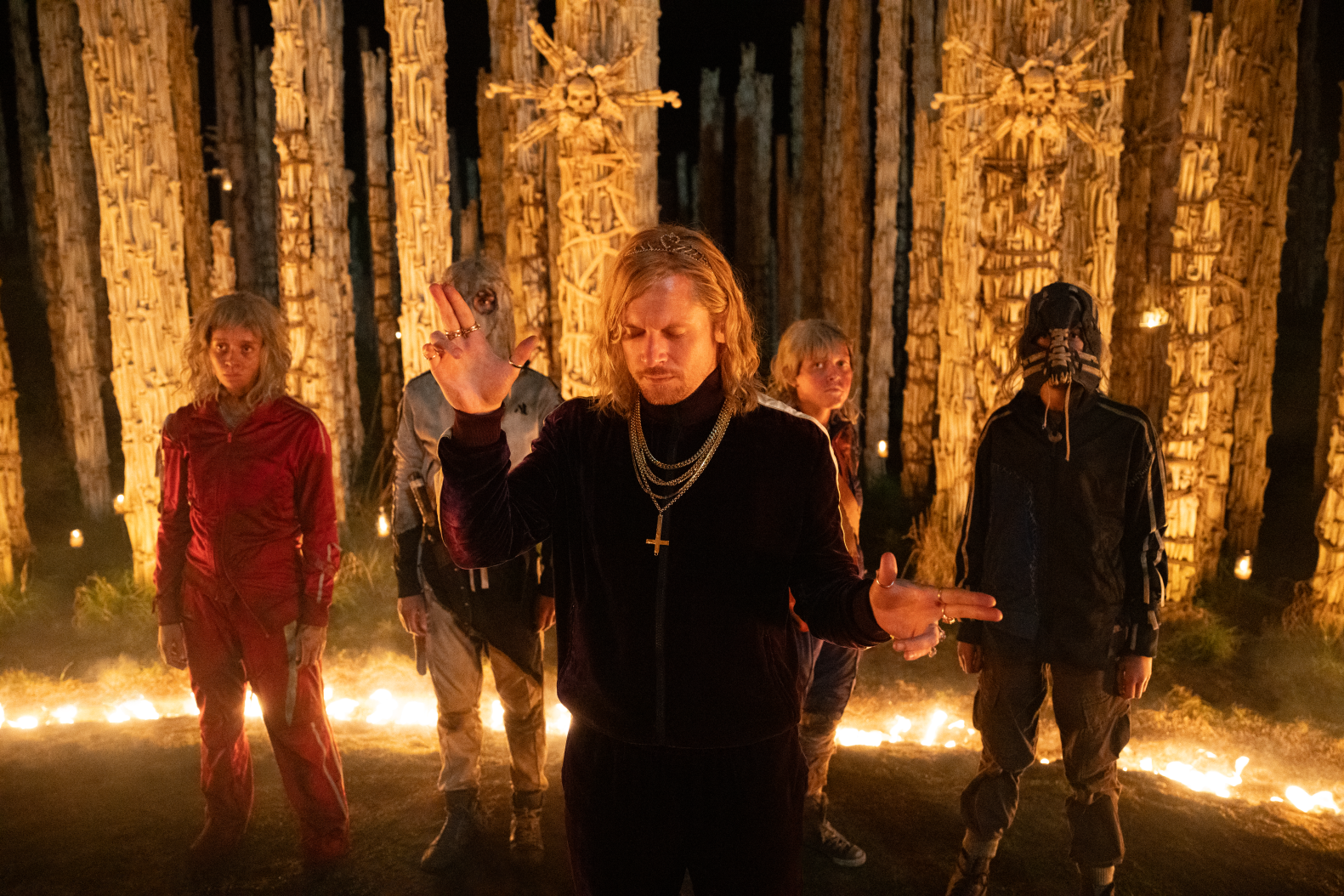
The film picks up almost directly after the ending of its 2025 predecessor, with newly independent protagonist Spike (Alfie Williams) joining forces with the ‘Jimmys,’ a psychotic group of tracksuit-clad renegades roaming the desolate and dangerous English Highlands, who were introduced at the very end of 28 Years Later, in a very kinetic and bloody scene that many deemed a tonally jarring to an otherwise quite profound film. Thanks to a powerhouse turn from newly-minted horror favourite Jack O’Connell as the lead Jimmy, Jimmy Crystal, The Bone Temple runs with the off-kilter energy promised at the end of its predecessor, albeit in a much more restrained way, while being sure not to lose much the pathos of the previous Garland entries.
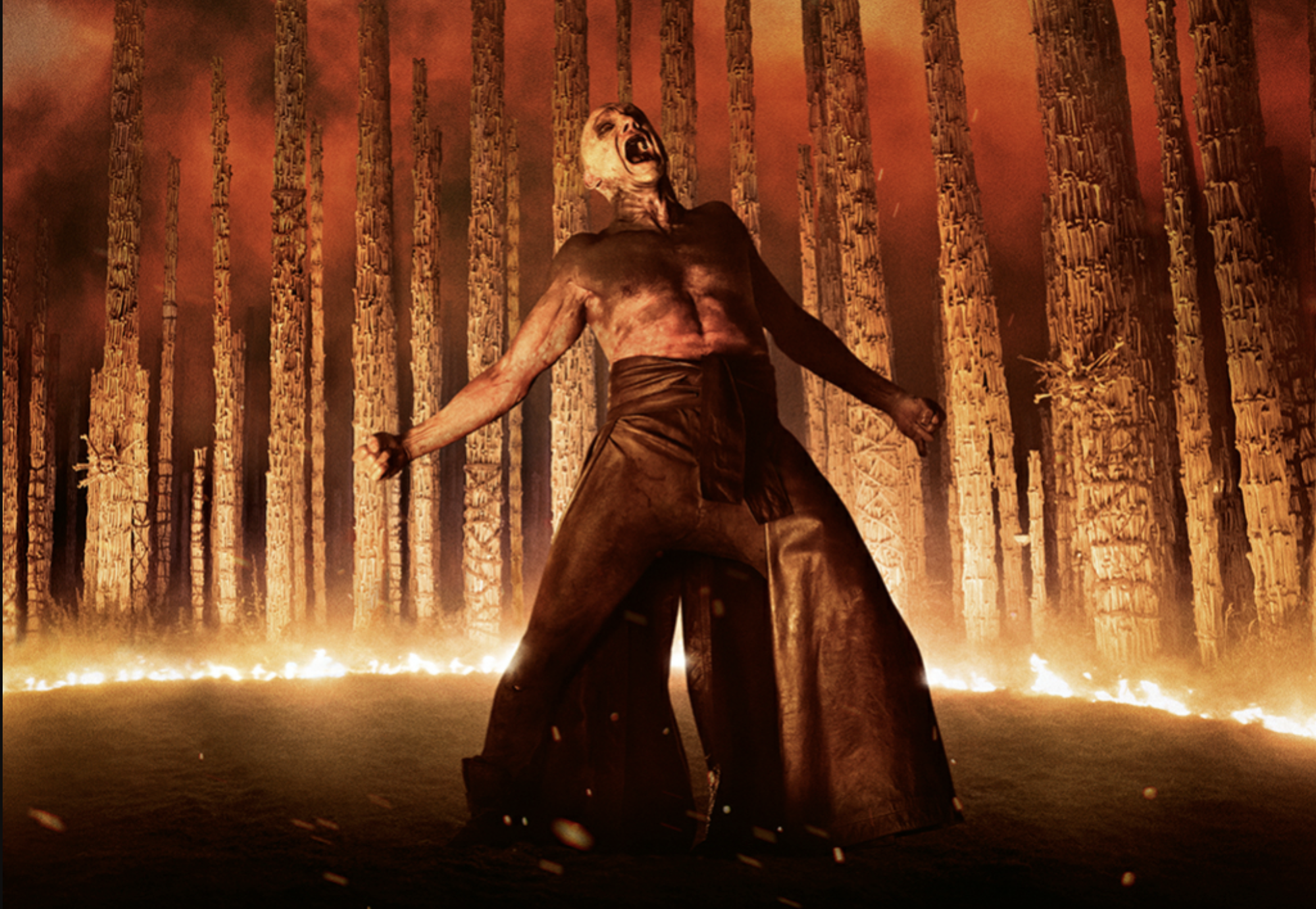
Perhaps what’s most surprising about The Bone Temple are both its structure and style. Despite running under two hours, 28 Years Later very much felt like a sort of epic, giving its protagonist, Spike, a very well-rounded and emotionally fulfilling journey of acceptance, bravery, loss and independence. The Bone Temple, while a direct sequel, is less focalized around Spike, and now mainly around Dr. Ian Kelson, (Ralph Fiennes) the creator of the eponymous bone temple, and the kind, enigmatic doctor who helped Spike and his mother in the previous film. At once, the film can be violent, gory and genuinely suspenseful when following the Jimmys as they ravage the green wastelands, while being deeply profound and funny when following Kelson as he tries to rehabiliate the zombie alpha known as Samson (a wonderful Chi-Lewis Parry, whose menacing presence in Years transforms into a gentle, captivating Shelley-esque turn). Switching between surprisingly pleasant montages set to diegetic needle-drops and explicit torture scenes with shades of Michael Haneke without tonal whiplash is a tight rope to walk, one that DaCosta walks rather comfortably.
Sure, some things may still seem absurd, but such is the case in this unique setting, as established by Garland through the more comedic scenes in previous entries. DaCosta and Garland very much lean into the juxtaposition, with many parallels to be drawn between the thematic dichotomy between Kelson’s arc of belief in the old world and rehabilitating it, and Jimmy Crystal’s and his group’s modus operandi being driven by a warped faith, as a result of their upbringing in the deranged world of the film. As mentioned, the film is much lighter on the Spike character than its predecessor, a decision that may seem especially jarring, given that Spike was very much set up to be the audience’s in, and the ostensible protagonist of this new saga. While Alfie Williams is able to bring the same authenticity to the young man as he faces even more perilous and morally challenging scenarios, this is very much the Ralph Fiennes and Jack O’Connell show this time around. It should come as no surprise to any modern moviegoer that Ralph Fiennes is among the best of his generation, and The Bone Temple is a nice reminder of that, letting us see audacious new sides of him that few might expect from someone with such an expansive career. Jack O’Connell continues his villainous hot streak, bringing a sense of deep confusion and layered hubris to such a volatile character that could have easily just been reduced to a cartoonish, ‘Joker-esque’ antagonist. Erin Kellyman is also a standout here, as Jimmy Ink, a rebellious member of the Jimmy crew that looks out for Spike amidst the gang’s infighting.
While DaCosta is a steady hand, the loss of Boyle’s ultra-stylized approach to this world is missed in some ways. Past cinematographer Anthony Dod Mantle’s iPhone rigs and aggressively digital cinematography are traded for Sean Bobbitt’s more moody visual style in Bone Temple, with the eclectic score from Scottish hip-hop group Young Fathers traded for Hildur Guðnadóttir’s more cerebral score. These shifts, while they do pale in comparison to the previous film, do work well enough to support the more methodic burn of The Bone Temple, and thanks to DaCosta’s sensibilities, the shift is not too distracting, with the film being immersive enough to have the changes be a afterthought. Again, credit must be given to DaCosta, who’s given a script with much more stacatto, opting for a much more restrained direction for the film in tandem. This makes the big set pieces much more satisfying, and DaCosta delivers, with a slew of memorable set pieces that are built around diegetic needle-drops and deliver true crowd pleasing developments with stride. Ultimately, both of the film’s main storylines coalesce in a truly surprising fashion, and making for a wonderfully memorable set piece, capping off the runtime worth of madness. Not everything works tonally, but it’s hard to imagine a packed crowd that won’t at least have some big audible reactions to the film’s swings.
Much will be made of The Bone Temple in relation to its predecessor, and while this is natural for all sequels, the ironically short release gap of around 28 weeks between the two will definitely affect how some will approach the film. However, The Bone Temple is ultimately a proudly weirder take that requires a bit of buy in, which will go a long way. Though it may not feel like the most complete entry in the series, The Bone Temple mostly maintains the mix between emotionally resonant exploration of humanity through uncertainty and good old fashioned zombie genre thrills that have anchored the series so far, with darker turns and some genuine new thrills of its own, all while successfully passing the proverbial baton back to Danny Boyle for the third instalment in this promising trilogy.