
'Godzilla Minus Zero' Review: A Miraculously Satisfying Sequel
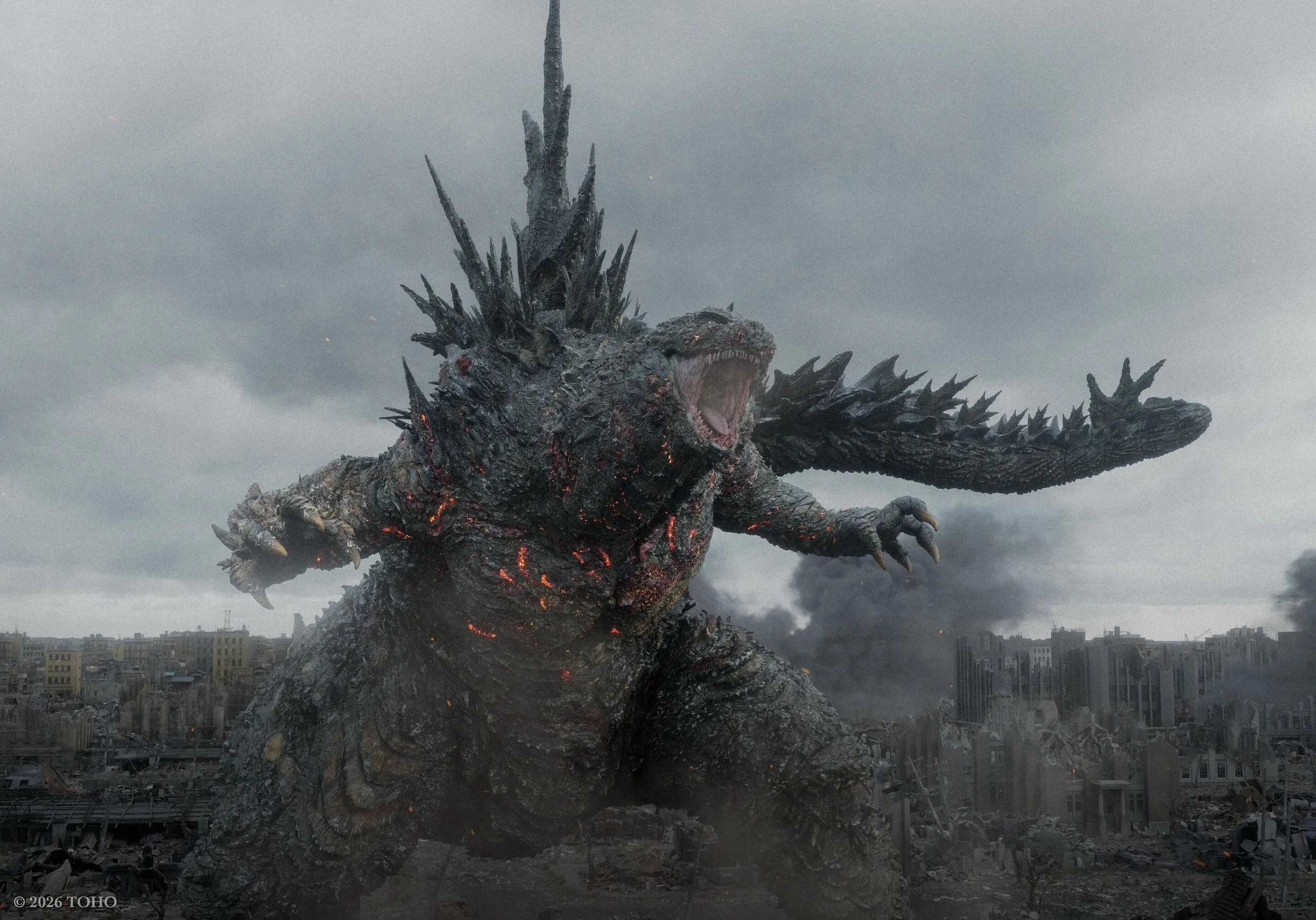
After taking the world by storm with the beloved Godzilla Minus One, director Takashi Yamazaki returns with the highly anticipated follow-up Godzilla Minus Zero. Fortunately, this is a miraculously satisfying sequel that only enhances the visual and emotional scope.
‘Godzilla Minus Zero’ takes place two years after the events of ‘Godzilla Minus One’ in 1949 as it centers on the Shikishima family as they attempt to reconcile their trauma and push forward in the wake of Godzilla’s mass destruction. Unfortunately, making matters even more complicated is a new threat that looms large as it puts their family and the rest of the world once again in harm’s way.
Following in the footsteps of its predecessor would be an unenviable task for any director, but director Takashi Yamazaki proves to be more than up to the task at hand. From the opening scene alone, the visual scope feels significantly larger and more expansive, expanding this world he’s created rather than constricting it. The set pieces he and his immensely talented team have crafted here are nothing short of spectacular, each action sequence more visceral and immersive than the last as he takes what worked in the original, dials it up considerably and simply refines his singular vision that is aided once again by wonderfully realized and meticulously detailed visual effects that are even more impressive in this second installment. This is a film that yearns to be seen on the biggest screen possible, the enveloping visuals and stellar sound design making this one of the best theatrical experiences of the year. However, Yamazaki never forgets to put his characters first, a choice that served him well for the first film and even more so here in this second installment.
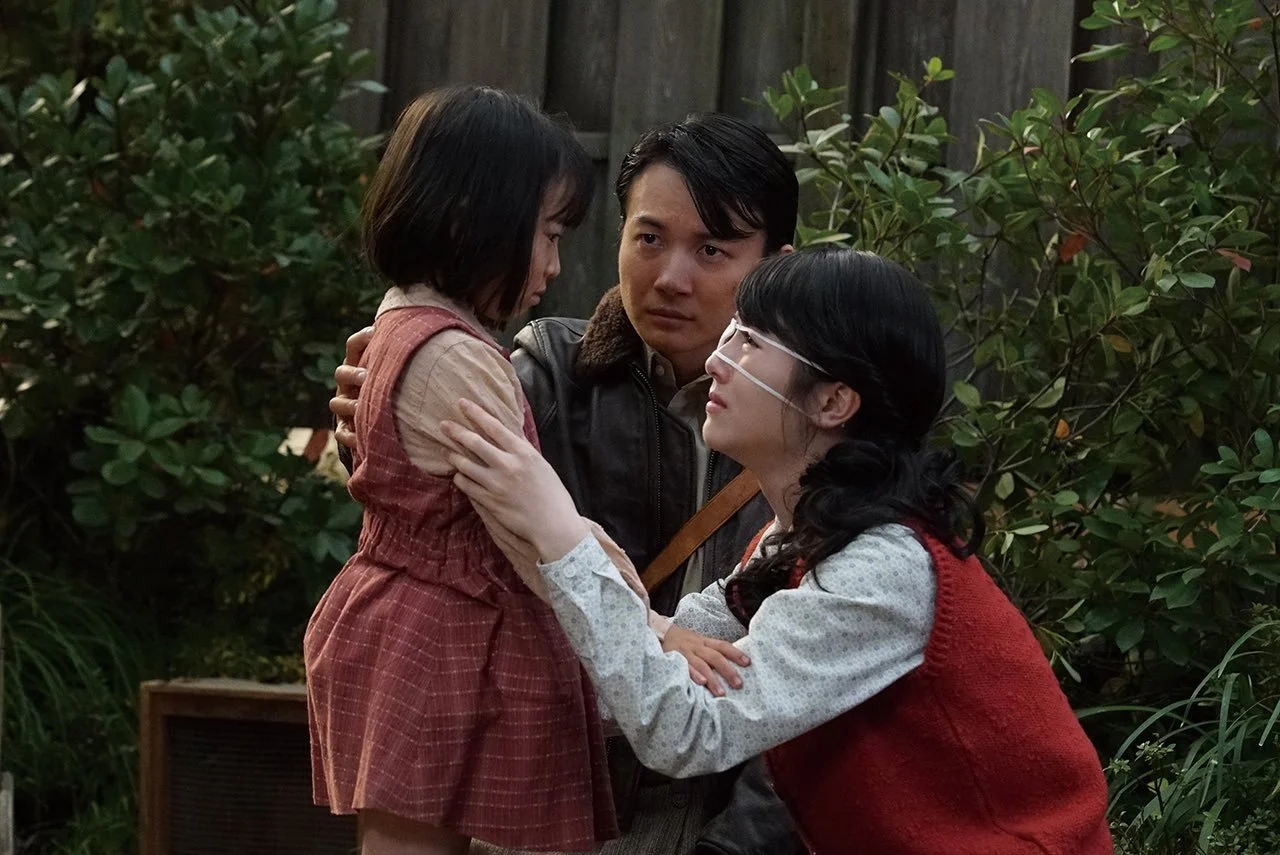
The Shikishima family is the beating heart of the sequel, the film establishing their close-knit, loving dynamic effectively as it explores their collective trauma after witnessing the death and destruction caused by Godzilla. Noriko (Minami Ôishi) helps out in her community as best she can aiding those in need of medical assistance and emotional support while Kôichi (Ryûnosuke Kamiki) leads a more grounded lifestyle away from any sort of aerial combat in order to be there and stay out of harm’s way for Noriko and their child. The dynamic between the three of them injects a considerable amount of heart and pathos into the film, creating a terrific emotional foundation before the destruction and Kaiju mayhem inevitably begins. Like its predecessor, this is a genre film that is deeply rooted in character, never feeling like a hollow, emotionally vacant exercise.
The film also effectively delves into the aftermath and emotional aftershocks of war as it not only explores the difficulties the Shikishima family is facing, but their surrounding communities as well. The film doesn’t shy away from the fact many children were left orphans, cities were laid to waste and that many families were permanently displaced in Godzilla’s destructive wake. In a lesser storyteller’s hands, these explorations could feel half-hearted or under-developed, but Yamazaki makes sure that as much as he’s delivering popcorn entertainment, he’s also delivering an emotional potent tale of grief, trauma, evolution and human connection. He’s able to balance the entertainment value and emotional exploration effortlessly with a deft hand, never relying or leaning too heavily on his titular Kaiju to keep the audience engaged and invested.
His script and overall storytelling remains sharp as ever. Despite the sequel’s darker tone, he’s able to naturally implement needed bits of humor that not only provide needed emotional relief, but never shortchange the drama and blunt its impact. The way he expands the lore and mythology of Godzilla and this universe he’s slowly and methodically building out is also very well-realized, adding fascinating and exciting new wrinkles to this world and the characters within it to plant seeds that beautifully come to fruition over the course of the film’s relatively beefy runtime. It’s abundantly clear that Yamazaki loves being in this playground with these tools at his disposal, not wasting a single one as he makes great use out of every penny of his modest budget for such a large-scale film.
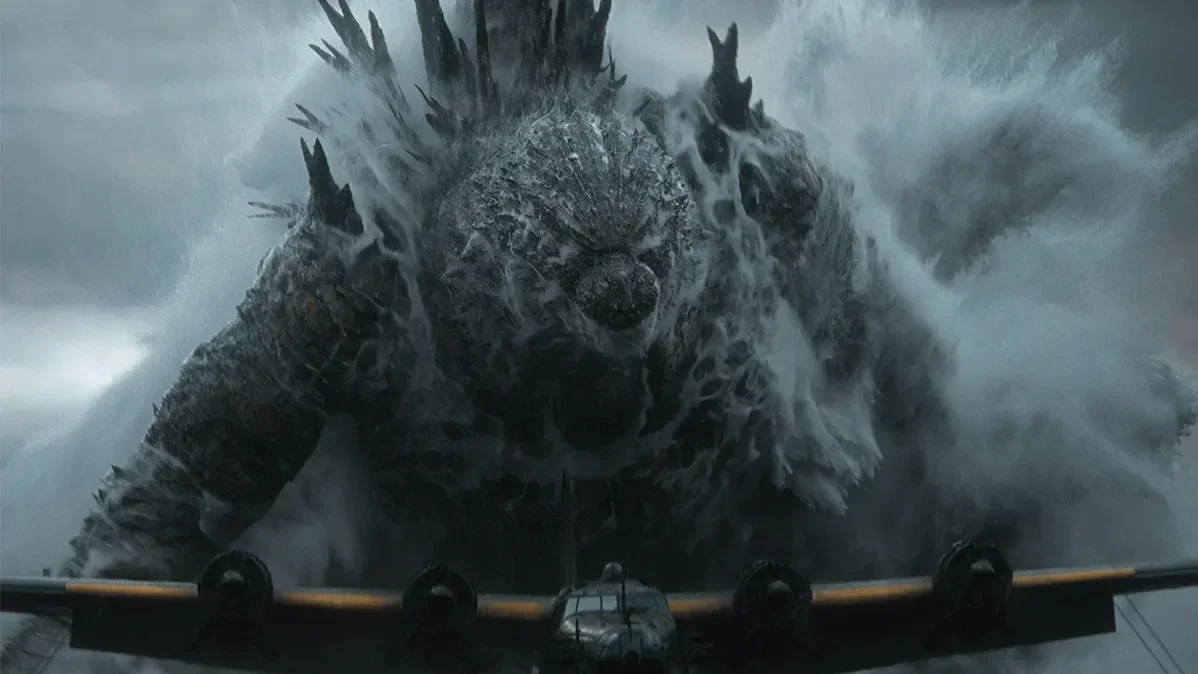
The only areas where this follow-up hits a snag are in its pacing and the development of the supporting players. Clocking in at nearly two and half hours, the pacing isn’t exactly breezy or light on its feet. The momentum is largely inconsistent, some scenes dragging on far too long as it takes a bit too long to find its groove and begin firing on all cylinders. While the performances across the board are strong, many of the fresh faces and newly established characters get little to no depth in order to make them have any sort of lasting impact. Yes, this film has plenty on its mind, but it could’ve benefited from giving some of its supporting characters far more meat on the bone to chew on.
‘Godzilla Minus Zero’ not only reaches the dizzying heights of its predecessor, but manages to surpass them, delivering a viscerally entertaining and emotionally potent sequel that heightens the stakes ten fold. Yamazaki not only is able to re-capture the lightning in the bottle, but shatter fan expectations in every conceivable way, cementing himself as one of the best blockbuster filmmakers working today the most safe, assured hands to put this Kaiju in.