
'Whalefall' Review: A Ferociously Visceral Survival Film
After making a notable splash with his sci-fi film ‘No One Will Save You’, writer/director Brian Duffield is back with his latest feature ‘Whalefall’, a ferociously visceral sci-fi film that will give audiences a new reason to not want to go back in the water.
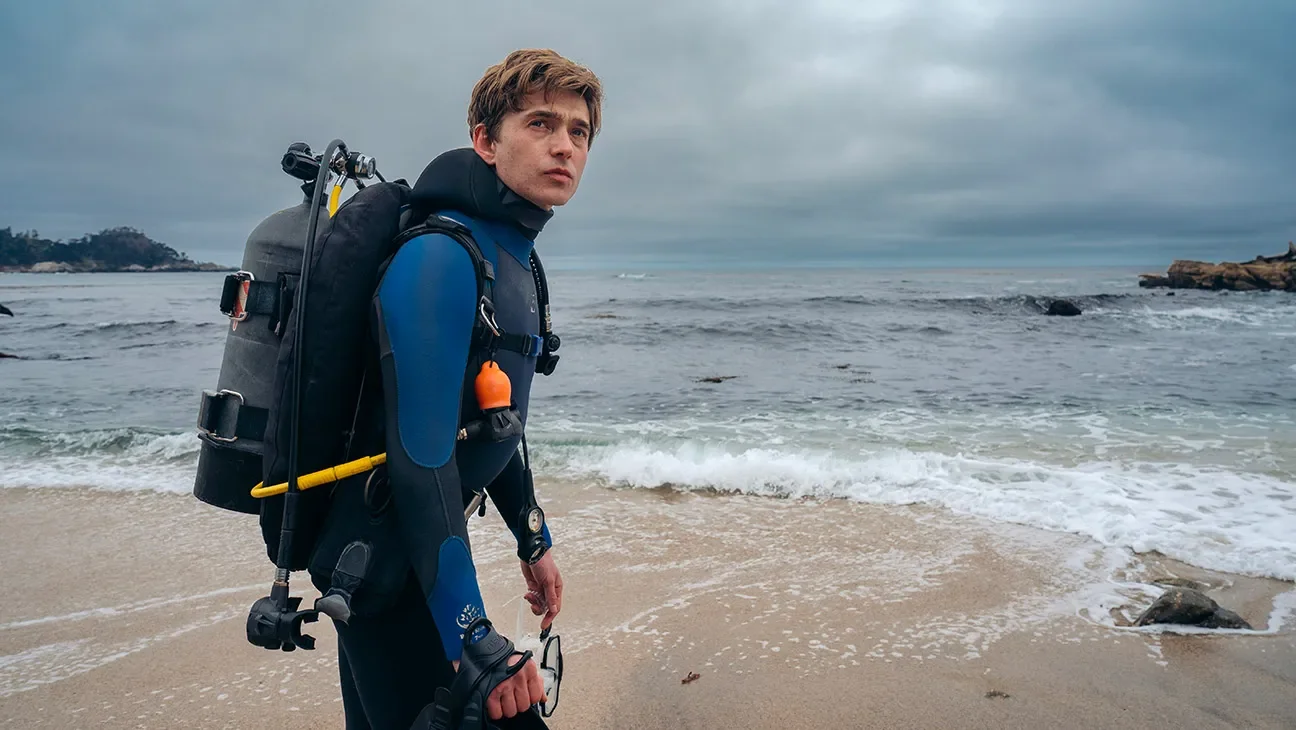
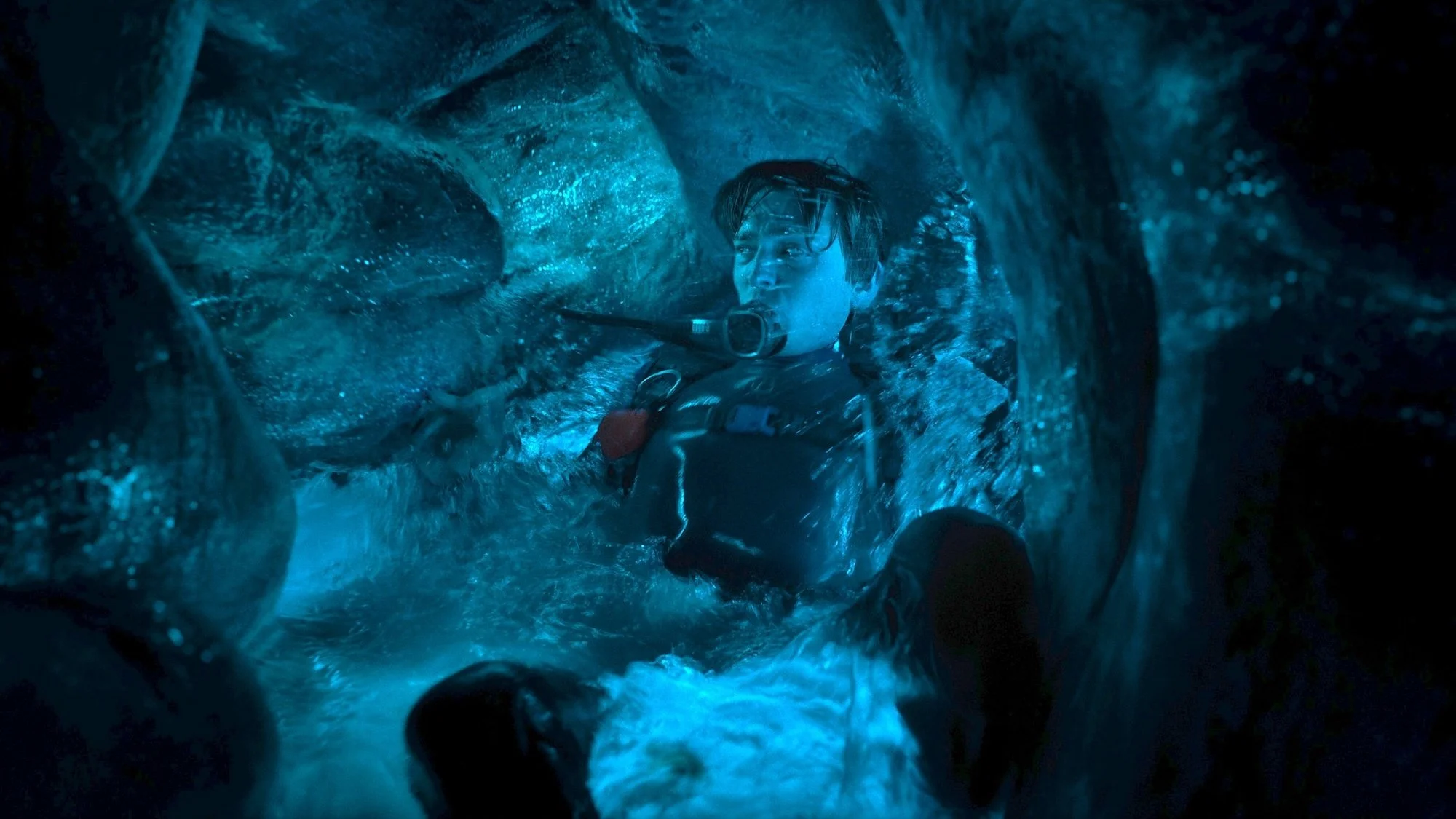
‘Whalefall’ centers on a young scuba diver named Jay Gardiner (Austin Abrams) who, while attempting to find his father Mitt Gardiner’s (Josh Brolin) remains, is swallowed whole by a colossal, 80-foot sperm whale, leaving him in a dire situation where he has just one hour of oxygen to use in order to make his escape and survive. After making great use of a modest budget in his previous film ‘No One Will Save You’, writer/director Brian Duffield was an inspired choice to take on such a fun concept, especially with more tools at his disposal.
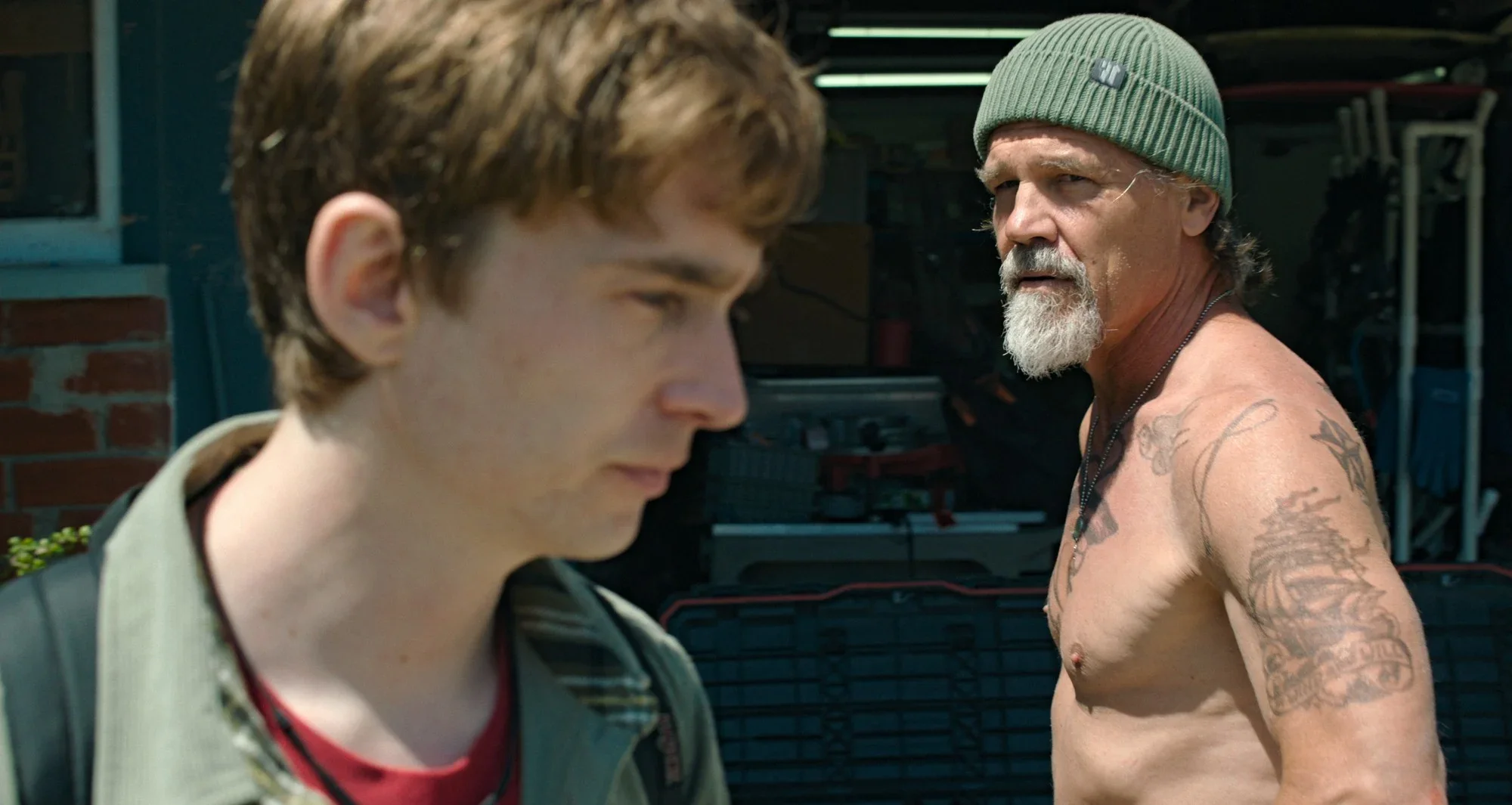
Duffield chose the perfect leading man in Abrams, an actor who has proven in the past several years to be one of the most physically dedicated performers of his generation, a skill set that makes him the perfect choice for the part. Abrams carries the film on his shoulders with effortless ease, once again delivering an emotionally and physically committed performance that sells every ounce of horror, pain, humor and heartbreak as he navigates Jay’s precarious situation and takes the audience along for a wild ride with him. Abrams and Brolin are dynamite together, the two of them sharing a palpable chemistry as they’re both able to flesh out the emotionally complicated father and son dynamic they share with care and nuance, providing the film with the prickly heart at its center. Their relationship, which is given effective and compelling development through a series of intermittent flashbacks, not only provide Jay with helpful tips and tactics he can utilize in his current situation, but provide the film with an emotional undercurrent that keeps it propelling forward with hardly any pacing issues.
Duffield’s direction is also terrific here, making phenomenal use of the film’s impressive practical sets and effects to properly showcase how uncomfortable, dangerous and claustrophobic Jay’s situation is throughout as he fights to survive, the blend of practical and visual effects making everything feel tactile and wonderfully grotesque. Duffield’s confident, dynamic direction and DP Aaron Morton’s voyeuristic cinematography give the film a wholly enveloping atmosphere and tone, virtually never letting the audience come up for air as Jay faces one intimidating and terrifying hurdle after the next, the stellar sound design an added bonus that manages to make incredible use of the sound stage in order to fully immerse the viewer and swallow them whole, pun absolutely intended.
However, the film’s secret weapon are the flashbacks it uses to flesh out the relationship between Jay and his father. It’s clear from the outset that his connection with him runs deep, but is riddled with pain, anguish and plenty of peaks and valleys, especially following his death which left him with very little closure. The flashbacks do a tremendously effective job not only propelling the survival potion of the narrative forward, but kicking the film’s emotional hyperdrive into high gear as it is able to allow the audience to understand why the very thought of his father sends Jay into an emotional tailspin and why his father chose to parent him so differently from his more well-adjusted siblings played by Jane Levy and Emily Rudd. It’s a kudos to both Abrams and Brolin that their scenes together never feel repetitive or redundant, always adding and not subtracting anything away from the film overall.
Unfortunately, the final act hits a bit of a setback as it barrels toward the climax of this survival tale. As Jay’s situation reaches its fever pitch and his oxygen begins to seriously dwindle, Duffield makes an storytelling decision that, while on paper might sound compelling, in practice comes across as needlessly and distractingly cheesy, nearly blunting the emotional impact of the film. Now this is a choice that may simply be adapted from author Daniel Kraus’ original novel on which the film is based, but it’s a storytelling device that works far better on the page than it does in live-action. The film leans heavily on this choice in order to bring Jay’s emotional journey to its ultimate catharsis, but as a result, it doesn’t have the potency it could’ve if Duffield chose to tackle the same material from a different angle.
‘Whalefall’ is a deeply entertaining and wholly immersive survival film that makes terrific use of its two central stars and its gnarly and delightfully gruesome practical effects. Duffield continues to be a gifted and unique storyteller, knowing exactly how to keep an audience on the edge of their seats while packing an emotional punch to boot. This genre film may not fully stick the landing, but it’s one exhilarating, high-octane adventure that deserves to be seen on the big screen.