‘You Can See Everything’ Review: Fielder and Oppenheim Break the Foundations of Documentary Filmmaking
No documentary this decade may be more form-breaking than Nathan Fielder and Lance Oppenheim’s You Can See Everything, which questions the very act of documentary (or vérité) filmmaking by continually examining the deceitful natures of Elizabeth Holmes and Billy Evans.
Errol Morris. D.A. Pennebaker. Pierre Perrault. Albert and David Maysles. Barbara Kopple. Agnès Varda. Peter Watkins. Frederick Wiseman. William Greaves. Wang Bing. Jean Rouch. Lance Oppenheim. Nathan Fielder. I’m being dead serious. Oppenheim is only thirty years old and has already developed a language that has completely redefined what documentary filmmaking should strive to achieve. It’s easy to make a didactic, “talking-heads” account of the event – or figure – you’re documenting, but what about an indescribable metatext on the act of performance itself through one of the most performative pathological liars contemporary has ever seen? Better yet, a film that will make you question the very nature of documentary filmmaking itself as a variation on the trickery and deception cinema is built on.
No one in cinema history has accomplished anything quite like You Can See Everything. If Some Kind of Heaven, Spermworld, and Primetime introduced a new and exciting voice to a dying art form (who actively watches documentaries in the year of our lord 2026 and why do few audiences pay attention to what’s occurring in that sphere?), Oppenheim’s collaboration with comedian Nathan Fielder – himself a form-blurring artist – is unlike anything made in the medium before, and this is no hyperbole. The review you’re currently reading will try to keep plot details to a minimum, but You Can See Everything might be the first documentary in history where not being spoiled is primordial to your bewilderment of what actively occurs at the heart of Oppenheim and Fielder’s almost three-hour-long mind-melter.
Fielder and Oppenheim open the film by documenting the day-to-day life of former Theranos founder Elizabeth Holmes, who will begin an eleven-year prison sentence in 34 days. Her “groundbreaking” technology promised patients that a single drop of blood could perform hundreds of medical tests in one machine, but it was a complete sham from top to bottom. Holmes and her accomplice, Ramesh “Sunny” Balwani, were convicted of defrauding investors, wire fraud, and conspiracy to commit wire fraud and will now spend a better part of a decade behind bars.
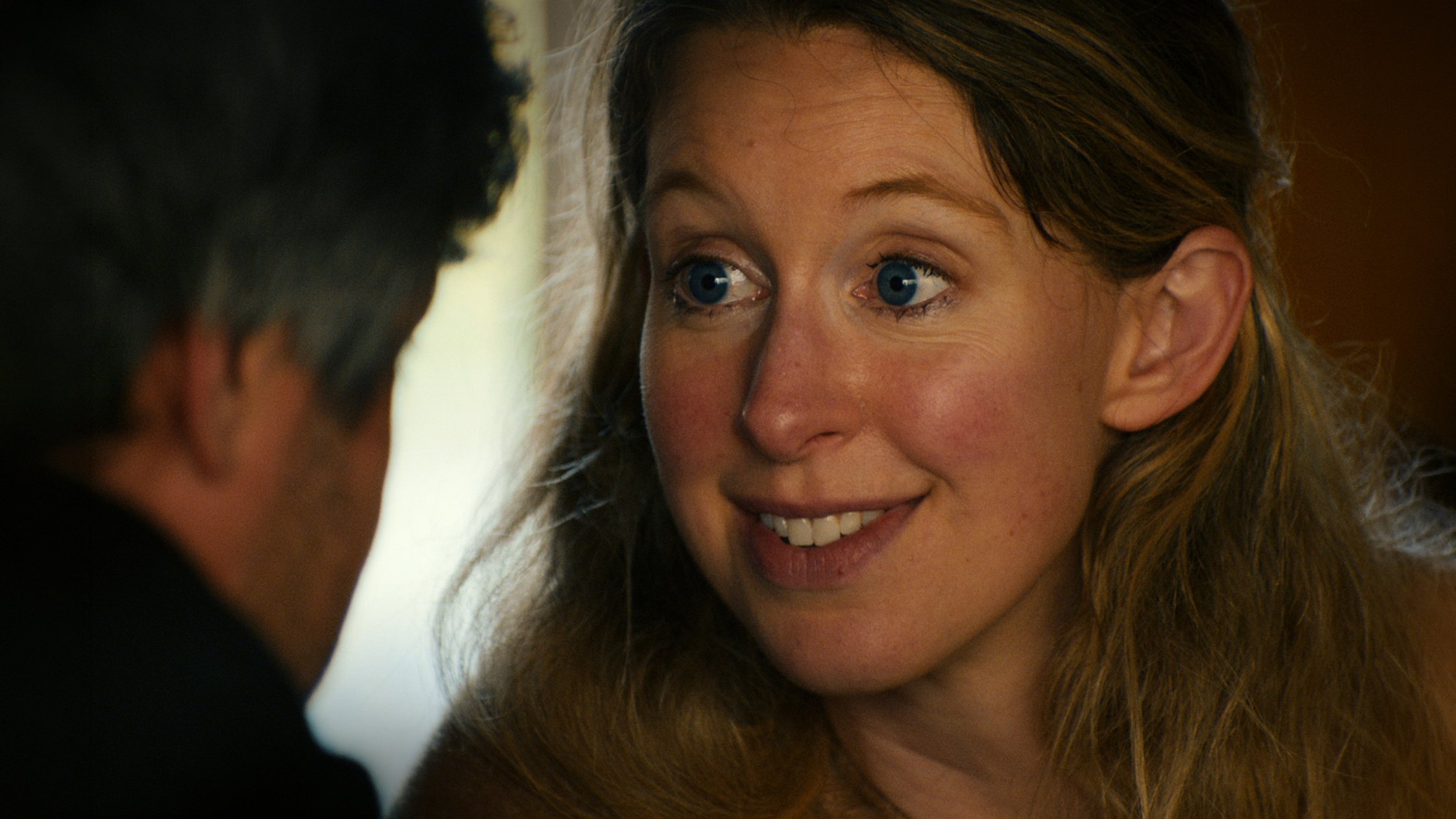
The first part of the documentary takes place in 2023, as Fielder accepts Holmes’ proposition to live in her rental home a month before she is set to surrender to the Federal Prison Camp in Bryan, Texas. He can “see everything,” from the way Holmes talks to her partner, Billy Evans, to how they continually maintain her innocence at every turn, always blaming Sunny and never Holmes’ systematic operation of deceit. Holmes never believes she did anything wrong and attempts to convince Fielder that her device works, even though the universal scientific consensus proves otherwise.
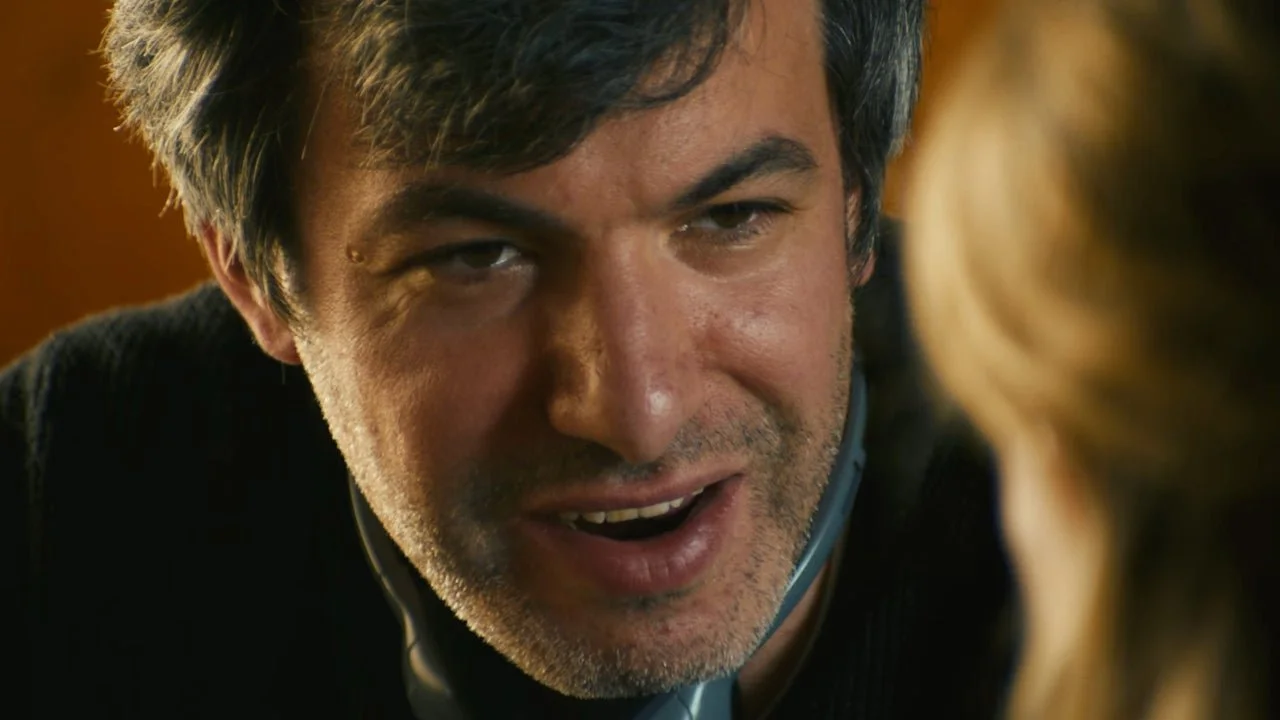
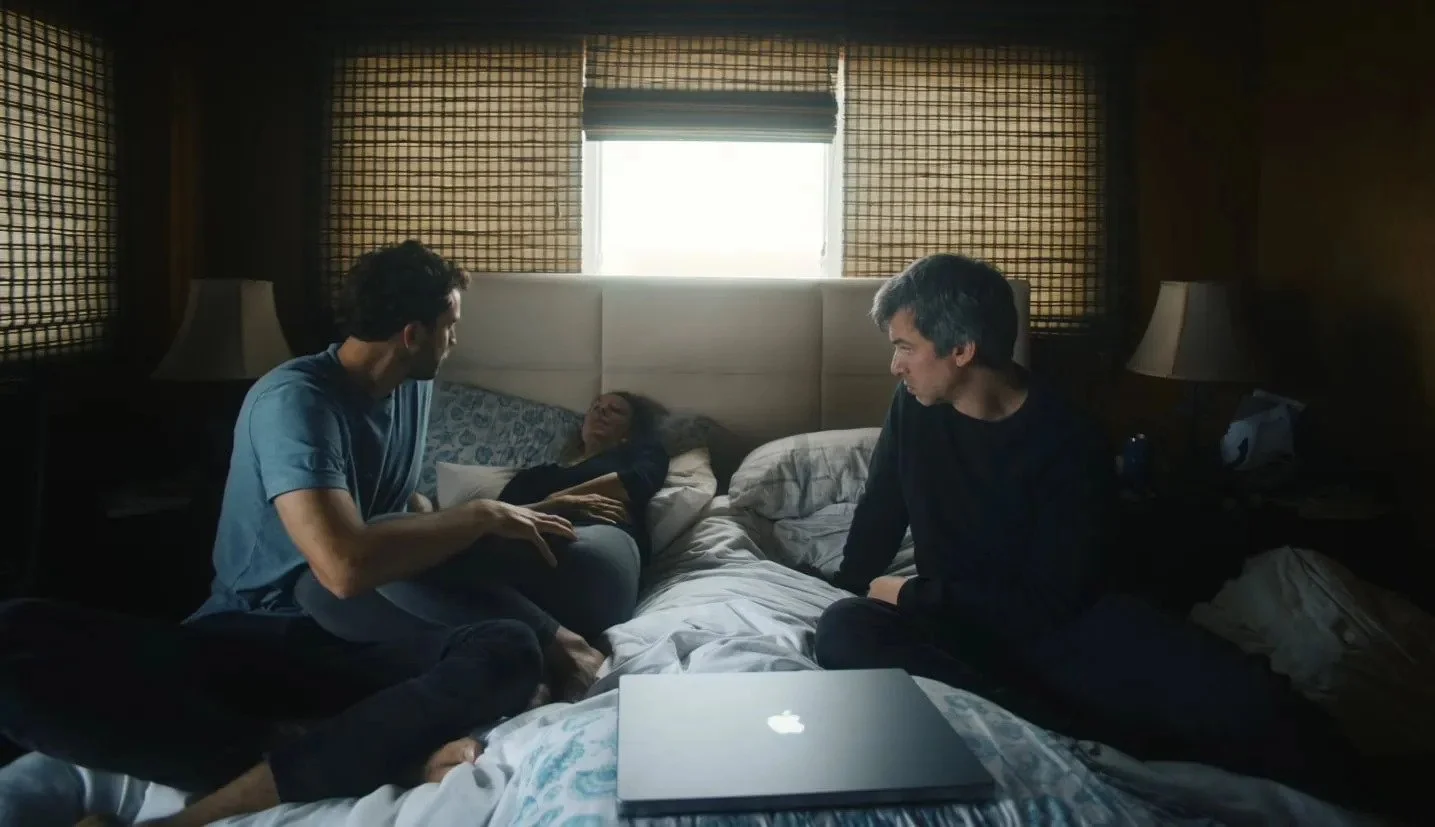
But Holmes is never judged. At least in that segment. Through the deft eye of cinematographer David Bolen, Fielder and Oppenheim observe the controversial figure as she is, without a hint of artifice. Even when it gets uncomfortable with Holmes and Evans, Fielder doesn’t relent and pushes the couple to their limit, trying to understand why they are so convinced Elizabeth never did anything wrong and doesn’t deserve to go to prison. Once Holmes reaches Bryan, the film cuts to two years later and, well, let’s just say it takes a completely different direction than you’d expect.
The first half of You Can See Everything shows how the film is constructed, as Fielder spends intimate time with Holmes and Evans. Bolen’s camera immediately signals that something other than an “authentic” vérité documentary is being shaped. Uncomfortable close-ups, erratic crash-zooms, and uneven pans create a sense of discomfort and in-your-face proximity that immediately destabilizes us. You might think Elizabeth Holmes is a psychopathic pathological liar (and you’ll probably think even less of Billy Evans by the time the film ends), but something in the way Oppenheim and Fielder produce discomfort in their images makes even her biggest (and wildest) lies feel authentic.
Consider the scene where Fielder makes Holmes watch a famous Abbott and Costello skit – “Who’s on first?” Did she truly not get the joke? Is she so misunderstood about how the world operates that she couldn’t grasp one of the simplest and most effective comedic bits in history? Or is it all a lie? In any event, Fielder’s (incredible) bewildered face can’t process what’s unfolding in front of him. They don’t even need to say much to look and act completely ridiculous. Holms and Evans complete each other in their delusions of grandeur, thinking it’ll be easy to rebuild Theranos’ “mission” from the ground up when all credibility has been thrown out the window, and her sentence begins.
Ari Balouzian’s music also adds to that discomfort and heightens the feeling Oppenheim wants to convey through his probing camera, which doesn’t seem to judge but certainly shapes Holmes and Evans into the people he wants to showcase. Late in the film, someone asks Fielder if they’re deliberately withholding anything they filmed to protect Holmes’ reputation, which the comedian never answers. That precise moment is important because it starts to question the very ethics of the project, and the nature of documentary filmmaking itself, alongside a recurring quote that the Theranos founder allegedly never said but was attributed to her in The New York Times in the wake of Amanda Seyfried’s Emmy-winning turn as Holmes in the television show The Dropout: “They’re not playing me. They’re playing a character I created.”
Once Holmes is in prison, You Can See Everything begins to interrogate everything we saw beforehand and dismantles the artifice of cinema itself, which is an artform based on a lie. When you point a camera at something – or someone – you inherently produce meaning. You inadvertently create an emotional response out of the viewer. You shape the person based on your own subjectivity and conception to art. The footage of Marc Kennedy touching (or not touching) a rock in this year’s winter Olympics made the rounds of the internet, and everyone had their own opinion based on what they saw. Was it cheating? Was it not cheating? Should’ve they been disqualified? Have you read the rules of curling before you immediately became an armchair expert?
The point is, the camera creates something we always want to see about someone, if we have any pre-conceived beliefs. It also might illuminate truths we didn’t think were possible. I never believed Elizabeth Holmes’ faux sincerity, so it’s easy for me to think every word she says to Fielder is a complete lie. I was also appalled at Billy Evans’ controlling behavior, before and after her partner goes to prison, always trying to barge in every time Fielder attempts to excavate something beyond the surfaces of what’s most-known about the figure or ask pertinent questions on the future of Theranos. After she’s locked up, the revelations that are exposed in relation to Evans are so shocking one even wonders why Holmes would ever have confidence that he has her best interests at heart. He can’t possibly speak for her, and yet he does.
I couldn’t believe half the stuff this guy was saying, with his full chest, as if he’s proud of controlling the narrative surrounding Elizabeth Holmes when he’s currently doing more harm than good. It’s insane, and frankly pathetic. But that is a response that has been primarily engineered by the way Bolen films him, and in the conversations he has with Fielder and an unnamed figure that you won’t even think would ever say yes to being in this movie even if I told you “yes, this is real.” But that’s the Fielder method, a comedian who has never relegated to the status quo and has always been at the forefront of surprising his audience and subverting expectations when they least think he will do something different.
It’s crazy until you begin to question how this film was conceived, what its ethical guidelines were, and how documentaries themselves are shaped. Since the camera can show things that the human eye can’t necessarily perceive (Dziga Vertov might have been the founder of that theory to allow us all to understand the “reality” that cinema fabricates), what do Oppenheim and Fielder want to expose in You Can See Everything if they force the audience to confront themselves with their own beliefs not only about Holmes, but about the entire act of FILMING itself as the most deceitful of artforms?
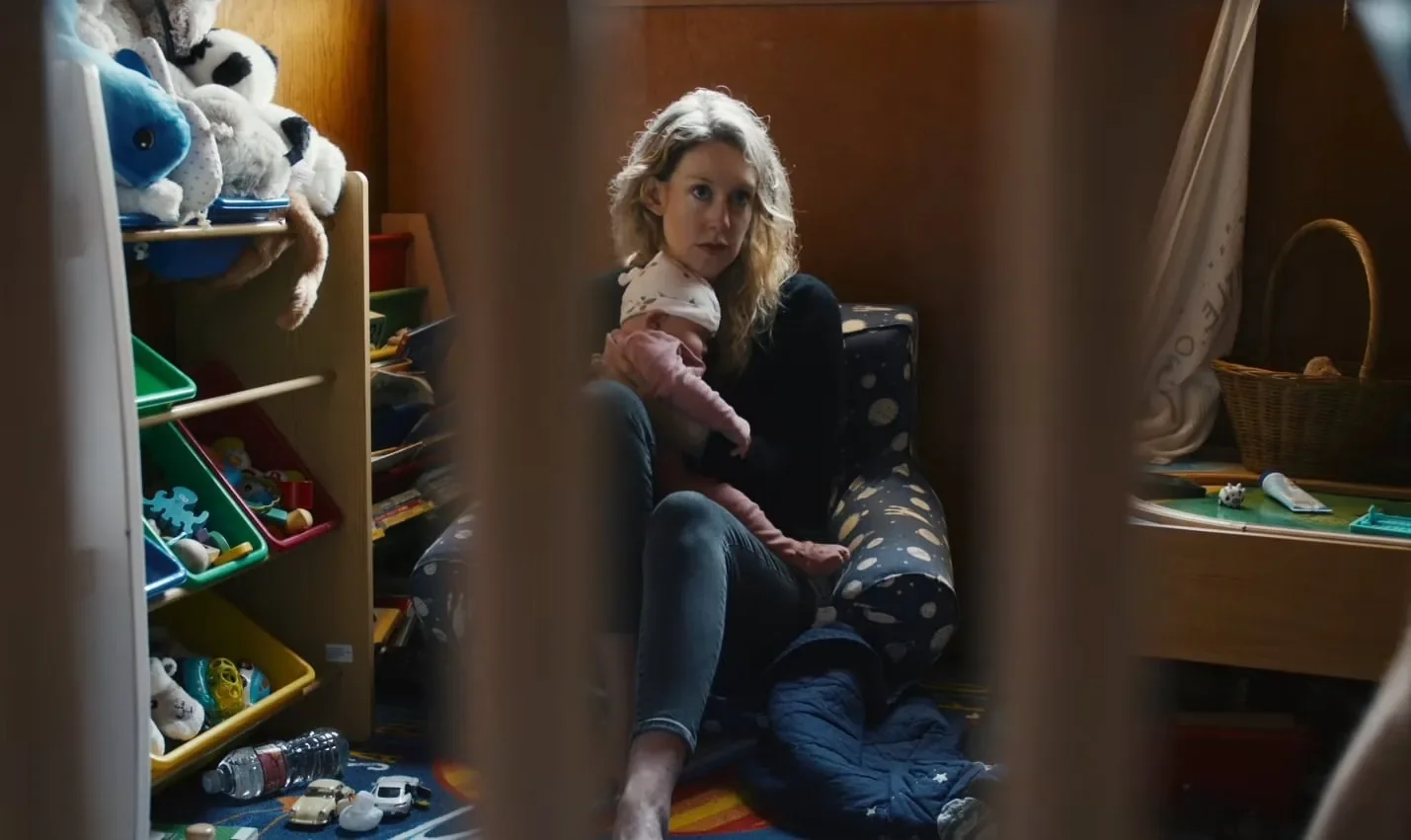
As soon as Fielder begins to examine Holmes’ behavior (Was it sincere? Was it a performance? Who is performing who? What character did she create?), he begins to examine how cinema produces deceit. How we are continually lied to by master manipulators who create a language to immerse us in front of a screen, as if the art we’re looking at is the pure, objective truth, and one that either reinforces our conception of the world or introduces us to new beliefs. Jean-Luc Godard himself said it when talking about cinema, describing it as “the most beautiful fraud in the world.” Fielder and Oppenheim aren’t afraid to expose that fraud and show that everything you thought you knew about non-fiction (and fiction) film is all but a lie. Or a truth. Whatever you choose to believe might be true, or it might not be. It’s all subjective, but is it truly?
Whatever your ultimate conception of what cinema should strive to achieve through its images (always), everything might change once You Can See Everything is injected into your eyeballs. It’s hard to talk about the film’s second half, where Fielder and Oppenheim question literally everything with figures you least expect, but it’s part of the incredible surprises this complete documentary masterpiece has in store for all of you. Don’t read anything (including this review! What are you doing?) and surrender yourself to Fielder’s mind palace, where your life will never be the same.