
‘Black Zombie’ Review: An Essential Work of Cinematic Decolonization
In her feature-length documentary debut, Black Zombie, Maya Annik Bedward reclaims the Zombie from its distorted allegories and showcases its true importance through the figures that want to ensure its perennity.
Near the midpoint of Maya Annik Bedward’s Black Zombie, historical and cultural experts begin dissecting Wes Craven’s The Serpent and the Rainbow. Itself based on the book of the same name by Wade Davis, the figures explain how the film continues to perpetuate deeply racist, hateful and colonial stereotypes on Haitian zombie folklore and Voudouism. Davis is also interviewed, as his book is put in relation with William Seabrook’s The Magic Island, the text that started to distort the allegory of the Zombie and strip Haitians of their agency and culture.
The author makes it clear that the film failed to capture the essence of what he wrote, but states “I never spoke badly about the film, because it bought me a house.” The level of spinelessness on display is staggering, which Bedward captures without saying a word. The fact that she made sure to include him in a movie that essentially rebukes most of what the book (and The Magic Island) said about the culture they were writing about speaks to her willingness to decolonize a figure that has taken many permutations without ever understanding what the Zombie ultimately meant in the eyes of Haitians.
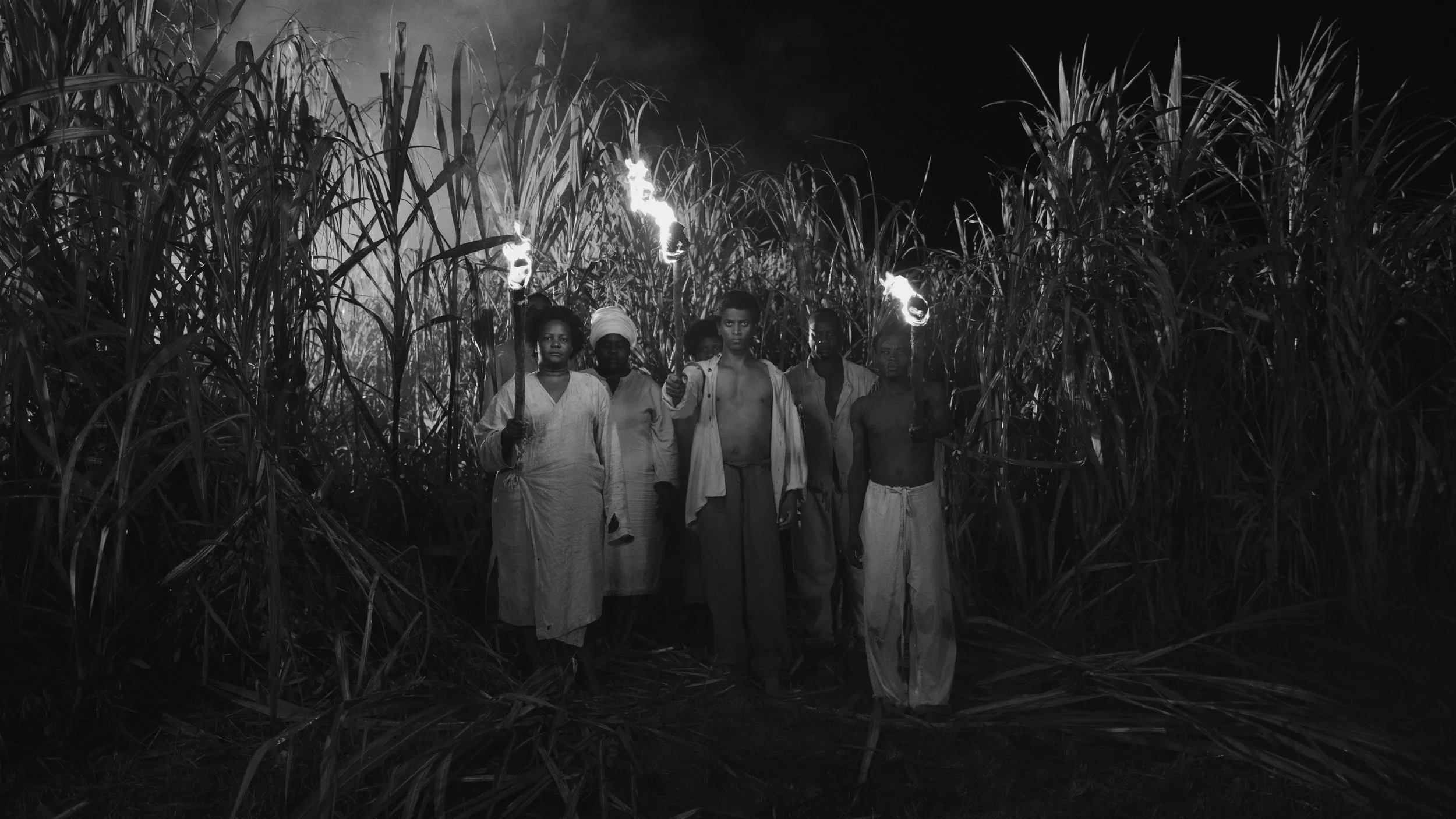
Bedward travels to Haiti to contextualize the significance of such a figure in the 17th century in Saint-Domingue. During this time of French colonialism, the zombie acted as a direct metaphor of the horrors endured by slaves, as the “undead” state that the zombie floated in stripped them of their freedom, both literal and figurative. If they weren’t going to be freed in this life, they would certainly find peace in the afterlife. Haitians believed that death allowed them to be fully freed and return to live with their ancestors, but the zombie prevents such an event from ever happening, because they are in a perpetual state of trance between the living and the dead without ever reaching their desired state.
This notion, deeply rooted in Haitian culture, was soon distorted and appropriated by William Seabrook, whose book The Magic Island gave Western audiences a colonized view of the zombie. The book was quickly turned into Victor Halperin’s White Zombie, famously starring Bela Lugosi, and the mythology of the figure became an exoticized attraction, whose state of trance (read: zombification) was accomplished through ritualistic ceremonies that are important to Voudouisants but were completely misappropriated, and gave audiences a narrow-minded outlook on the subject matter.
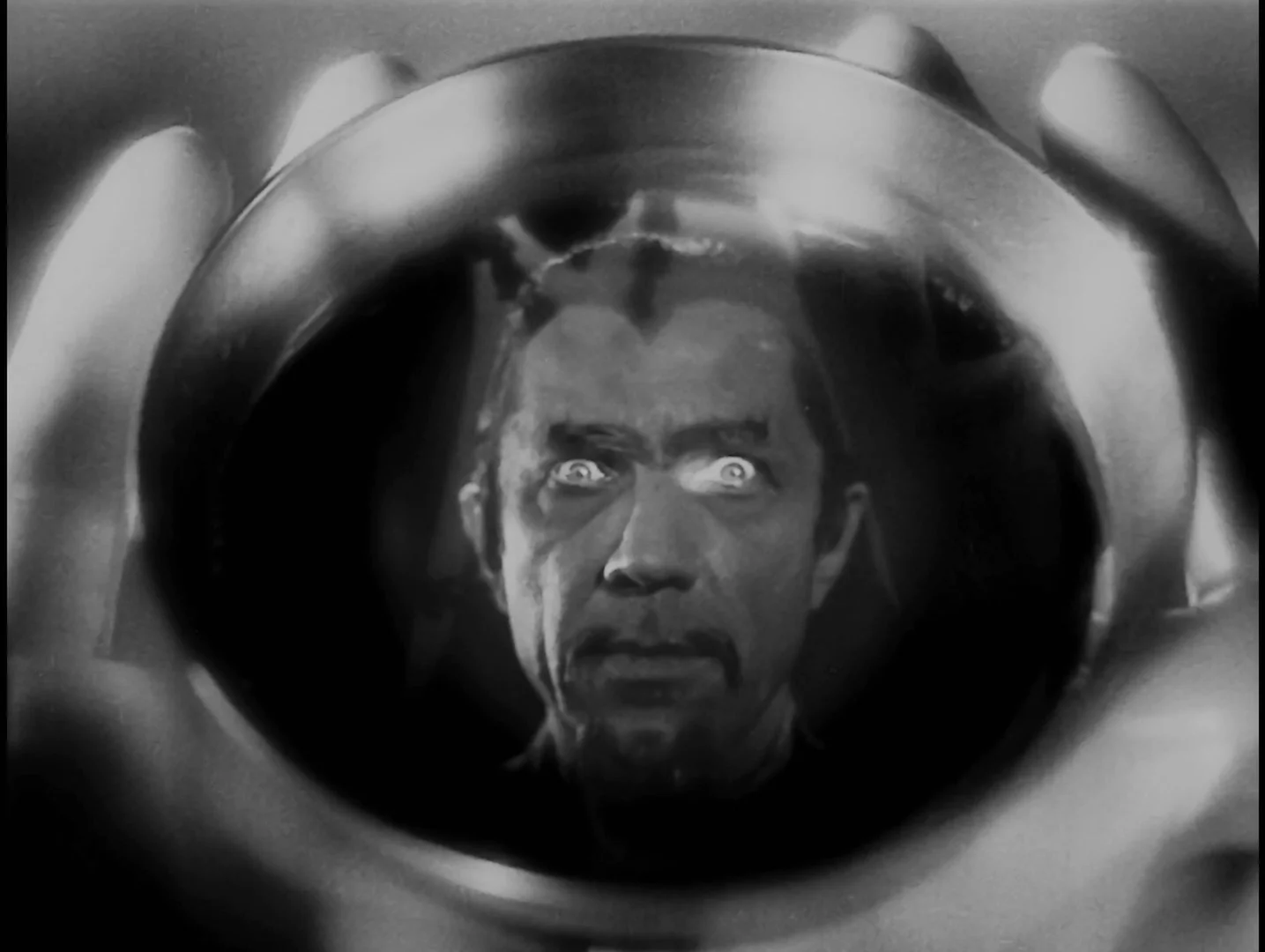
Not much time is spent on how zombies became a phenomenon, especially after their reappropriation from creatures born of sorcery and voudouism to flesh-eating monsters when George A. Romero transformed them in Night of the Living Dead. Romero is probably the biggest culprit for reinterpreting zombies more broadly than Seabrook, because the connections to Haitian Voudou were no longer present after the filmmaker turned them into the ultimate allegory. In his …of the Dead franchise, zombies could represent more than they did in early colonial cinema.
The presence of a Black protagonist in Night of the Living Dead is heavily analyzed – criticized, even – as Romero gives him the most cruel fate. The director explains in an archival interview that he wouldn’t have changed the way he wrote the character if he were a white man (he argues that actor Duane Jones was the best man for the role), but it’s hard not to see the parallels between what was boiling in the United States, at a time of true civil unrest, and the shooting of a Black man by a white mob. Elements like these infuriate the scholars being interviewed, but Bedward also gives makeup artist Tom Savini a chance to explain that none of it mattered if it meant shocking the audience.
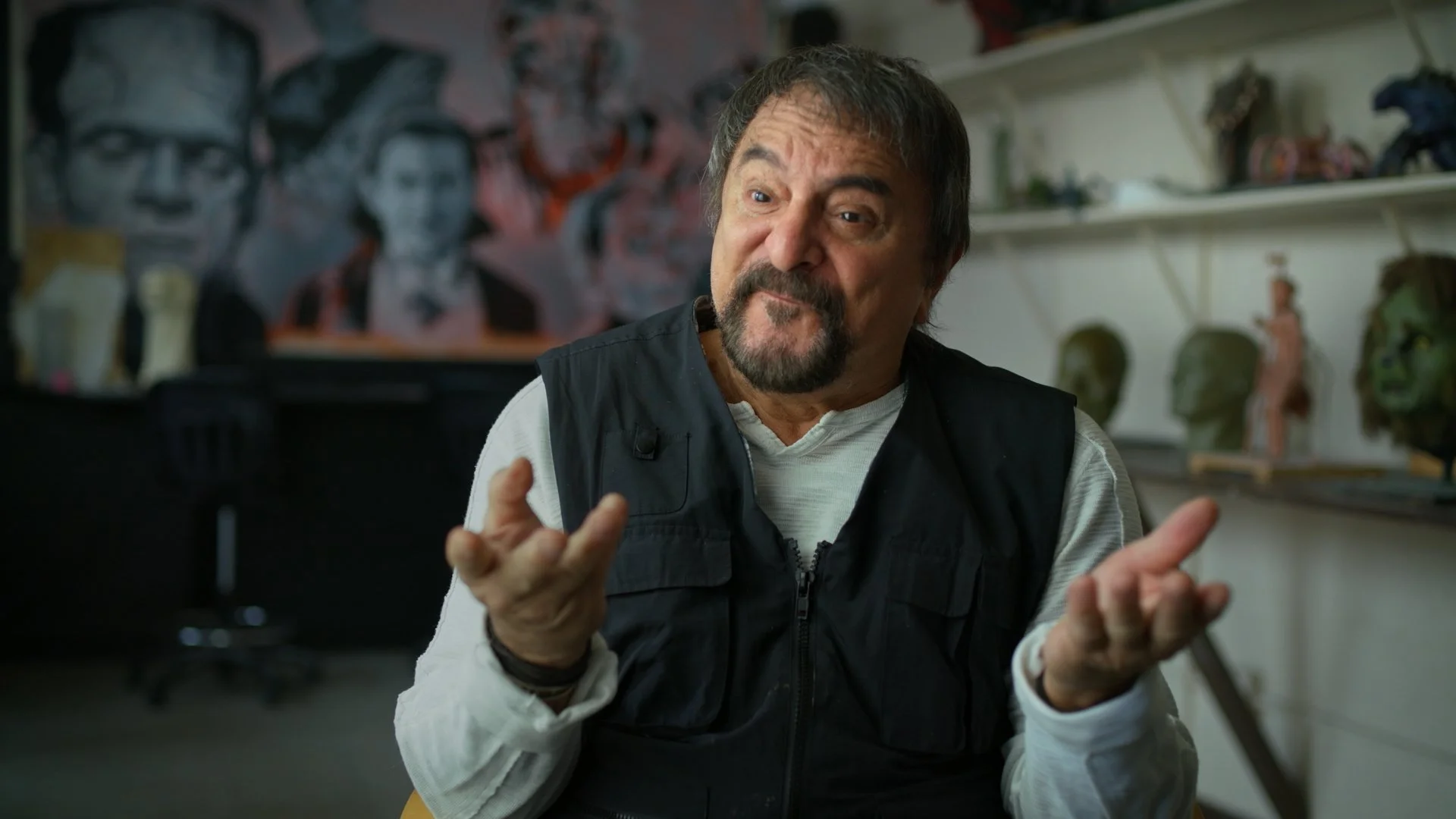
He discusses how screenings of Dawn of the Dead saw massive audience reactions whenever an extreme scene of gore would occur, and Romero’s natural reaction was to heighten it in his subsequent films, to give more of what the people wanted, while straying further away from the importance of the zombie. We’re now in an era where the creature is more popular than ever, yet its significance has been completely stripped from the people who hold onto it. At that point, Bedward returns to Haiti and gives an essential sociology lesson that will, more often than not, leave you speechless.
Some of the Voudou Priests being interviewed don’t necessarily believe that Bedward’s film will result in something truly sincere (they speak from experience, having previously been the subject of other documentaries that weren’t so flattering), but her film not only seeks to reframe the narrative, but also compassionately portray people who have never been depicted this way. She takes time to discuss the origins of Voudouism before showcasing various figures in Haiti and abroad who believe in and practice Voudou. But the film’s most striking sequence occurs after the credits, where a ritual is filmed and, most importantly, respected, as the filmmaker always lets the subjects she depicts speak for themselves.
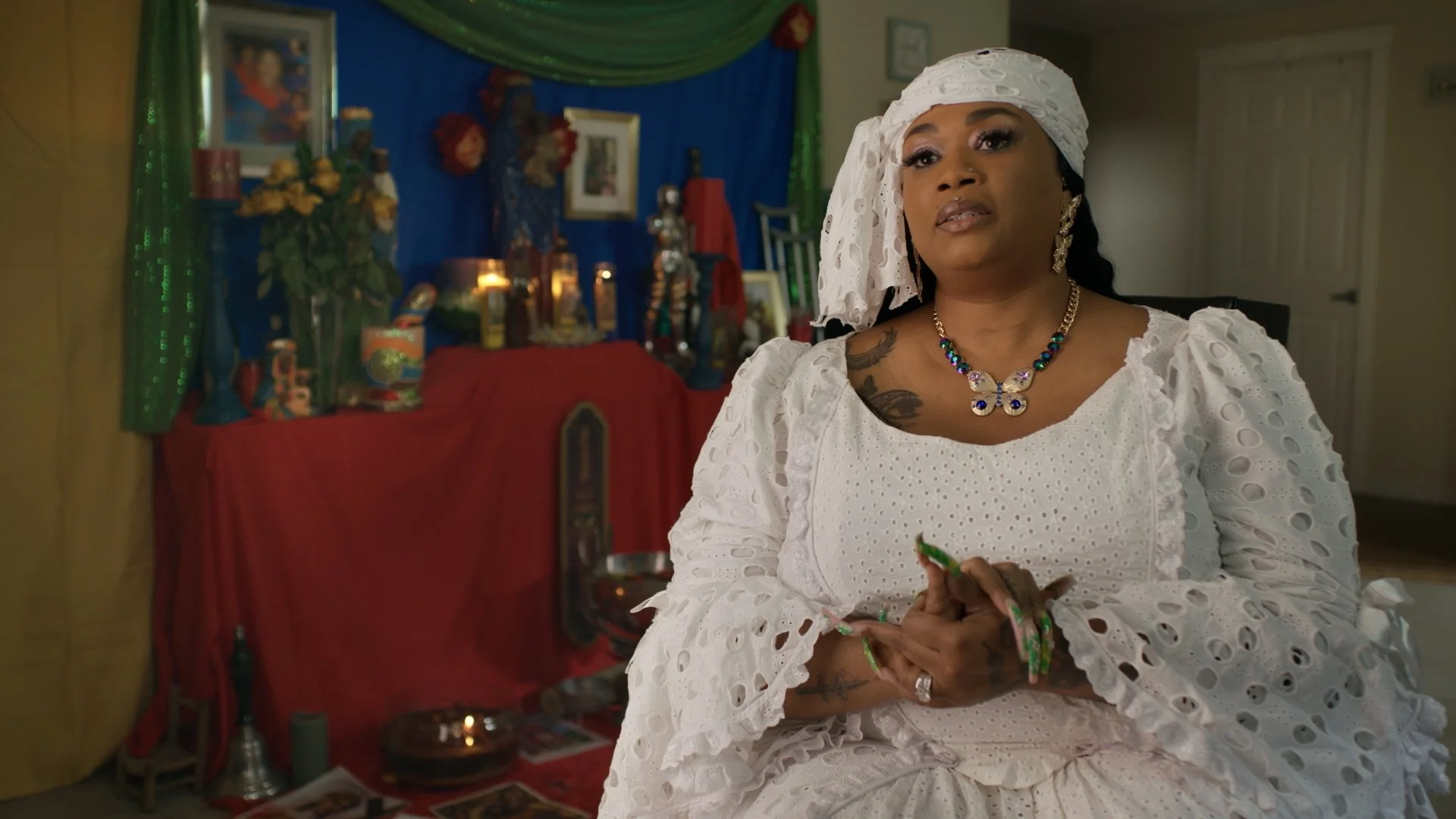
There’s never a moment where the talking heads feel manipulated. That’s why you get such damning statements from people who believe they’ve done nothing wrong, or who won’t speak up about the on-screen transpositions of their book, because they made so much money off the exploitation of a culture they don’t understand. That’s also why you get Vodouisants to tell their own story and explain its importance. It confronts our perception of zombies while placing them in historical context, and the emotional catharsis of viewing Black Zombie isn't easy, but it's terribly important.
Some elements might have needed more development than others, but the documentary still remains a well-researched – and structured – piece of cinematic decolonization that is more than worth your attention and time, especially when Bedward breaks the artifice of the documentary and begins including herself in the picture. When that occurs, it solidifies the filmmaker as one of the most important new voices we have right now, and not just in Canadian cinema. What she reckons with is of immense importance, and there’s hoping many of you will take an hour and a half out of your day to listen.