
‘Never After Dark’ Review: An Aesthetically Exciting Atmospheric Chiller
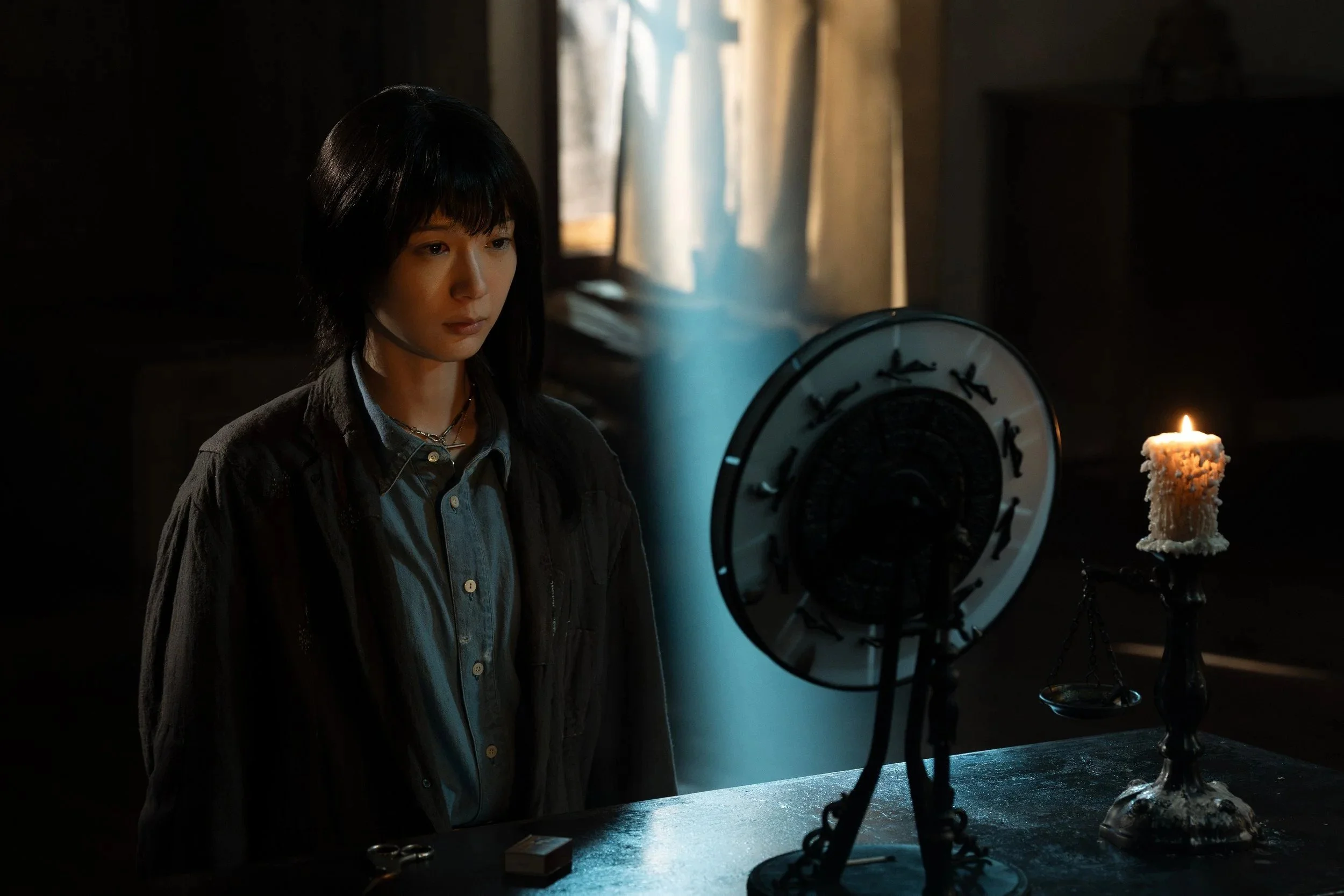
Moeka Hoshi delivers one of the year’s most impactful performances in Dave Boyle’s underseen Never After Dark, a chiller that owes much to Kiyoshi Kurosawa's aesthetic and storytelling impulses.
Film is primarily a visual medium. Anyone who states otherwise ignores decades of film theory. What the visual medium can do to illuminate – or perhaps unlock – a different conception of the world can never be achieved by any other art form. How the camera is blocked, moves, or creates newfound compositions to heighten our senses can often feel like an out-of-body experience, where our eyes respond to images we haven’t seen before, and our minds can’t fully process. When the camera transports us to worlds we didn’t know existed, the full power of movie magic is realized. And when that occurs, you have films like Dave Boyle’s Never After Dark, a supernatural thriller that proudly affirms its influences and does something completely unexpected with its premise.
Owing (a lot) to the visual style and thematic musings of Kiyoshi Kurosawa, Never After Dark sees Shōgun’s Moeka Hoshi portray Airi, a spirit medium who, alongside the ghost of her dead sister Miku (Kurumi Inagaki), can accompany restless creatures out of their environments. Boyle certainly introduces Airi’s abilities with one hell of a framing device, but it quickly falters when the spirit she is now hunting can escape the quasi-purgatory Airi tries to transport it into. Only then does she realize the person she is dealing with might still have power in the world of the living, but to say more would mean revealing the sick pleasures Boyle has in store for his audience.
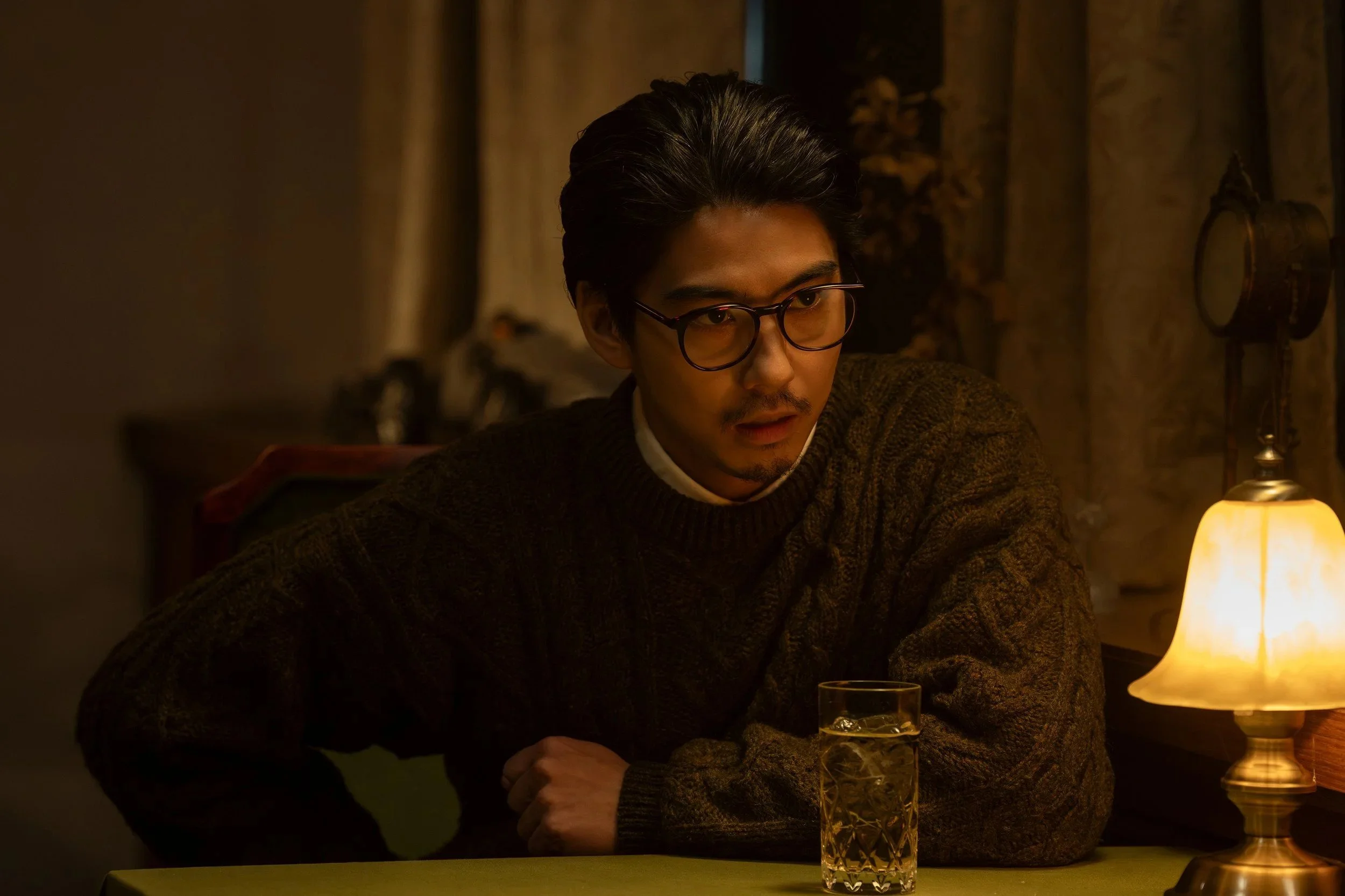
Many will decry Never After Dark as a “slow burn,” but there’s nothing “slow” about a movie that deliberately introduces its framing device so audiences understand how Boyle will operate before twisting things further. The filmmaker knows and trusts the audience, which gives him complete control of the camera at any moment and immediately makes us aware of how the film will be structured. In fact, the least intriguing part of the movie is when Airi arrives at the home she is hired to investigate and speaks with its tenants (played by Kento Kaku and Tae Kimura) to understand what’s been happening.
The barrage of expository dialogue is poorly written, and the film’s visual language holds back to let audiences assess what has been happening before Airi arrives. Only when they depart and leave the protagonist to herself does Never After Dark begin to open up in thrilling directions, luring us into its form-blurring aesthetics that patiently build to a satisfying denouement for all characters, and into the language Boyle develops.
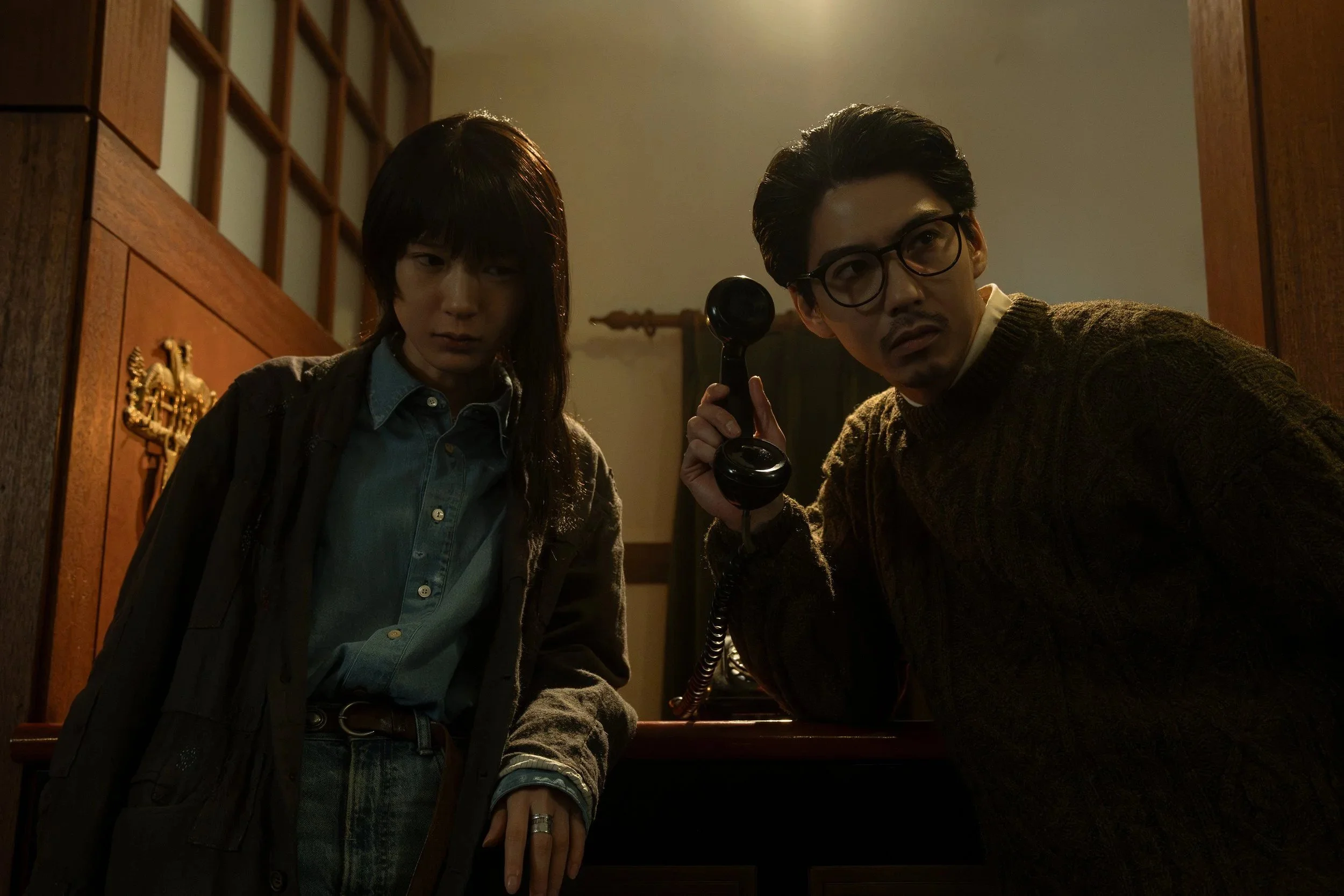
Cinematographer Patrick Ouizel crafts a tangible, almost invigorating visual palette for Boyle to play with, employing techniques that only enhance the otherworldly presences in the picture. Split diopters seem par for the course in a movie like this one, but what’s most interesting is how the director handles ghosts. Instead of making them fully lived-in, Airi’s sister only appears through reflections – the car rearview mirror, a closed television screen, or the device that allows the main character to transport herself in the world of the dead. Shadows are also expressively omnipresent and are only perceptible when the camera alludes to them.
The blocking is especially ingenious: the film’s primary device moves only when the director wants it to, while Boyle fills the air with as many ghosts as he can. It keeps the environment feeling heavy, even when nothing is happening. That’s why, when a significant twist occurs, it doesn’t feel like a cop-out; it enhances the conclusion by showing the steps the movie takes to make us aware of its multiple planes of existence. The finale might take less formal (and screenwriting) risks than what comes before, but there’s still excitement to be had in seeing a movie that rewards viewers who have paid attention to how Boyle operates his camera throughout the picture and lures us into a world always at the precipice of our most harrowing fears and the constant panic of our day-to-day reality.
One can’t overstate how great Moeka Hoshi is in this, and she is the primary reason why Never After Dark functions so well as not only a genre exercise, but a (tormented) character study. Her sullen eyes speak louder than any line of dialogue she utters, even when Boyle begins to unravel his story and open Never After Dark in unexpectedly jaw-dropping directions. You might not have heard of the film amid the sea of Awards contenders this year, but you should definitely make time for a movie that will surprise the heck out of you and remind everyone what matters most when composing for a visual medium.