
‘Queen at Sea’ Review: Tom Courtenay Gives a Layered Performance in Viscerally Upsetting Drama
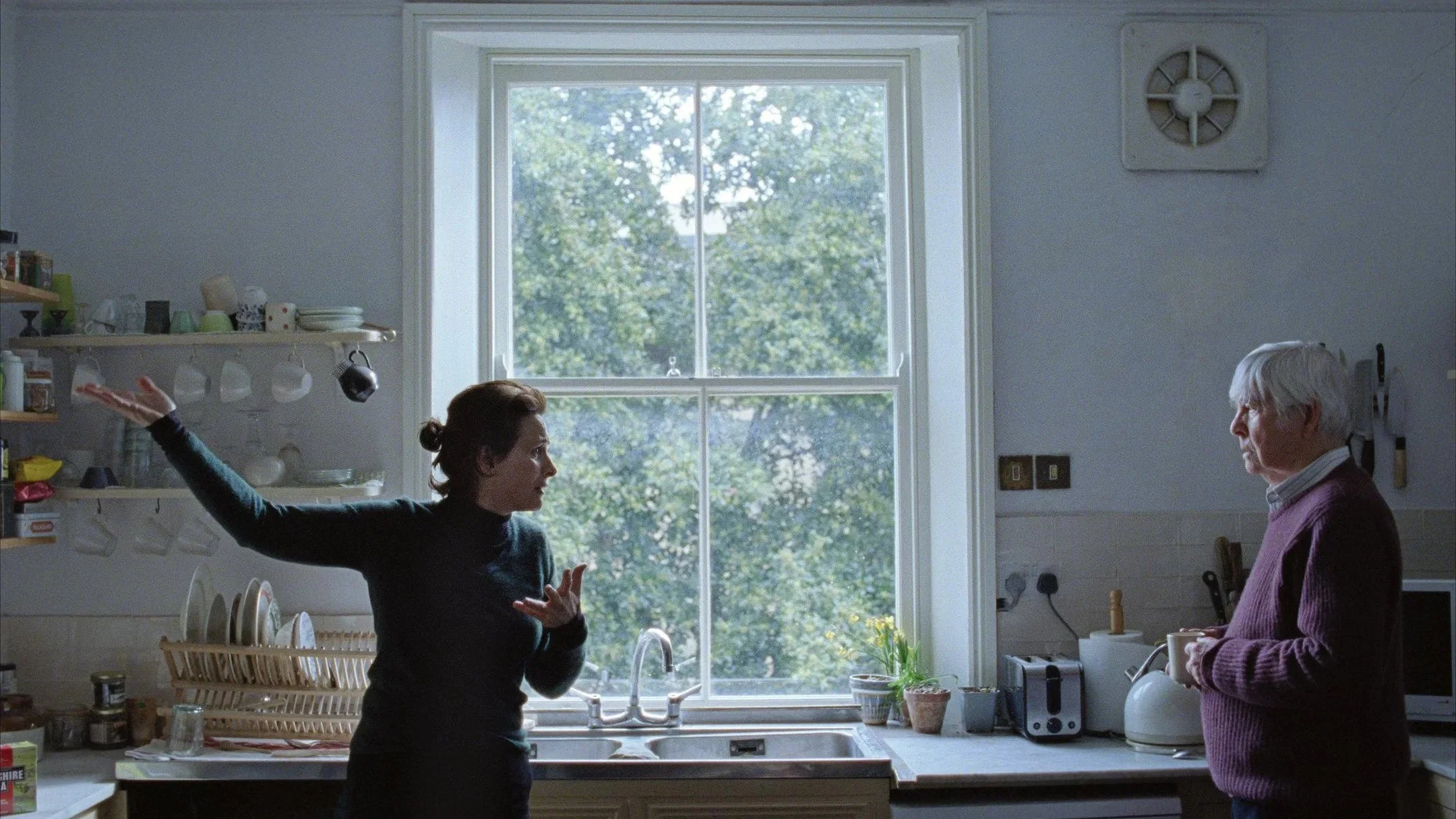
Lance Hammer’s first film in 18 years, ‘Queen at Sea’, is a gut-wrenching, morally complex drama that might leave you sick to your stomach and unable to sleep.
I barely slept last night after viewing Lance Hammer’s ‘Queen at Sea’. The long-anticipated return of a filmmaker who made his mark in the independent scene with 2008’s Ballast is stomach-churning. I had great difficulty processing two horrifying images that I’m afraid will never fade away in my memory. The first – which will be revealed in this review, but not the second, since it is a spoiler – is how the main event of the film begins. Amanda (Juliette Binoche) has taken a one-year sabbatical to take care of her ailing mother, Leslie (Anna Calder-Marshall), who has advanced dementia. She lives with her husband, Martin (Tom Courtenay), in a house that isn’t adapted for either of them.
One day, Amanda walks into the home with her daughter, Sara (Florence Hunt), and sees Martin having sex with her wife. The image is disturbing because of the petrified face Leslie gives as Martin continues to penetrate her body. With her dementia, she cannot give any form of consent, which leads Amanda to call the police. Thinking that the police officers will only speak to Martin, he ends up getting arrested for sexual assault, and a social worker begins to assess if he is fit to even care for her wife, given his advanced age and what looks to be nonconsensual sex.
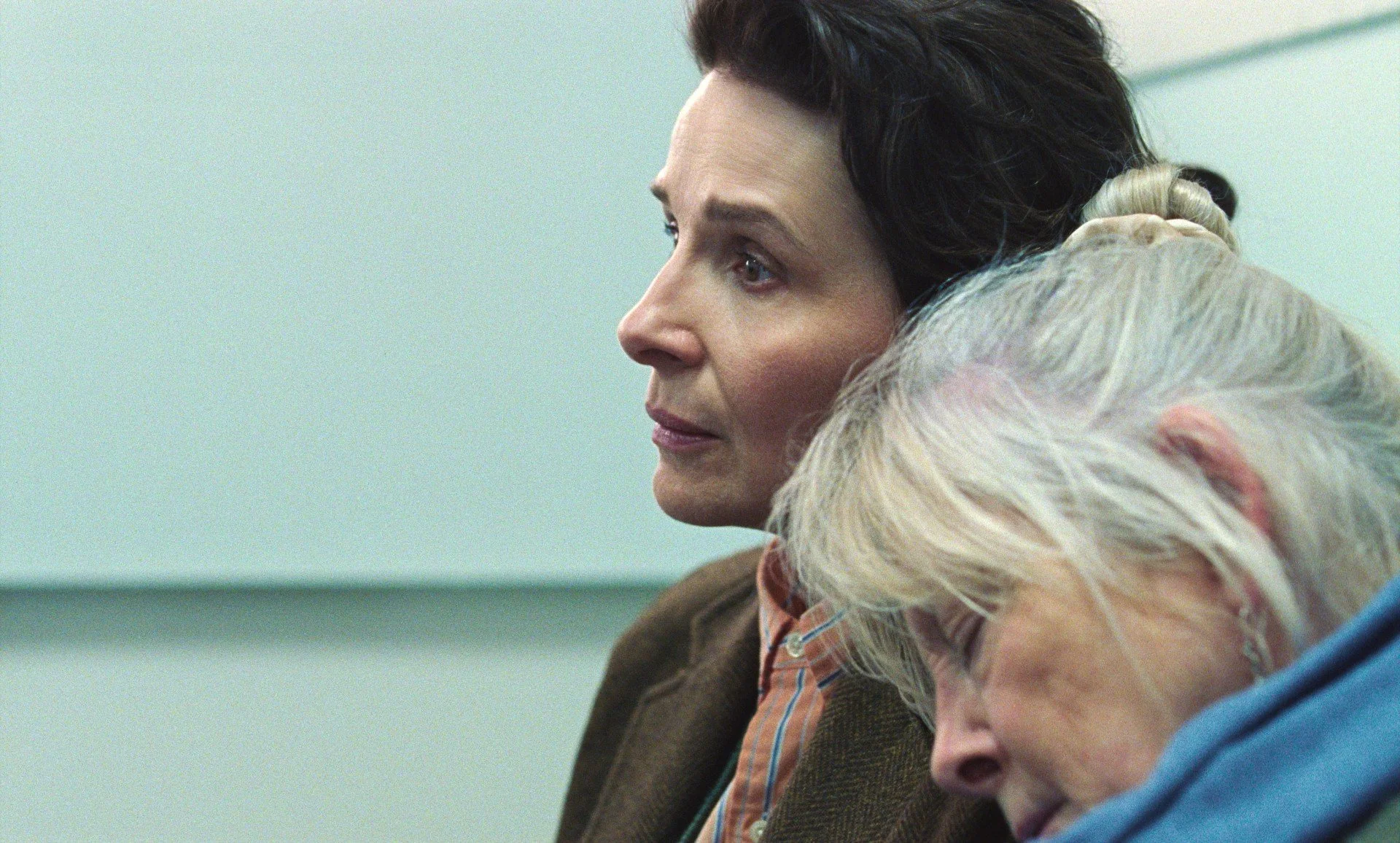
This becomes the matrix of Hammer’s film, though it develops into something far more devastating. Already, the audience is put in a conflicted relationship with Martin, where the first image we see of him walking side by side with Leslie is immediately perverted by a sexual crime. We theoretically shouldn’t feel any sympathy for him, but Courtenay’s performance is so layered that an emotional connection might happen once Martin recounts to the social worker how he and Leslie met, and how their shared love of classical music brought them closer together after the passing of their respective partners.
Each scene where Courtenay professes his love for Leslie feels genuine, and the fleeting moments of lucidity she gives him (Calder-Marshall is equally affecting) showcase deep affection. Outside of their bedroom, where a disturbing sexual incident lingers, how Martin treats Leslie seems so tender that a connection is still there, despite illness. That’s also why the moral debate of putting Leslie in a care home cuts so deep for him. He cares about her, but Amanda doesn’t see it that way. Because if he did, he would not abuse his lucidity as a human being to have sex with her while she cannot, realistically, give clear consent to anyone. Leslie barely speaks, and when she does, it’s one or two words. Her face speaks far more than anything she utters, and it’s utterly petrified.
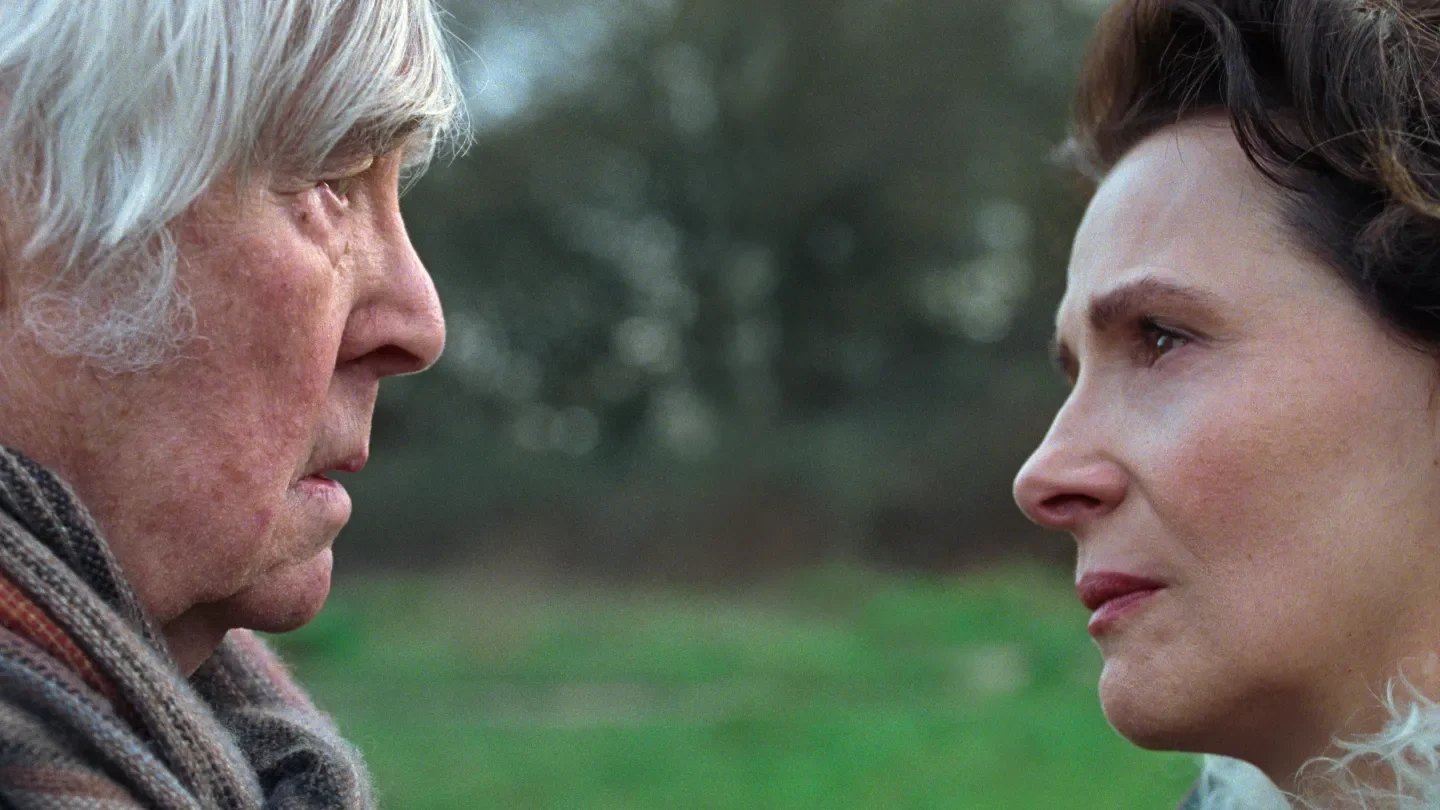
Hammer doesn’t shy away from the difficulties of caring for someone with dementia, or any terminal illness of that ilk. Seeing someone who was once full of life and loved to be on this planet having their memories and autonomy taken away by a disease that is still not fully understood is extremely painful, because the person suffering from dementia doesn’t know they are. They might feel pain, but they have no idea what’s causing it.
What made them special and unique to the eyes of their children is no longer present, although many will try, as they might, to keep going in the face of extreme adversity. It’s, bar none, the most distressing aspect of the movie, quickly upsetting you and then bludgeoning you even more as Leslie is ultimately put in a care home and the unthinkable happens. Perhaps such a scene is a bit too on the manipulative side (how much anguish can one take?), but it’s all shot with a striking sense of realism by Adolpho Veloso that it becomes hard not to be immersed in the difficult day-to-day decisions of Amanda, who has no idea what to do for a mother that she loves so deeply but sees her drift away. In that regard, Juliette Binoche’s performance guides the viewer through Amanda’s pain, which only intensifies when she knows Leslie is being taken advantage of. There are no morally grey areas for her, which makes the connection she needs to make with Martin increasingly tough to watch, especially as the film reaches a sobering, all-too-real conclusion.

Some might argue that Queen at Sea loses its dramatic (or naturalist) potency by adopting a “shock-value” ending, but it was inevitable. Look at the way the house is designed. Look at how steep the steps are. Look at how unadapted it is for people who still cling to memories of the past, and that have since been forgotten. The only point of contention in Hammer’s film is when it pulls focus away from Amanda and Martin and digresses into Sara’s story, which is painfully underdeveloped and ultimately fails to cohere with the parallels Hammer wants to create. But the second image of the film that his review won’t divulge the details of, achingly devastating, will make you unable to even close your eyes after seeing what will likely be remembered as one of the most viscerally upsetting films of the decade…