
‘Calle Málaga’ Review: Carmen Maura Shines in Emotionally Devastating Drama
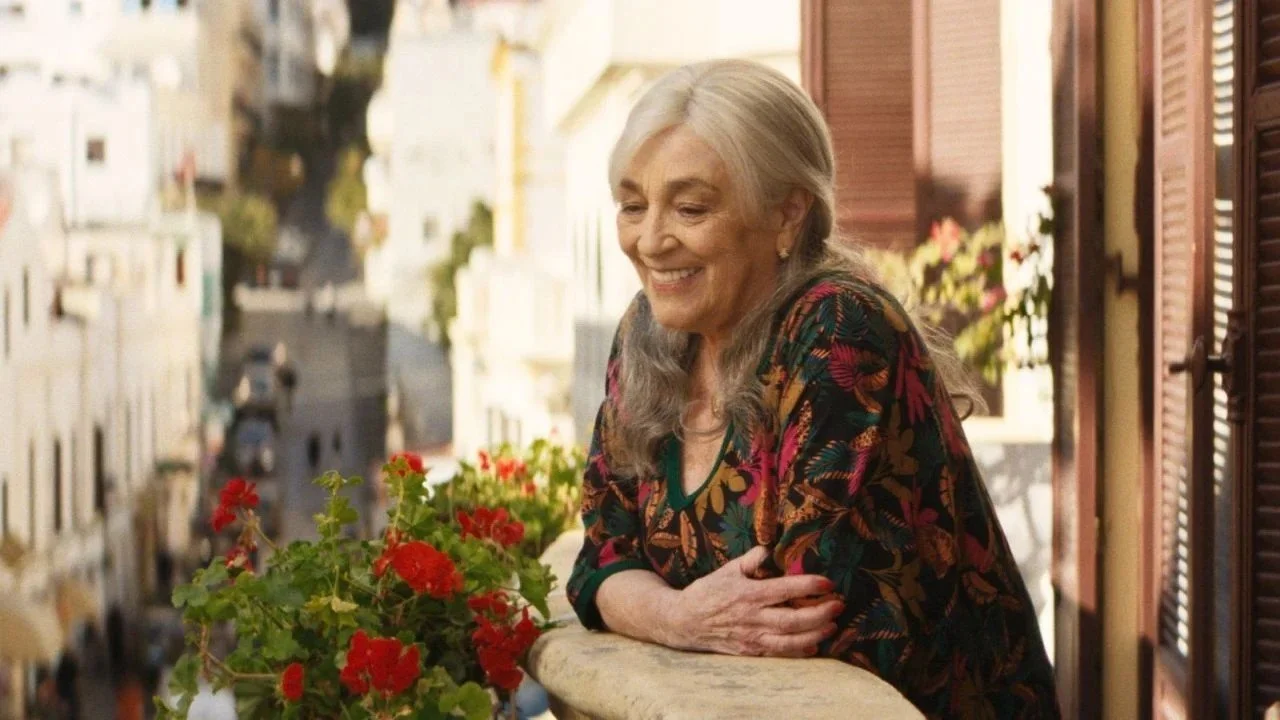
Thanks to a deeply affectionate turn from Carmen Maura, Maryam Touzani’s Calle Málaga will tug at your heartstrings and perhaps break you into a million pieces until you are renewed by a feeling of hope and tenderness.
Nothing prepares us when our lives are upended, and the house that we’ve inhabited for so long is suddenly emptied. This was, of course, at the forefront of Joachim Trier’s incredible Sentimental Value, where the house that tied a family’s lives together was now only just a collection of personal histories and memories. In Maryam Touzani’s heartbreaking Calle Málaga, the house is tied to a living, breathing quarter where everyone knows each other and enjoys the community they’ve created. And at the center of this quarter, on Malaga Street in Tangiers, is Maria Angeles (Carmen Maura), a 79-year-old woman who still lives in her apartment, on several flights of (very steep) stairs, and has no plans to move away (this reminds me of my late great-grandparents who lived in their homes until they passed away and one had to climb the most dangerous set of stairs that exist on this planet to get there).
She awaits the arrival of her daughter, Clara (Marta Etura), who isn’t in the mood to celebrate or reminisce with her mom, because she’s decided to sell Maria’s apartment to pay for a hefty divorce, without consulting the person living in it. Of course, since Maria’s late husband put Clara in charge of the estate, she has the right to do what she wants, and doesn’t even appease her mother’s senses. She yanks her mother away from the one place that gives her meaning, puts her in a retirement home, and expects Maria to fold and enjoy her remaining years, when they should be spent in the community that made her house a physical (and emotional) home.
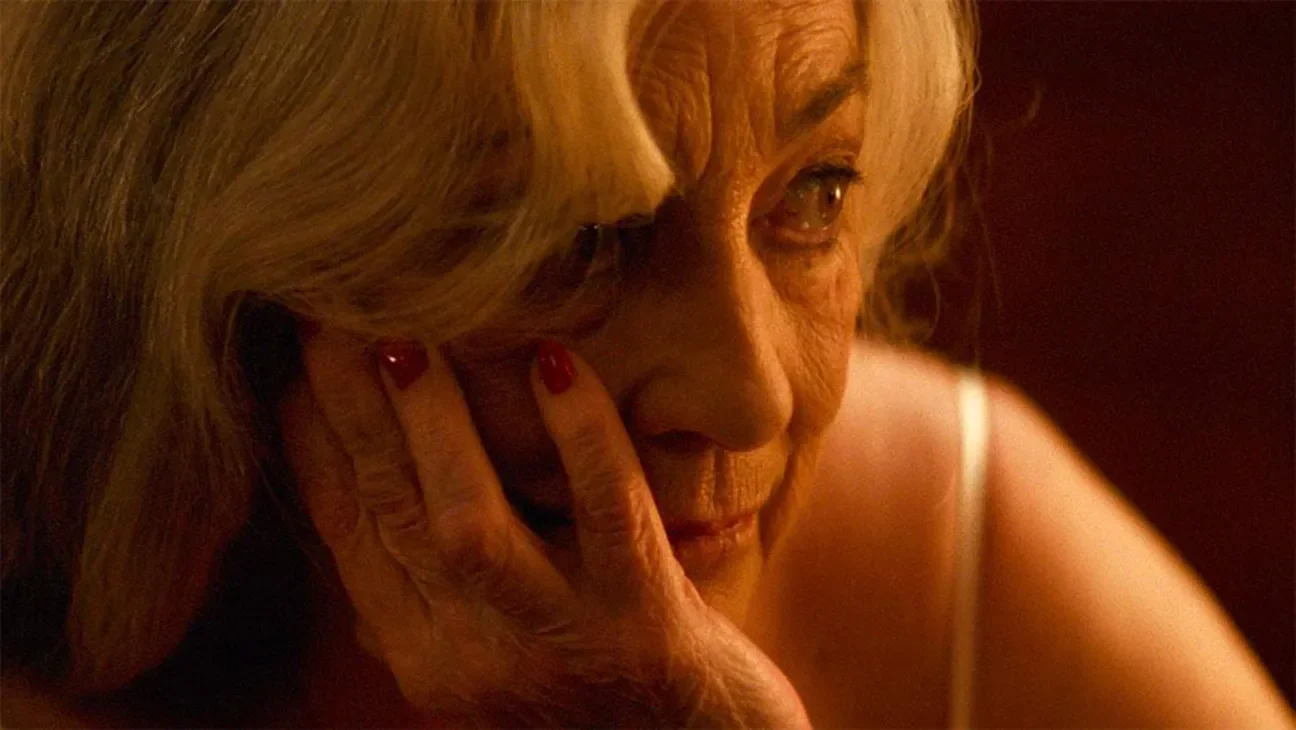
Naturally, Maria is not happy and devises a plan to escape the retirement home and return to her apartment, which could dissuade buyers from wanting to live in a place she has lived in for the better part of 50 years. This requires her to regain the material objects her daughter sold to Abslam (Ahmed Boulane), an antiques dealer who grows fond of Maria’s character and ultimately falls in love with her. The first hour or so of Calle Málaga is incredibly devastating, because none of us understand why Clara would ever do this to her own mother – the fleeting moments we get with Maria and Clara show that she has always been there for her daughter and is loved by the community.
The street is everything for Maria – it’s not just the apartment that, yes, that holds immense (sentimental) value to her, but the people that make this life still worth living, despite the passing of her husband and of friends she holds dear. Just notice her body language when she’s in the care home versus when she eventually returns to Calle Málaga: the difference is night and day. Despite having care at her disposal and benevolent employers who do their best to ensure the residents are comfortable inside the home, Maria is essentially left to die here.
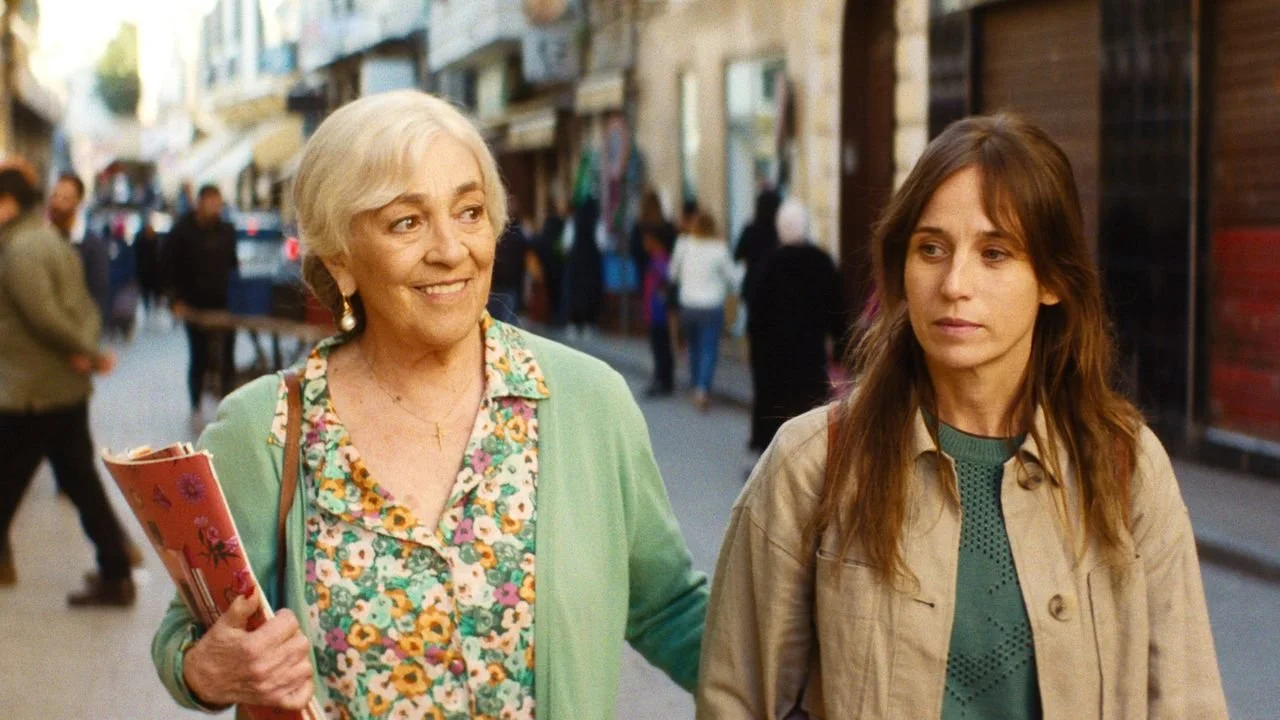
Her daughter – who, we learn, seldom calls her – rings every single day, because, deep down, she feels extreme remorse for what she did but can’t bring herself to say it. She never fully cared about her needs until she got in deep financial trouble and now had to use the one place Maria loves to be in, without her express consultation, to pay back her debts. Clara only thinks about herself, and herself only, and the momentary exchanges we get with the two characters bring about a litany of complex emotions that don’t need to be fully developed, because they’re starkly represented in the eyes of both Maura and Etura.
The two people close to my family who passed away did so when they realized they would no longer be able to return home after a stint in the hospital, because a “care home” now means a death sentence for the ones who will be getting adequate care, but won’t have a dignified – and independent – life, which they have known since their very existence. This is something Clara doesn’t grasp, but is easily perceptible in Touzani’s film, and the primary reason why Maria desperately wants to go back and will fight to stay in her apartment until her last breath. We feel her close connection to the place – and objects that don’t have much monetary value – even when there’s nothing left in her house but her (very old) bed.
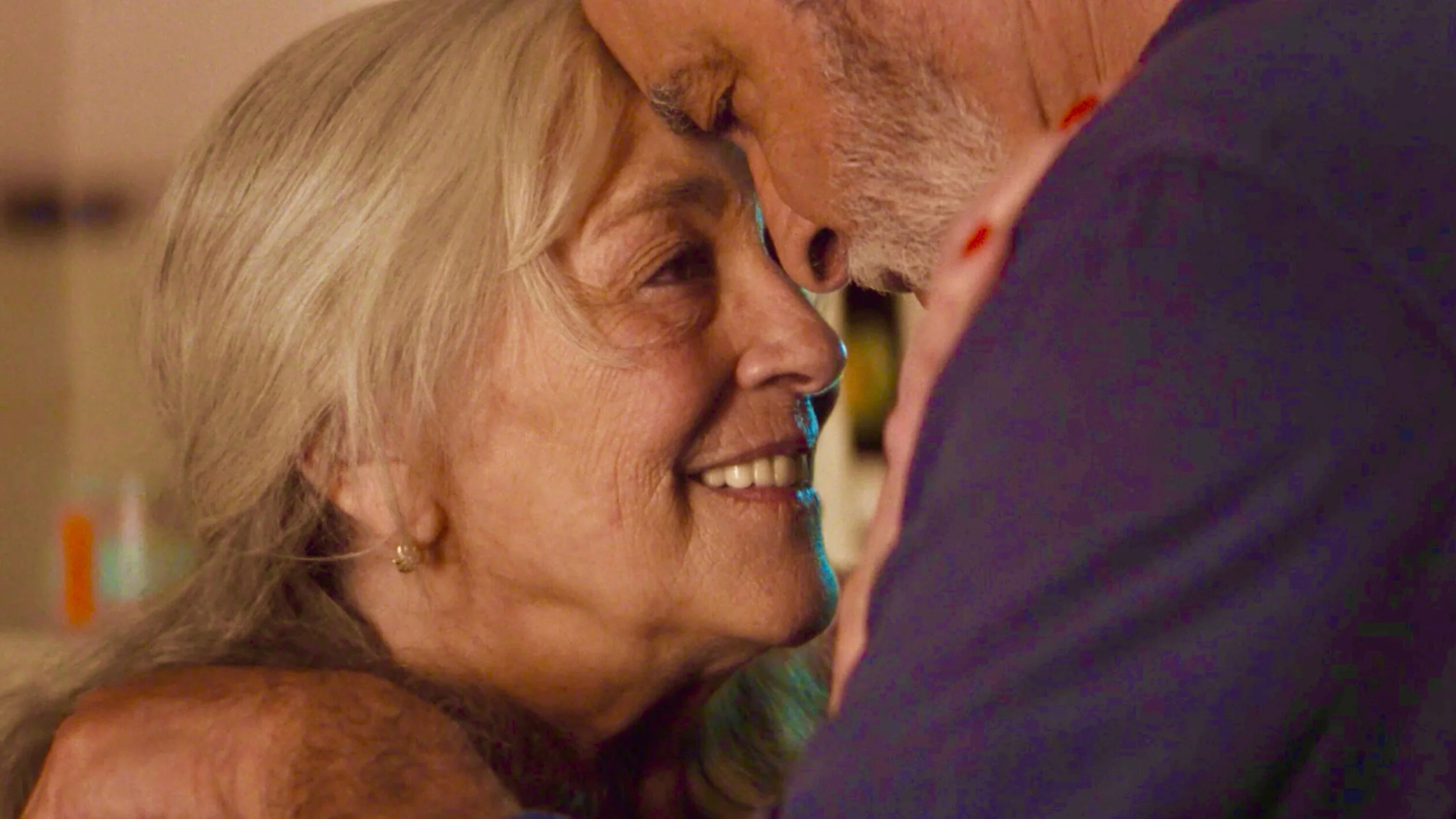
She also begins to find new meaning when getting her objects back, because the relationship she forms with Abslam is so tender and full of life. Perhaps the pacing sags a bit when Touzani begins to sit with the two characters who are still longing for a second chance at love, but the emotional core is so affecting that it won’t take long for you to fall in love with them just as Maria has surprisingly fallen in love with a man who, at first, seemed to have a cold heart. However, his character – and temperament – is why she ultimately experiences feelings she hasn’t felt since her husband passed.
We also get to know the community through the football game watch parties Maria organizes in her flat, where they gather in a place they’re very comfortable in, almost as if it’s their second home. They feel warm and welcomed to be in such great company and enjoy amazing food (and beer)– even the police! Why would you ever rip this beating heart and soul from a person, knowing it’s the only thing keeping them alive and engaged at wanting to still be here for just a bit before it’s truly time? Touzani pertinently reflects on this question, until its sobering final scene, where Clara finally stops thinking about herself for two seconds and begins to realize what’s most important…