
‘Romería’ Review : Carla Simón Delivers Her Best Film Yet
While imperfect in its structure, Carla Simón manages to pull us into a devastating portrait of a young woman searching for the truth amid a fractured family with Romería.
If Carla Simón’s Golden Bear-winning Alcarràs didn’t wow you, perhaps Romería might. The Spanish filmmaker’s latest drama is a quiet, meditative character study that unfolds unexpectedly, even if the journey to get there might be rough around the edges. However, its patience will eventually reward you, as Simón would rather the story be told through contrasting perspectives rather than fully spelling out everything for the audience. You may not expect to be devastated as you’re slowly parsing through the film, but it might happen by the time it reaches its final scene.
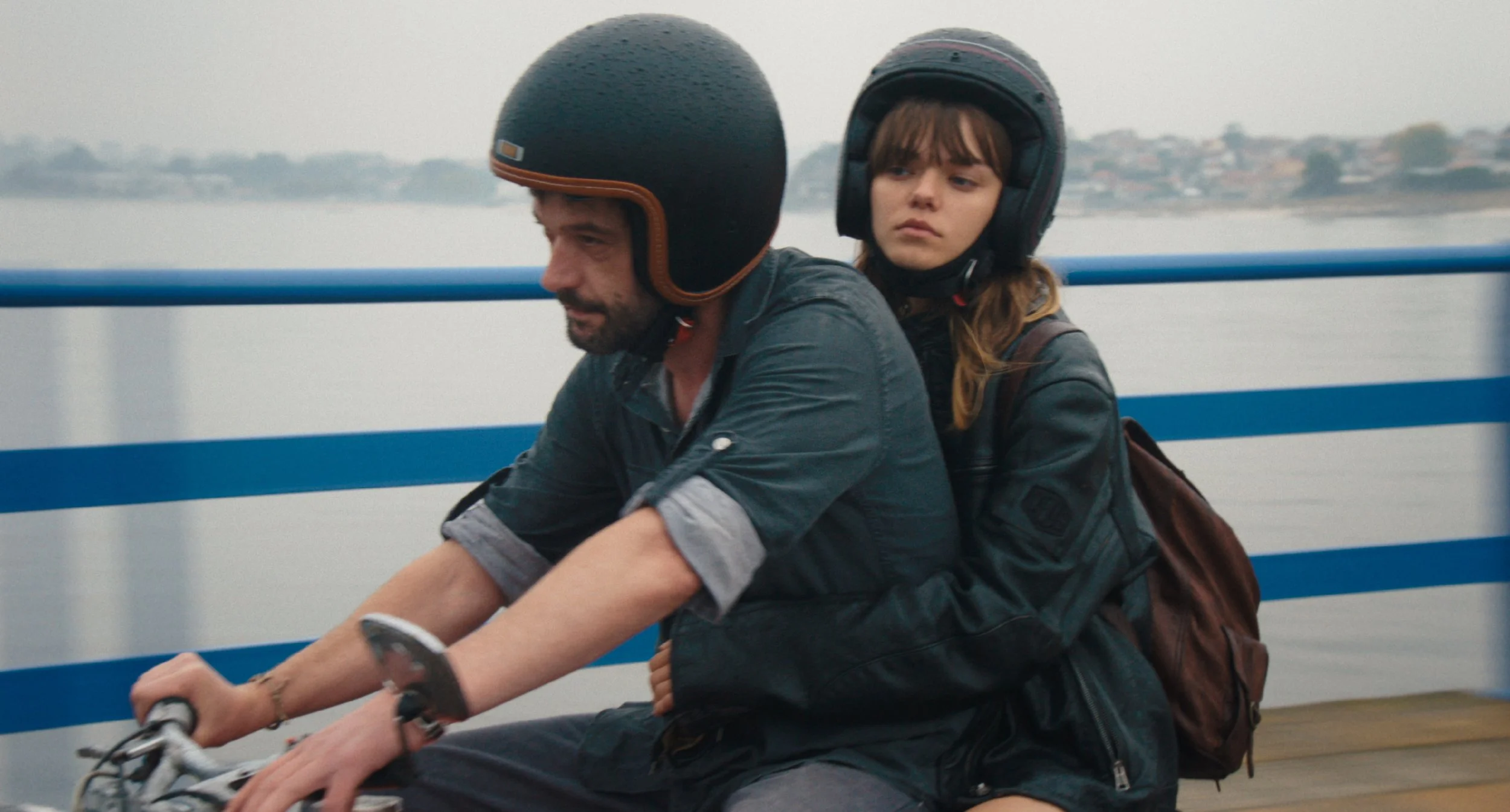
The movie tracks the story of Marina Piñeiro (Llúcia Garcia), who, in 2004, attempts to apply for a scholarship to study cinema, but can’t do so unless she is recognized in her father’s death certificate. To do so, she must travel to her grandparents’ house to have the certificate updated, and it will be the first time she meets the family on her late father’s side. Simón’s camera floats around objective sequences where Marina careens around the environment and attempts to get a sense of the people she meets for the first time, and subjective scenes where the protagonist records the connections she makes in her handheld DV camera, likely a primer for the future filmmaking career she’s going to embark on.
Simón will also contrast this story to the one of her mother (also played by Llúcia Garcia) in the 1980s, and it’s where the movie begins to blend the two characters almost unrecognizably so. It’s also where Romería began to lose me, but what comes before (and after) cannot be dismissed, and how Simón deftly parallels the two stories together results in one of the year’s most astonishing final scenes.
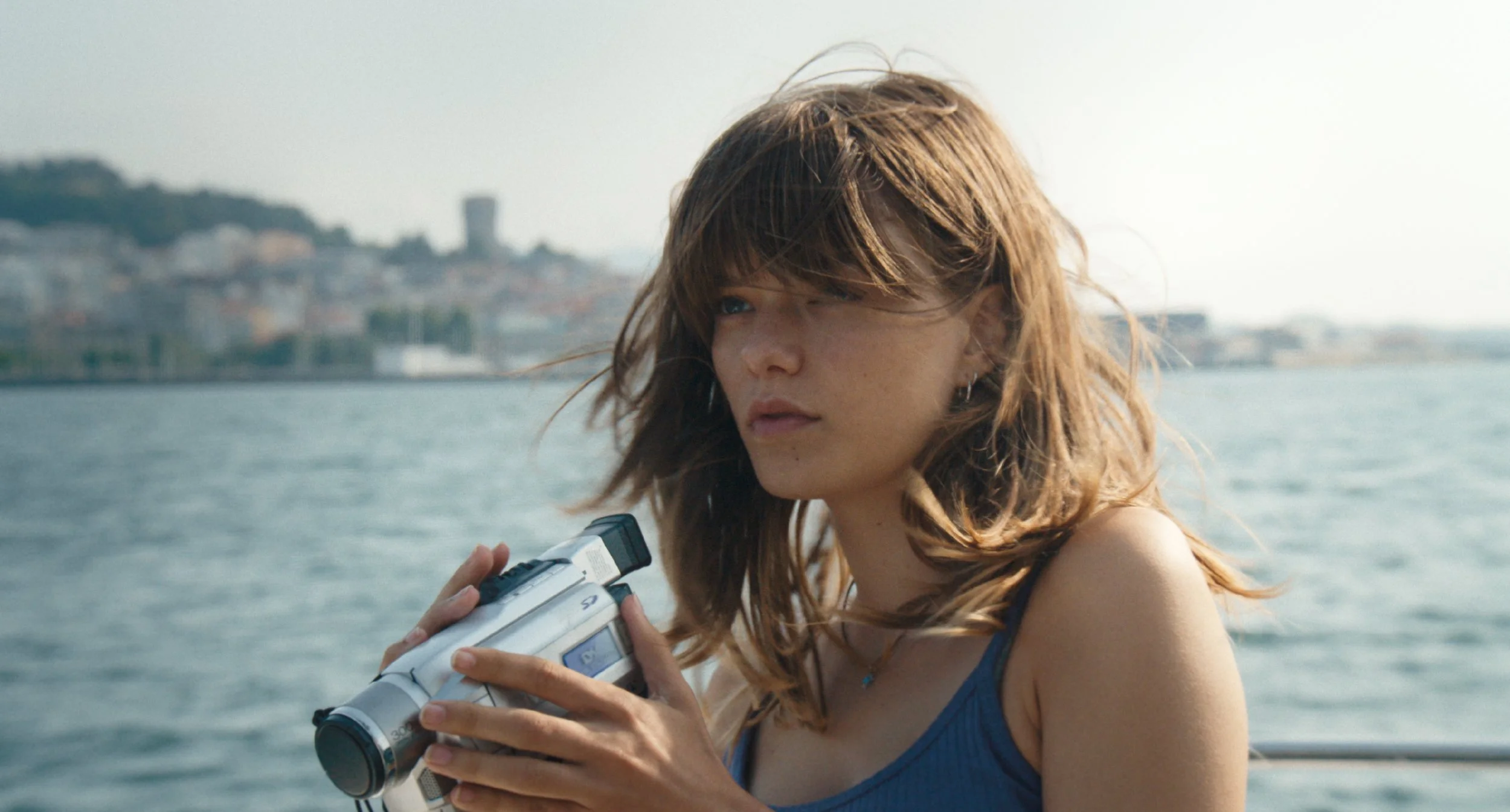
The experience of viewing Romería occurs twofold. First, we begin to assess Simón’s structure. She’ll linearly present Marina’s current plight, but fragment it across five days. The camera follows the protagonist as she meets her paternal family. By letting us sit with her and examine everything through her eyes, our connection with this distant world feels oh-so-familiar, even if the reason behind her father’s death is quite tragic. Simón is unafraid to discuss the cruel AIDS epidemic that killed both of her parents, which she vulnerably puts on screen by way of Marina’s journey of self-discovery, attempting to destigmatize the fear people still had of AIDS at the time, while also giving her character the agency she requires to finally lay the truth bare.
While some of the scenes with Marina’s paternal family are full of humanity and are often funny (because you’ll recognize many archetypal figures that may be in your own family), an undercurrent of tragedy also plagues them, and it’s hard to wipe away many of the judgments they make about how Marina looks exactly like the mother she never fully knew. It’s a difficult movie to watch, especially in its subtleties, but you may not catch this at face value.
When you begin to examine Marina’s facial expressions, paralleled with her mother’s gaze, it’s hard not to see how these two characters distinguish – and communicate with – each other. It’s a complex, often distanced, portrait of two women with different emotional journeys, but one that ends up being more fulfilling than you’d might think, thanks in no small part to an emotive, breakout dual performance from Llúcia Garcia and a controlled visual language that immerses us much faster than any line of dialogue given in this picture.
However, as in Alcarràs, Simón doesn’t fully cohere her two visions and begins to meander by the time we reach the dual stories. The cinematography is always striking, yes, but much less impactful when it begins to distance itself from the viewers and the characters. Still, she swiftly recovers with a final scene of such beauty that we almost can forgive the missteps taken along the way.
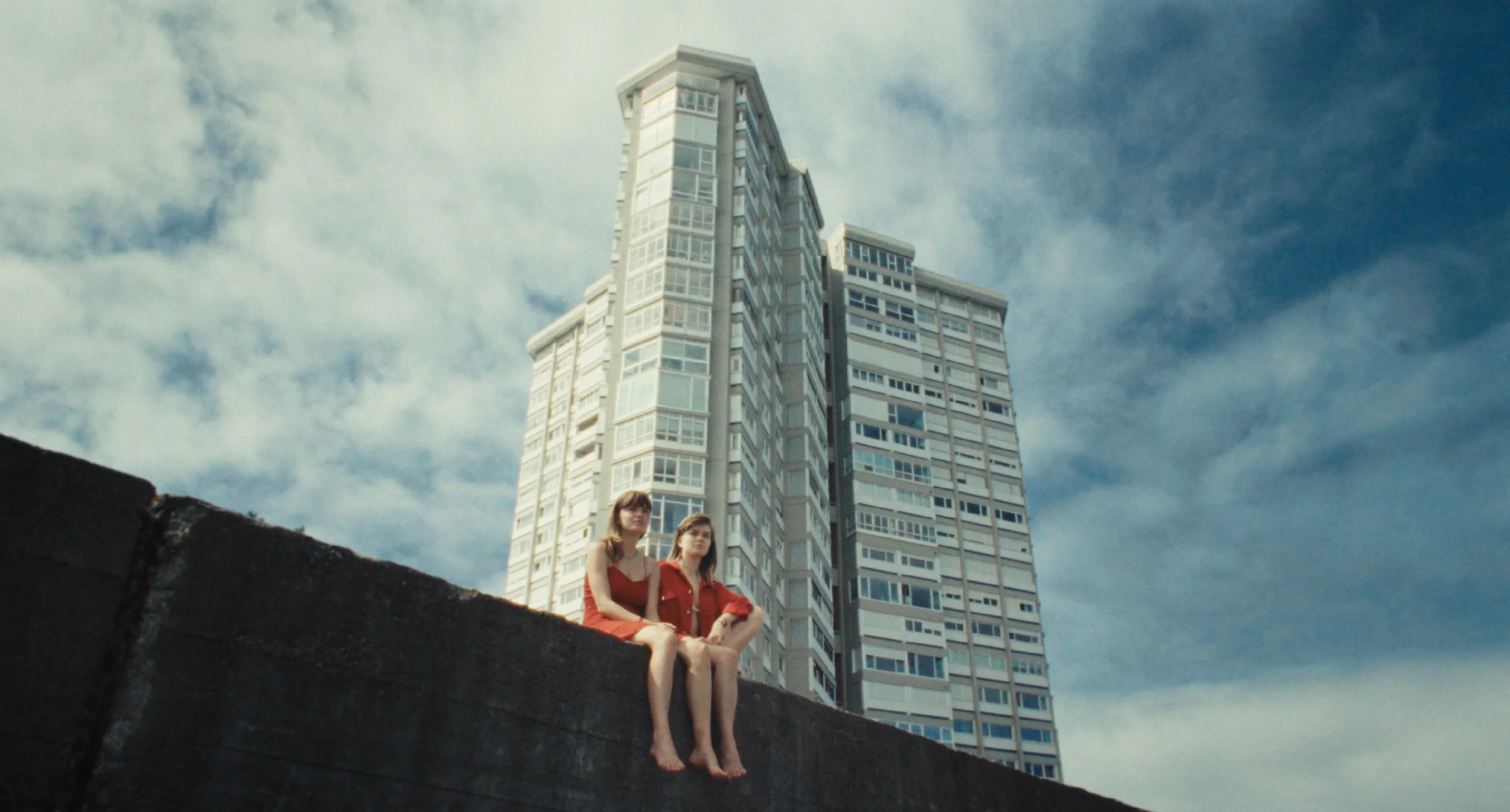
As far as I’m concerned, this is a much more aesthetically and thematically confident film than her previous one. It’s also the director’s most personal, as the character study she draws is partly based on her own life. One can sense her urgency in laying it all out on the screen. Even though it’s an imperfect, almost scattershot portrait of a woman attempting to understand her parental lineage while her family doesn’t want the truth to come out, I wouldn’t change it for the world. Romería is entirely Simón's and Simón’s alone, and it will likely stand the test of time as her most essential piece of work.