
‘Rosebush Pruning’ Review: A Star-Studded Flop
Despite one of the year’s best ensembles, Karim Aïnouz and Efthimis Filippou’s reinterpretation of Marco Bellocchio’s Fists in the Pocket in Rosebush Pruning ends up being a massive nothingburger.
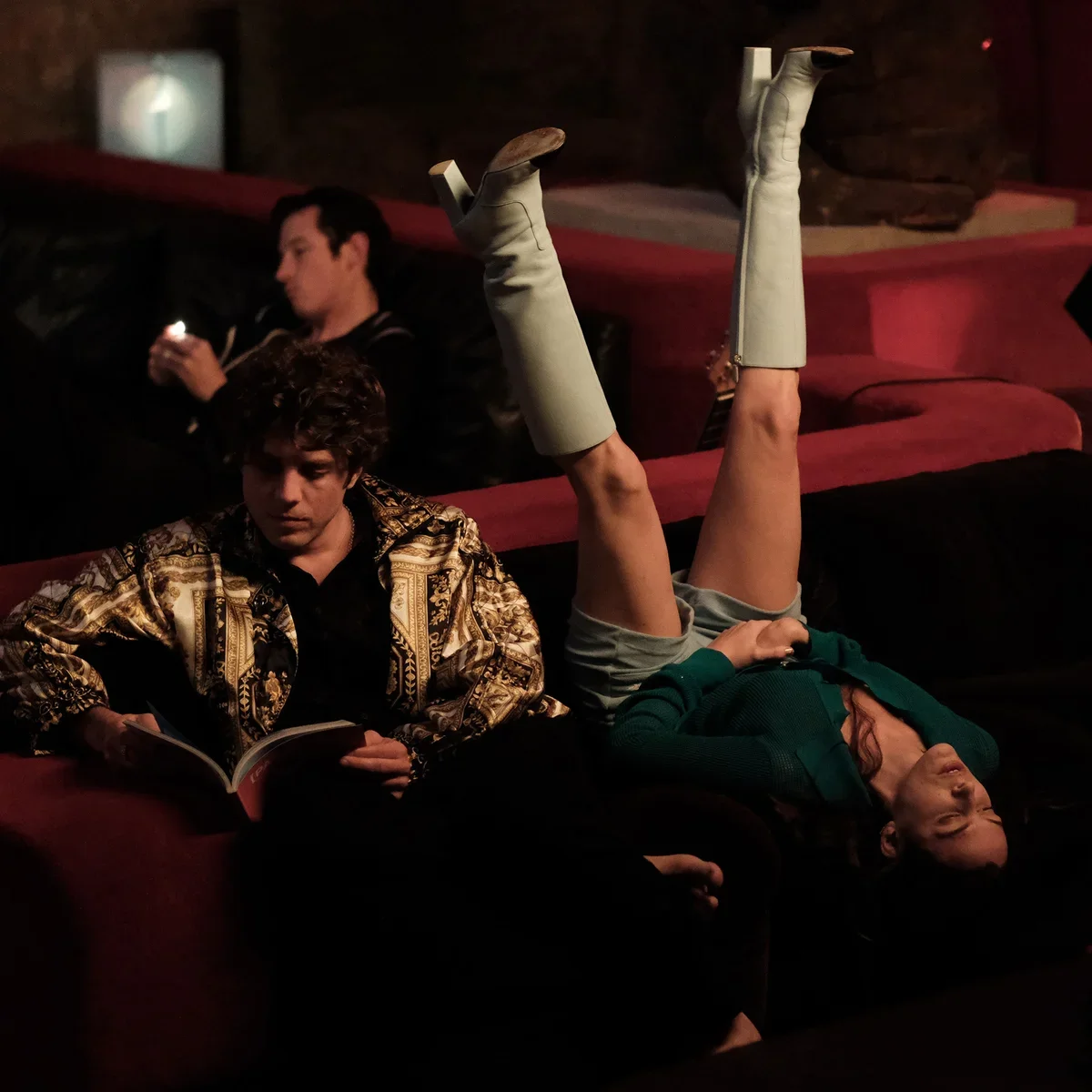
Callum Turner. Riley Keough. Elle Fanning. Jamie Bell. Tracy Letts. Lukas Gage. Pamela Anderson. In a movie written by Efthimis Filippou, shot by Hélène Louvart, and co-edited by Dávid Jancsó. A modern-day reinterpretation (“reinterpretation” is a strong word, since it only takes a minuscule amount of the original source material’s story, themes, and characters) of Marco Bellocchio’s Fists in the Pocket, directed by festival darling Karim Aïnouz, and premiering in competition at the Berlinale. Rosebush Pruning had all the ingredients of a successful movie, but the fumble is so generational that you might not even have a clue that the film had a limited theatrical release on the same weekend as Turner’s more mainstream title, One Night Only.
MUBI is completely burying the movie and dumping it with little to no fanfare on the streaming service this week, while putting all of their chips on Jane Schoenbrun’s Teenage Sex and Death at Camp Miasma in the hopes no one notices. But as someone who closely follows the three pillars of film festivals (Berlin, Cannes, Venice), the film has been on my radar ever since its premiere, despite my usual disdain for Aïnouz’s empty provocations. One can safely put Rosebush Pruning on the list of the Brazilian auteur’s biggest vapid pieces of claptrap, but this one might take the cake as his most significant missed opportunity yet.
How do you have such great talent in front of the camera and waste all of them? Not a single actor in this horrendously-constructer perfume commercial (that’s exactly what it looks like) gives a good performance. Not even Elle Fanning, who, after giving her best-ever performance in Joachim Trier’s Sentimental Value, plays a one-note archetype who barely has agency of her own and floats inside a movie without a sense of identity or purpose. Its end credits state it is “inspired by” Bellocchio’s first film, but that is honestly such a stretch that it almost acts as an insult to Fists in the Pocket, and what it ultimately accomplished to immediately set a language within Bellocchio’s oeuvre.
Bellocchio’s film is, first and foremost, a (tormented) character study. Rosebush Pruning doesn’t know which character to focus on, even if Turner’s Ed acts as our narrator and guide inside his depraved and dysfunctional family. Aïnouz and Filippou then begin to swerve the perspective in a thousand directions, starting with Ed’s brother, Jack (Jamie Bell), and, eventually, Robert (Lukas Gage). None of these points of view add texture or emotional depth to a vacuous “eat the rich!” satire that has as much depth as a plank of wood, or, in more apt terms, an Emerald Fennell picture.
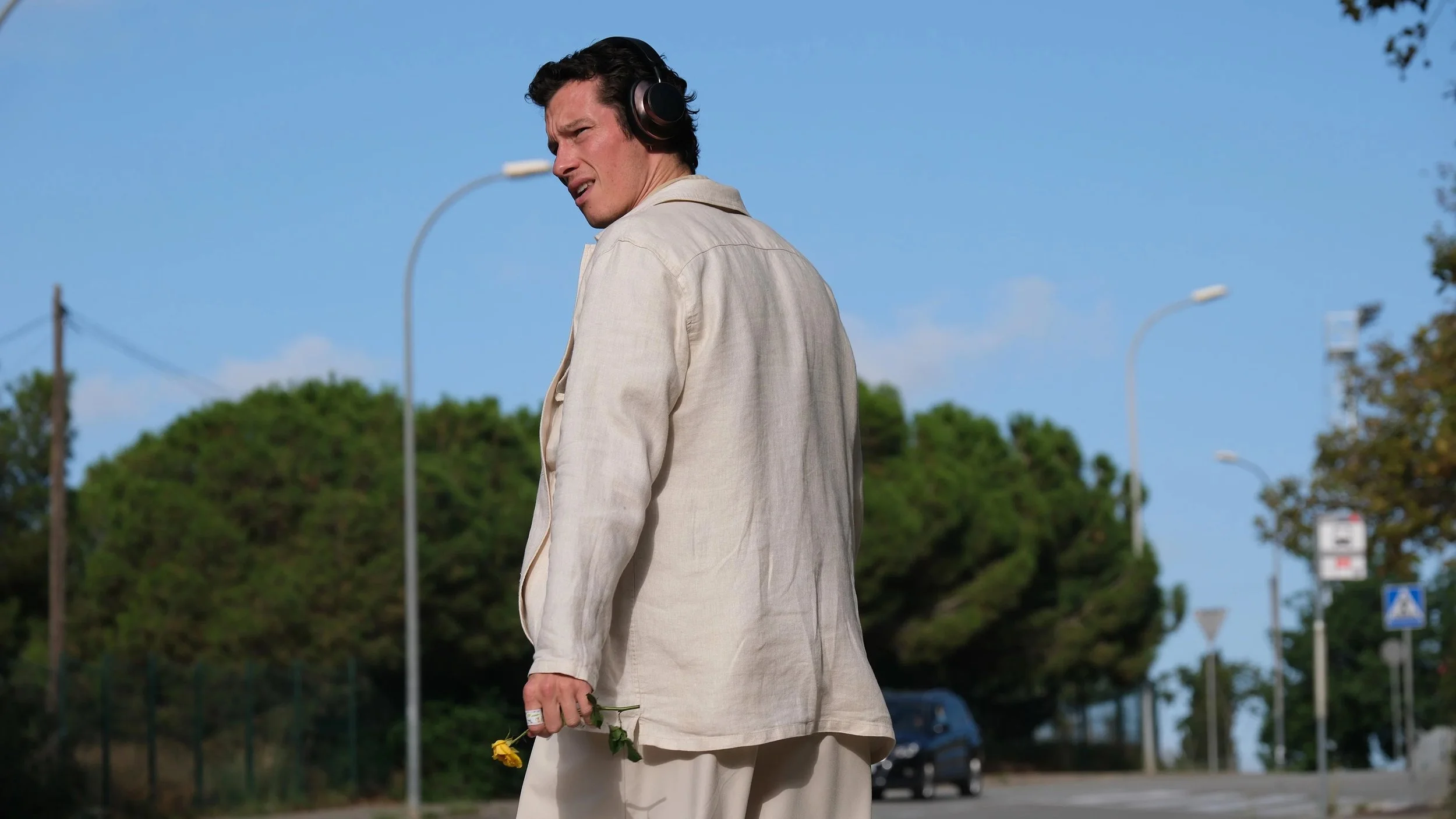
At least Fennell knew how to provoke with Saltburn. Aïnouz has no idea how to create images that leave a lasting impact in our psyche, despite some fairly disturbing violence and explicit sexual imagery, far more explicit than anything Fennell has shown on screen. But the emotional catharsis isn’t present, because we don’t care about anyone in the film. In Fists in the Pocket, our relationship with Lou Castel’s Alessandro complexifies itself as he goes on his killing spree and begins to torment the members of his very own family. We understand where he comes from, but should we actively feel sympathy for a total piece of garbage? It is a profoundly disturbing movie, one that is hard to shake long after its final shot burns into our retinas forever.
When such an event begins in Rosebush Pruning, one feels complete indifference. There’s a social critique in there somewhere, but the film itself is so scattered that whatever the hell Aïnouz and Filippou wanted to say falls to the wayside. Only Louvart’s striking images give us something to hold onto, but even they begin to feel glossy, especially during an end credits sequence whose musical juxtaposition to David Clarke’s “What Was Her Name” makes it look like the Zendaya/Anne Hathaway-starring, Paolo Sorrentino-directed Bulgari commercial that was shown at TIFF in 2022.
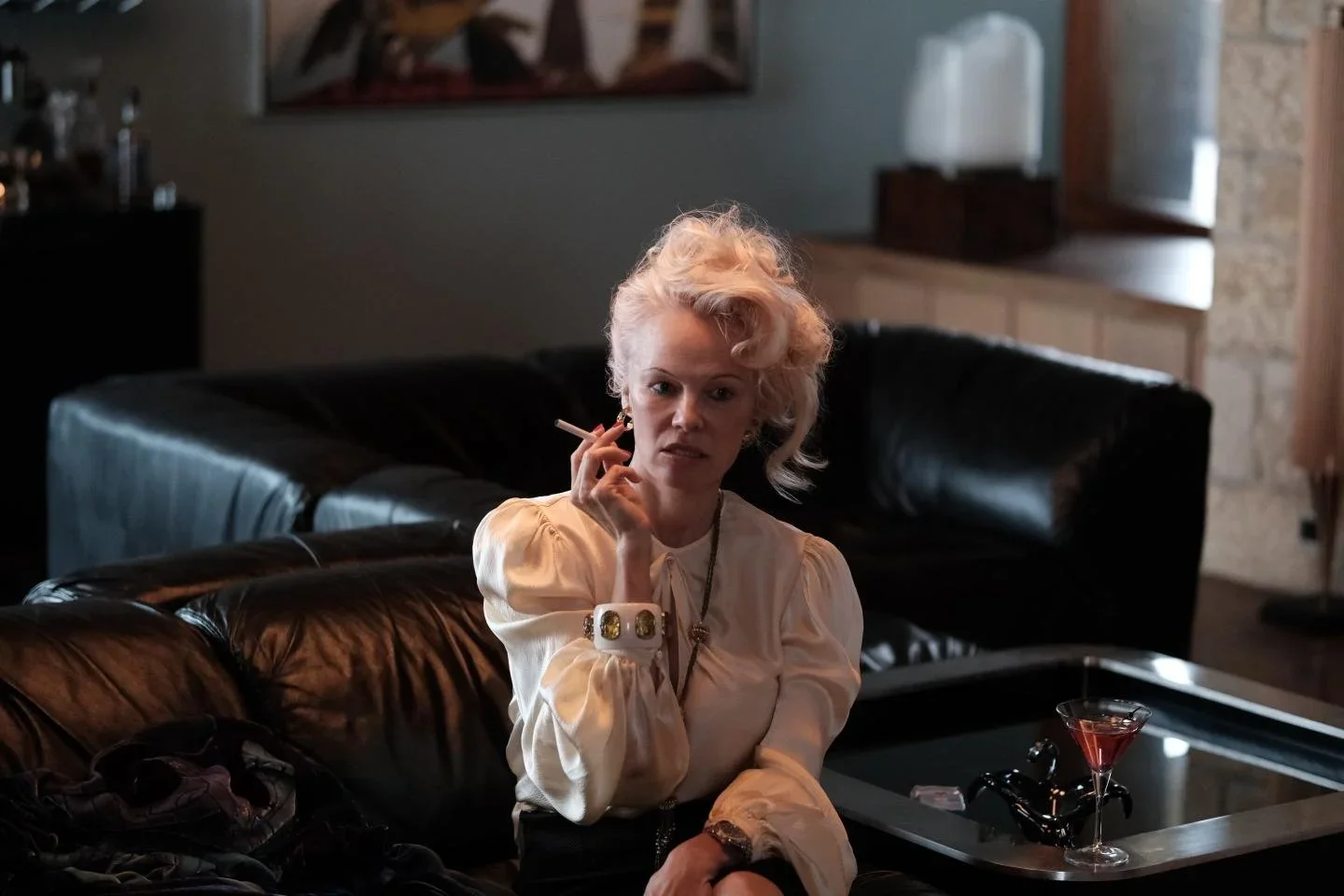
The movie also wants to discuss the nature of abusive relationships, but its shifting character dynamics and reveals land with a complete thud, preventing the screenplay from ever excavating anything meaningful. It ultimately results in a terribly pretentious exercise that looks alluring but lacks the thematic (or aesthetic) impulses to communicate thoughtful ideas to the viewers. It is the year’s cinematic equivalent of “all sound and fury, signifying nothing,” which is absolutely baffling, considering the wealth of talent in front of and behind the camera.
Maybe Filippou’s words don’t have the same touch when he doesn’t collaborate with Yorgos Lanthimos, because there’s no way such a storied screenwriter could stoop this low. If only Aïnouz knew how to direct such an ensemble, and Filippou’s screenplays. Perhaps we’d have something of substance if the individual behind the camera were somewhat competent. Unfortunately for Rosebush Pruning, it doesn’t appear to be the case.