
‘Nightborn’ Review: A Clumsy and Irritating Folk Horror Film [Fantasia 2026]
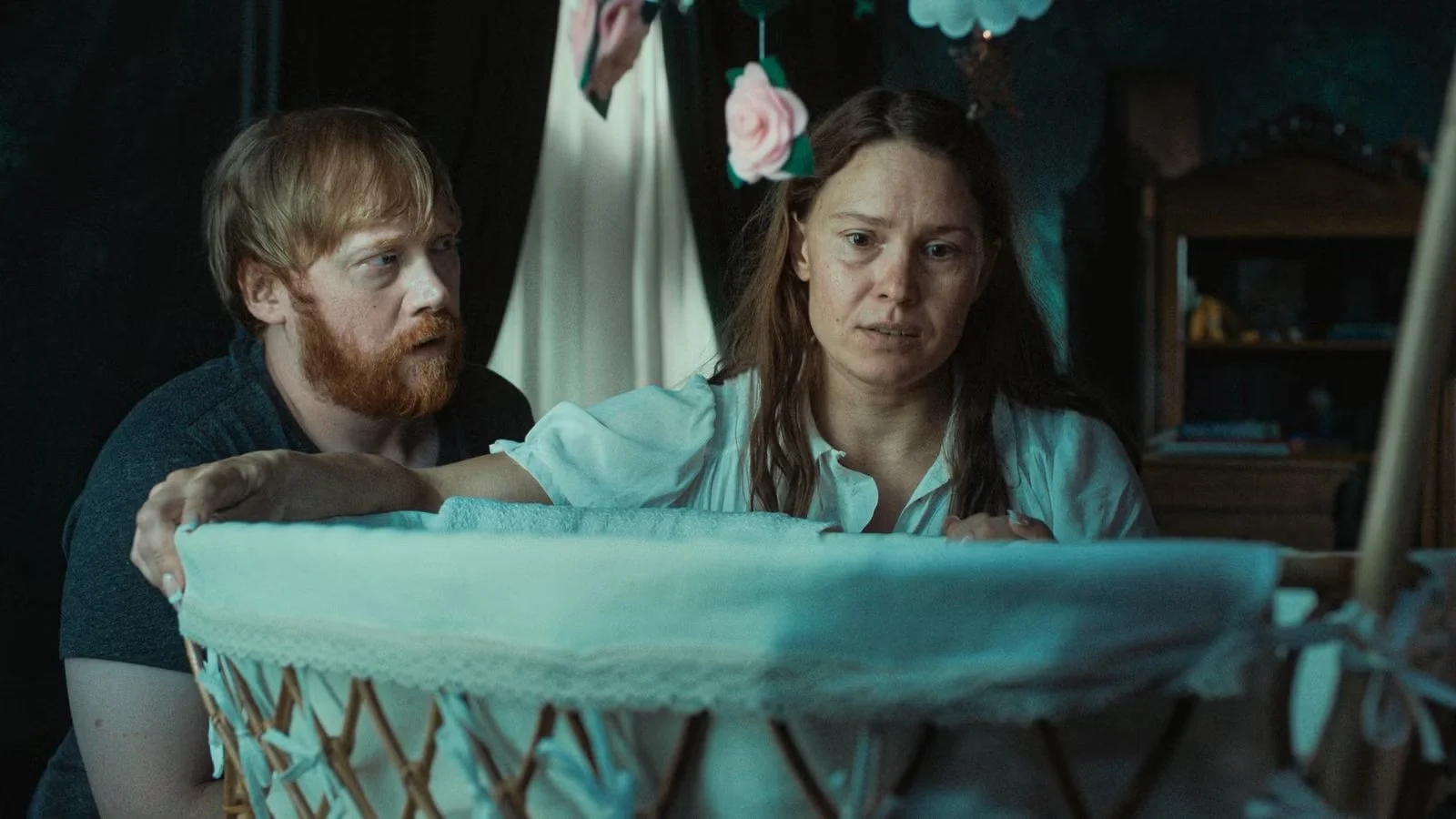
While Seidi Haarla gives filmmaker Hannah Bergholm’s ‘Nightborn’ a real dramatic heft, this Cheval Noir-award winning picture quickly bludgeons the audience with the same old tropes, ideas and irritating shrieks that ultimately signify nothing.
Fresh off a competition run at the Berlinale, Hanna Bergholm’s Nightborn (Yön lapsi) had a North American premiere at the Fantasia International Film Festival and won the coveted Cheval Noir award for this year’s edition. Arguably the most high-profile title presented in competition this year, there’s a lot in Nightborn that, on paper, feels as intriguing and exciting as Bergholm’s previous movie, Hatching, which also touched upon motherhood, through an entirely different light than this one.
Much like Johanna Moder’s Mother’s Baby, which also premiered at the Berlinale in competition last year, Bergholm discusses the challenges of motherhood by attempting to raise a baby that might not be of this Earth. However, unlike Mother’s Baby, the experience of watching Nightborn is painfully irritating and much less satisfying than Moder’s film, which had its flaws but was at least carried by two incredible performances from Marie Leuenberger and Claes Bang.
Nightborn only contains one performance of note, via Seidi Haarla’s Saga, who, with her husband Jon (Rupert Grint), embarks on a new chapter in their lives. Moving to the Finnish wilderness, the two immediately go at it in the forest, and Saga quickly gives birth to a baby, whom she names Kuura, despite pushback from the English-speaking side of the family. The literal Finnish translation of “Kuura” is “frost,” which partially explains why the baby is so drawn to anything revolving around nature, but not so much when it continually shrieks in our ears until it becomes bludgeoningly deafening.
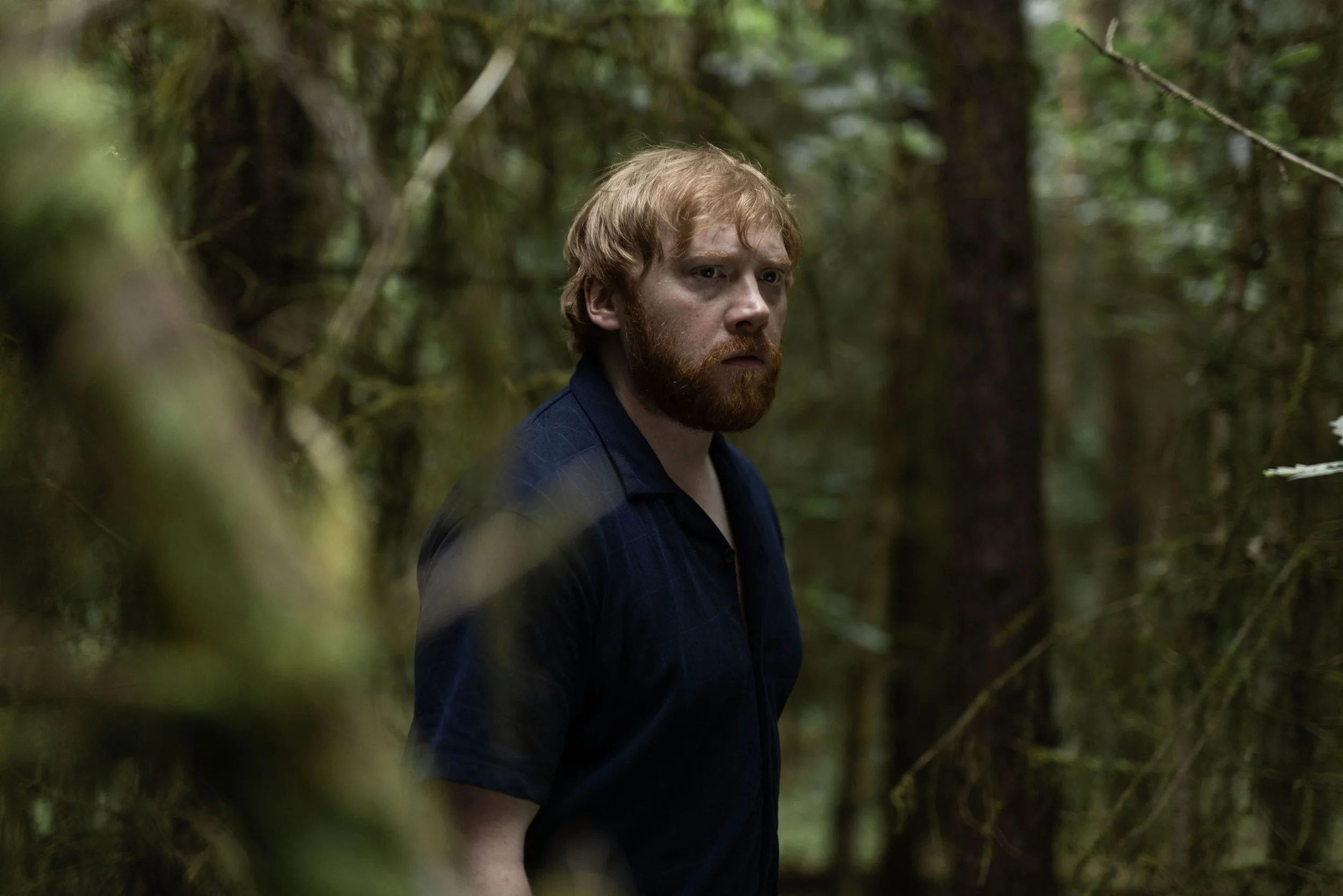
In any event, it won’t take long for you to parse that its endless screams attempt to mask the lack of depth (and more importantly, originality) that such a screenplay possesses. Most of the ideas that are in this film are the exact same as Mother’s Baby, though the folk horror of it all sets it apart. However, Bergholm does nothing with this setting, even if “nature” becomes an intrinsic part of how Kuura was conceived, and why the baby suddenly stops yelling when it’s strolled in the woods. Even when it lightly touches upon something much deeper than how its ideas are presented, the Finnish director never examines it, preferring to stay on the surface and through cyclical situations.
Of course, nature is cyclical in itself, and that may be why Bergholm incessantly repeats many settings – and dialogues – throughout the runtime, but that’s a poor excuse for the fact that the story goes in minimally interesting directions, even if Seidi Haarla gives one of the most impassioned performances of the year. It’s only because of her ferocious and blisteringly humane turn as Saga that we keep invested, because we want to see how the shifts in her perception of motherhood affect her, while everyone around the protagonist, including her husband, gaslights her. Nature is a far better – and more developed – setting in Wiebke von Carolsfeld’s Someone’s Daughter, which also vied for the Cheval Noir award, even if it contains glaring flaws.
Gee. Where have audiences seen this before? Possibly in every horror movie related to motherhood ever. When Roman Polanski made Rosemary’s Baby, this type of film felt different, and the psychological progression to its devastating plot twist was earned by the audience. Now, the “gaslight until a reveal” structure feels cheap and redundant, especially in a movie that wins an award for the year’s most essential genre work, over genuinely daring projects like Kasper Kalle’s No Rest for the Wicked, Yusuke Iwasaki’s AnyMart, and Eiji Uchida’s TOKYO BURST: Crime City, which reinvigorated the successful The Roundup franchise through gravity-defying Soi Cheang-inspired action.
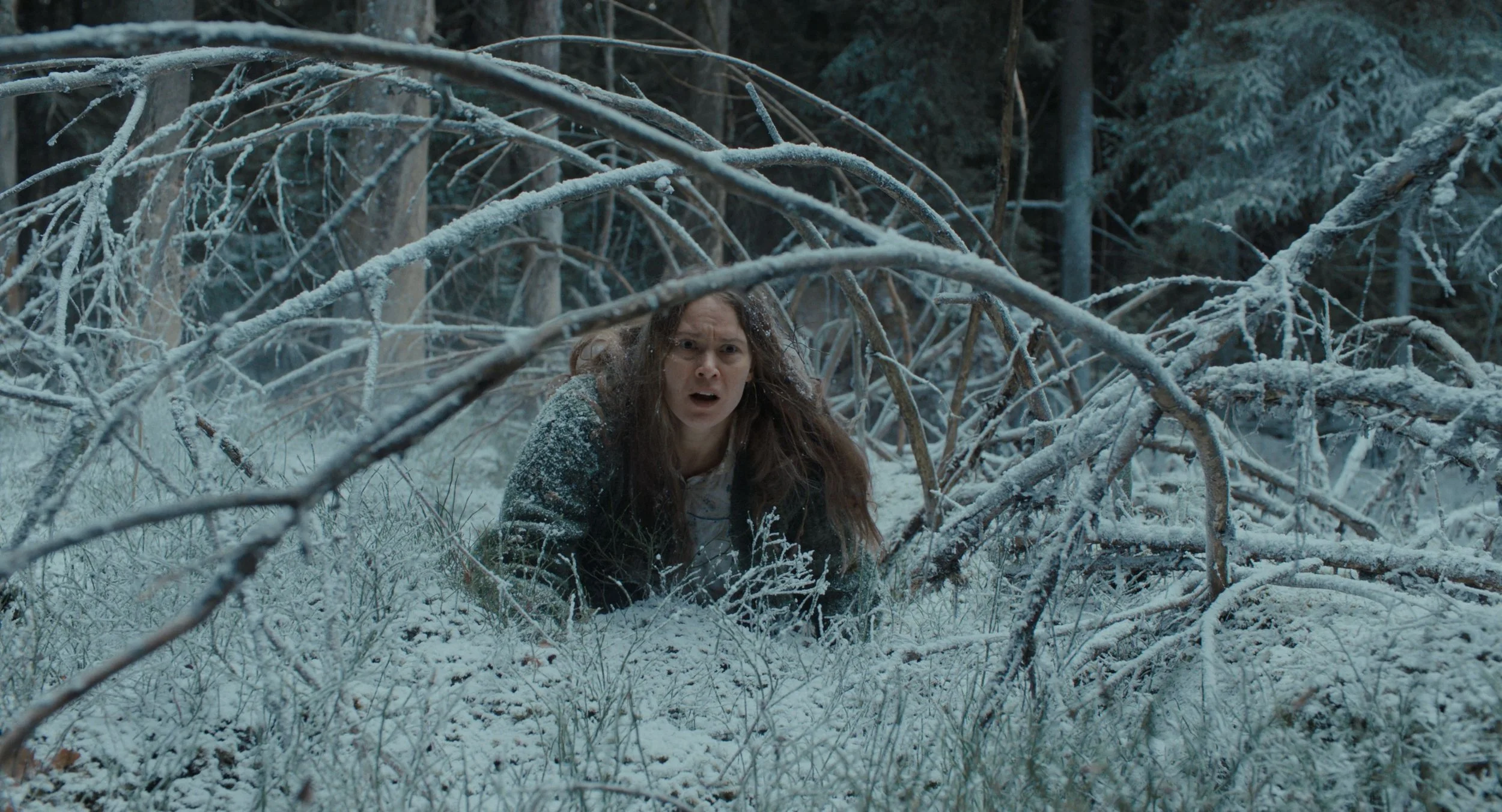
Even if Haarla cares about Saga’s emotional (and thematic) journey, the rest of the movie doesn’t provoke the same investment, because none of the other performances hold the same weight. Grint is painfully miscast, while supporting turns from Pamela Tola and Pirkko Saisio as Saga’s sister and mother, respectively, are nothing more than one-note gaslighting attributes. This writer would love to discuss more of the film’s back half to explain why Nightborn barely functions as a folk horror film, and a “baby”-driven one at that, but that would mean spoiling an even darker emotional turn that the director probably doesn’t want any of us to reveal.
However, what you can know is this: Nightborn is a complete waste of time that seemingly wants to reinvent folk horror, but doesn’t have the patience to do something genuinely original. It retreads beats we’ve seen a thousand times before, with little to no purpose other than to make you annoyed at the sound of babies screaming. I’m certainly annoyed at that, but more so by the fact that this supposedly ground-breaking genre film doesn’t possess the quality that something as mind-melting as Hélène Cattet and Bruno Forzani’s Reflection in a Dead Diamond (which also had a premiere at Berlin and Fantasia) had.