
‘Someone’s Daughter’ Review: An Underwhelming Survival Thriller [Fantasia 2026]
Despite an alluring visual language and decent performances from both Pascale Bussières and François Arnaud, Wiebke von Carolsfeld’s Someone’s Daughter seems afraid to explore the central topic at the heart of the movie.
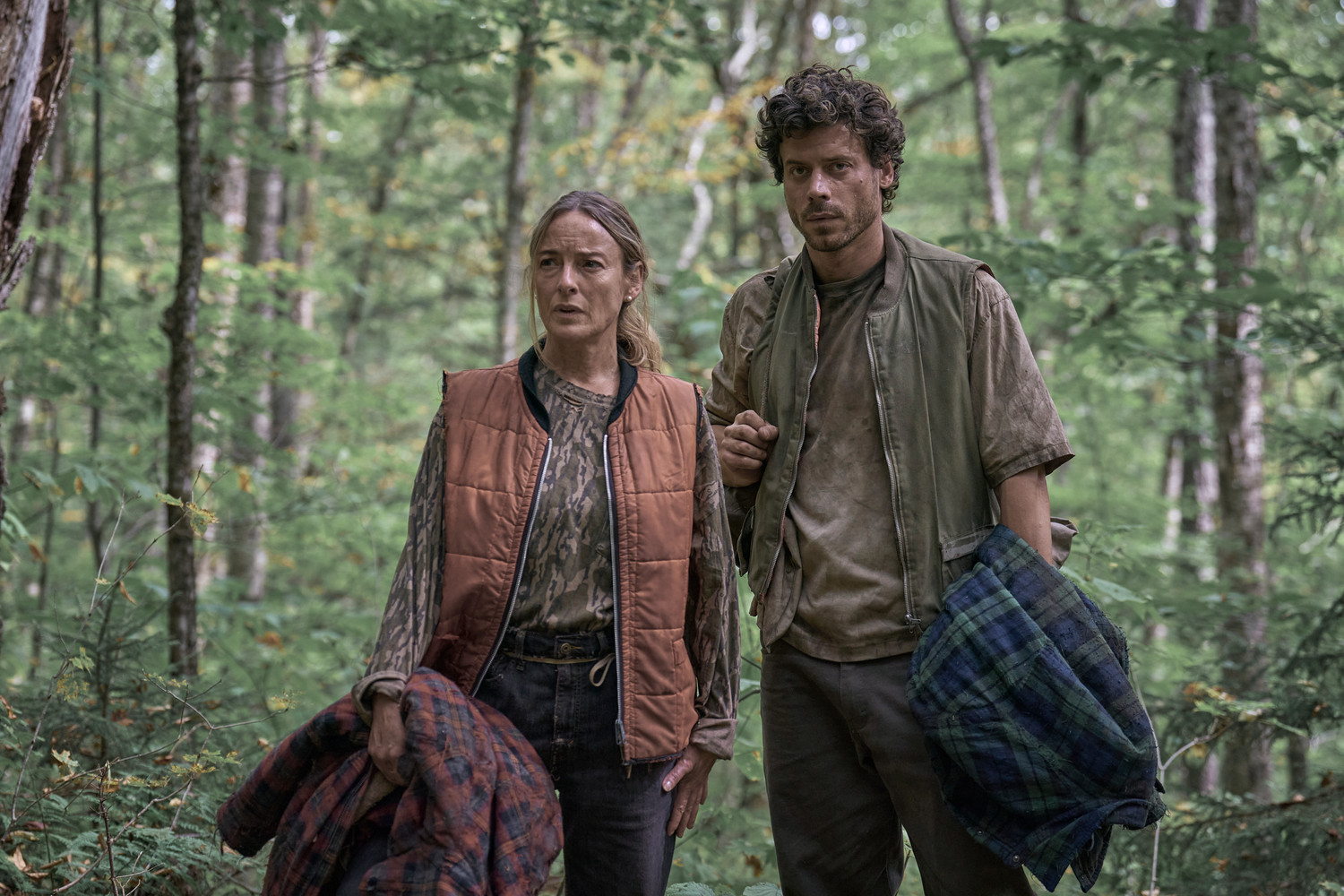
Wiebke von Carolsfeld’s Someone’s Daughter, which recently had its world premiere in the Cheval Noir section at the Fantasia International Film Festival, opens in media res, as Sam (Pascale Bussières) is tied up in the back of a car, driven by a rape victim’s father (Peter Outerbridge). We quickly learn that Sam is a lawyer who successfully defended her client, Paul (François Arnaud), against rape allegations that were levied by the victim, who committed suicide in the fallout of his acquittal. A decade later, the father has kidnapped both Sam and Paul into the Québec wilderness, shoots his boat, and kills himself after leaving them stranded.
The evocative, haunting imagery of a distant gunshot, heard and seen by Sam, is enough to pull us into the story without fully knowing what’s about to transpire. Both Sam and Paul must now work together to find their way to a road, any road, but they slowly begin to wonder if they should trust one another. Even though the case was closed a decade ago, doubt begins to seep into Sam’s mind as Paul’s behavior becomes more and more controlling – and toxic – and the movie begins to question whether or not Sam’s employment is a moral one if it leads to more psychological scars and trauma for the victims and their families.
These are the questions at the heart of Von Carolsfeld’s picture, which is the only Québécois film in contention for the Cheval Noir award this year (the 2025 edition featured none). However, they are never fully explored until the jarring back half, which leaves the bulk of Someone’s Daughter as nothing more than a run-of-the-mill survival thriller with characters who seem to contain more than their surface-level traits but are never fully explored. We don’t know that Paul is the client Sam got acquitted when they reunite, but we quickly learn that there are two sides to the story, and that if the victim killed herself in the fallout of the verdict, something definitely happened.
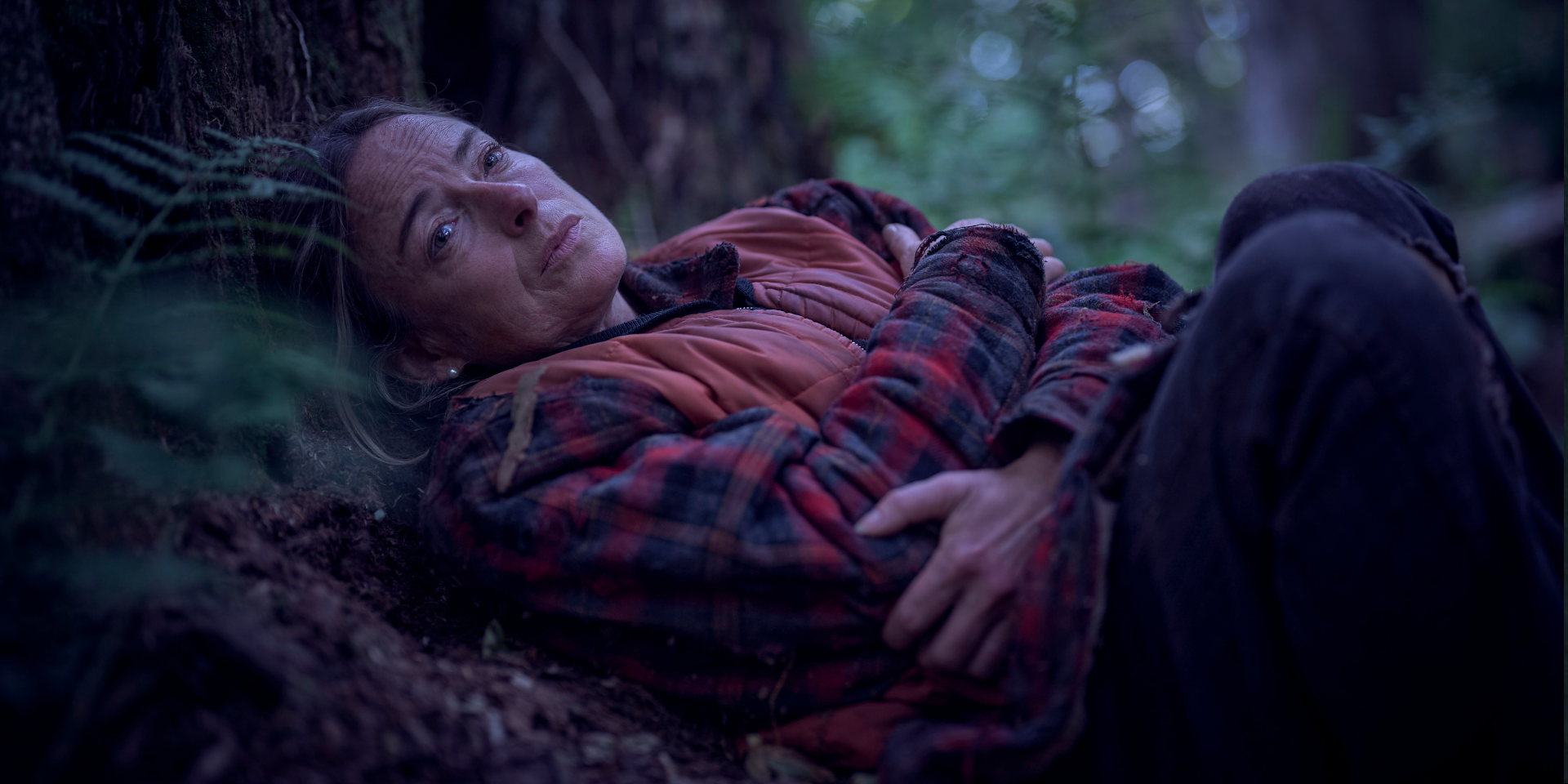
That being said, the concept of “doubt” or, in more legal terms, “reasonable doubt” is never fleshed out. For most of the runtime, both Sam and Paul are quite sympathetic toward one another and help each other out. There’s no sequence when the bulk of them are in deep peril – or genuine danger – but converse in friendly terms to hopefully find a way out and move on with their lives. The film is also one of the rare Québécois productions in English, and while Bussières has a relatively thick accent compared to Arnaud’s note-perfect, controlled turn as Paul, both share a palpable alchemy that makes us want to see how this story will ultimately unfold.
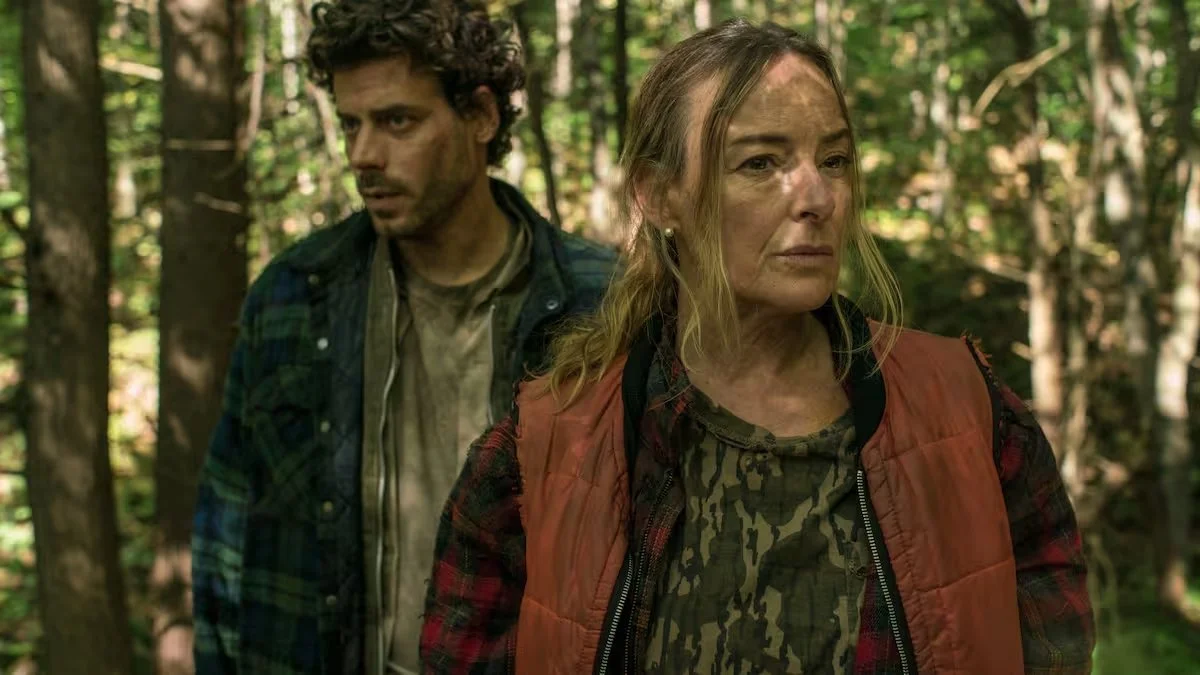
The problem is that there is no build-up to a pivotal emotional turn that repurposes Sam’s perception of Paul, and that perhaps “doing her job” meant defending an actual predator who, by all accounts, is guilty. It comes out of left field and wants to shock audiences, but is so jarring that it almost feels like the progression to that moment was ultimately left on the cutting room floor. And from that point on, Someone’s Daughter becomes nothing more than a run-of-the-mill thriller you’ve seen a thousand times before, most recently in Baltasar Kormákur’s Apex.
It’s a real shame, because the premise could have explored some genuinely pressing issues through a genre lens. However, von Carolsfeld doesn’t seem interested in elevating the two protagonists beyond their one-note attributes, and the movie ultimately becomes a cyclical affair that never adds texture to them, despite an alluring visual language that immediately draws us into the environment’s harshness and two decent performances. It is a massive problem the movie never addresses, leaving us with a rather bitter aftertaste rather than a sense of catharsis for Sam, who might have had a change of heart after spending some personal time with Paul.
The film also makes the cardinal mistake of wasting Michael Greyeyes in a bit part, though his presence does bring a relative sense of finitude to an otherwise disappointing genre film that had the opportunity to be something genuinely special and thought-provoking, but ends up being yet another forgettable nothingburger in the pantheon of bad genre productions the province has financed over the decades. There is a worrying absence of these within the Québec landscape, but when they’re mostly all bad, what’s the point?