
'I Play Rocky' Review: A Blithe Biopic, Retelling a Great Underdog Story [TIFF 2026]
Director Peter Farrelly decides to tell the underdog story behind the underdog story in a heartwarming, albeit low-stakes award contender.
The 1976 classic Rocky is a success story in almost every respect of the word. In true underdog fashion, audiences follow a Philly club boxer who is so down on his luck, most consider him a useless ‘bum’, and at best he’s considered hired muscle for a local loan-shark. Rocky Balboa’s luck changes when he is unexpectedly offered a brass ring - the opportunity to fight the world heavyweight champion Apollo Creed, and his struggle to be recognized as a someone, we fall in love with the kind-hearted Rocky, and cheer him on through impossible odds.
That’s the legendary fictional story. Behind it, however, is an even more unbelievable true story. One that also has a loveable character down on his luck, looking to be recognized and is given a golden opportunity. It’s the true story of Sylvestre Stallone.
Filmmaker Peter Farrelly, still perhaps better known for his comedic classics helmed in partnership with his brother Bobby, once again turns to drama in ‘I Play Rocky’. Farrelly directed the Oscar award winning ‘Greenbook’, a film which hasn’t been without a little controversy or vocal criticism since its release. The film dealt with the heavy-hearted subject of the segregation that many black citizens of America had to face in the southern states in a more, shall we say, light-hearted manner. It felt as if Greenbook was only merely trying to broach an intense subject without actually dealing with the intensity. Even an award-winning performance by Mahershala Ali felt as if it was not enough for the film to truly delve into the drama of the story.
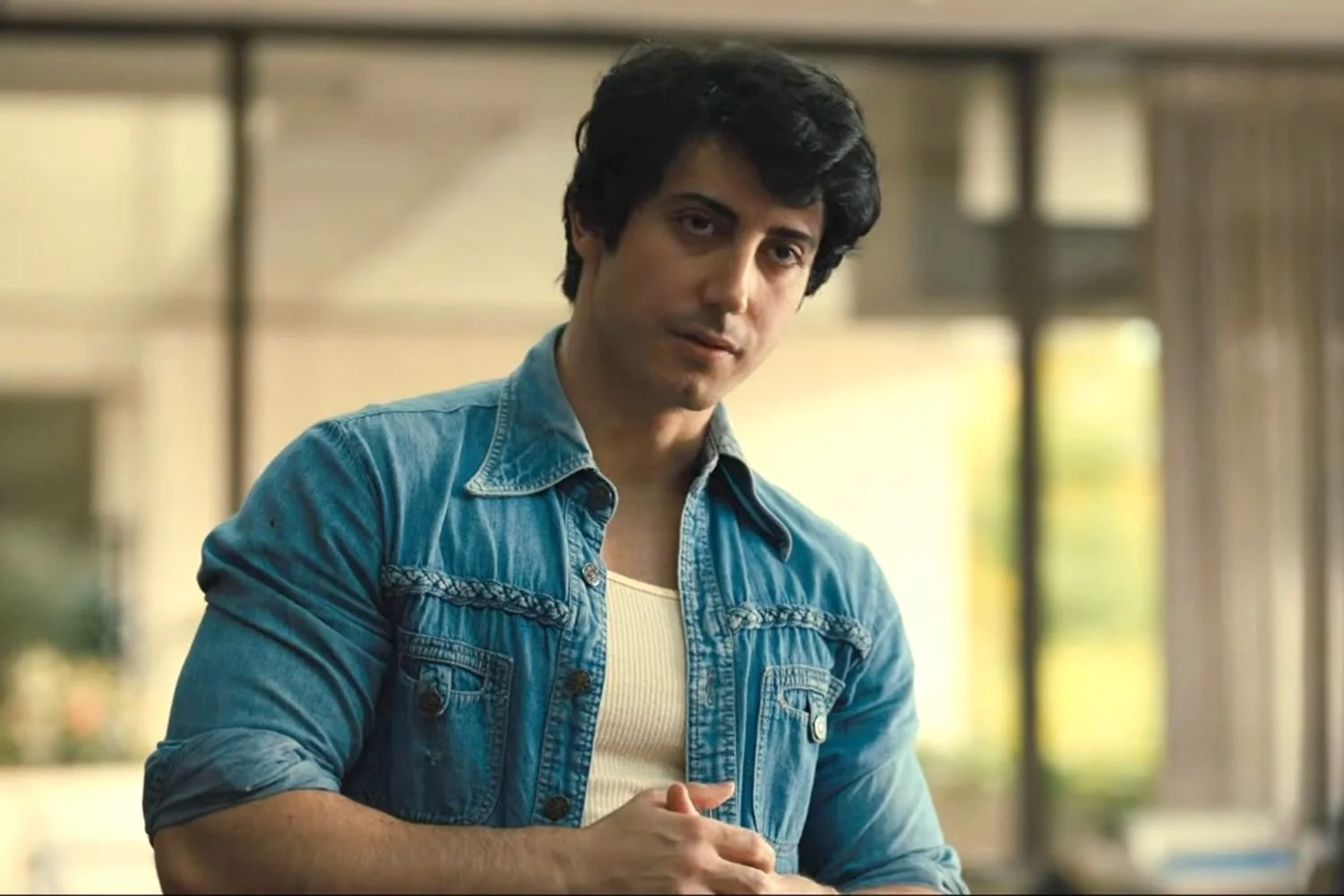
Farrelly’s approach to storytelling has always remained somewhat ‘light’, which is something the world certainly could use, but many felt a drama about racism needed just that, a little more drama. I Play Rocky has a very similar tone as Greenbook as it lacks any discernible tension, albeit for a very different reason. While Greenbook was perhaps in need of a tonal shift, at least the story of I Play Rocky was a better fit. Following Stallone’s famous struggle to get Rocky made, is a tale about remaining optimistic in the face of impossible odds - a thread that certainly lends itself to be more light-hearted and sanguine. The lack of any real tension or drama is simply because the film is akin to Titanic, we know how it’s going to end. We know that the struggles that Stallone (Anthony Ippolito) faces early in the film are going to vanish. The brass ring is waiting for him around the corner. We know that Rocky is going to get made, regardless of what Farrelly and writer Peter Gamble show you. The hurdles are only temporary, and superstardom is inevitable. While the journey is certainly more important than the destination, it can make the film seem a bit one note, as the audience cannot engage in the lows that Stallone suffers. Is it an interesting story of struggle? Undoubtedly. Does one feel the struggle? Not necessarily.
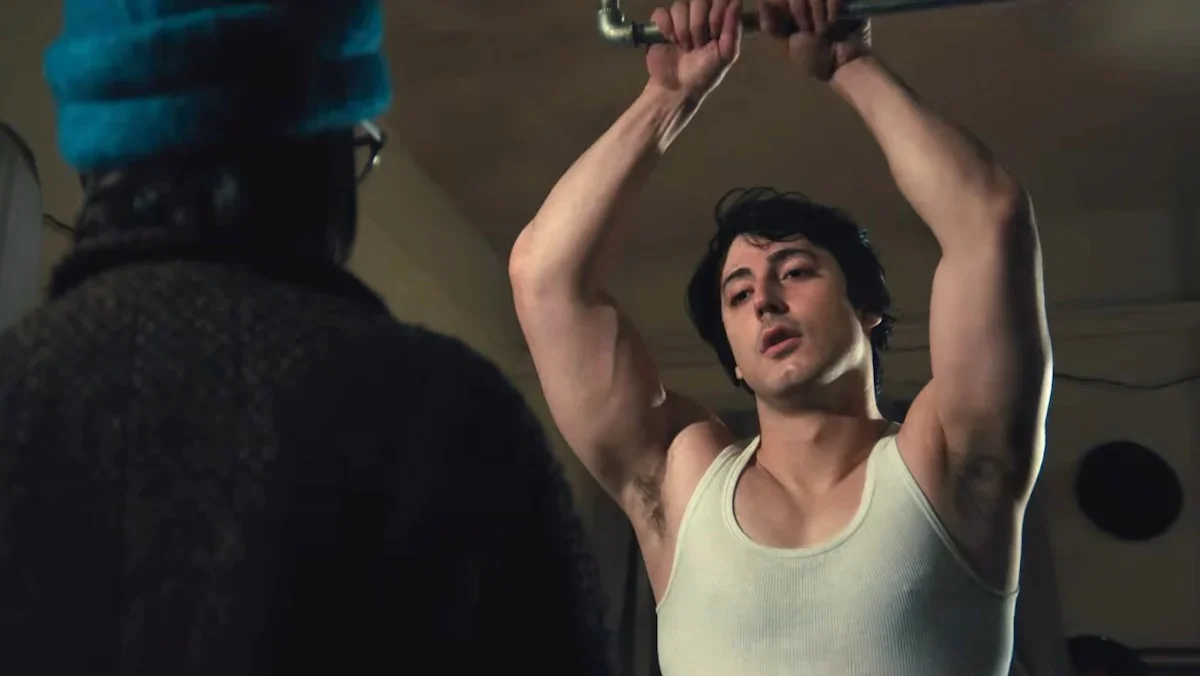
The key to the film’s success is what Farrelly was able to do with Gamble’s hilarious script. Subtlety of character has never been Farrelly’s forte, and so the entire cast could have read as almost caricatures of their real life counterparts, but it never seems to cross that line. Ippolito especially could have easily delved into an impression of Stallone, and while his idiolect and uncanny likeness will certainly evoke Stallone to a tee, it never felt like it was satirical. This young performer certainly transformed himself physically and vocally, but the somewhat sad-sack energy that Stallone exudes in Rocky is what will make everyone gravitate towards Ippolito. There’s something strangely confident about playing someone who is believably unconfident, and Ippolito does it brilliantly.
Farrelly, as director, commanded that from all his performers, and was able to pull that off with practically the entire cast. As a result, these larger than true-life versions of these real life people felt like just the right sized puzzle piece, large enough that anyone could put the puzzle together easily, but not so juvenile that it felt insulting to audiences. The duo of P.J. Byrne and Toby Kebbell, who play the producorial kingpins behind Rocky getting made, Irwin Winkler and Robert Chartoff, give off an Abbott and Costello vibe, with Kebbell being more of the straight man to Byrne’s wide-eyed frenzy. The actors play the two inseparable backers who show just how much belief it took in this film to wade through the chaos that was involved to get Rocky made. Byrne especially gives a hilarious performance, as Winkler was seemingly a mere moment away from going into cardiac arrest the entire production. The inexperience of the film’s stars in key moments, injuries to Stallone, union bosses threatening shut downs and pressure from the studio were enough to send anyone into delirium. While it is doubtful the actual stresses of the filmmaking process were that funny in real life, it certainly kept I Play Rocky entertaining as the chains of the roller coaster pulled the audience to the climax of the ride.
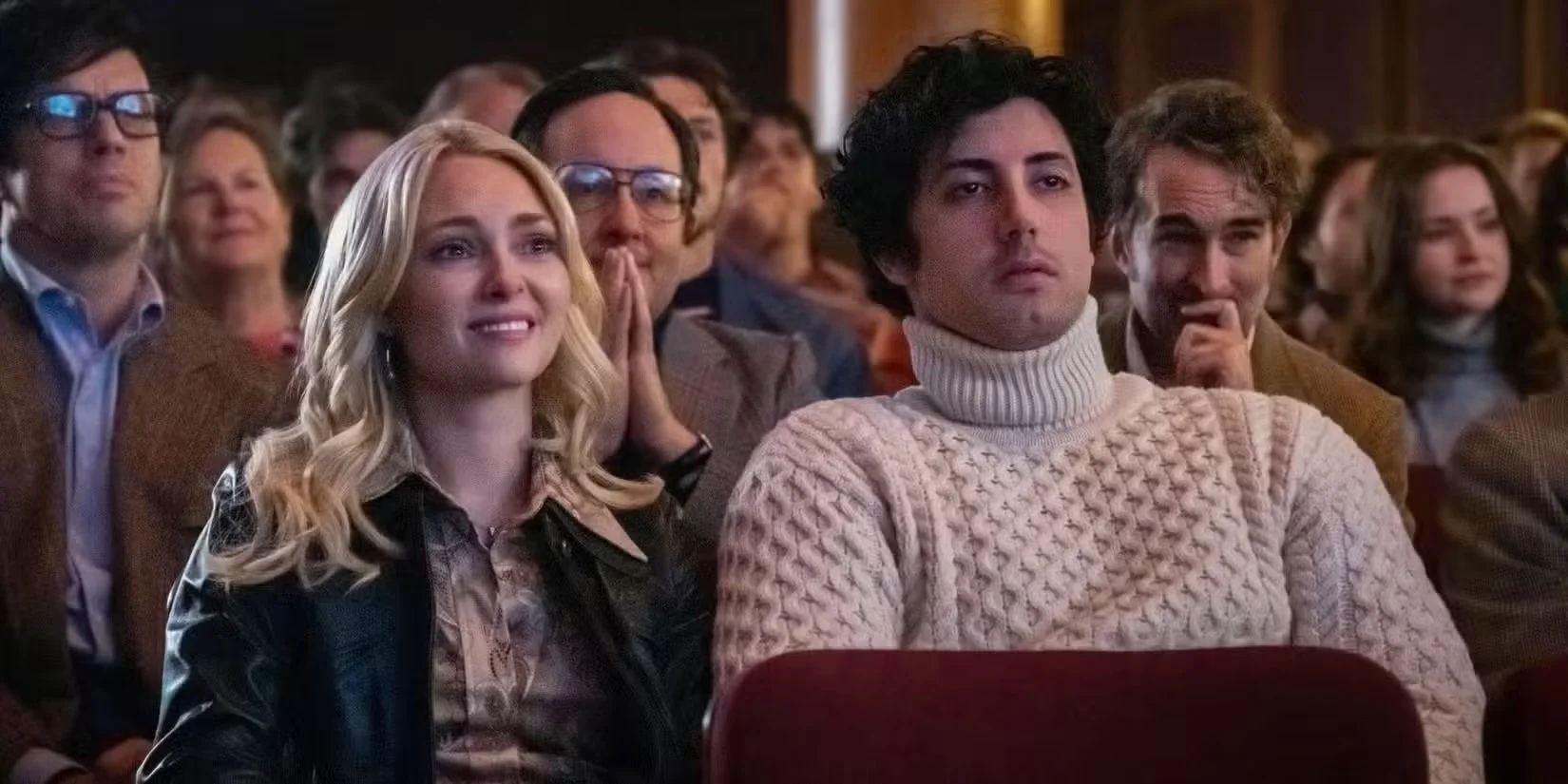
Perhaps the strongest aspect in terms of performance wasn’t merely Ipollito’s deftly created mimicry of Stallone, but his partnership with AnnaSophia Robb. Robb, who paired perfectly with Ippolito as Stallone’s first wife, Sasha Czack, was perhaps the grounding factor needed when compared with the rest of the ensemble’s comedic touches. The extremely supportive relationship, and their budding romance, whether fictionalized to some degree or not, was a revelation. Ippolito and Robb undoubtedly showed a lot of trust in one another offscreen as they created a palpable bond on screen which carried a lot of the film. The support they showed one another was the heart of the picture, and felt as though the focus of the film should have been slightly more on what inevitably became a B-storyline.
Film nerds, such as this writer, will find the film interesting and entertaining, undoubtedly. The making-of-Rocky aspect of the story is fascinating to any cinephile, and to see the process it took to get the classic to be made is worth the ticket price to this film alone. I Play Rocky is another surefire crowdpleaser, and the festival audiences have been rightfully eating up what Farrelly has been serving, but for those film nerds, if one was to study Greenbook and I Play Rocky back to back, you could easily make a comparison in tone, entertainment value, and yes, even weaknesses. They both have tremendous heart. They both have a duo who drive the story forward. They both have laugh out loud humor, which should be expected from Farrelly. Yet, they both lack real dramatic tension or stakes. They both need to delve into the darkness a bit more, otherwise they become too ‘easy’ of a watch. It is entirely possible that Farrelly has once again forged yet another Oscar darling, as the story and performances seem to fit the more blithe side of drama, but it would have been nice to have been challenged a little more in terms of the struggle. Audiences needed to sympathize with Stallone just a bit more, and that might be impossible considering his superstardom now, but also may have been impossible because we feel we’ve seen the story before. It’s called Rocky.
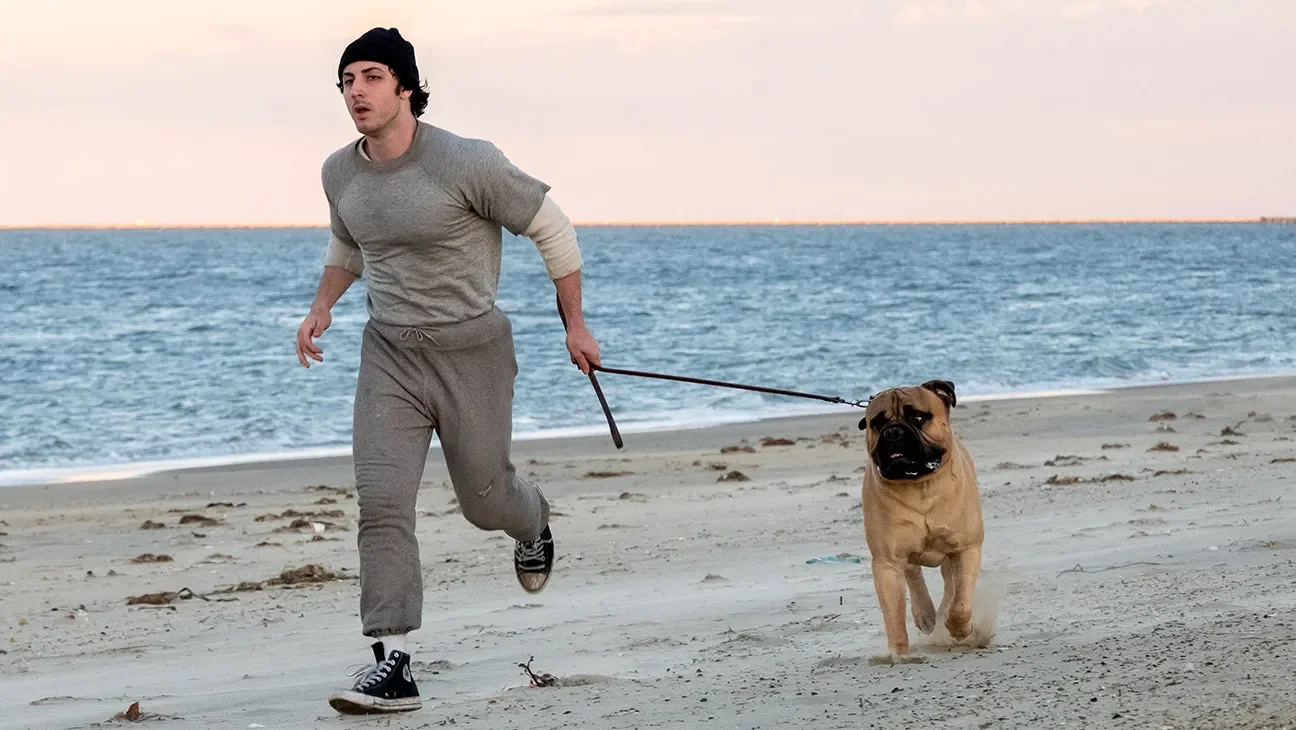
Naturally films don’t always have to challenge audiences, they can often simply entertain, but for those thinking this is a heavy dramatic film meant to show real struggle will be sadly disappointed. This is a very easy going and jovial film, more akin to ‘Saturday Night’ - a merely fictionalized take on the chaos that is a part of the entertainment industry, but when it plays to it’s strengths - the heart and comedy - nothing is going to stop this underdog. Ultimately Farrelly should be praised for creating an absolute charmer of a film, one which reminds you that believing in yourself is never a bad thing.