
'The Boys' Season 5 Episodes 4 and 5 Recap and Review: A Series of Untimely, But Welcome Detours
The mid-season stretch delivers key character moments and builds momentum
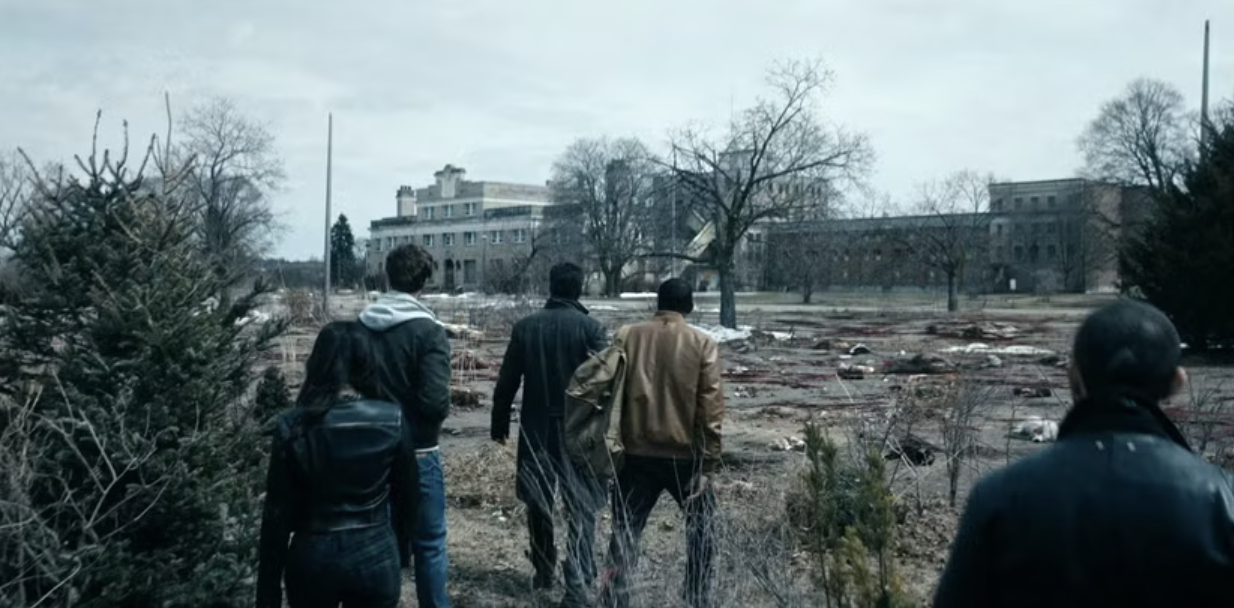
If you have been following this website’s coverage of The Boys Season Five, you will have noticed that this reviewer in particular has often criticized the larger homogeneity of the show and its tiresome retreads of its own structure within the earlier episodes of Season Five. Thankfully, the same cannot be said for the fourth and fifth episodes, which see the series venture into formally interesting territory, with a increasing sense of emotional clarity as the show’s endgame inches closer.
The fourth episode stands out as an enthusing exercise in character, and a necessary one at that. The episode sees our protagonists and antagonists alike on convergent hunts to find traces of the elusive V1 formula at Fort Harmony, with secrets and tensions swelling. Butcher, MM, Frenchie, Kimiko and Hughie are first to arrive to Fort Harmony, and find themselves at each other’s throats, moreso than normal, with the exception of Frenchie, whose personal history with addiction somehow exempted his bloodstream from the chemically-induced trance that has brought out the worst of his comrades. Hughie goes after MM for his linience with Butcher’s continual bravado that often leaves them burnt, Butcher goes after Kimiko for her newfound sensitive side, with many insults hurled between the ensemble. Particularly, it’s nice to see Jack Quaid the often meek Hughie with a bit of aggression as he quite literally speaks his mind. The group find out that the supe known as Bombsight, a member of Soldier Boy’s old supe team, Payback, has taken the remaining doses of V1.
Homelander and Soldier Boy also make their trek to Fort Harmony, where more of Soldier Boy’s elusive past and true motivations are revealed. Homelander rambles on, fishing for more from Soldier Boy, but Soldier Boy eventually puts Homelander in his place, locking him in a uranium chamber, preventing him from obtaining the V1, and to spite him after the comments he had made about Soldier Boy’s own past and even cowardice prior to his superhuman transformation. Butcher finds Homelander in the chamber, and taunts him, revelling in seeing the often impenetrable Homelander so physically weakened. Homelander gets at Butcher, knowing that he would make it out of this interaction, as Butcher was not in possession of the virus to kill him with.
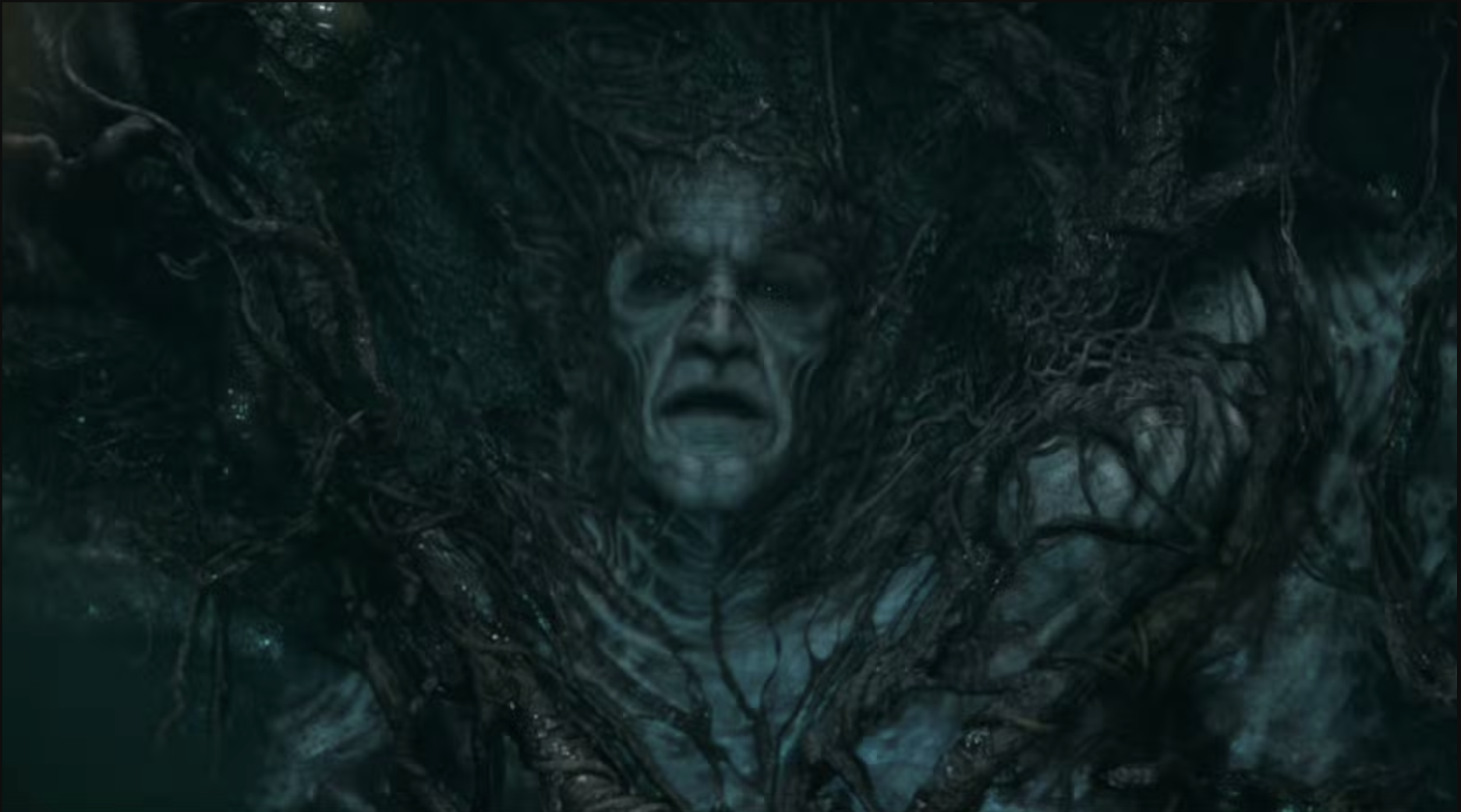
Frenchie and Soldier Boy run into one another while searching for the source of the toxin, finding a soldier named Quinn from Soldier Boy’s past, who has gestated for decades as a fungus-like being that has latched onto Fort Harmony, actively changing the atmosphere. Provoked by Frenchie, Soldier Boy acts emotionally, unleashing his chest beam power and kills Quinn, ending the atmosphere of chemical psychosis that plagued the other Boys. The group leaves the base with their respective beefs quashed, with a comedically silent ride home until some music kicks in to bookend the journey. It’s nice to have some of the nagging character dynamics addressed, in a manner that maybe does feel a bit too convenient, but with only half of the season left, it works, and the use of the ‘aggro-toxin,’ as I’ll call it, emerges as one of the more profound feeling and even fresh uses of the series’ built-in suspension of disbelief, a nice and thematically interesting palette cleanser from excessive superpowered debauchery.
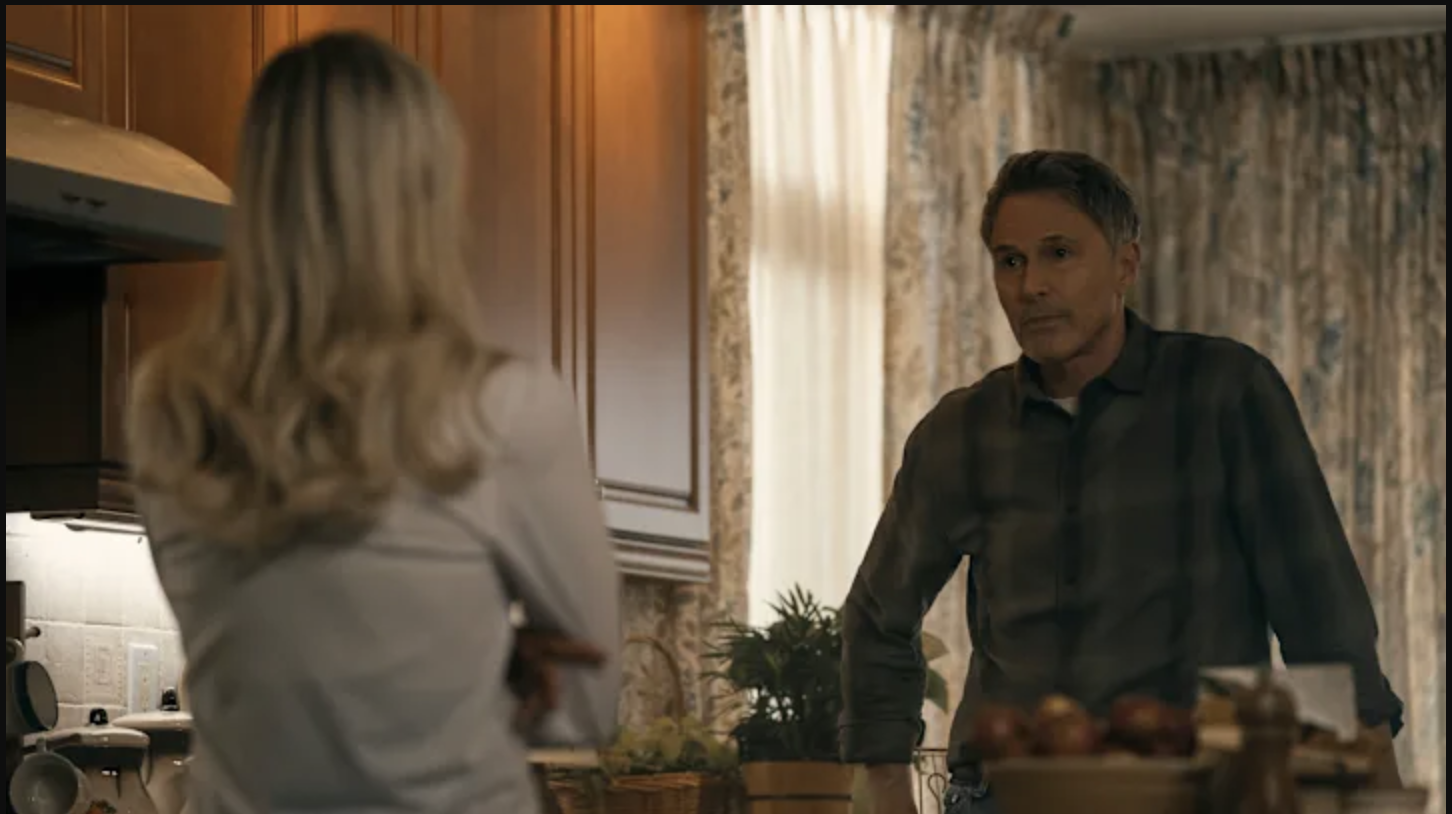
Elsewhere in the episode, the B-plot follows Annie (Erin Moriarty), and her emotional crisis set up in the third episode, shows up at the doorstep of her estranged father, and his own family, including a wife and son, revealing a brother that Annie didn’t know she had. Annie hashes it out with her father, and her presence triggers her very Vought-brainwashed half-brother. The plotline as a whole is very reminiscent of another superhero story, the Bobby Drake/Iceman subplot in the infamous X2: X-Men United. Starlight’s current arc of self doubt and meandering is mildly compelling, but feels out of place given her distance and pre-established guilt of not being as active in her own resistance.
The season’s fifth episode emerges as even more formally unique, operating for the most part as a series of labelled ‘One-Shots,’ which the episode is so aptly titled. What sets these one'-shots apart from the series’ many subplots are the specific insistences on focusing on supporting members of the ensemble who have recieved little-to-no introspective beats thus far. The episode starts off with The Seven further discussing how they can brandish Homelander to be god, assisted by Oh-Father (Daveed Diggs), the evangelical preacher supe introduced earlier in the season. This opening scene encapsulates the literal god complex that Homelander has extensively developed, and rings eerily similar to current American politics, with instances like the introduction of ‘Homelander Bibles’.
Faith plays a large thematic part in the first, and arguably most striking of the one-shots, following Firecracker (Valorie Curry), the series’ recurring female Republican caricature. Firecracker is seldom a character we have seen in a light aside from the overarching Vought plotlines, and was always meant to be antagonistically portrayed, until now, for the most part. Firecracker is contacted by her former pastor to come back and help as her old church has become the subject of much vandalism and controversy, but ultimately does not help him, and gives her loyalty to Vought’s propagations of godliness instead of her genuine-seeming preacher. The church is later raided, and Firecracker reluctantly chooses to falsely disparage her former pastor with allegations of sexual abuse and inappropriate conduct. This one-shot really lets us see Valorie Curry bring another side of the often-caricature like Firecracker, whose use as such has often worked within the contexts of the show, but has often felt like a character with diminishing returns in this season, and the change-up is welcomed, even if it feels conveniently-timed given later events of the episode.
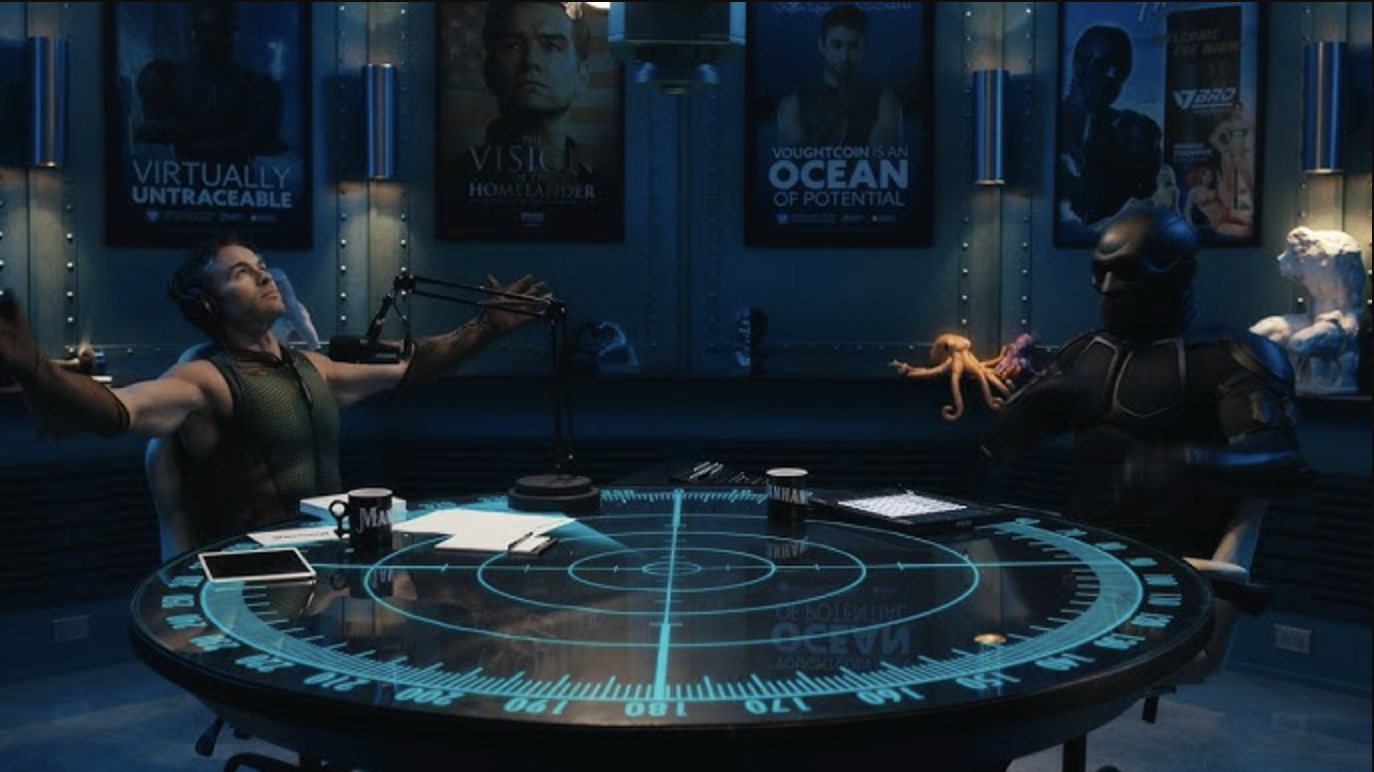
Next up, the series spends time with the elusive Black Noir II, (Nathan Mitchell) whose motivations have remained rather secretive. We have known for a while now that the series’ second Noir is an actor hired to replace the former black-ops, silent but deadly Noir. Noir II, or as we get to know him as Justin, is working on a play with former Vought director and longtime Boys supporting player Adam Bourke (P.J. Byrne), which gives audiences the answer to the series of questions that question The Deep (Chace Crawford) often asks about Noir’s random absences each afternoon. Bourke gives Justin some theatrical advice on how to upstage The Deep and emerge victorious in their in-season rivalry, and does so by messing with The Deep on their podcast, exposing his true nature. The Deep responds by sending eels to kill Bourke as he is on the toilet, and succeeds, leaving Justin traumatized and filled with sorrow.

The third one-shot follows Butcher’s dog Terror, and starts with a scene of Terror’s demented sex dream about Homelander. The team discusses their mission statuses and personal issues at their hideout, but all is uprooted when Terror is left unsupervised, and eats some of the chocolate souffle that Frenchie was cooking, and with chocolate being toxic for dogs, he gets sick. The team rushes to get him to throw up the chocolate, and succeeds. While this all may seem very left field, the vignette serves its purpose, softening Butcher by having him experience the same fear of loss that the rest of his team has stressed to him about, and tells Hughie that he is now willing to provide Annie with some V1, and that their plan doesn’t have to be entirely ‘scorched-earth’ on the supe population.
The fourth one-shot follows Sister Sage (Susan Heyward), the smartest woman in the world, and Machiavellian architect of Homelander’s fascist empire. Sage has remained a contentious character in discourse about the series’ last two seasons, with her motivations often feeling muddled, contradictory, or straight up incomprehensible. In a meeting with Vice President Ashley Barrett (Colby Minifie), Sage further waxes poetic about her own history and ‘ultimate plan’ of letting Homelander and The Boys destroy the world as she watches from her secure bunker. The series, to an extent, is in on the fact that Sage is ultimately just navel-gazing, but it ends up feeling tiresome after 2 seasons, and Gen V guest arc worth of her often confusing plans. Nonetheless, Heyward remains a dependable performer and keeps the character relatively engaging, even with the issues at hand.
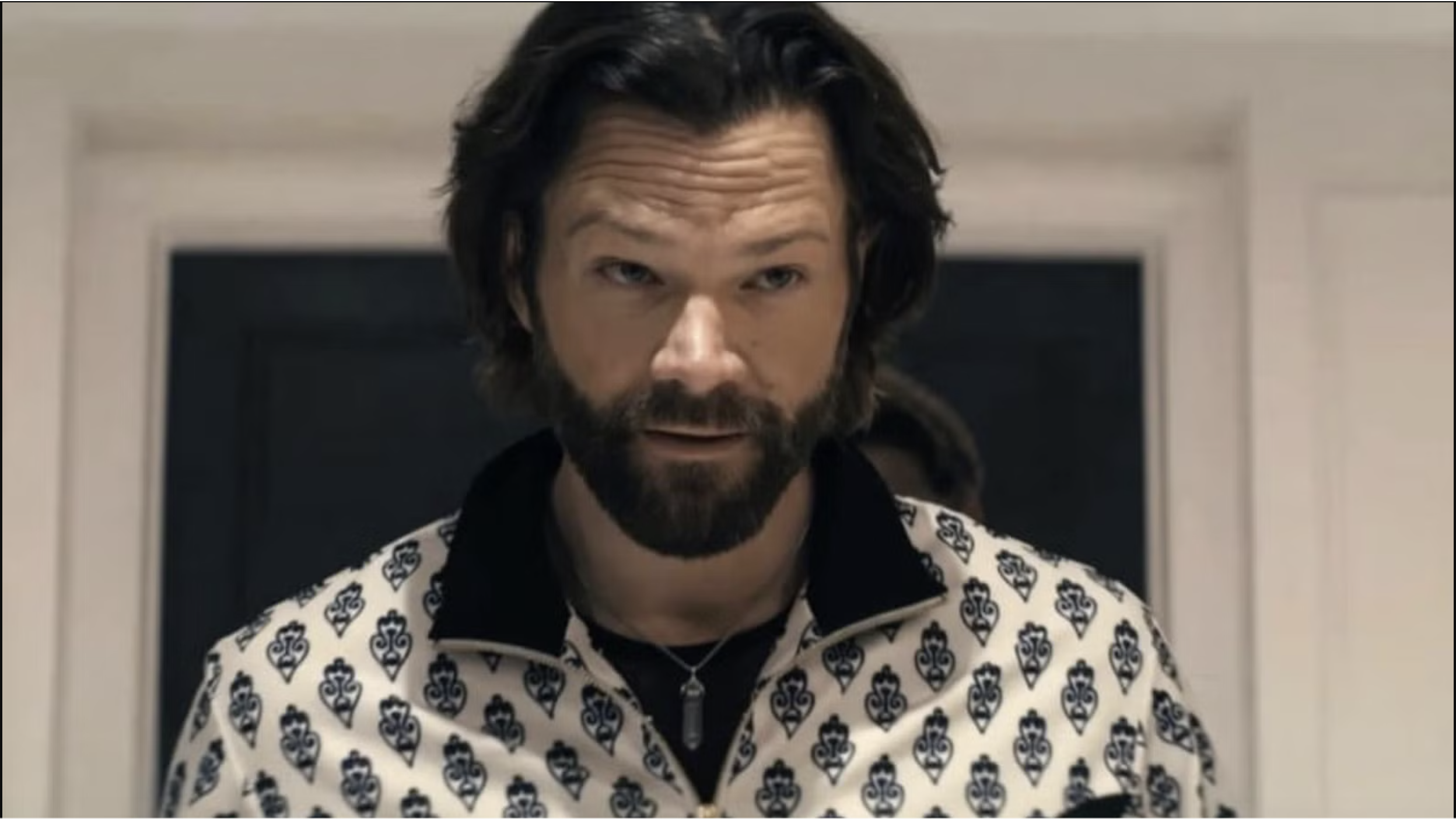
The final one-shot follows Soldier Boy (Jensen Ackles) as he and Homelander reluctantly band together again after the Fort Harmony fiasco, and interrogate Stan Edgar (Giancarlo Esposito) about leads on finding Bombsight and the V1. Edgar points them to ex-Seven speedster, Mister Marathon, and his mansion in Los Angeles. Ackles and showrunner Eric Kripke reunite with their Supernatural partners Jared Paladecki as Marathon, and Misha Collins as his friend Malchemical. Marathon is hosting a poker tournament in his Hollywood home, where producer Seth Rogen, and other comedy stars such as Will Forte and Kumail Nanjiani appear as themselves in cameo roles. Marathon and Malchemical try to turn Soldier Boy against Homelander, but he kills Malchemical, and frantic action ensues, with Marathon running through the celebrities, gruesomely killing them in the proccess, before he is killed by Homelander. Homelander returns to Vought Tower, where he eventually kills Firecracker for sensing doubt in his overall agenda of a godly image and total control, marking an end to their unfruitful plotline.
These two episodes feel refreshing tonally, and do give the audience things they haven’t seen from the show, and credit must be given there. Yet, many of the same problems with the season persist. The halfway point has been crossed, and the overall endgame does not feel pressing nor consequential, despite the numerous insistences otherwise. The prolonged focuses on Soldier Boy’s past make the season feel a bit too much like a backdoor pilot for his upcoming spin-off Vought Rising, and the lack of agency for the series’ eponymous protagonists feels frustrating yet again. To play devils’ advocate though, this is all expected from the series now that we are four and a half seasons, in, for better and for worse, and these small variations are likely the last we’ll get from the show, and can be remembered fondly in that light.