
‘Rental Family’ Review: An Unmoving, Button-Pushing Affair
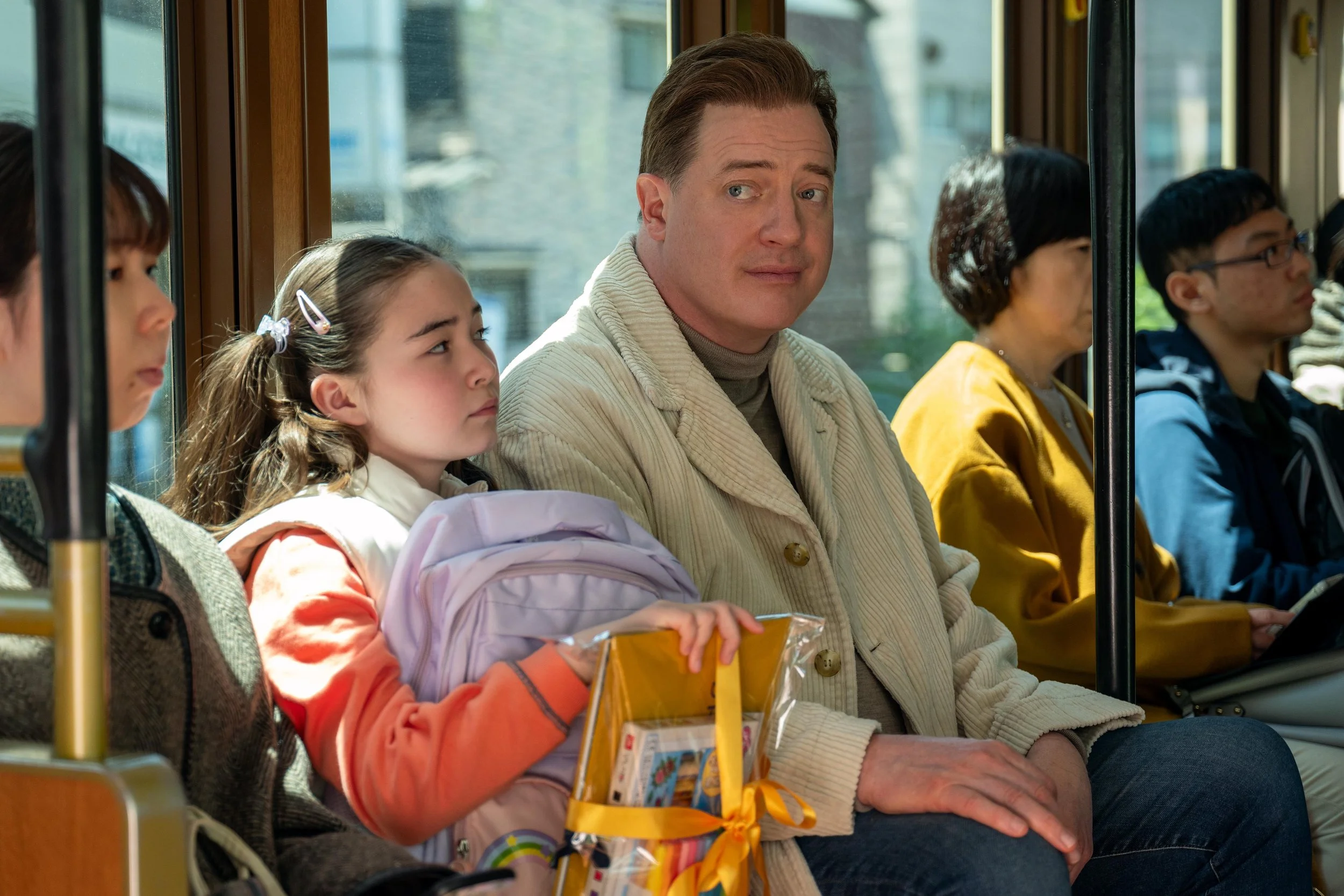
While Brendan Fraser gives an impassioned performance in Rental Family, the movie itself is not as heartwarming as it sets out to be.
There’s much to be said about how the story of a protagonist manipulating other people’s emotions by lying to them doesn’t work. If the consensus easily called out – and dismissed – horrid films like Dear Evan Hansen and Eleanor the Great, then one would be obliged to do the same with Hikari’s middling Rental Family. Although it is a better “comeback” vehicle for Brendan Fraser after his Oscar-winning performance in Darren Aronofsky’s nearly unwatchable The Whale, the movie’s issues stick out like a massive sore thumb and leave a pretty sour aftertaste by the time the film’s credits appear after its ridiculously inert conclusion.
The one thing Hikari has going for, in this film, is how she deftly captures Japan with a Zen eye similar to the one of Yasujirō Ozu, with an emphasis on the broader landscape to envelop the audience’s senses and better understand how actor Phillip Vanderploeug (Fraser) doesn’t fit in or at least feels unwelcomed to fit into the country’s culture. There are plenty of pillow shots that serve as unique transitions from one scene to the next, but they also communicate ideas to the protagonist – and the audience – about a country he still struggles to understand and find a place in.
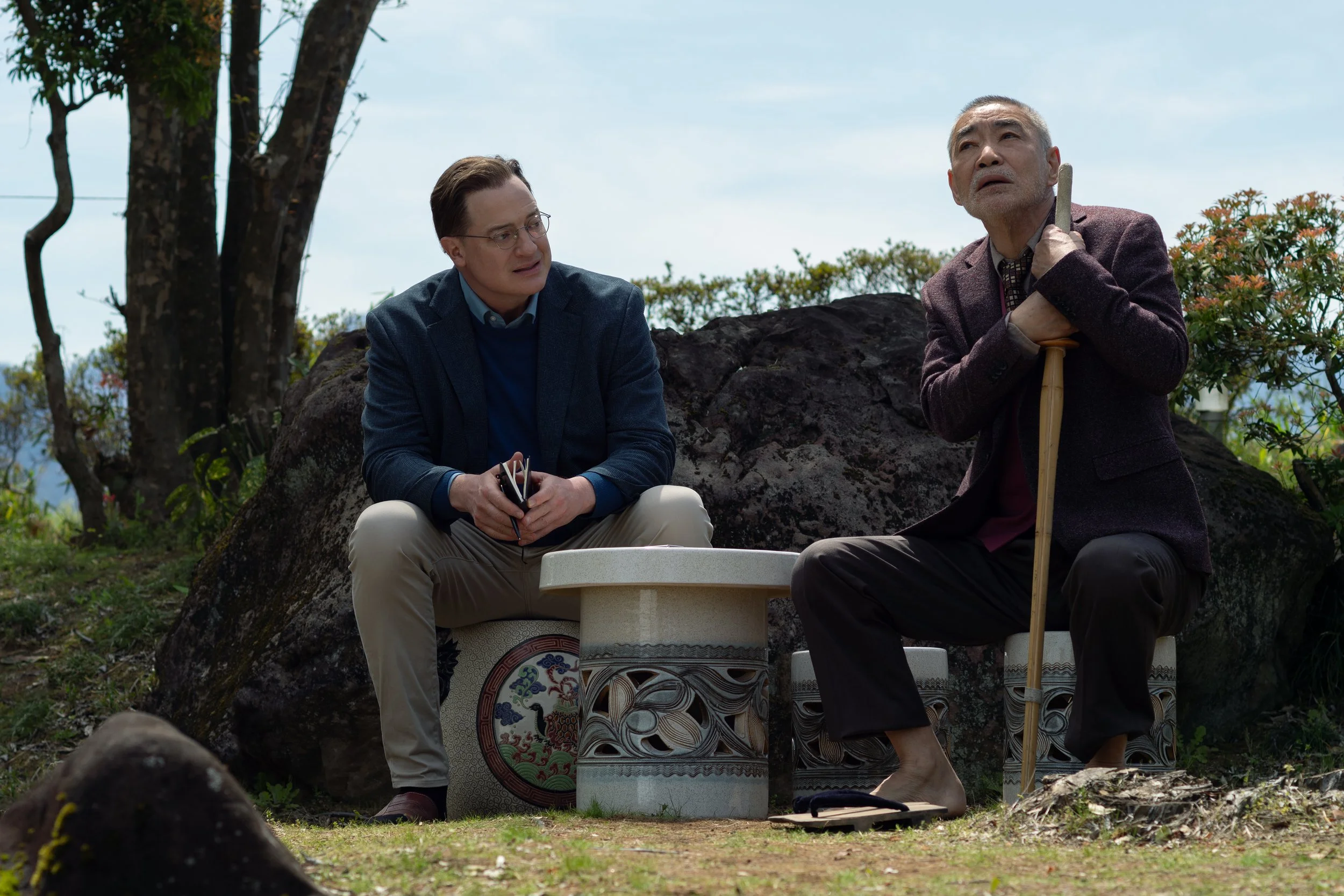
This would’ve been a great opportunity to flesh this aspect of the character out, especially after he is sought out by a rental family agency, led by Shinji (Takehiro Hira), who allows him to act out in different scenarios to help real people, such as pretending to be the groom of a woman whose family doesn’t accept her sexual orientation, which would allow her to life the life she wants in Canada, as an example. Since acting jobs in Japan seem sparse, especially after peaking seven years ago for a…toothpaste commercial, Phillip accepts, albeit with many reservations. Shinji and employee Aiko (played by Mari Yamamoto, continuing to impress ever since her breakout turn in Monarch: Legacy of Monsters, which also co-starred Takehiro Hira) tells him he will eventually get used to lying for a living, because this is what actors do, but Philip isn’t entirely convinced this line of work is ethical.
However, when he is tasked to pretend to be the father of a young girl (Shannon Mahina Gorman), Phillip begins to ask himself if all of this is worth it, especially considering how he – and the girl – connect in meaningful ways. This is where Rental Family begins to walk a fine line between sincere emotion and treacly sentimentality, a line that Hikari and her co-writer Stephen Blahut never seem eager to make clear. Tears aren’t earned because what Phillip does is morally unjust. He plays with the real emotions of real people, which he slowly begins to realize when the connections he forms with his clients, such as the daughter he never had or a retired actor slowly losing his memory (Akira Emoto), are genuine.
What does he do after? Or what does he think about all this? Not much. At least in the eye of Hikari and cinematographer Takurô Ishizaka, we’re never given a tangible image where we can emotionally connect to Phillip’s internal and external plight, or Aiko feeling more and more uncomfortable of her work essentially being nothing more than offering “apology services” for abusive husbands, where she has to take the physical pain rather than reporting these individuals to the police.
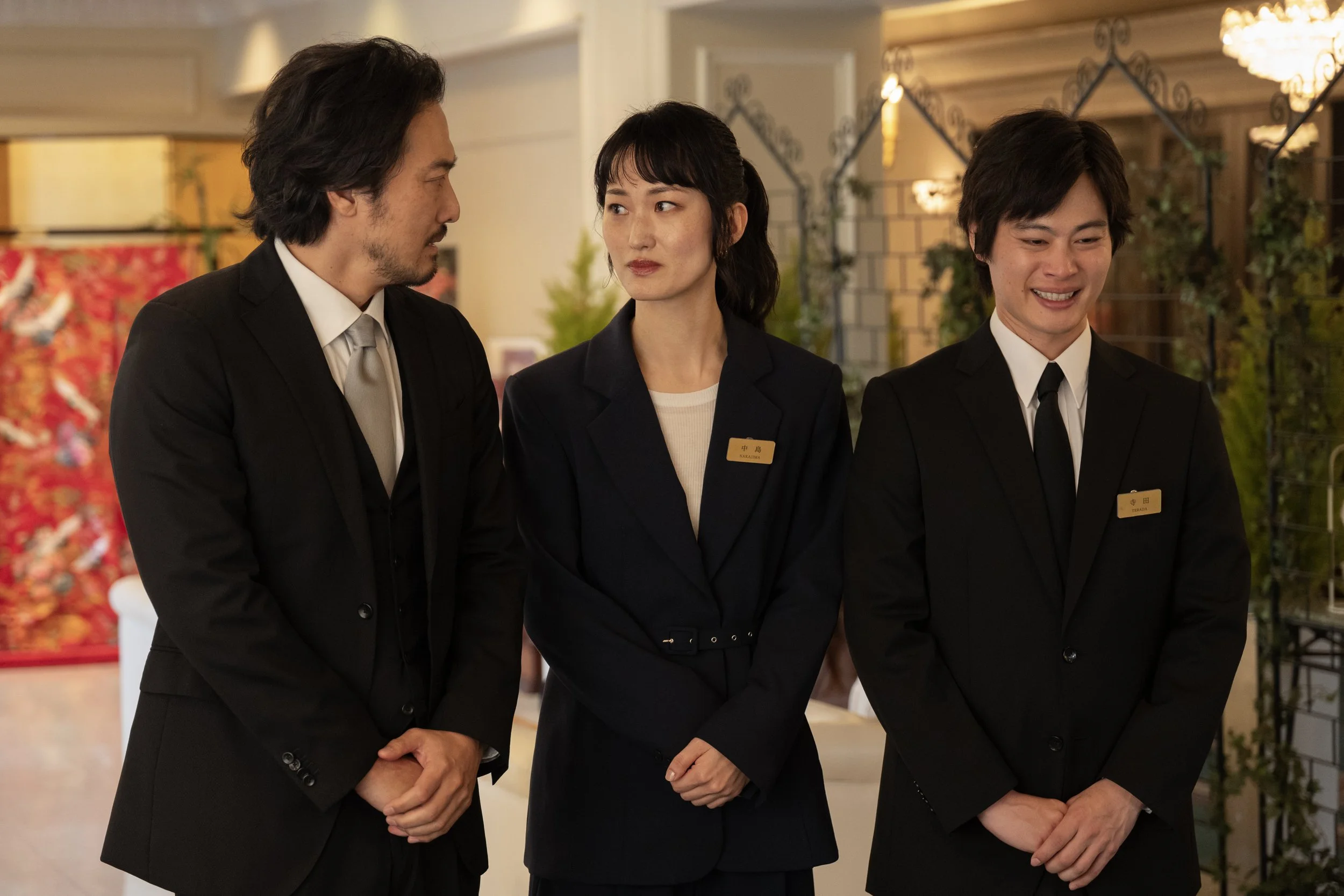
There is something ripe for exploration with both characters as they grapple with their futures working at a place that advertises itself as “helping people,” but is actually hurting them. Yet Hikari seems never to be interested in this and prefers to capture the story at a distance rather than emotionally connect with the protagonists at a cellular level. It makes some of the more significant narrative beats of the picture feel hollow and unmoving, whereas, in the case of someone like Ozu, these sections would be the beating heart and soul of his pictures, where scenes that appear banal eventually culminate in mono no aware. Hikari attempts to do this without understanding the term's purpose, as defined by Paul Schrader in “Transcendental Style in Film”: “expresses the feeling of permanence within transience,” or “the pathos of things.”
Because her lens never feels textured, and the relationship between the characters, no matter how impassioned and sincere everyone in the movie may be, doesn’t seem natural, Rental Family feels nothing more than an exercise in button pushing, where every emotional beat is the wrong one. Most of the genuine connections Phillip makes fall flat by the time he tells them “the truth,” as with any film of that ilk (see Eleanor the Great as an example). Even with dull reparations, the film still feels dishonest. With that being said, Fraser remains in top form, and Mari Yamamoto is the actor of the moment. There’s also a welcome sense of levity that Hikari hasn’t forgotten from her last project, which helps make Rental Family a tad watchable, though it’ll leave my memory as soon as it entered. At least it’s not as bad as The Whale…