
‘The Mastermind’ Review: Simply Kelly Reichardt’s Best Film
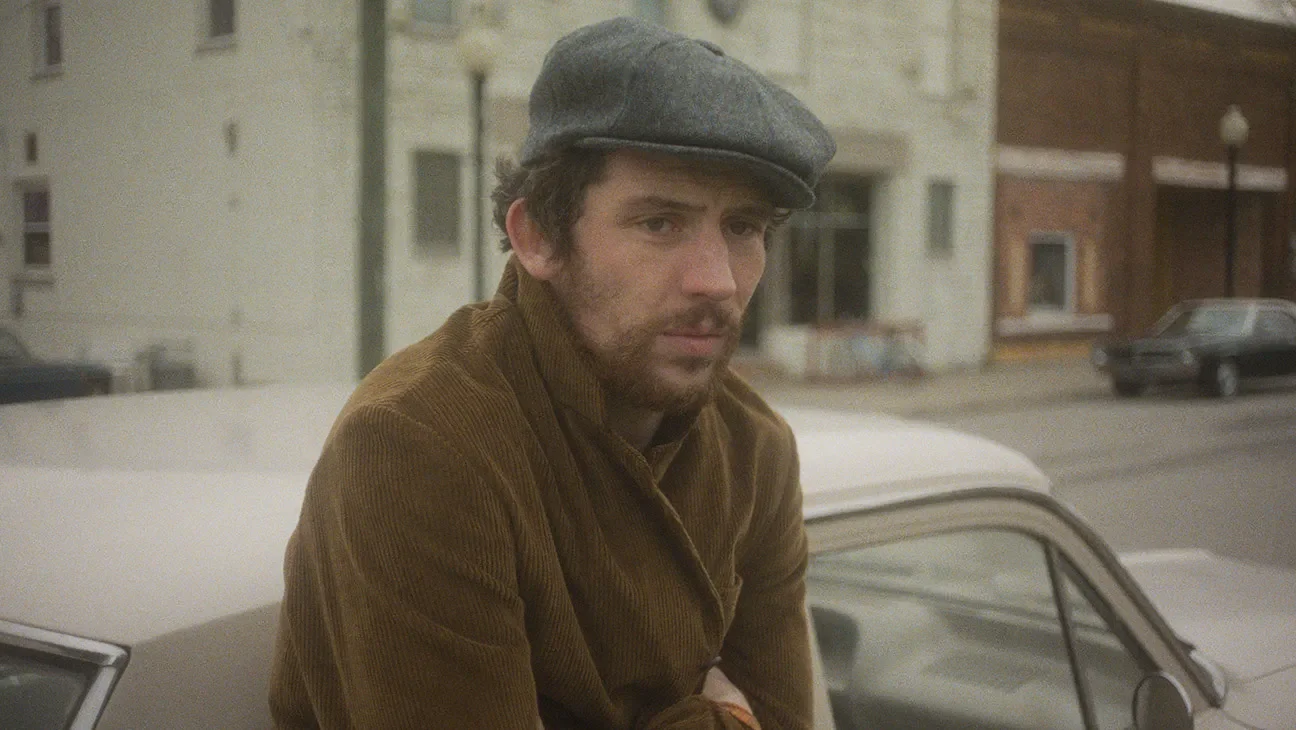
With ‘The Mastermind’, THE GREAT American filmmaker Kelly Reichardt delivers a tremendous film - one efficiently controlled in its aesthetics and humor, anchored by Josh O’Connor performance.
Slow cinema master Kelly Reichardt makes her fastest movie yet with The Mastermind. Of course, by that, I mean Rob Mazurek’s score, giving a more urgent sense of tempo than what we’re usually accustomed to hearing from the American filmmaker, but her preference for mood (in this case, vibes) over a clearly-defined plot is still very much present. In fact, Mazurek’s trumpet-heavy compositions recall Miles Davis’ music in Louis Malle’s Elevator to the Gallows, and it wouldn’t be a coincidence if this were the primary inspiration for a movie that’s best experienced by feeling her mood rather than trying to examine the character at the heart of the picture. It’s also the best film she’s ever directed, a culmination of sorts of the techniques she has been perfecting as director, writer, and, most importantly, editor inside an unclassifiable genre hybrid about one of the most insignificant losers to ever exist on this planet.
If it weren’t for Reichardt highlighting this insignificant loser, J.B. Mooney (Josh O’Connor), perhaps we’d never hear of him. And maybe it’s for the best we don’t. Here’s a man so convinced his life is destined to be greater than the confines of traditional “work” that he drags his entire family into a plot of his own doing. Instead of not drawing attention to himself, J.B. desperately craves to be remembered as anything but a loser. Yet, we quickly understand that will be how the world will remember him, if anyone remembers him when the film is over. Nobody cares about him when the movie begins, and no one will care about who he is by the time Reichardt cuts to the credits.
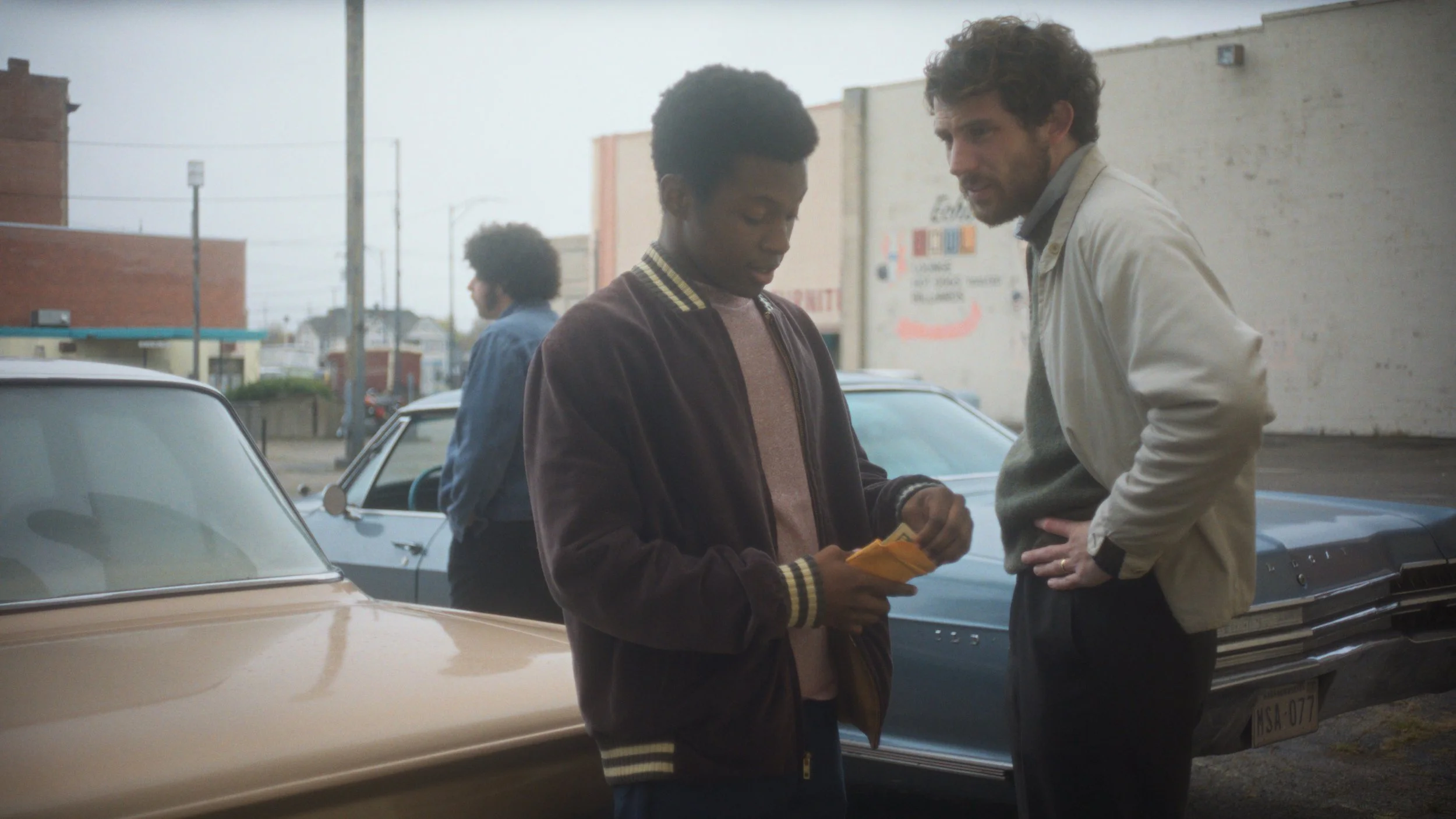
He’s someone who only thinks about himself in the articles the media will write about him, and believes his planned heist of four Arthur Dove paintings at a local art museum will get everyone talking. Of course, such an event rattles the community (as haphazardly planned as the actual heist is, as illustrated by Reichardt’s patient camera through Christopher Blauvelt’s eye and her precise cutting), and everyone has an opinion on the motives behind the heist. By the end of the week, though, everyone unaffected will have moved on (including the media), which J.B. hasn’t factored in, including the multiple variables that eventually lead to him being suspected by the police as the “mastermind” of the entire crime.
It’s at that point where the movie begins to shift and open itself up in ways that are so unlike most heist films, which usually see people from all walks of life unite together to perform the impossible…and get away with it. The movie usually ends on that happy note, and the sense of tension built throughout encourages the audience to root for the ragtag band of misfits. Steven Soderbergh’s Ocean’s Eleven acts as the heist film par excellence, where all of its codes were perfected, and are now ripped off by a plethora of contemporary filmmakers who think they have something interesting to say when Soderbergh easily clears them. In The Mastermind, Reichardt never gives us a compelling reason to care about J.B.’s plan when it’s eventually executed – and that’s precisely the point. We don’t understand his motivations and are perplexed that he would even attempt to steal these works of art when, in reality, their value isn’t as significant as that of other, more precious objects.
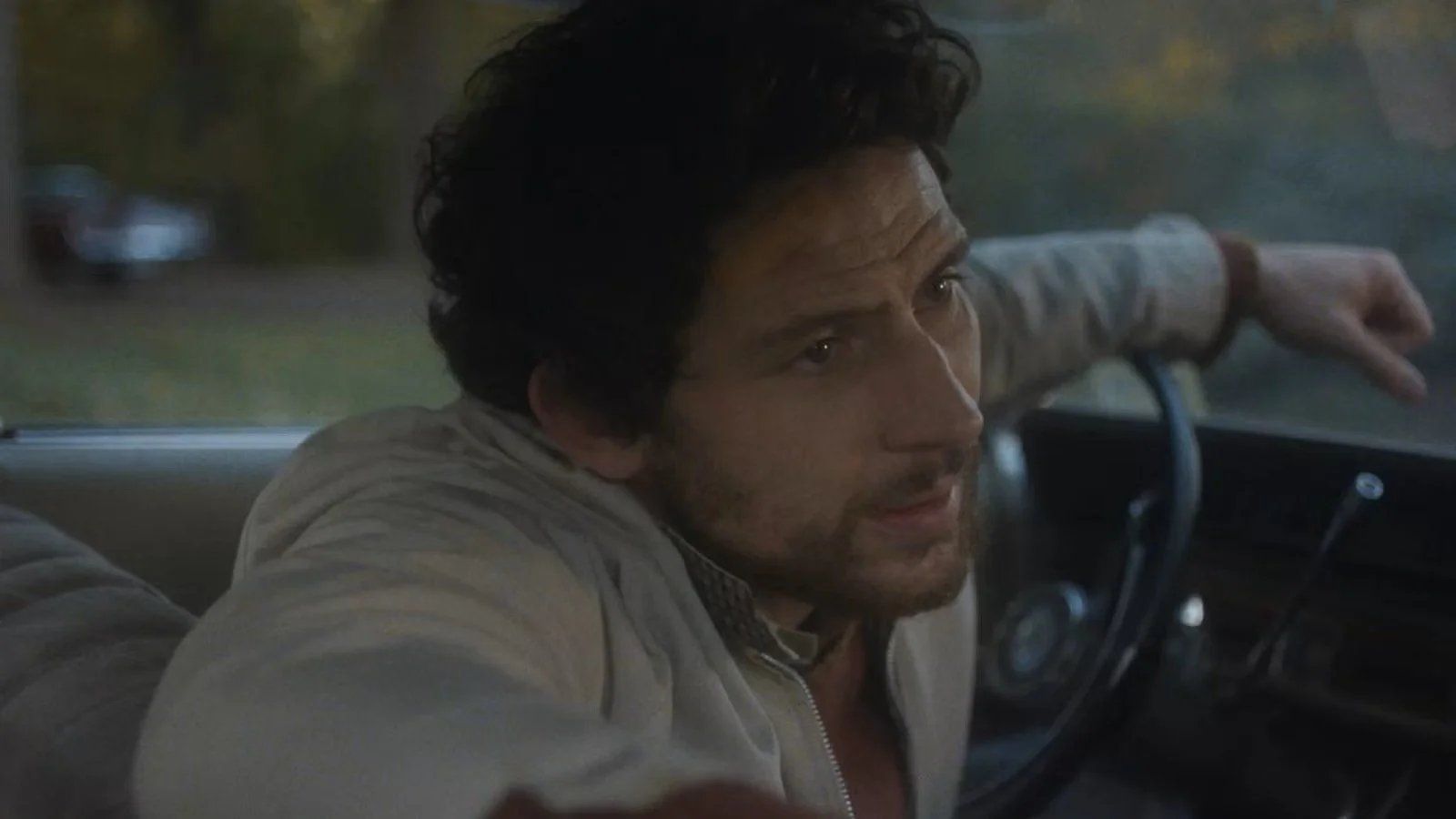
When J.B. eventually gets away with it, but is targeted by the police, as one of his accomplices, Ronnie Gibson (Javion Allen), tells the officers it was he who set the whole thing up, Reichardt forces the audience to ponder with the protagonist for the last half of the movie. J.B. attempts to escape his past, unsure whether the future he didn’t envision, thinking the heist would all go smoothly, is truly worth it. Of course it isn’t. You’d be a fool to think otherwise, especially knowing how a life “on the run” inevitably ends, but the way it does is still surprising, and much sillier than expected. But that’s Reichardt’s magic, a filmmaker who is always in complete control of her still frames and only moves the camera when needed. In fact, when Blauvelt’s device creates janky, handheld movement, it feels like a shock to the system, because Reichardt’s approach is the complete antithesis to what theorists (or film appreciators) might call “kinetic.”
It’s genuinely incredible to see The Mastermind do the exact opposite of what a traditional heist film would do (end after the heist is over) and sit with J.B. for the rest of the picture, creating a disquieting sense of tension between him and the people he interacts with, either his wife, Terri (Alana Haim) and children Carl (Sterling Thompson) and Tommy (Jasper Thompson), or friend Fred (John Magaro), so impressed by J.B.’s willingness to fuck everything up simply because it adds a bit of excitement to an otherwise mundane life with his wife, Maude (Gaby Hoffmann). All of them realize something J.B. doesn’t (or doesn’t want to acknowledge and that he’s clearly aware of), which he’ll soon grasp (or reckon with) by the time Reichardt builds this patient character study of an insignificant man inside the backdrop of a larger canvas and puts him smack-bang in the middle of a historical moment that he desperately wanted to ignore from the very minute it began.
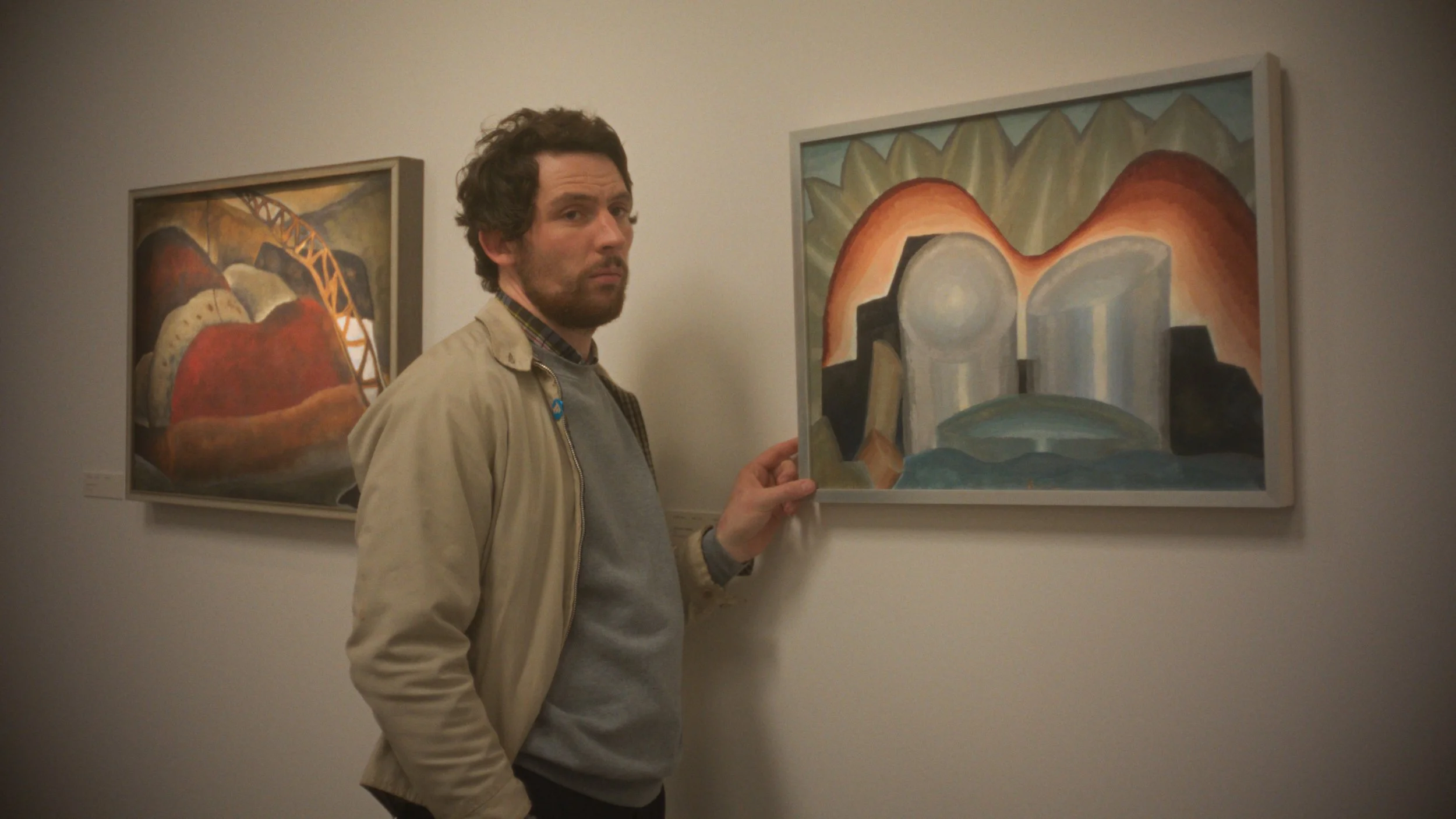
I’m purposefully trying to be vague, because there’s a bigger picture that Reichardt slowly reveals as we spend more time with J.B. and see what he’s paying attention to – and what he isn’t – which makes the final scene of The Mastermind all the more interesting, even if it reads as hilarious at face value. Oh, it’s funny. Really funny. Maybe the year’s funniest scene? All of us saw it coming. J.B. didn’t, because he’s an idiot. O’Connor plays him so well that one eventually forgets we’re seeing an actor imitate the idiosyncrasies of such an idiot, and completely immerses us into his insignificance. It’s the best performance he’s given this year (he also starred in Rebuilding, The History of Sound, and Wake Up Dead Man: A Knives Out Mystery), and could perhaps be considered as his finest work yet.
That said, the jury’s still out on that front, as his career is burgeoning, but there’s no denying that, with The Mastermind, Reichardt has delivered her ultimate masterpiece, one whose reputation will only refine over time as a seminal work of slow cinema and a note-perfect excavation of heist movie tropes in such an open and vulnerable manner. One wishes the movie sat with J.B. even longer, but it doesn’t really matter when Reichardt’s sensibilities are at the height of her screenwriting, directing, and editing powers. She’s a triple threat, and no one will ever match the level of craftsmanship – and understanding of cinema as a visual medium – as she does.