
‘The Housemaid’ Review: Paul Feig’s Latest Misfire
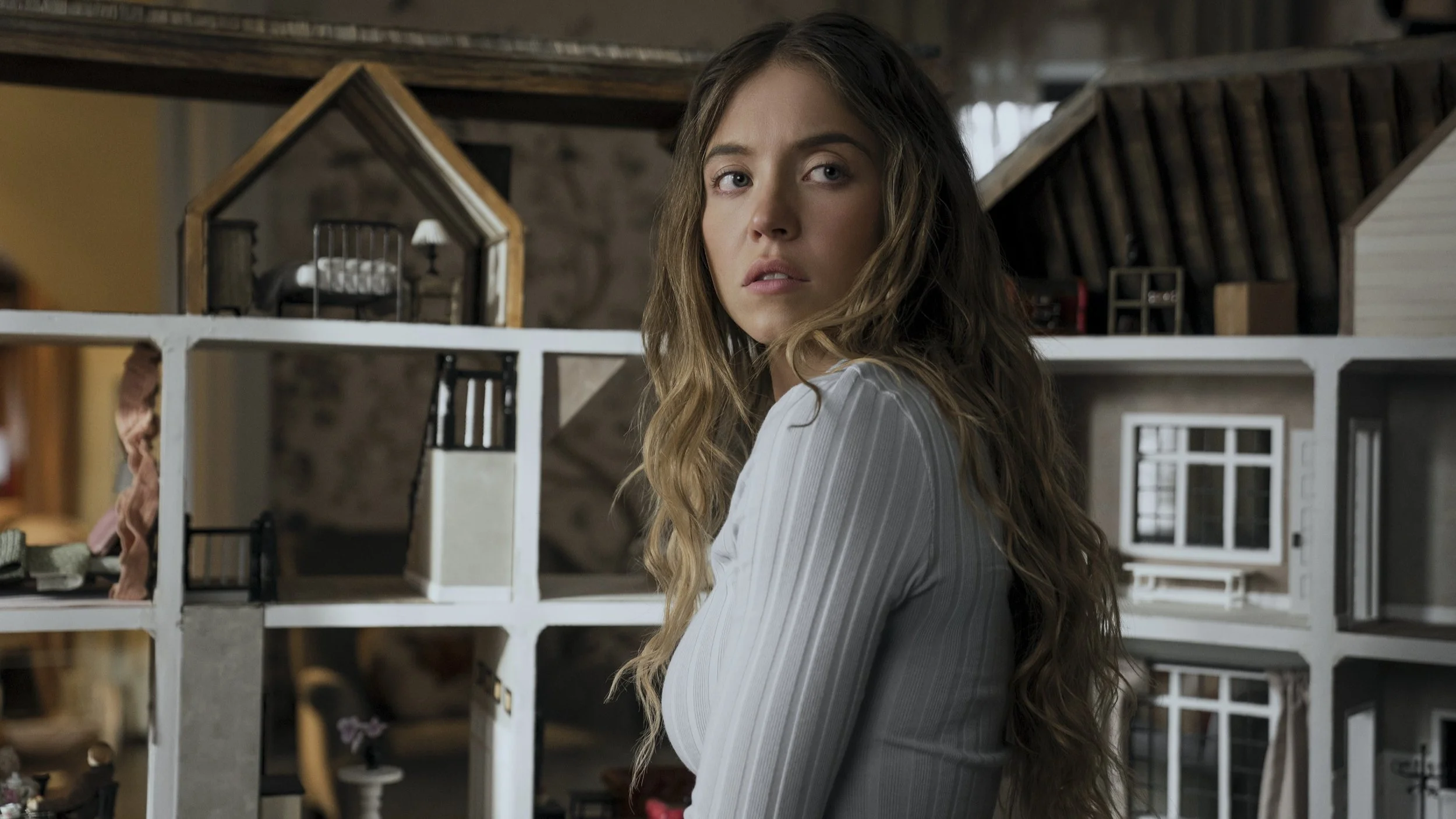
Paul Feig crafts his first theatrical production since 2019 with an adaptation of The Housemaid, but the end result leaves much to be desired, despite solid turns from Amanda Seyfried and Brandon Sklenar.
What happened to Paul Feig, or, more aptly, did Paul Feig ever have it? Apart from his A Simple Favor duology, his recent projects have made me question whether the American filmmaker has ever crafted anything of genuine substance. Was he ever a filmmaker audiences could count on? Or, because I was a kid, anything with an edge, such as Bridesmaids and The Heat, made me laugh? In any case, his latest film, an adaptation of Freida McFadden’s The Housemaid, is another dent in Feig’s resume and makes the case that perhaps his body of work shouldn’t be taken seriously.
His first theatrical production since (the equally terrible) Last Christmas in 2019, Feig and screenwriter Rebecca Sonnenshine attempt to craft a labyrinthine story by introducing its moving pieces progressively. First, we follow the perspective of Millie Calloway (Sydney Sweeney), who is arriving at Nina Winchester’s (Amanda Seyfried) home for a job interview, specifically to be Nina’s housemaid. We can already suspect Millie is hiding many skeletons in her closet, which a voice-over narration from Sweeney then confirms, but Nina also has ulterior motives that will eventually be revealed once Feig switches perspectives and lets us in on her sole point of view.
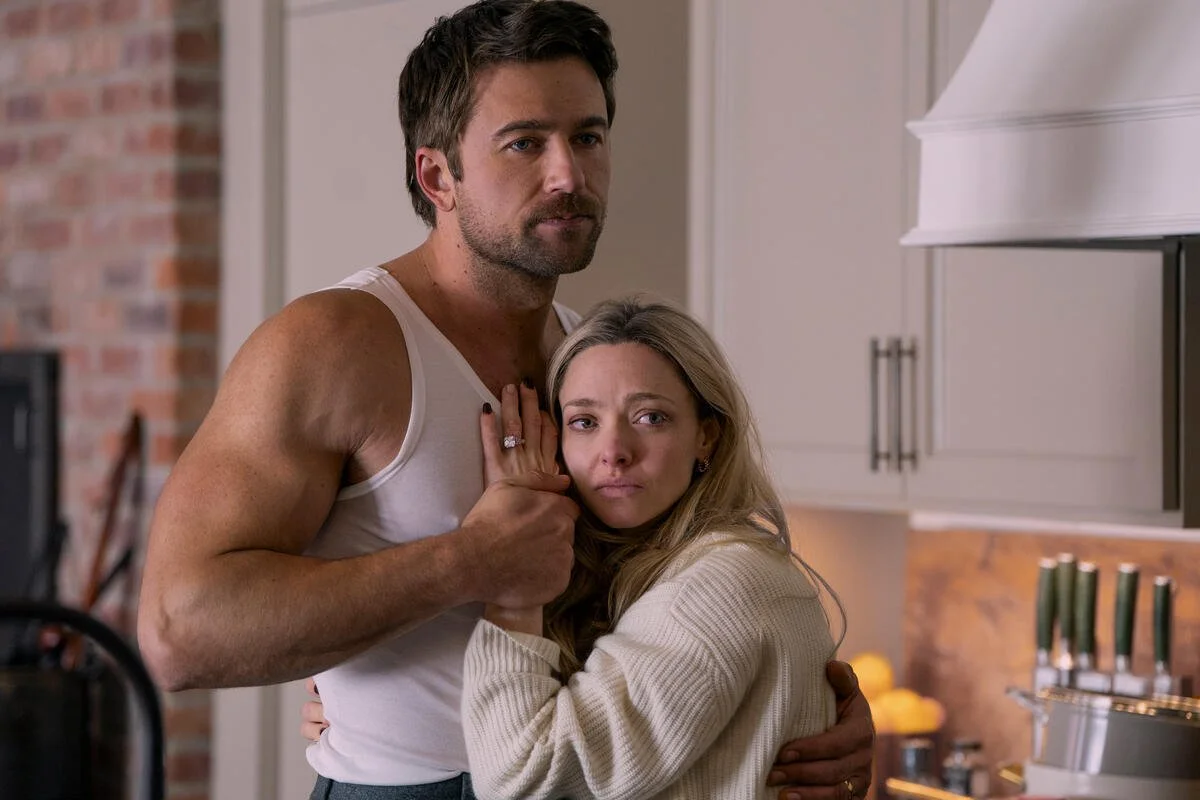
That said, these elements will not be revealed in this review, because the word-of-mouth consensus is trying to convince audiences that they need to “go in blind,” when the conventional scenario is obvious once each moving piece is laid out. One of those is Nina’s husband, Andrew (Brandon Sklenar), who immediately takes a liking to Millie’s presence and – predictably – begins to share feelings towards her. You’d be correct to think that, of course, he also carries skeletons he doesn’t want to reveal, but they absolutely will as this 131-minute slog trudges through an overlong – and distasteful – climax that treats many difficult and harrowing subjects with very little emotional impact and, most importantly, compassion.
I honestly think it’s fairly insidious to craft a story centered on toxic relationships as a juicy psychological thriller whose premise subverts expectations, only for the incredibly telegraphed reveal to act as a major plot twist in a movie that should be treated with a modicum of respect. Feig’s direction, however, is at odds with making a thriller – or drama – that feels somewhat serious. He has a knack for (absurd) comedy, so why would he flex his muscles further and craft something that’s in genuine response to McFadden’s novel?
The way storytelling elements are presented in film is genuinely baffling, and the consistently humorous tone of its more serious narrative beats feels particularly contemptuous. That said, developing further would mean revealing some things the film would rather keep to itself, so it’s best to see it with an open mind and meet The Housemaid on its terms. However, I’m afraid the reception will sour once more eyes see it and begin to unpack how Feig stages the story.
He seems more interested in making a film catered for the influencer/TikTok crowd, where each significant development is engineered as a “pulpy reveal” for content creators to react on social media rather than sit with the characters and take in McFadden’s story of deceit and revenge in a way that doesn’t feel campy, or treated with the distasteful subtlety of an Emerald Fennell picture. The book’s progression are twisted to fit Feig’s uncinematic tendencies, who has completely forgotten any sense of aesthetics (see his collaborations with Robert Yeoman and contrast them to how he works with John Schwartzmann, the difference is night and day), once again filming this production with a televisual (read: dull) sheen, despite the use of a wider aspect ratio than in recent memory.
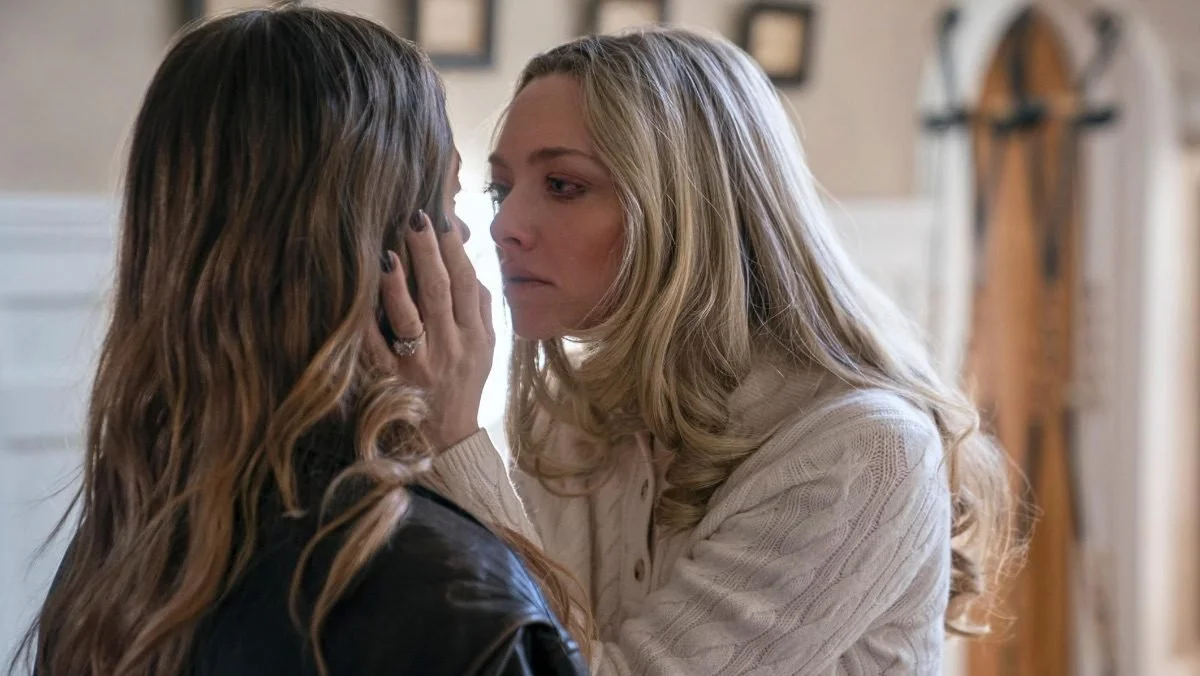
Everything looks and feels sterile, even its more dramatic beats, which take a much darker turn in its (overlong) finale, containing as many implausible plot contrivances to add more tension to the proceedings, which, in turn, just makes the characters far more stupid and less three-dimensional than they could’ve been. Thankfully, Seyfried gives Nina enough agency to at least make the protagonist feel textured in her hands, and Sklenar is also excellent, in another big-screen performance that recalls the old-school presence of a Montgomery Clift.
It's just a shame that his talents have been wasted in films that feel way below what he’s capable of delivering, but he’s not to blame for such a terrible mess. In contrast, Sydney Sweeney has still not been able to carry a film to her name, despite being the lead character of this. Every decision she makes is the wrong one, and her personality shifts are read as unconvincing instead of pulling us further into Millie’s complicated journey of redemption. She will perhaps have to soul-search about whether this career is worth it when she’s not given a performance of note, despite working with acclaimed filmmakers.
So, is Paul Feig washed, or did he never have it? It’s hard to say, because I personally had many fond memories of watching his raunchier films as a kid, and Bridesmaids was my gateway to R-rated cinema. However, by the end of The Housemaid, one begins to wonder if his body of work will have any cultural perennity ten, or even twenty years removed from his first feature. He’s certainly attracted the social media crowd, but what about people who like movies? The answer to that question may lie in seeing your first Paul Feig film in cinemas in six years and asking yourself whether you truly missed him on the big screen, or if he’s better off continuing to make large-scale television...