
‘Goodbye June’ Review: Kate Winslet’s Admirable Directorial Debut
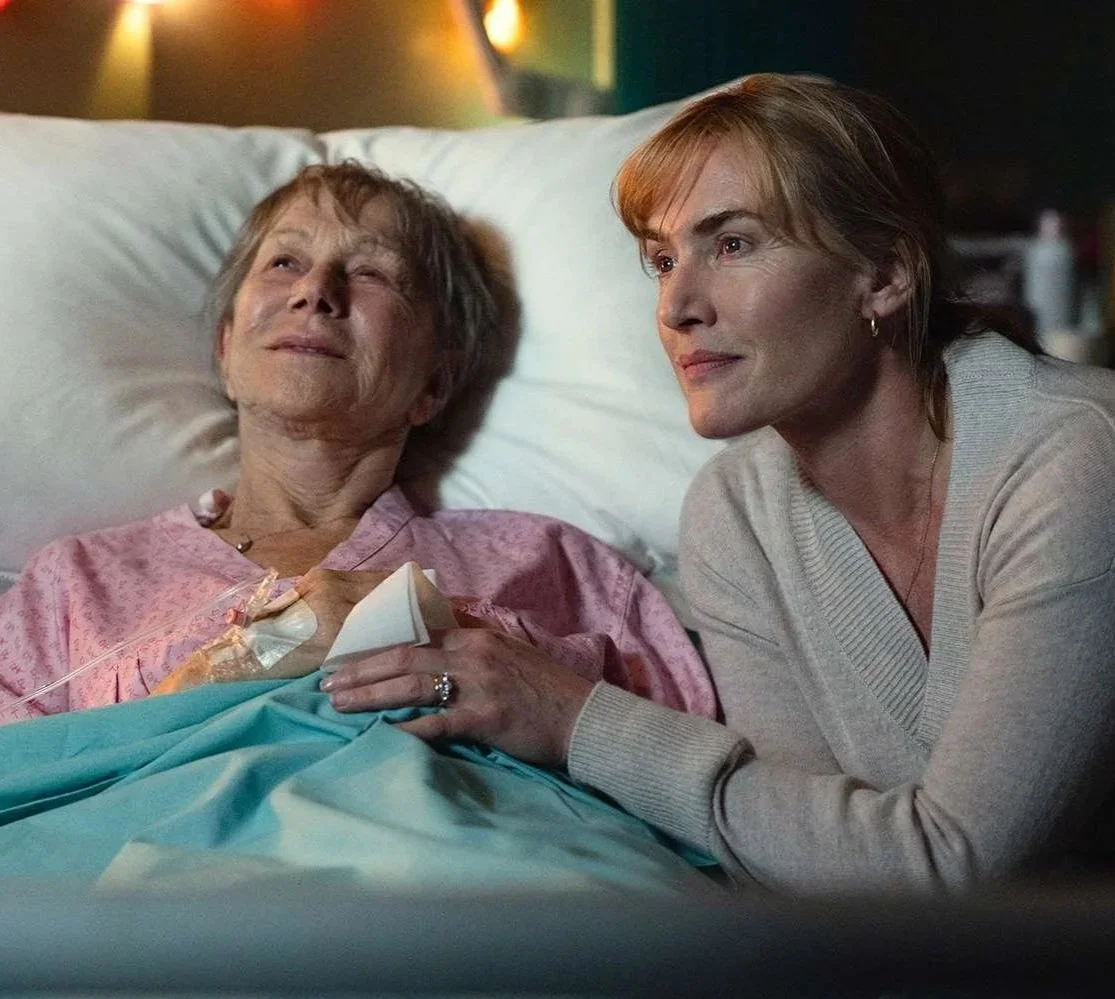
While Kate Winslet’s Goodbye June may not reinvent the aesthetic and thematic wheel, its story is treated with great urgency and emotional care, allowing the audience to feel the characters’ emotions, rather than being told what to think at any given moment.
Nothing prepares you for the loss of a loved one. Even if you’re told a person is in their final days, and you think you have a hold on the situation, you don’t. I should know, because I recently experienced this with a family member, who, after being hospitalized for over a month, decided it was time to depart this earth and chose to die with dignity a day before their 85th birthday. It was a choice that we all respected, and there was a thought that, with such a decision being made, it would perhaps appease any sense of grief I’d eventually have.
Boy, was I wrong. When I went to the hospital – the day before their scheduled time of departure – to say goodbye, it was one of the most challenging and harrowing days of my life. I began to reckon with that person’s finitude after I had left the room, spiraling into a depressive episode I am still trying to figure out how I managed to recover from. Approaching the holidays, and knowing I’ll never be at their table tasting their world-famous turkey, is even harder than it was when we had to empty their house, which has now been sold to another family. Nothing prepares you for the incoming loss, and nothing prepares you for after the loss, when you have to pick up the pieces and carry on, because it’s not yet your time. A literal and figurative hole begins to fill inside you and will never be replaced, even when you’ve theoretically “moved on.”
This line of thinking is at the heart of Kate Winslet’s directorial debut, Goodbye June, which will sadly fly under everyone’s radar this holiday season (thanks to Netflix being Netflix). However, the film is a patient, often profoundly moving look at a fractured family mending their differences and learning to grieve in the wake of the imminent passing of their mother, June (Helen Mirren), who has been diagnosed with a terminal form of cancer and won’t make it to Christmas day. Their children, Julia (Kate Winslet), Molly (Andrea Riseborough), Helen (Toni Collette), and Connor (Johnny Flynn), all have to reckon with the idea of their mother no longer being in this world, while June’s husband, Bernard (Timothy Spall), is trying to distract himself from the mere thought of the love of his life not being there for him anymore.
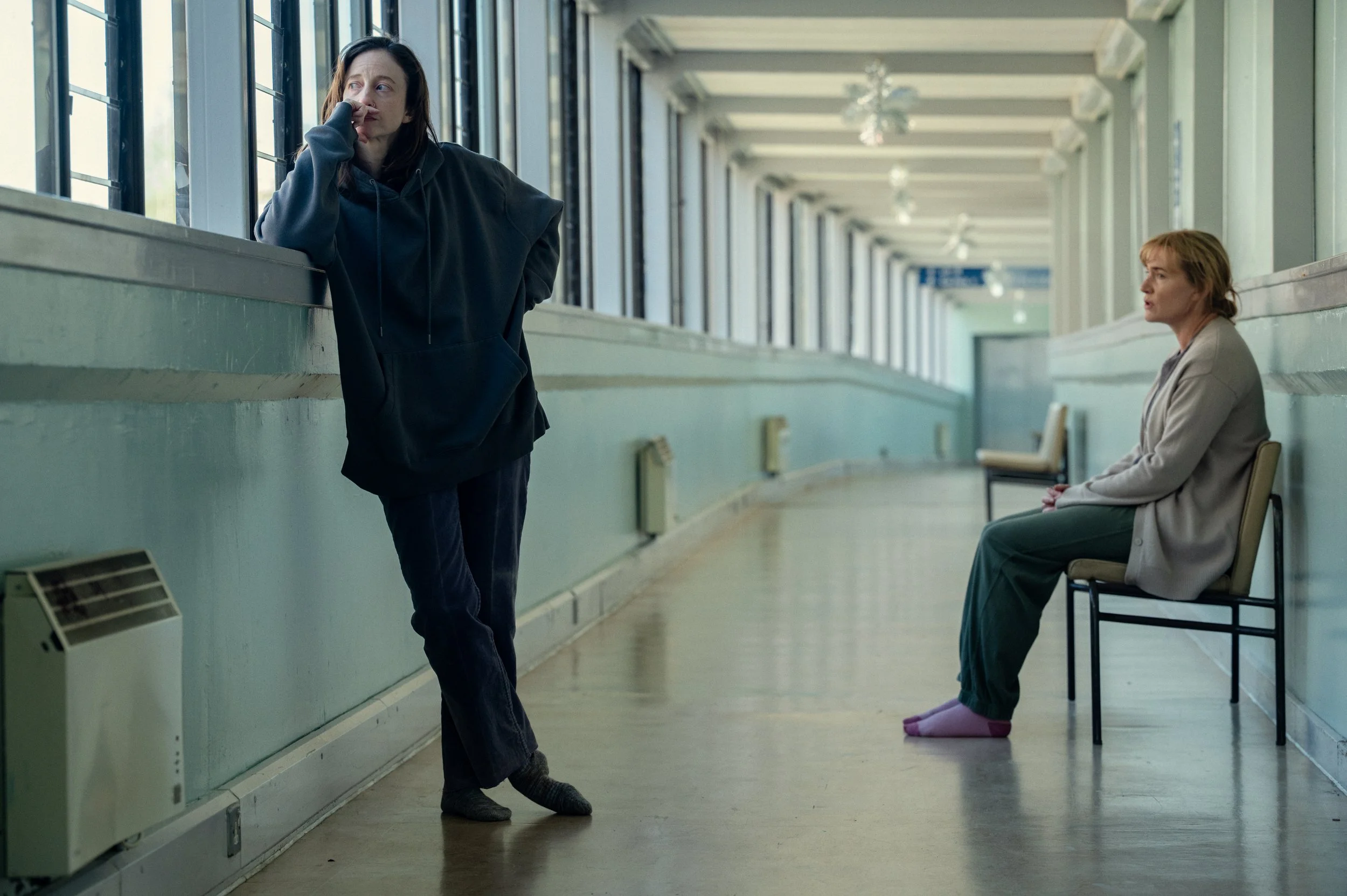
Of course, it creates divisions within the family, but it’s the least interesting aspect of Winslet’s film (which was, mind you, written by her son, Joe Anders). It’s also aesthetically televisual, even as it puts us in the shoes of June’s pain, which we know will soon be extinguished because cinematographer Alwin H. Küchler deftly employs soft focus as the room behind her begins to blur. We understand that, in this case, June’s perception of space and time fades. The film is mostly dialogue and character-driven, which may be why Netflix picked it up. Still, one can’t overstate how just its writing is in examining how people cope with the loss of someone who has always been there for them and was not only a constant source of love and support but also a unifying force for the family.
Sometimes, when one begins to look back on the time they spent with a loved one who is going to pass away, the darkest memories are the ones that usually appear first, before you reminisce on the most joyous times you had with the person. Yet, no one has anything bad to say about June. No matter how bad things got between Molly and Julia, or in Helen’s personal life, everyone agrees that June was a source of light in their collective – and individual – time on this planet. June’s impending passing allows them time to reflect on how they spent their busy lives and ignored what’s most important, which is where the movie, and, by extension, Winslet’s direction, shines the most.
She doesn’t tell the audience how to feel at any given occasion, even though the film can at times feel treacly, especially in the final scenes the characters share with June. Instead, her camera sits with the characters and lets their feelings speak for themselves, without overtly sentimental music or bludgeoning devices that would tell a moviegoer how to feel. Grief is an often complex feeling that isn’t purely “sad,” but will bring about emotions you never knew existed within you and materialize in ways that no human should ever experience. But it’s an inevitability. No matter how we take the life we have for granted, chapters will end, and our individual existences will eventually come to a close. We will all have to go through grief before others inevitably grieve us.
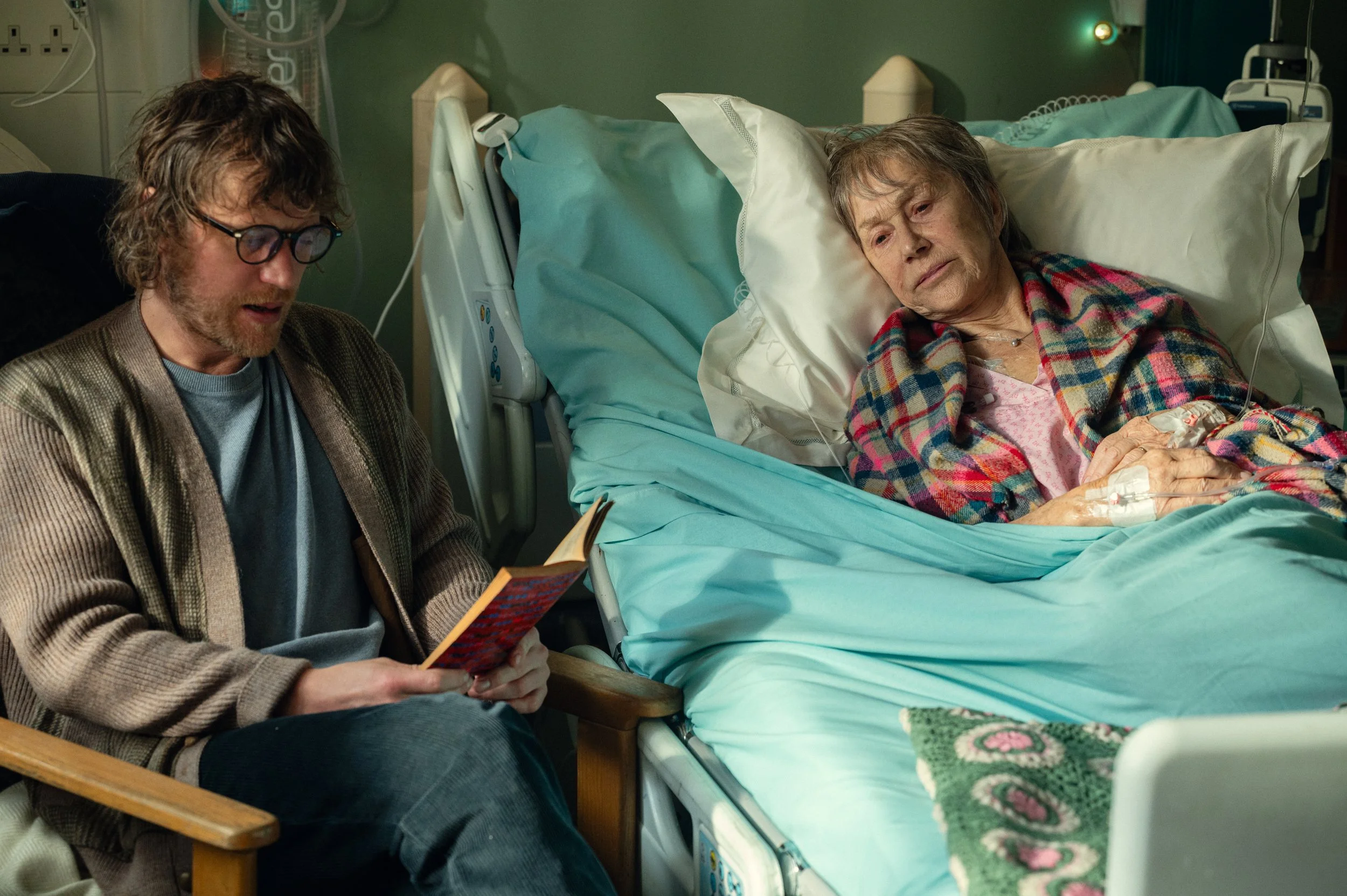
Winslet reminds us of this inextricable fact in Goodbye June, and does so with a deeply affecting eye. Her humanist touch, superbly highlighted by the natural performances of her star-studded ensemble, sets the stage for a promising career behind the camera. And while it might not be the best entry in the “2025 films about grief” compendium, it’s certainly not a directorial effort to be dismissed. There’s enough texture and emotional complexity in the character relationships to see a future in Winslet’s directorial endeavors, provided she sharpens her aesthetic skills within her next effort. If that’s accomplished, the shift will be much smoother, unlike other actors-turned-directors, whose behind-the-camera careers never panned out beyond one or two films that were quickly dismissed.
Since Netflix will hide Goodbye June behind an algorithm, there’s a chance most audiences will ignore the movie by the time of its release. However, it’s such a genuine heartwarmer that the ones who do give it a chance might be pleasantly surprised. I thought it wouldn’t be worthwhile, but it turned out to be just the film needed to confront the first Christmas spent without a major family member at our side.