
‘Marc by Sofia’ Review: Sofia Coppola Celebrates a Friend
Sofia Coppola doesn’t pretend to be objective in her portrait of Marc Jacobs in Marc by Sofia, and the film benefits from her subjective perspective on the iconic fashion designer.
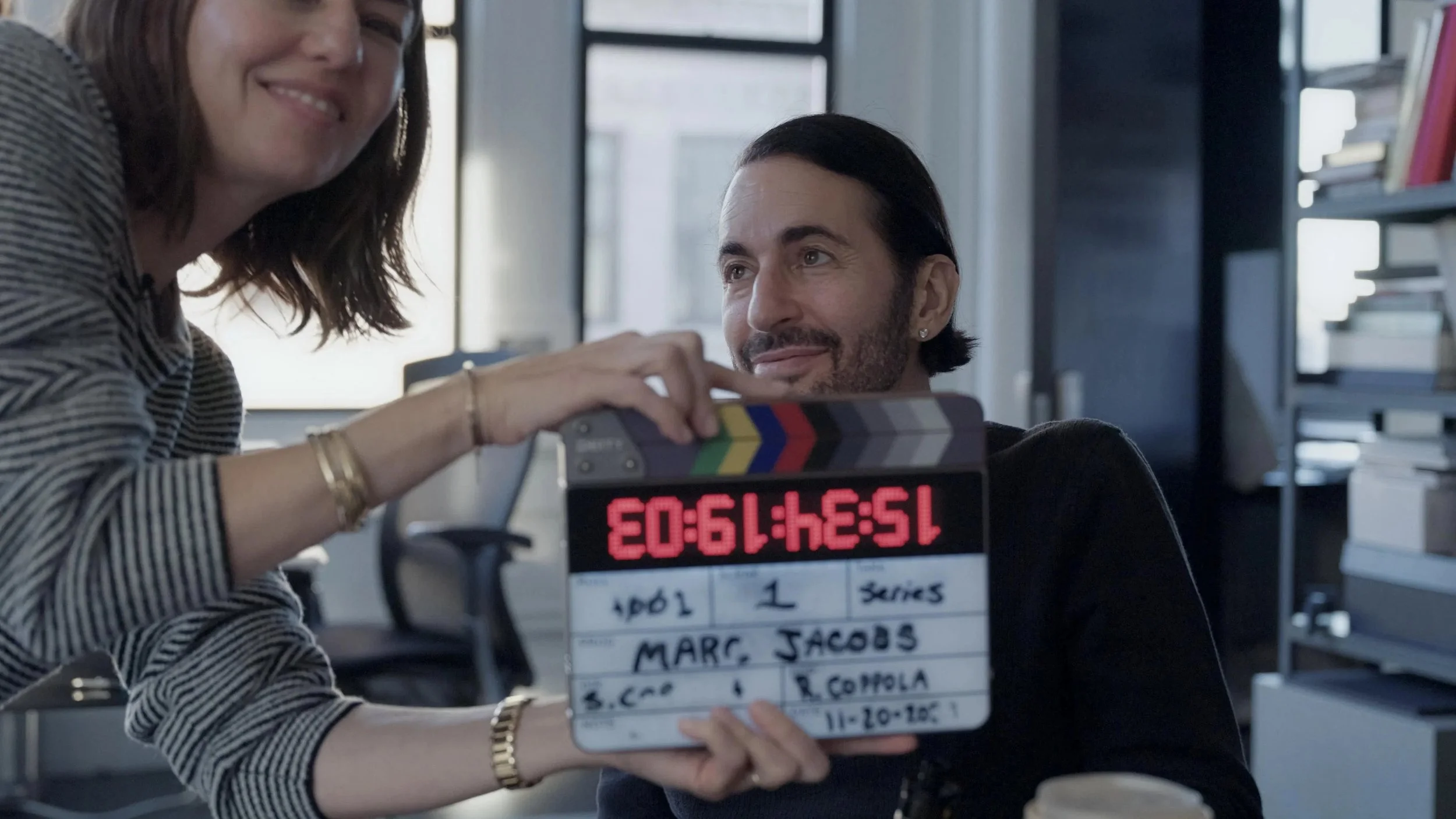
For those who wanted a typical, distanced, and neutral talking-heads documentary on fashion designer Marc Jacobs, Sofia Coppola’s latest, Marc by Sofia, might disappoint. But for those who wanted a film in equal measure as Coppola’s most personal and artistically compelling fiction works, you might find something of value in what can be considered more of an intimate portrait than what most people would qualify as a documentary.
Instead of having the central question of her film be, “Who is Marc Jacobs?”, Coppola makes it, “Who is Marc Jacobs to me? And what does he represent in my life?” She makes no pretense that this film will be objective in any way, because her connection with Jacobs, as a fashion designer and, most importantly, a friend, is deeply close. To some people, such an approach might feel like a puff piece, propaganda audiences shouldn’t be falling for (see Morgan Neville’s dreadful hagiography on Lorne Michaels). However, Coppola’s point of view opens Marc Jacobs up in ways that a traditional documentary simply wouldn’t and paints him in a different light than most of the public consciousness might have perceived him.
Marc by Sofia might not be a conventional documentary, but Coppola’s collage of archival footage and interviews she conducted with Jacobs turns the film into a celebration of a man who, in his way, has revolutionized the world of fashion and has always been at the forefront of major changes within the industry. The fact that Coppola integrates herself in almost every aspect of the movie – either by directly presenting how the film was shot, being in front of the camera in some sections of her conversations with Jacobs, directly asking questions through her voiceover heard on multiple occasions, or simply showing archival videos of a young Sofia Coppola as a burgeoning artist – adds so much texture to a movie that could’ve been a simple didactic exercise.
Coppola doesn’t want to make it as such. If she’s to make a movie about a friend, it needs to have purpose and be as personal for her as it will be for Jacobs. Audiences who might not know who Marc Jacobs is could be left hanging by the time the end credits appear, but you will get an essence of the importance he holds in the world of fashion and who he is as a human being, which, I think, is more important than simply presenting a broad outlook on his life. Coppola isn’t interested in writing a Wikipedia summary of Jacobs, but in presenting who he is through her eyes and how she perceives he changed the world of fashion. It’s not objective, but it doesn’t need to be. Coppola breaks the very foundations of what audiences believe documentary filmmaking should strive to achieve and realizes her most sincere artistic object, likely more important than anything she’s made in the world of feature filmmaking.
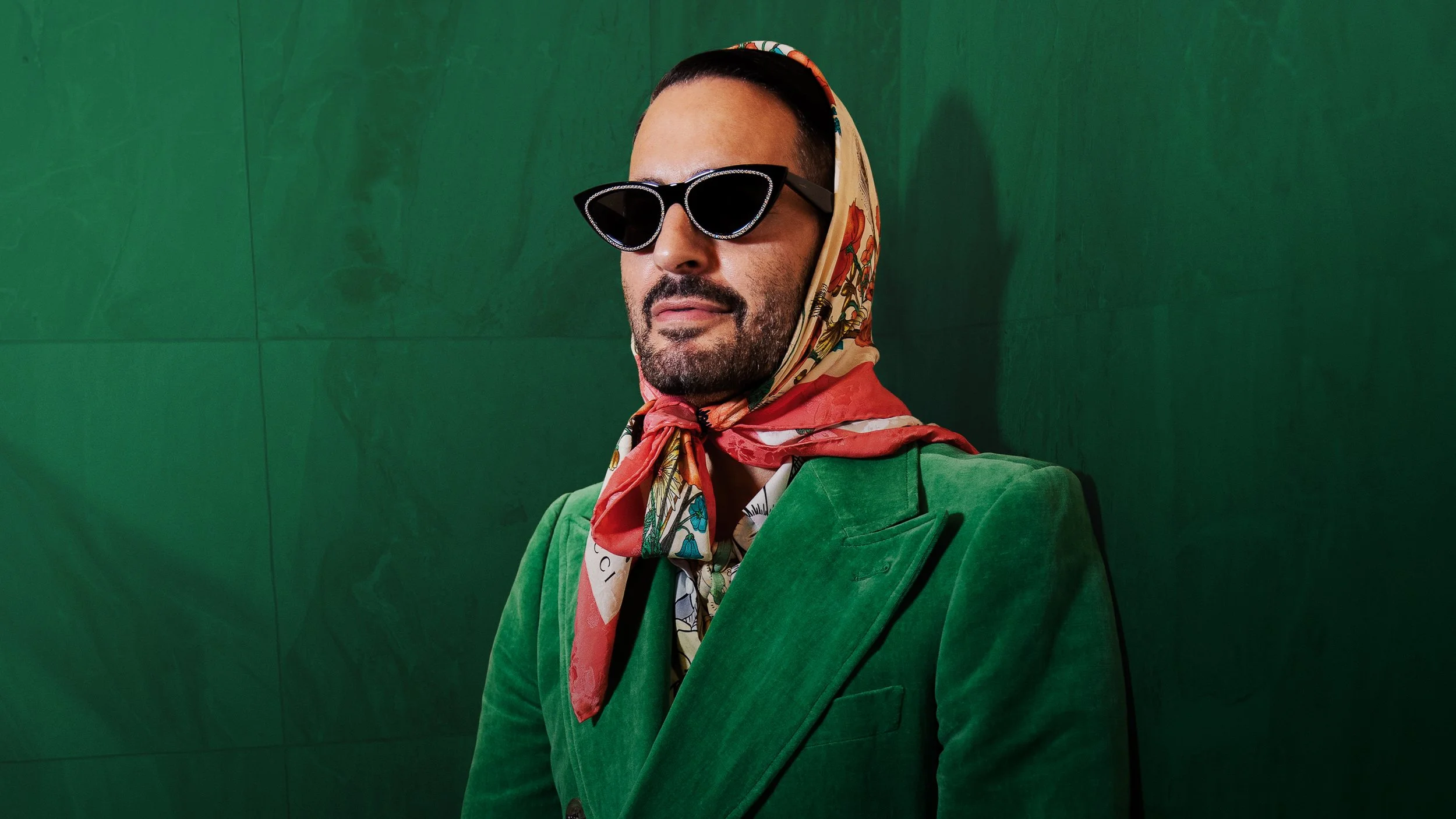
In her ever-changing aesthetics, Sofia acts as a guide to Marc’s internal and external torments, while the fashion designer feels comfortable enough to share his vulnerabilities as an artist that he likely wouldn’t have expressed if he weren’t close to the filmmaker, especially not for a movie designed to be released on the big screen. As he takes long, hard drags off his (very big) vape, Jacobs reflects on what this life means to him, and how he sees fashion evolving into the future. It’s a stripped-back, reflexive look at an icon who, as long as he walks this Earth, will always be there to shape what fashion can – and should – look like. As illustrated throughout the film’s brisk yet emotionally impactful 87-minute runtime, Marc Jacobs has always broken the rules in fashion and will continue to do so.
Coppola’s film isn’t perfect, but it’s not trying to be. It’s as messy and conflicted about the power of art as Jacobs’ mind is in attempting to understand what art and design mean to him, someone who has experienced significant changes within the fashion world and still attempts to reinvent himself, one show at a time. Sofia Coppola is trying to capture who Marc Jacobs is through her subjective lens. In that regard, she more than succeeds in giving us a sense of what he means to the filmmaker and, by extension, to fashion as a whole. Who would’ve thought that such an approach would result in Coppola’s best movie since 2006’s Marie Antoinette? Not me, but I’ll take it anyway!