'The Death of Robin Hood' Review: A Muddled Mythic Deconstruction
michael sarnoski’s latest evokes shades of better deconstructions, with diminishing returns.
There has been no shortage of Robin Hood film adaptations over the years, and it’s safe to say that they’ve run the full tonal gamut. From an anthropomorphic Disney animation, to Mel Brooks parody, to grittier adaptations by filmmakers like Ridley Scott. Despite what the title may suggest, The Death of Robin Hood will most likely not be the last time the famed outlaw graces the big screen, but it definitely emerges as one of the most distinct adaptations to date, for reasons both dour and mildly interesting, with the former outweighing the latter.
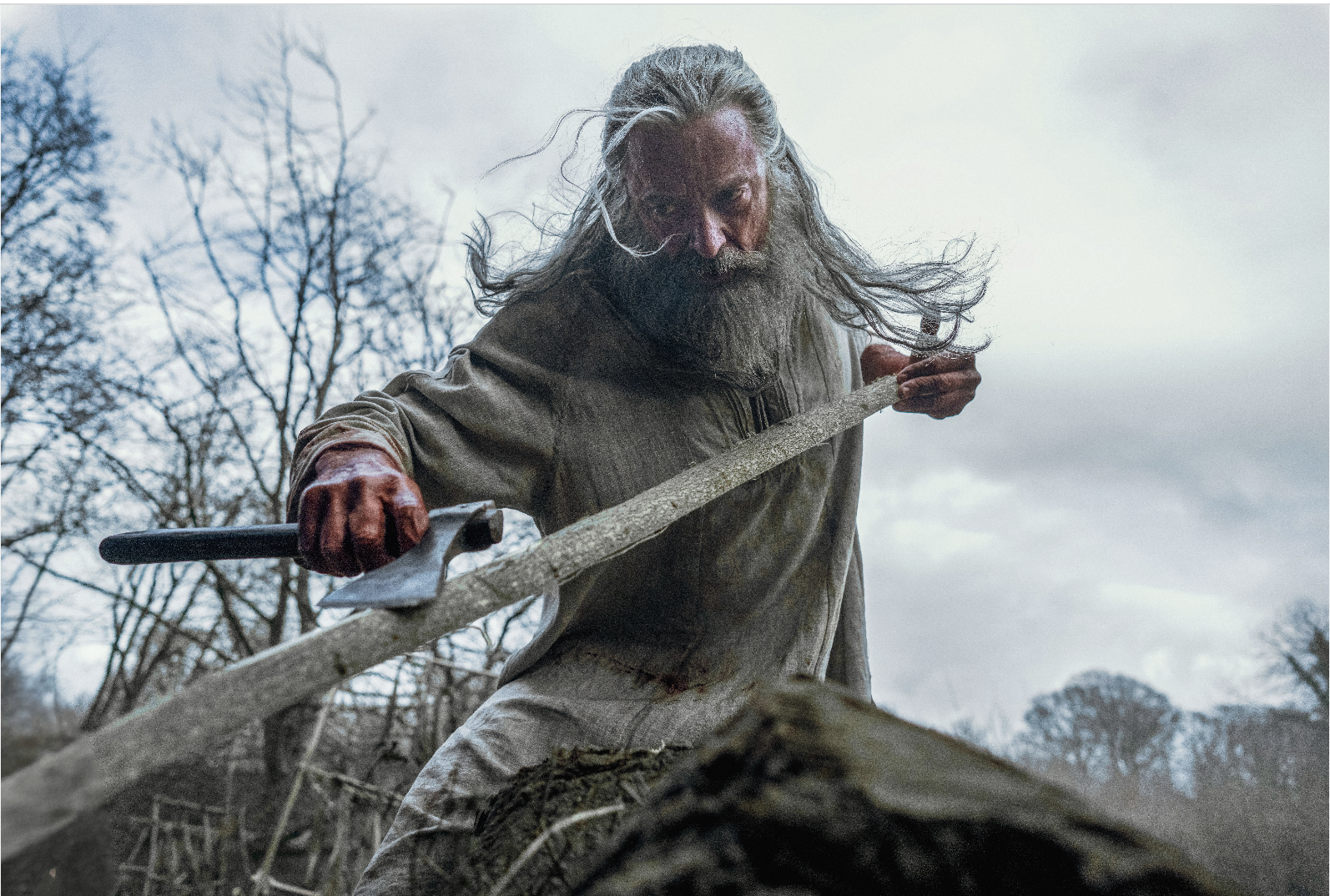
The film follows a grizzled, aged Robin Hood (Hugh Jackman), trying to conceal his identity as a wayward man in 13th Century England, grappling with regret about the myth associated with his name, and a life full of bloodshed and violence. Yes, the deconstructive hook is quite promising, on paper, but if you got some immediate déjà vu from hearing Jackman associated with such a project, it’s highly understandable. Jackman himself has even noticed the film’s similarities to the now legendary Logan on press tours promoting Robin Hood. This isn’t to say that the film plays like a Logan rip-off per se, but it is abundantly clear that the films which director Michael Sarnoski owes a partial aesthetic debt to, are unanimously superior to The Death of Robin Hood.
The first half of the film embraces the grit, and is a more aggressive and hyper-violent take on the aged Robin Hood’s story, as he aids his longtime partner Little John (a wonderfully cast Bill Skarsgård) in an ultimately unsuccessful attempt to save John’s wife from a group of bandits, with much bloodshed and none the wiser. This more brutal take on an older, more frail and simultaneously violent Robin Hood, as mentioned, shows intrigue. Sarnoski’s visual eye is strong, and the film embraces a colder, bleaker visual canvas to reflect this. Yet, the Robin Hood presented by the film feels so detached from the mythic hero, which is the clear intent, but the dissonance feels so far that it feels like a half-baked deconstruction of a new character we barely know. This isn’t to say that the film would have better off with Jackman donning a more colourful and jovial outfit and swashbuckling attitude. Perhaps disingenous to say, but it feels more as if the team involved with this movie was more interested using the rugged, barren aesthetics of the Middle Ages to make a film about cyclical violence, and used the Robin Hood name as a kind of trojan horse to tell that story. Which of course, is fine. Taking creative liberties with age-old stories are what keep them alive, but this film in particular feels unaccomplished as a Robin Hood story, and as an attempt at a mythic deconstruction of a famed outlaw.
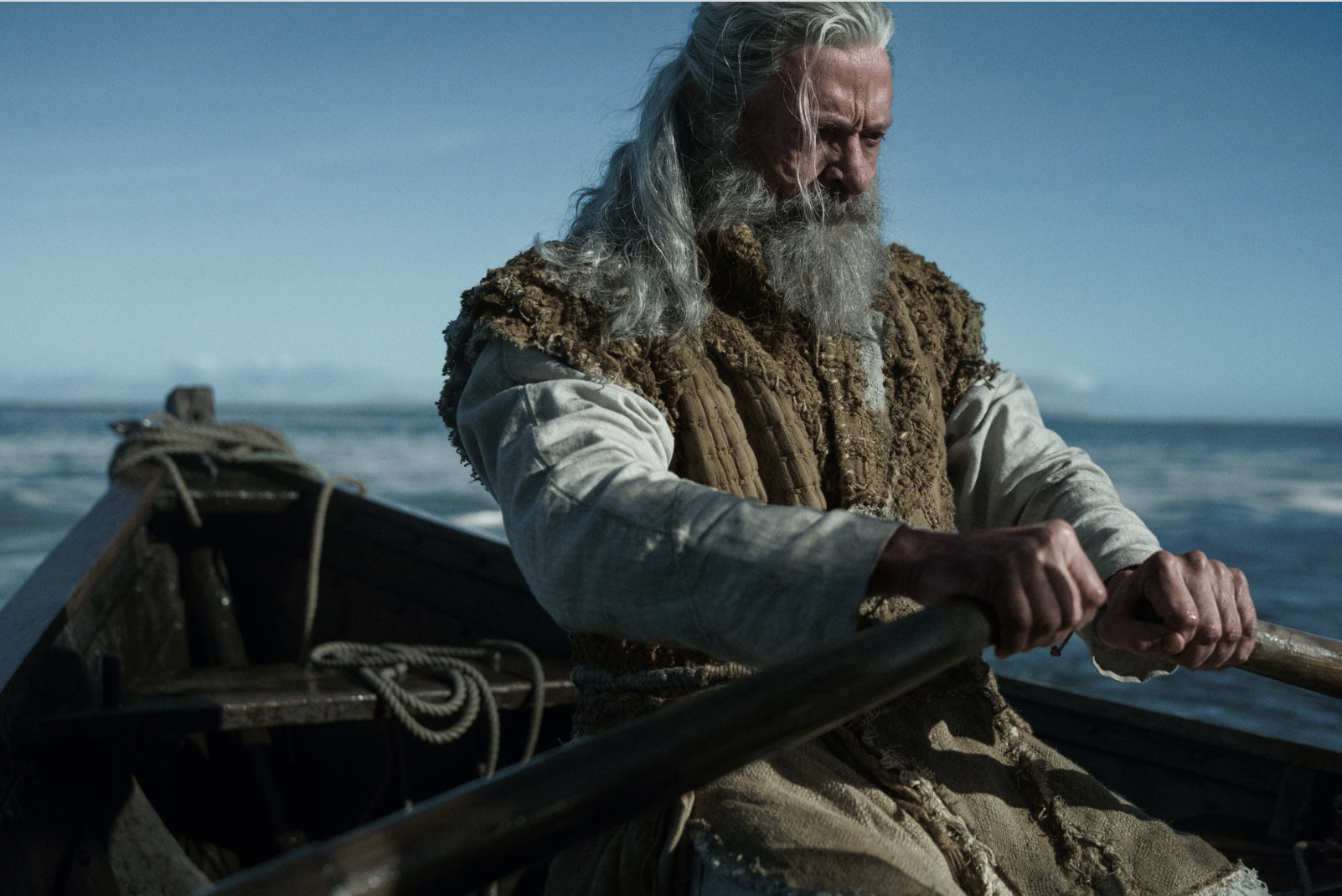
These criticisms are accentuated by the purposefully idle second half, which sees a near-dead Robin taken in by a a nun named Sister Brigid (Jodie Comer, delivering another rock-solid turn) and a seaside village. Robin physically heals from his wounds in this community, who are unaware of his true identity. The film really slips into a different rhythm in this environment, becoming more conventional as Robin learns to live amongst the villagers, helping them hunt and fulfill other communal duties. Here, we see glimpses of the sentimentality and quiet earnestness that were at the core of Sarnoski’s previous two films, but are far less affecting than the arc of Pig or the life-affirming surprises in A Quiet Place: Day One. As the film nears its end, the conflict of Robin’s kind of ‘reckoning’ after a life of violence looms, and upends the semblance of peace he had found. As certain reveals come into play, and the theme of reckoning gets tackled head-on, the thematic promise feels squandered. Make no mistake, there are a handful of scenes in which Robin’s arc is juxtaposed to the thematic happenings of the villagers and how their lives have been affected by violence and the likes, but they seldom get further than either explaining thematic arcs entirely through dialogue, or just feeling like aimless navel-gazing. The latter becomes more apparent toward the film’s direct climax, which is meticulously edited to ‘feel’ poetic, but ends up feeling like an empty gesture that once again embodies the undelivered potential of the film as a whole.
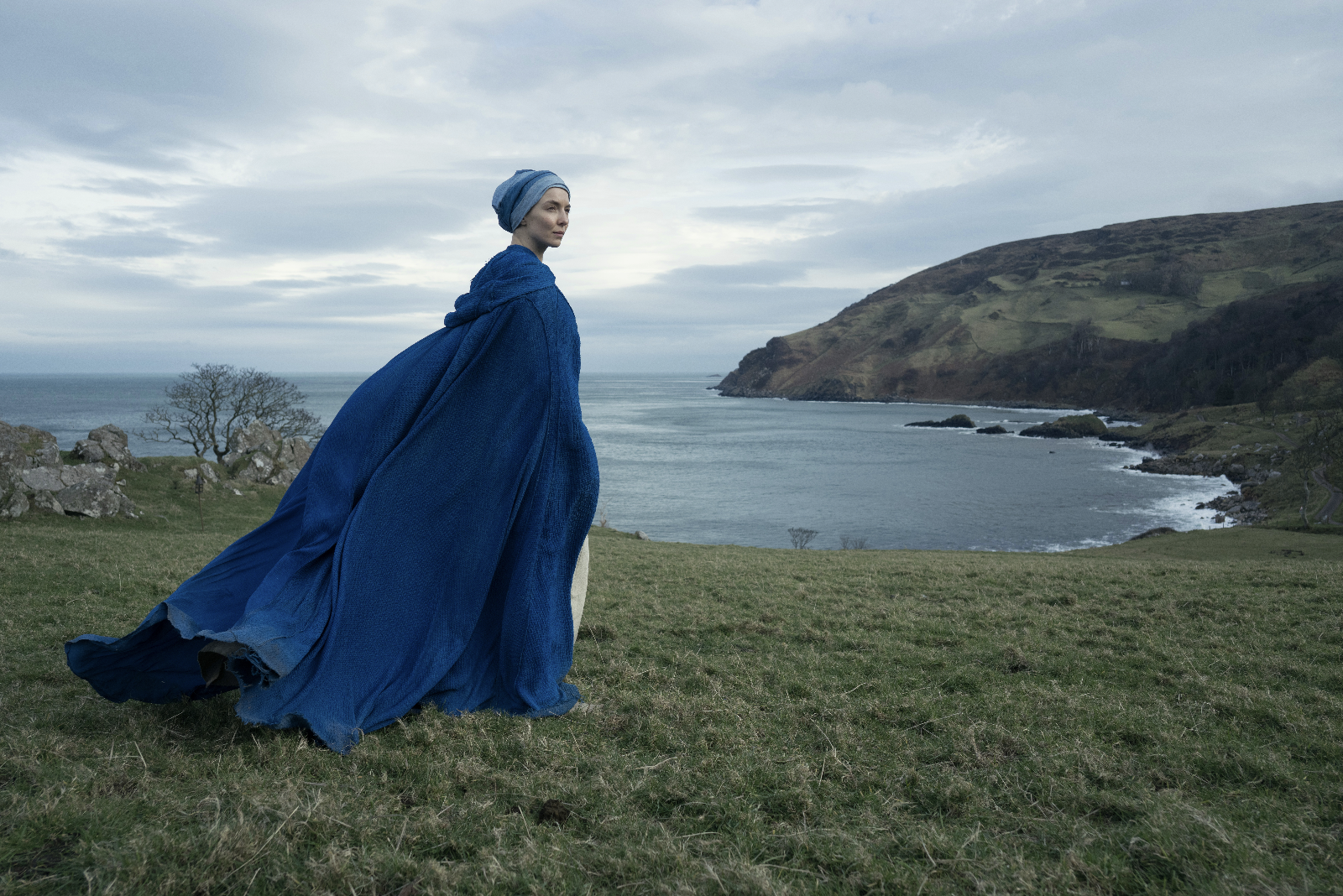
While the narrative as a whole can feel like a muddled, inconsistent slog, credit must be given to Sarnoski as a director. If nothing else, three films in, he has proven himself to be a strong atmospheric filmmaker. Sarnoski, in his third collaboration with cinematographer Pat Scola, inhabit the Middle Ages and its aesthetic, with both the rugged beauty and harshness, and the film is quite accomplished visually. Looking at Sarnoski’s filmography thus far, we can see his interest in themes of personal reckoning and peace amidst harsh conditions reverberating throughout. This film in particular feels like a natural extension of the themes of Pig, with internal peace and justice being talked about but never meaningfully explored, falling short of Pig’s intrigue and genuine emotional depth.
Beyond the title telegraphing what happens to Robin Hood, when the credits roll, it’s hard to say that anything new has been learned, or even meaningfully done with the character. The film intentionally avoids delving too far into the history of this iteration of Robin Hood, leaving lots open to interpretation. This choice is interesting, and dispels a full reading of Robin Hood as the classic outlaw with a heart of good, but with the film’s early focus on violence, it’s hard to get a read on just who this Robin Hood is, and why we should fear or even hope for his eventual reckoning. Again, this is partly intentional, but the overall pronouncement (or lackthereof) by the film ends up feeling muddled and confusing in regards to Sarnoski and company’s take on the character as a whole.