
'Possible Love' Review: An Intricate Poem of Love, Loss, and Disparity [TIFF 2026]
Lee chang-Dong’s return to screen may be his best effort yet, exploring complex relationships framed by inequality and loss.
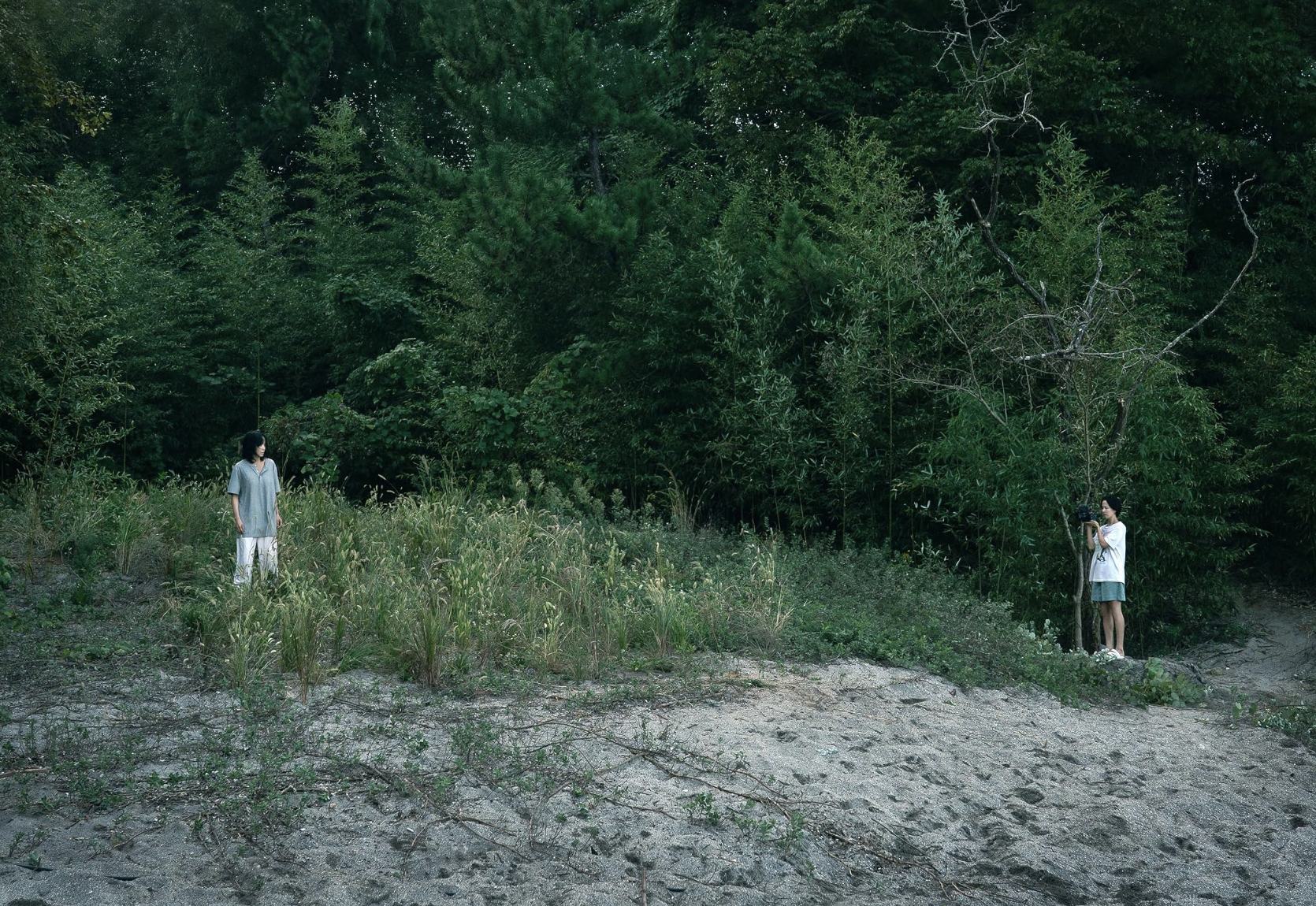
It can be hard to capture the quiet dynamics of a relationship on screen. Many filmmakers have attempted this challenge, not least of all Lee Chang-Dong. Lee often explores the mystery of relationship dynamics, touching on grief and loss in films like Secret Sunshine and Poetry. Both critically acclaimed and loved by film fans, Lee’s stories are intricate and mysterious. Burning, his most recent release, debuted in 2018, and thoughts of the characters still linger in viewers’ minds. Typically, his storytelling is complex–the relationship dynamics often unfold slowly, and as more and more is revealed about the characters, the viewer slowly comes to understand the intricate secrets of these bonds. Possible Love, Lee’s newest film, is no exception. In fact, this film may be one of Lee’s strongest relationship studies, exploring the dynamics between two couples living vastly different lives. Beyond relationship quirks and connections, Lee paints a picture of how circumstance and class shapes who we are and how we navigate our bonds with others.
Possible Love follows the relationship between Ho-seok (played by Sul Kyung-gu), a factory worker laid off due to company restructuring, and his wife, Mi-ok (Jeon Do-yeon), as they navigate through the aftermath of his loss of employment. Almost immediately, the viewer understands there are many things left unspoken between this couple. There is discomfort when there should be comfort: Ho-seok is quiet and uncomfortable, Mi-ok is emotional and unsteady. On the car ride to an old co-worker’s funeral, the couple is tense, and on arrival, Ho-seok suddenly declares he won’t be attending. Instead, he will wait in the car. Mi-ok appears surprised, but very quickly relents–quickly, the viewer becomes aware of something deeper underlying their interaction. Soon, the couple is connected with documentary filmmaker Ye-ji (Cho Yeo-jeong), who is determined to make a film about the experience of the employees that were laid off from SP, Ho-seok’s previous employer. Although the interactions begin as professional meetings and interviews, the couple grows closer with Ye-ji. Soon enough, Sang-woo (Zo In-sung), Ye-ji’s husband, is brought into the mix. As the couples spend more time together, the lines between professional and casual begin to dangerously blur.
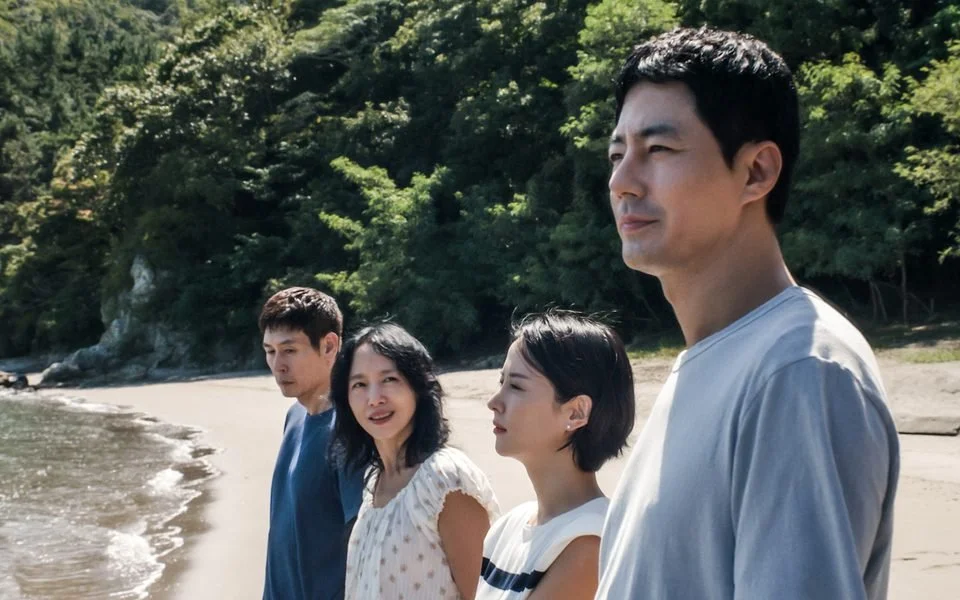
At the beginning of the relationship between the two couples, the power imbalance is already hard to ignore. Their first interaction is one of violation–Ye-ji begins filming a public argument between Mi-ok and Ho-seok without their consent. Ye-ji, however, is determined to shine a light on typically ignored voices, documenting the experience of the individuals who lost their jobs in the wake of a large company restructuring, so she offers something of particular value to Mi-ok and Ho-seok. She can provide a platform. Ho-seok has been struggling since the lay-off, isolated and unhappy, and Mi-ok is desperate to un-isolate. Ye-ji, who is desperate to create, uses this circumstance to her advantage, and jumps on the chance to interview and learn more about the experiences of this couple. Although things are relatively benign at first, the differences between the couples start to become hard to ignore. They appear to care about the same things, but Ye-ji wears much nicer clothes. Ye-ji has a rich and successful husband. Ye-ji has the freedom to pursue art. At the end of each day, after filming the difficult and depressing experiences of her subjects, Ye-ji returns to a comfortable life. The tension begins to grow as these differences become hard to ignore, and things come to a head when Ye-ji invites Mi-ok and Ho-seok to her husband’s vacation home. The differences between the couples become uncomfortable and the friendship begins to strain, and slowly it becomes unclear whether there is a genuine connection between the couples or whether this is a strategy to produce the most successful documentary. The answers to these questions are often left to the viewer to answer for themselves.
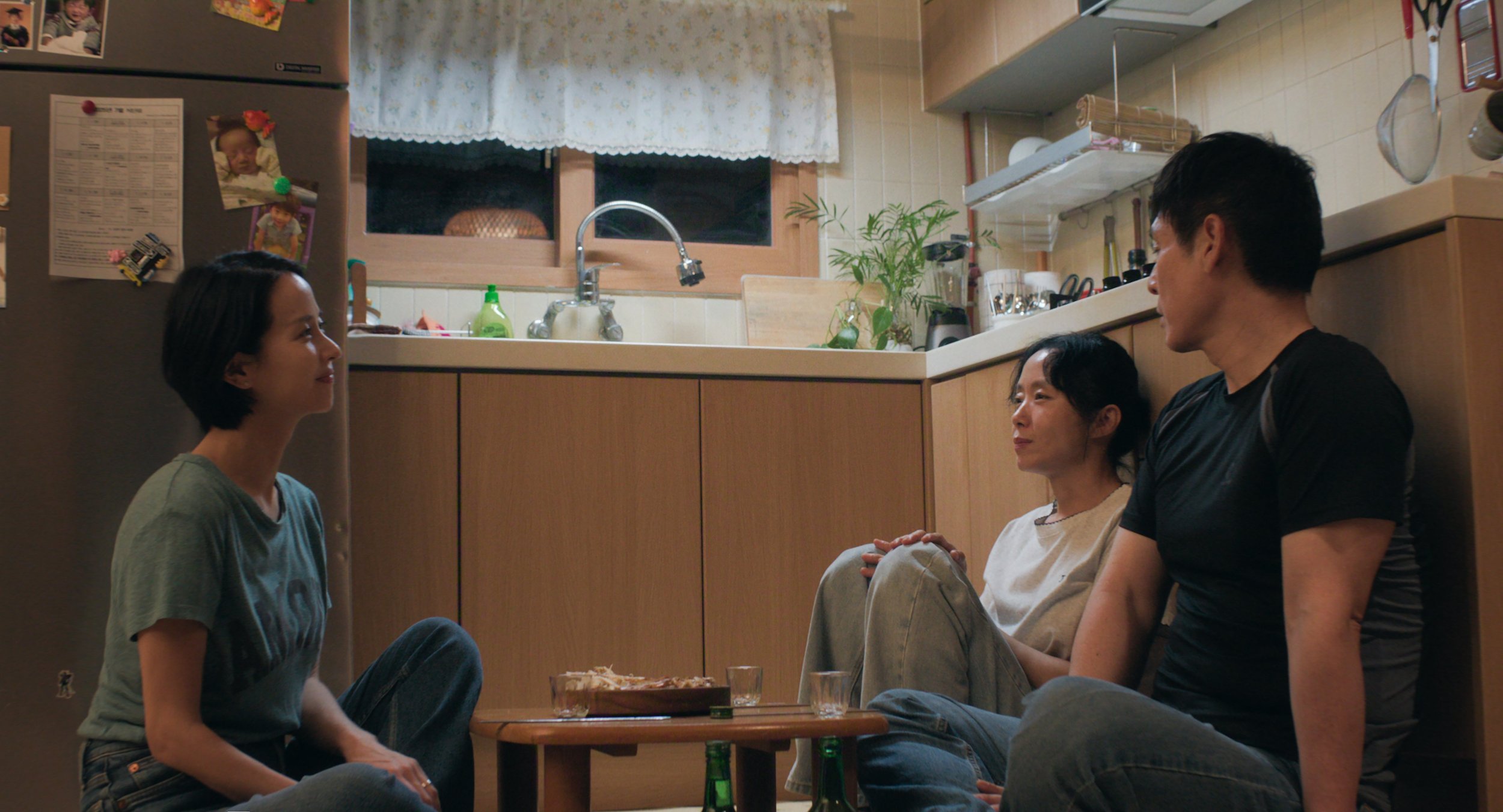
Economic class differences have long defined our relationships with others. Although we live in a time of great prosperity, we simultaneously live in a time of uncertainty and desperation. Countries around the world, including Korea, face growing economic inequality. It can feel like a desperate scramble to maintain your position, and with changes to the workforce, such as increasing globalization and automated replacement, the survival of the middle-class is becoming more and more in jeopardy. Recent films from some of Korea’s great filmmakers focus on this issue: Bong Joon-Ho’s Parasite and Park Chan-Wook’s No Other Choice both focus on similar societal issues, but do so with thrilling twists. Lee Chang-Dong’s Possible Love is much more subtle, letting the viewer peer into a realistic portrayal of people navigating these disparities. This is a film with something to say to its viewer. The slow unfolding of the story takes the viewer by surprise–you may not realize the impact the film has had until hours later, seeping into conversations in the following days.
Although there are purposeful and thoughtful ideas behind the film, there is also a heavy layer of ambiguity. The viewer is introduced to the characters to experience a very specific time period in their lives–what came before and what comes after remains mostly shrouded. Just like the human experience, there is often no climax to our stories. Instead, we continue on. Our relationships change and evolve with our experiences, and we continue on.
Possible Love has already made a splash at the Venice International Film Festival, where it won the Grand Jury Prize. Now, at the Toronto International Film Festival, it’s quickly becoming a favourite. This film may be one of the best of the year, especially for viewers who appreciate slower character studies that capture the human experience.