
‘Mile End Kicks’ Review: Chandler Levack’s Love Letter to Montreal
Chandler Levack celebrates the vibrancy of Montreal with her lovingly constructed Mile End Kicks, despite screenwriting and pacing issues that prevent the film from being a memorable tribute to the city.
April 17th, 2026, will henceforth be known as Chandler Levack Day. The Canadian national holiday this critic proposes celebrates a rare feat in the industry, as two Chandler Levack-directed films are making their debut on the same day. One is ‘Roommates’, which is being sent straight to Netflix and sees the Torontonian filmmaker make her Hollywood debut with a Happy Madison production. The one we’re talking about today is being released in cinemas nationwide and might put a massive smile on the faces of anyone who’s lived in Montreal, with ‘Mile End Kicks’.
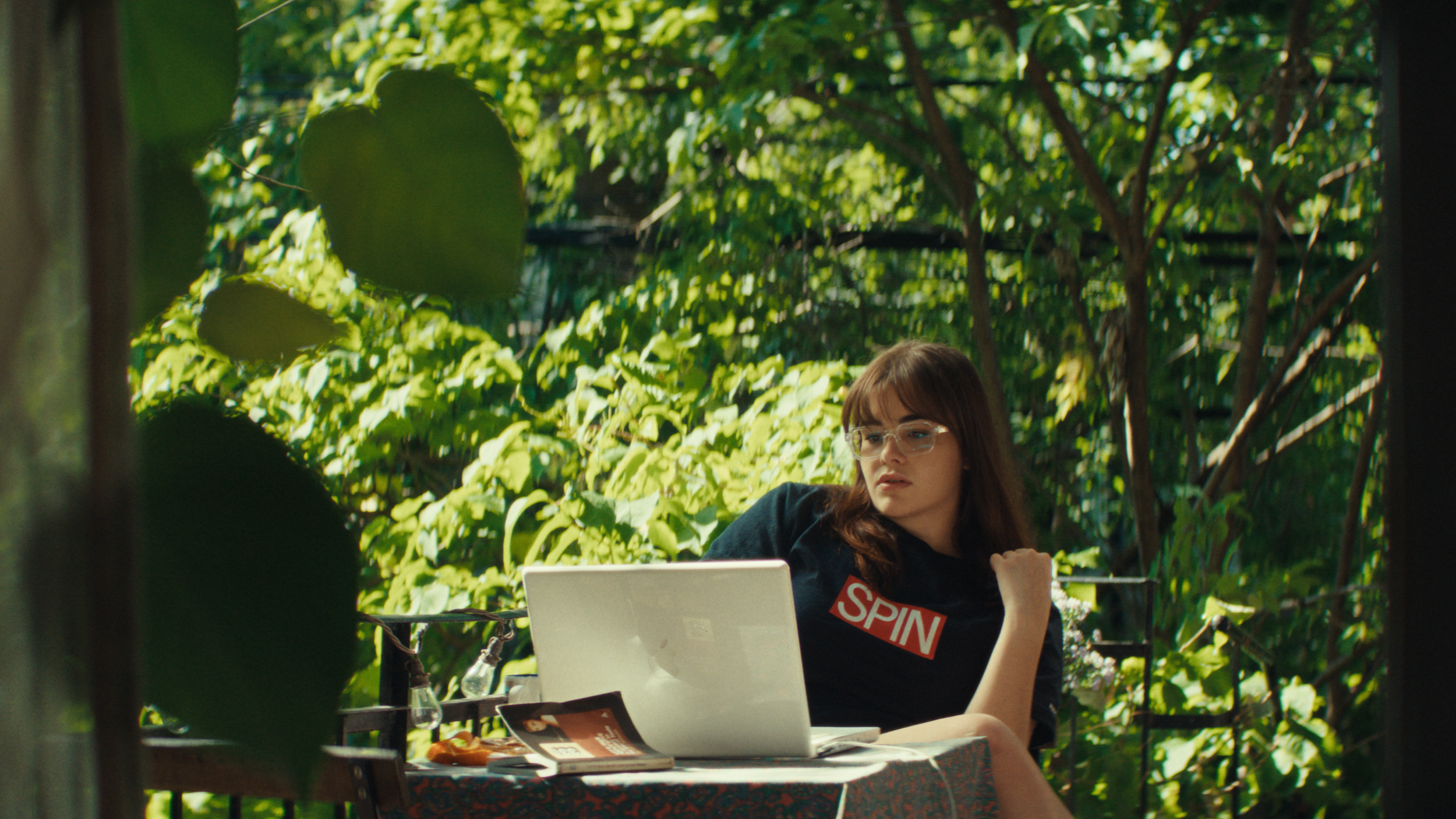
There might never be a better movie released in this era that celebrates the vibrancy of Montreal’s cultural sphere quite like this one. Not even Québec-based productions ever captured the feeling Levack imbues through Grace Pine’s (Barbie Ferreira) journey of self-discovery. The twenty-six-year-old music critic decides to quit her job at an incredibly sexist magazine and move to Montreal, in an attempt to write a book about Alanis Morissette’s “Jagged Little Pill” – a watershed moment not only for Morissette’s journey as an artist, but for Canadian music as a whole.
At her apartment in the Mile End, her roommates Madeleine (Juliette Gariépy) and Hugo (Robert Naylor) introduce Grace to the band Bone Patrol, led by singer Chevy (Stanley Simons). The burgeoning author immediately becomes infatuated by the frontman’s charms and vocal talents, but also develops an affinity with the band’s guitarist, Archie (Devon Bostick). What you think will happen happens, but part of the charm of such a predictable coming-of-age tale isn’t necessarily the story being told, but what’s around it. The eccentric cast of characters. The world depicted by cinematographer Jeremy Cox’s immersive camera, and the bevy of jokes that poke fun (without sounding mean-spirited) at Montreal’s culture and the distinct society Québec built within Canada.
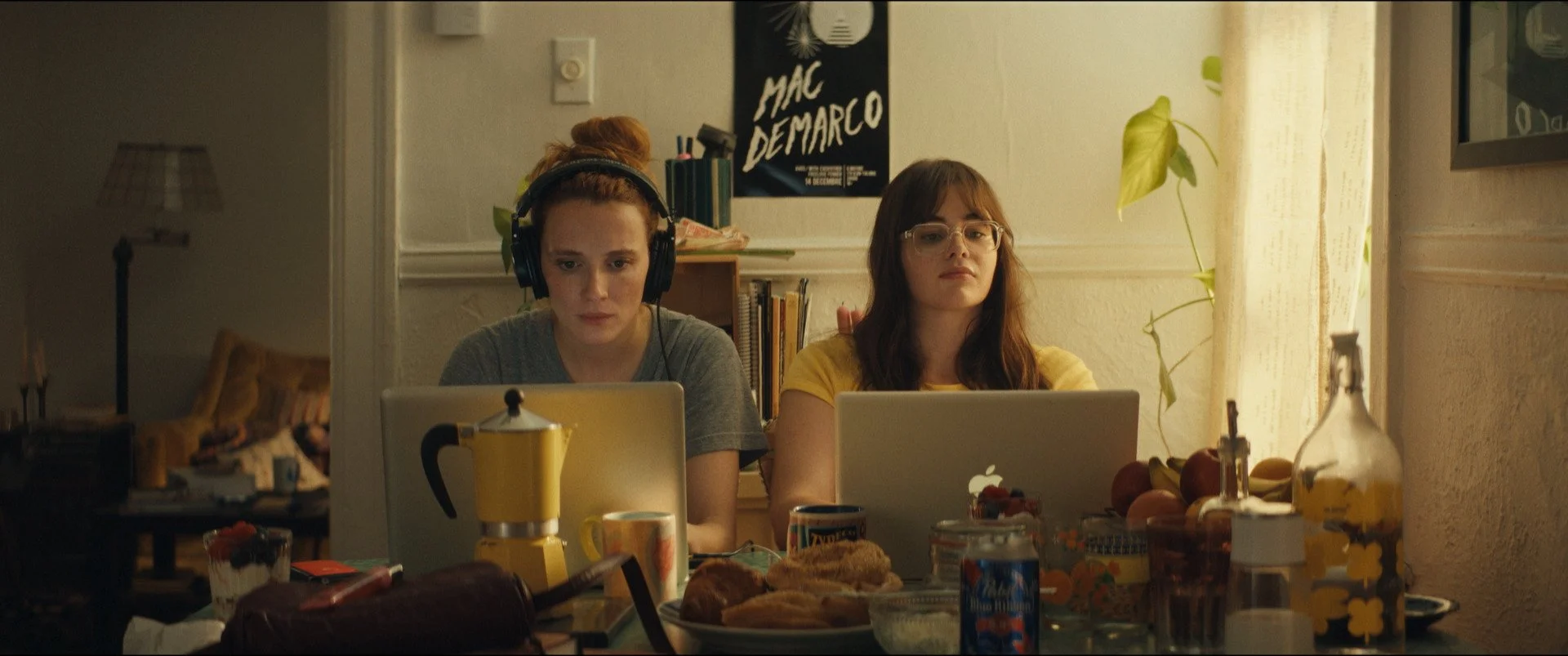
Yes, there’s an out-of-context clip that's allegedly making anglophones mad about one of the film’s most accurate scenes (if you want a job in Montreal – any job – good luck finding one without speaking French), but Levack’s film is born out of love. Love for the city that has housed her during the height of the local indie music boom. Love for the unique cultural outlook that so many Montrealers have about the world. Love for the community that makes this city what it is. And, of course, love for St-Viateur Bagel (between this and Heated Rivalry, I assume the iconic shop is more than happy about the free publicity, as if there weren’t crazy lineups to buy hot, fresh bagels already…)
Each scene in which Levack sits with Grace as she explores what Montreal has to offer fills me with unbridled joy. Never have I seen the city I grew up in captured with such perceptivity, where it almost felt like exploring it for the first time. And the people she meets while writing her book feel so true-to-life. For instance, each scene with Juliette Gariépy (a complete polar opposite to the chilling performance she gave in Pascal Plante’s Red Rooms) and Robert Naylor is plucked out of everyday Montreal life. I might know at least twenty people who contain the same traits as Madeleine and Hugo. It’s kind of frightening, but it also feels like the closest we’ll get to active Montreal representation in film, a representation that not even local filmmakers can capture the same way as Levack paints these characters.
Barbie Ferreira is also spectacular in the lead role, another sign of great things to come from the actor, following the star-making performance she gives in Daniel Goldhaber’s daring reinterpretation of Faces of Death. Grace is inspired by Levack’s own experience living in Montreal as a former music critic, and it feels as if Ferreria’s turn is inspired by Levack’s younger self, who attempts to embrace the messiest parts of herself and to accept her own voice within the cultural space she wants to carve out. It’s vastly different from Faces of Death, sure, but a note-perfect demonstration of Ferreira’s talents and versatility as an actor.
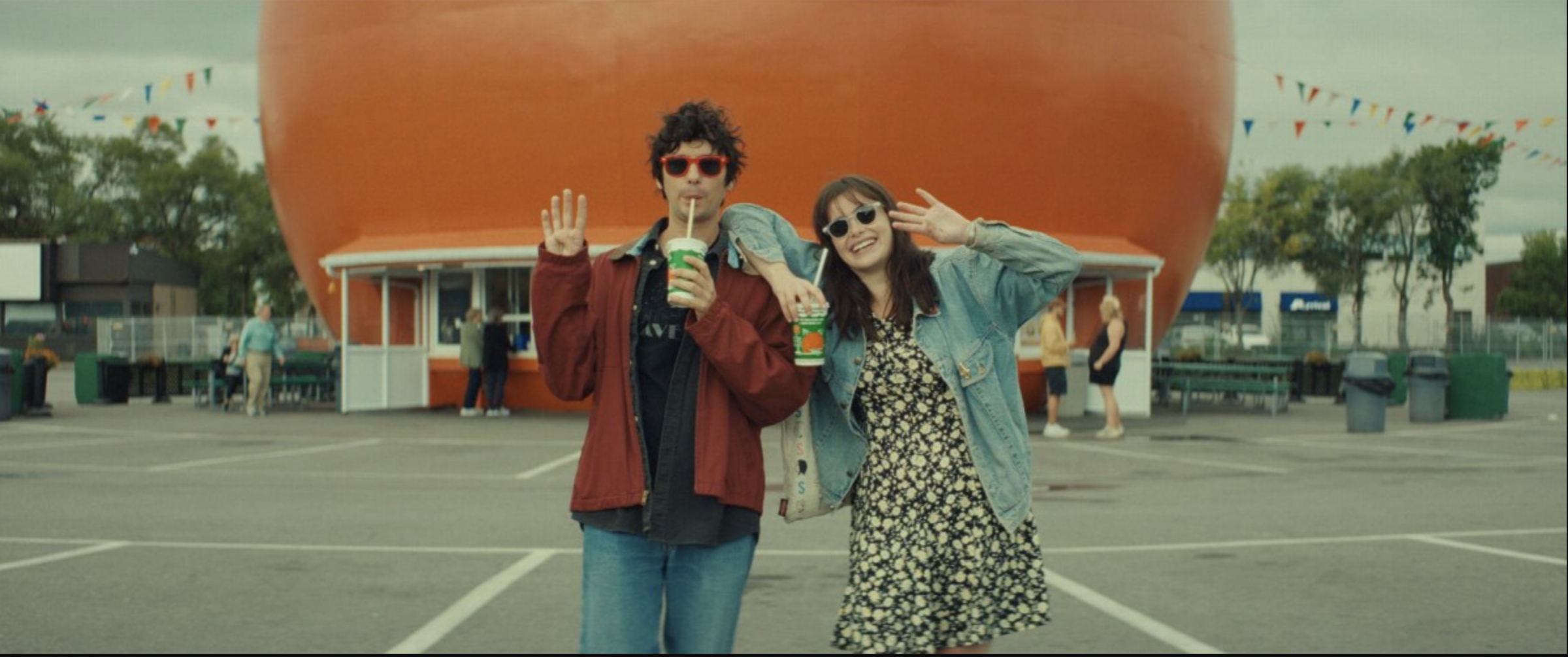
It’s just a shame that, even with such impeccable mastery of craft and an incredible cast giving truly impassioned performances, Levack’s screenplay begins to run around in circles after a while and never adds anything new past a pivotal point. It doesn’t help that the story she treads doesn’t break any new filmic ground, but it’s made even worse by a film that doesn’t really know where to go with its characters and has no idea when to end. No, really, Mile End Kicks might have more faux-endings than The Lord of the Rings: The Return of the King and Project Hail Mary combined. It hampers a significant amount of forward momentum and romantic tension Levack wants to build in the back half, especially with the central love triangle she depicts.
In truth, this aspect of this otherwise entertaining movie prevents Levack from making Mile End Kicks as memorable as her debut feature, I Like Movies. That said, the love she has for Montreal and its distinctive cultural sphere is so evident that I might (or not) have taken a significant detour from the cinema once the movie was over just to grab a couple of St-Viateur bagels in the Mile End, for nostalgia’s sake. If you plan on visiting, don’t go to Fairmont Bagel.