
'Wild Horse Nine' Review: McDonagh Masterfully Crafts Mirth and Melancholia [TIFF 26]
Martin McDonagh, in his trademark style reminds us that while life can be deadly serious, you can choose to look at any way you see fit.
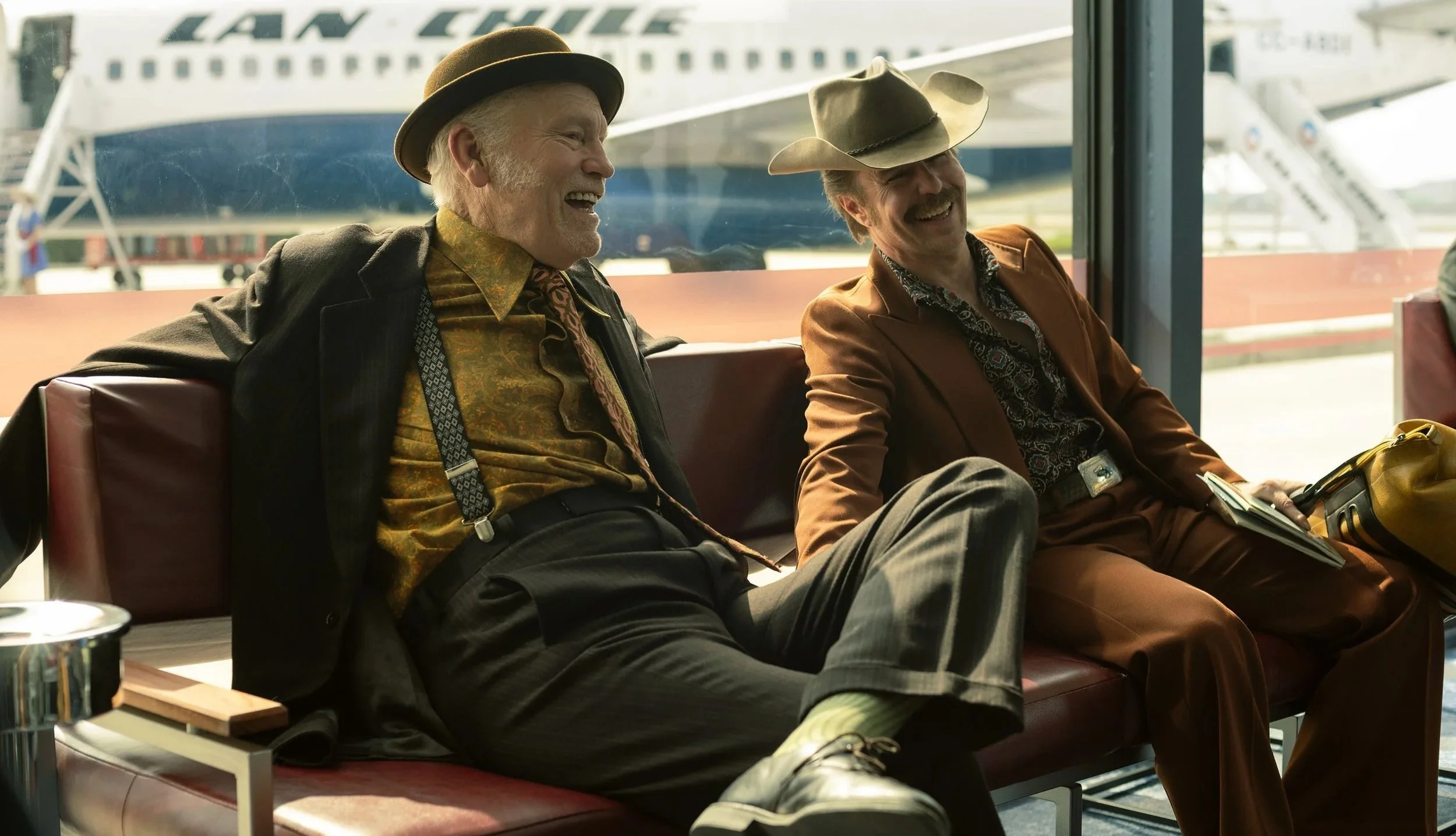
It seems as though almost like clockwork every four or five years, audiences have been treated to festival darling Martin McDonagh’s brand of dark, life-affirming wit. His stories, like modern sardonic fables, are often populated by characters that exist outside the burden of monotonous thought. They contemplate the meaning of life as if they’re waiting for Godot, ruminating on the heaviness of death or the carefree hope that dinosaurs somehow made it into heaven.
‘Wild Horse Nine’ is yet another brilliant example of my favorite type of writing, part absurdism, part soul-searching and yet one-hundred percent heartfelt. McDonagh, in the spirit of Beckett or more recently Tom Stoppard can deftly take implausible, almost farcicle situations and make them parables that speak to modern audiences. In Wild Horse Nine, a pair of CIA barracudas, responsible for destabilizing governments in the past, decide to voyage on one last trip to Easter island (or Rapa Nui in the indigenous nomenclature). Terminally ill veteran Chris (John Malkovich), closer to his last assasination than he is to his first, convinces his partner, Lee (Sam Rockwell) to go to the island for a very specific purpose. The problem is, Chris has severe memory loss and doesn’t even recall why he wanted to go to the island in the first place, other than to see the giant heads and unknowingly mock the culture. The conversations the two have are a hallmark of McDonagh’s writing, chop to the brim with wit, nihilism and ontological philosophy.
The issue becomes, any fan of McDonagh, and you can certainly count this writer as one, will feel as if this is all too familiar. McDonagh can certainly be considered an auteur, perhaps predominantly because of his writing than his visual filmmaking style, but Wild Horse Nine is dangerously close to one of his other hits. Many cinephiles who were first turned on to McDonagh fell in love with his In Bruge, a tale of two assassins who travel abroad and unknowingly mock the culture. The dynamic within the cast is also familiar as there is a straight man between the two main characters, and the other is a charming but rude individual who speaks his mind and has nothing to lose. Both films even feature a hardcase boss that the two assassins have to report to, but don’t entirely respect.

Wild Horse Nine in so many ways is a spiritual sequel to In Bruge, both in tone and dynamic, and that works both for and against the film. It heightens the film in the same manner that one has come to expect from McDonagh, his brilliant balance of the absurd and the tragic, his way to absolutely pinpoint the crux between comedy and drama is unparalleled. There’s something so real about his films, even if characters and circumstances are exaggerated. Like his other successes, Wild Horse Nine teaches audiences a refreshing way to look at life, a way to handle adversity and even a philosophy on death. The depths of human connection that McDonagh can produce is once again highlighted between the key partnership between Chris and Lee, and Malkovich, to no surprise, seemingly understands every ounce of wisdom McDonagh wove into the script. His performance rings with an irreverent outlook that you can’t help but be taken in by it.
The other aspect that has come to be a high point of several of McDonagh’s cinematic parables is how deftly he deals with the troublesome waters of male friendship. That is not an easy subject, and perhaps it’s the emotionally arrested Irish-Canadian blood of this particular critic, but this is not a topic that is often spoken of in my friendship circles, nor is it one that is explored commonly in cinema. Male bonds are so often portrayed as ‘bromances’, highlighting the awkward comedy of two imbeciles rather than a hetero love story akin to Shawshank Redemption. Malkovich and Rockwell have an undeniable chemistry, and from the very start of the film, audiences will be drawn in by their brotherly bond.
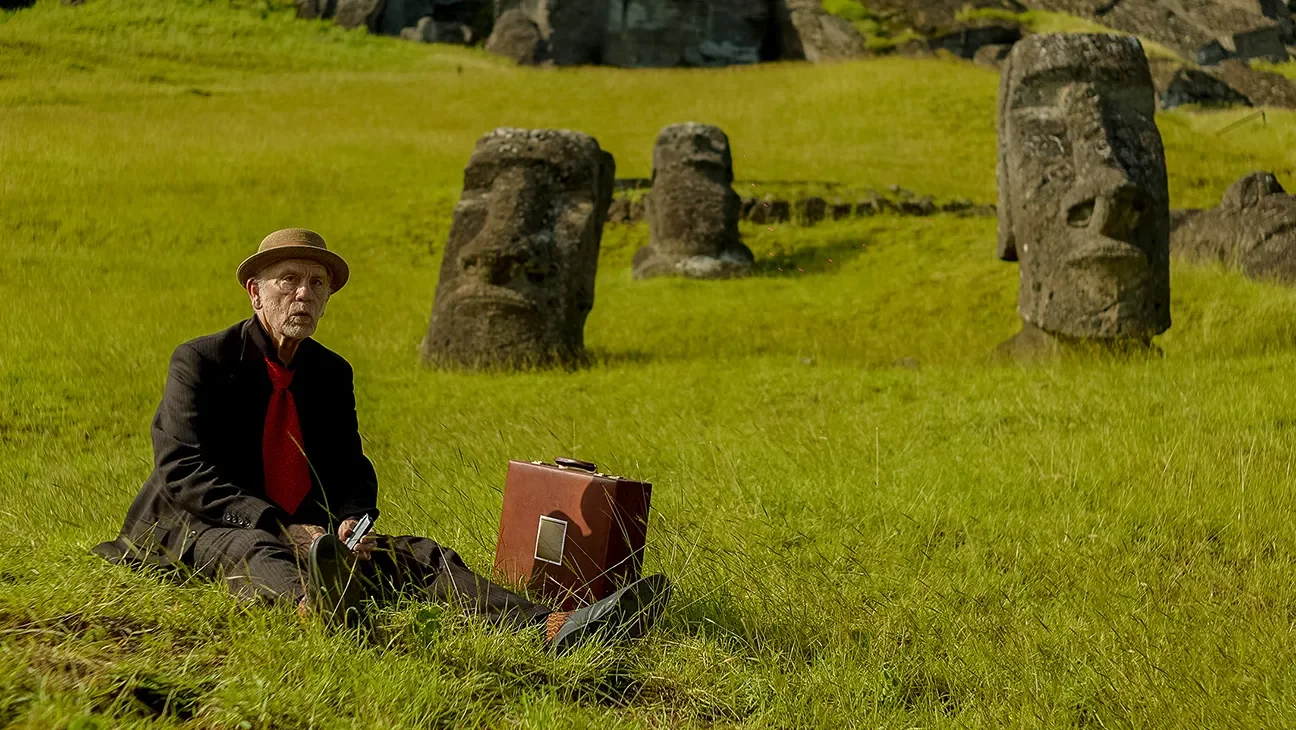
This is simply because McDonagh, as often as he may work with actors on a repeat basis, must have absolutely crystal clear expectations as to what he wants out of his performers. Perhaps that’s why so many choose to return to work with him. Perhaps that’s why so many have been at least nominated for their work with McDonagh. Within all of his films, this writer has never witnessed a time where an actor on the screen didn’t understand the proverbial assignment. It’s undoubtedly why his films are a joy to watch, and so successful during award season.
Will McDonagh be nominated once again? Likely for writing, but the jury is still out when it comes to directing, simply because, as stated, it feels all too familiar, and is arguably one of McDonagh’s safer films. However fans and newcomers to his work alike will find the joy and melancholy within the story, and surely laugh along with the two main characters as they explore life and loss.